
Content Published : August 13, 2026
What Do Flies Eat?
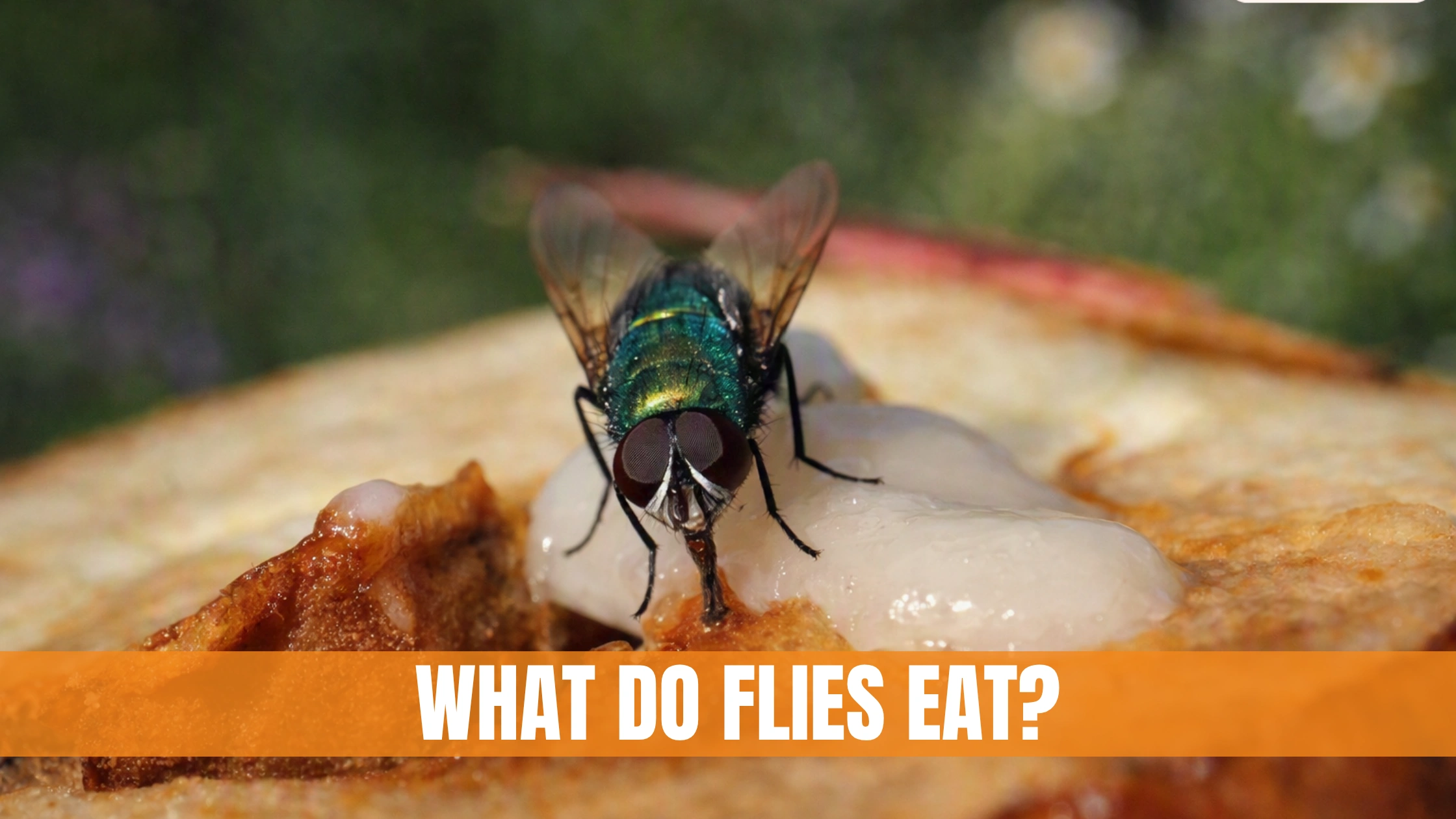
Understanding what flies eat can help prevent infestations before they become a problem. Flies are attracted to decaying organic matter, food waste, moisture, and other materials that provide food and breeding opportunities. Common species found around homes and businesses include house flies, fruit flies, and blow or bottle flies.
Knowing what attracts flies makes it easier to remove conditions that encourage their presence. Food scraps, overripe fruit, uncovered rubbish, dirty drains, and poorly stored food can increase fly activity, particularly in warm and humid environments.
To reduce the risk of an infestation, store food in sealed containers and clean spills, crumbs, and food residue promptly. Rubbish bins should be covered, emptied regularly, and cleaned when required. Kitchen surfaces, drains, food preparation areas, and dining spaces should also be maintained properly.
Good sanitation is one of the most effective ways to discourage flies from entering and breeding around your property. However, persistent or severe infestations may require professional fly pest control to identify breeding sources and manage fly activity effectively.
By removing food sources, maintaining clean surroundings, and addressing potential breeding areas, you can reduce fly activity and make your property less attractive to unwanted pests.
What Are Common Food Sources for Flies?
Flies are highly adaptable pests that can survive on a wide range of food sources. Most species feed on decaying organic matter, plant nectar, sugary liquids, food waste, and, in some cases, other insects. Their feeding habits vary depending on their species and life stage.
House flies are commonly attracted to rotting food, meat, fruit, animal waste, and other decomposing materials. As adults, they often feed on sugary substances, liquids, and overripe or decaying fruit. Fruit flies are particularly attracted to fermenting fruit, sweet drinks, and food residues found around kitchens and rubbish bins.
Some fly species like mosquito develop larvae in water and feed on organic matter and microorganisms, while adult mosquitoes primarily consume plant nectar. Certain tachinid fly larvae feed on other insects, whereas adults commonly feed on nectar. Other species, such as Hessian flies, are associated with grasses and crops.
Although flies can consume various food sources, they require surprisingly little nourishment to survive. Their opportunistic feeding behaviour allows them to thrive in environments where small amounts of food or organic waste are available.
Maintaining proper sanitation, storing food securely, removing waste regularly, and addressing moisture can help reduce fly activity.
How Do Flies Eat?
Understanding how flies eat helps explain their diverse feeding habits and the types of food they seek. Unlike humans, flies have specialised mouthparts that determine what they can consume. Their feeding mechanisms allow different species to survive on liquids, decaying organic matter, nectar, and even blood.
Sponging Mouthparts
Many common flies, including house flies, have sponging mouthparts. They cannot chew solid food directly. Instead, they release digestive fluids onto solid food, breaking it down into a liquid form. The fly then absorbs the dissolved nutrients through its specialised mouthparts. This feeding method allows house flies to consume a wide variety of food sources.
Piercing and Sucking Mouthparts
Some fly species have mouthparts designed for piercing skin and sucking fluids. Mosquitoes are a well-known example. Female mosquitoes can consume blood to obtain nutrients needed for egg development, while both males and females generally feed on plant nectar. Horse flies also have mouthparts adapted for feeding on blood from animals and humans.
Regurgitation and External Digestion
Flies often use a process called external digestion. They release digestive enzymes onto food, breaking complex substances into smaller, liquid components. The fly then sucks up the resulting liquid.
This unique feeding process enables flies to exploit many different food sources and helps explain why they are commonly attracted to exposed food, waste, and decomposing organic materials around homes and businesses.

Do Fruit Flies Eat Fruit?
Despite their name, fruit flies do not actually feed on fruit itself in the way many people assume. Instead, they primarily consume the yeast, microorganisms, and other substances that develop as fruit begins to ferment and decay. This is why fruit flies are commonly associated with overripe or rotting produce.
As fruit breaks down, its natural sugars and moisture create an ideal environment for yeast growth. These microorganisms become an important food source for fruit flies. The smell produced by fermenting fruit can also attract adult flies from nearby areas.
Fruit flies are particularly common around kitchens, restaurants, cafés, grocery stores, rubbish bins, compost containers, and food preparation areas. They may also be found near spilled fruit juice, sugary drinks, wine, or other fermenting liquids. Poorly cleaned drains can provide additional breeding opportunities because organic residue can accumulate inside them.
Keeping fruit refrigerated or stored in sealed containers can help reduce fruit fly activity. Overripe produce should be removed promptly, while rubbish and compost should be emptied regularly. Cleaning food preparation surfaces and wiping up spills can further reduce attractants.
Understanding what fruit flies actually consume makes prevention easier. By limiting fermentation, moisture, and organic residue around your property, you can make the environment less attractive to these persistent pests and reduce the likelihood of a fruit fly infestation.

What Do Drain Flies Eat?
Drain flies are small pests commonly found in damp, poorly drained areas where organic material accumulates. Unlike many other flies, they depend heavily on the moist, slimy buildup found inside drains, pipes, sewers, and other wet environments.
Their primary food sources include decaying organic matter, algae, bacteria, fungi, and microorganisms that grow within this residue. Kitchen sinks, bathroom drains, floor drains, blocked pipes, and compost areas can provide suitable conditions for drain flies to feed and reproduce.
Drain flies typically lay their eggs in a layer of gelatinous organic material, often called biofilm, that develops along the inside surfaces of drains and pipes. Once the eggs hatch, the larvae feed on the microorganisms and decomposing material present in this buildup.
Simply cleaning the visible surface around a drain may not eliminate the problem because the breeding material can remain deeper inside the pipe. Regularly cleaning drains, removing organic buildup, fixing leaks, improving drainage, and keeping damp areas dry can help discourage drain fly activity.
If drain flies continue appearing despite regular cleaning, there may be hidden organic buildup or a drainage issue that needs attention. Identifying and removing the underlying breeding source is essential for achieving effective, long-term control and preventing the infestation from returning.

What Do House Flies Eat?
House flies are highly adaptable pests with a broad and opportunistic diet. They are commonly attracted to sugary substances, decaying food, rubbish, animal waste, and other organic materials. Their ability to feed on different sources allows them to survive in a wide range of environments, including homes, restaurants, farms, bins, and commercial premises.
Unlike humans, house flies cannot chew or bite solid food. Instead, they use a specialised feeding process to consume materials that would otherwise be too solid. When a house fly encounters solid food, it releases digestive enzymes onto the surface. These enzymes help break down the food into a liquid form that the fly can then absorb through its sponging mouthparts.
Common food sources for house flies include overripe fruit, discarded meat, food scraps, spilled sugary drinks, compost, rubbish, and animal feces. Poor sanitation and uncovered waste can therefore create ideal conditions for increased fly activity.
Keeping food covered, cleaning spills promptly, sealing rubbish bins, and disposing of organic waste regularly can help reduce attractants. Maintaining clean kitchens, dining areas, drains, and outdoor waste zones is also important.
If house fly activity becomes persistent, identifying and eliminating nearby breeding and feeding sources can help prevent a recurring infestation and maintain a cleaner, more hygienic environment.
Can Flies Contaminate Food They Land on?
Yes, flies can contaminate food when they land or crawl on it. They often come into contact with rubbish, decaying organic matter, animal waste, and other contaminated surfaces. When they move from these areas to food, they can transfer harmful microorganisms.
Flies can carry bacteria and other pathogens on their bodies, legs, and mouthparts. They may also spread microorganisms through droppings and digestive fluids released while feeding.
How Can Flies Contaminate Food?
- Contact with waste: Flies frequently land on rubbish, feces, and decomposing materials before reaching food.
- Body and legs: Microorganisms can stick to their bodies and legs and transfer onto food surfaces.
- Droppings: Flies regularly defecate while feeding, which can introduce contaminants.
- Regurgitation: Flies release digestive fluids onto food to break down solid materials before consuming them.
- Open food exposure: Uncovered meals, fruit, ingredients, and prepared foods are more vulnerable to contamination.
How to Reduce Food Contamination
- Keep food covered or stored in sealed containers.
- Clean spills and food residue promptly.
- Empty rubbish bins regularly.
- Maintain clean kitchens and food preparation areas.
- Use suitable screens on doors and windows.
- Remove potential fly breeding and feeding sources.
If fly activity continues despite good hygiene, professional pest management can help identify hidden breeding areas and provide an effective solution.

Eliminating Fly Food Sources and Prevention Tips
Preventing a fly infestation starts with removing the food, moisture, and waste that attract flies. Simple hygiene and maintenance practices can make your home less appealing to these unwanted pests.
Effective Ways to Prevent Flies
- Store fresh produce properly: Keep ripe fruit and vegetables refrigerated or in sealed containers to prevent flies from reaching them.
- Clean spills quickly: Wipe up sugary drinks, food residue, grease, and other spills as soon as they occur.
- Cover food outdoors: During barbecues, parties, and outdoor meals, use food covers to prevent flies from landing on exposed dishes.
- Secure rubbish: Keep garbage in clean, tightly sealed bins and empty them regularly.
- Manage pet food: Store pet food securely and clean feeding bowls and surrounding areas after meals.
- Remove pet waste: Establish a regular schedule for cleaning pet waste from gardens and outdoor spaces.
- Install fly screens: Fit screens to windows and doors to reduce the chances of flies entering your home.
- Maintain outdoor areas: Remove decaying organic matter, standing water, and accumulated waste around gardens.
- Use suitable plants: Lavender, eucalyptus, and lemongrass may help make outdoor areas less attractive to flies.
Consistent cleanliness, proper food storage, and good waste management can significantly reduce fly activity and help prevent recurring infestations.

Conclusion
Understanding what flies eat can help you identify and prevent conditions that encourage infestations. Different fly species have unique diets influenced by their environment, mouthparts, and available food sources. While flies can become troublesome pests around homes and businesses, many species also play an important ecological role by breaking down decaying organic matter and recycling nutrients. However, excessive fly activity can create hygiene concerns and contaminate food and surfaces. Maintaining proper sanitation, securing food, managing waste, and removing breeding sources can help reduce fly problems. For reliable solutions, contact EMK Termite & Pest Control Sydney for professional pest management and expert advice.
What Our Customers Had To Say
 Posted on Google
 Rami Anwer
Trustindex verifies that the original source of the review is Google.
We had such a great experience with the pest control service. From start to finish, everything was quick, easy and completely hassle-free. The team were professional, friendly and made the whole process so simple. We’re really happy with the results and the quality of the service we received from Eevil. I would definitely recommend EMK to anyone looking for a reliable pest control company!Posted on Google Rena NajimReally happy with the service today. Professional, friendly and did a great job. Would definitely recommend!Posted on Google
 David DavidEMK provided excellent pest control service. He was professional, punctual, and knowledgeable, explained the process clearly, and ensured it was safe for our family and pets. We saw great results straight away. Friendly, reliable, and highly recommended.Posted on Google
 Ann TranWe highly recommend EMK Termite and Pest Control Sydney. Great service, great prices, friendly and very accommodating. They are very thorough and take pride in their work. Cannot rate them high enough. 5 stars 🌟Posted on Google
 Charlton DurieI had these guys come and sort a termite issue. They got the job done. Thanks again!Posted on Google
 David MarshSuper happy with EMK for getting rid of such a horrible termite infestation! Professional and very friendly.Posted on Google
 Michael ZammitJust had EMK come out to do a rodent control treatment. The service and professionalism was superb!Verified by TrustindexTrustindex verified badge is the Universal Symbol of Trust. Only the greatest companies can get the verified badge who has a review score above 4.5, based on customer reviews over the past 12 months. Read more
Frequently Asked Questions About What Do Flies Eat ?
What do flies eat?
Do flies eat fruit?
What do house flies eat?
What do drain flies eat?
Do flies eat human food?
Can flies contaminate food?
Why are flies attracted to garbage?
How can I prevent flies from finding food?
When should I consider professional fly control?
About The Author

EMK Termite & Pest Control Team
EMK Termite & Pest Control Team is a licensed and experienced pest control service provider based in Sydney, Australia. Our team specialises in termite treatment, cockroach control, spider control, and general pest management for residential and commercial properties.
With years of hands-on experience, we follow Australian safety standards and use proven, eco-friendly pest control methods to deliver long-lasting results. All content published on this website is written and reviewed by trained pest control professionals to ensure accuracy, safety, and real-world expertise.
