
Content Published : October 26, 2026
Millipedes in Australia: How to Identify, Control & Get Rid of Them
Finding hundreds of tiny, dark, crawling creatures around your home can be unsettling, especially when they gather along walls, doorways, driveways, and garden paths. In Sydney, these seasonal invasions are often associated with Portuguese millipedes, a species that can become a nuisance when weather conditions encourage large numbers to move across outdoor areas and enter buildings.
Although they may look alarming, these creatures are generally not dangerous to people or pets in the way that some venomous pests can be. The main concern is their sheer numbers, unpleasant smell when crushed, and tendency to accumulate in homes, garages, and other sheltered spaces.
Understanding how to recognise them, why they appear, and what attracts them to your property can help you manage an invasion more effectively. This guide explains how to identify Portuguese millipedes, reduce their numbers, prevent them from entering your home, and know when professional pest control may be worthwhile in Sydney, Australia.
What Are Millipedes?
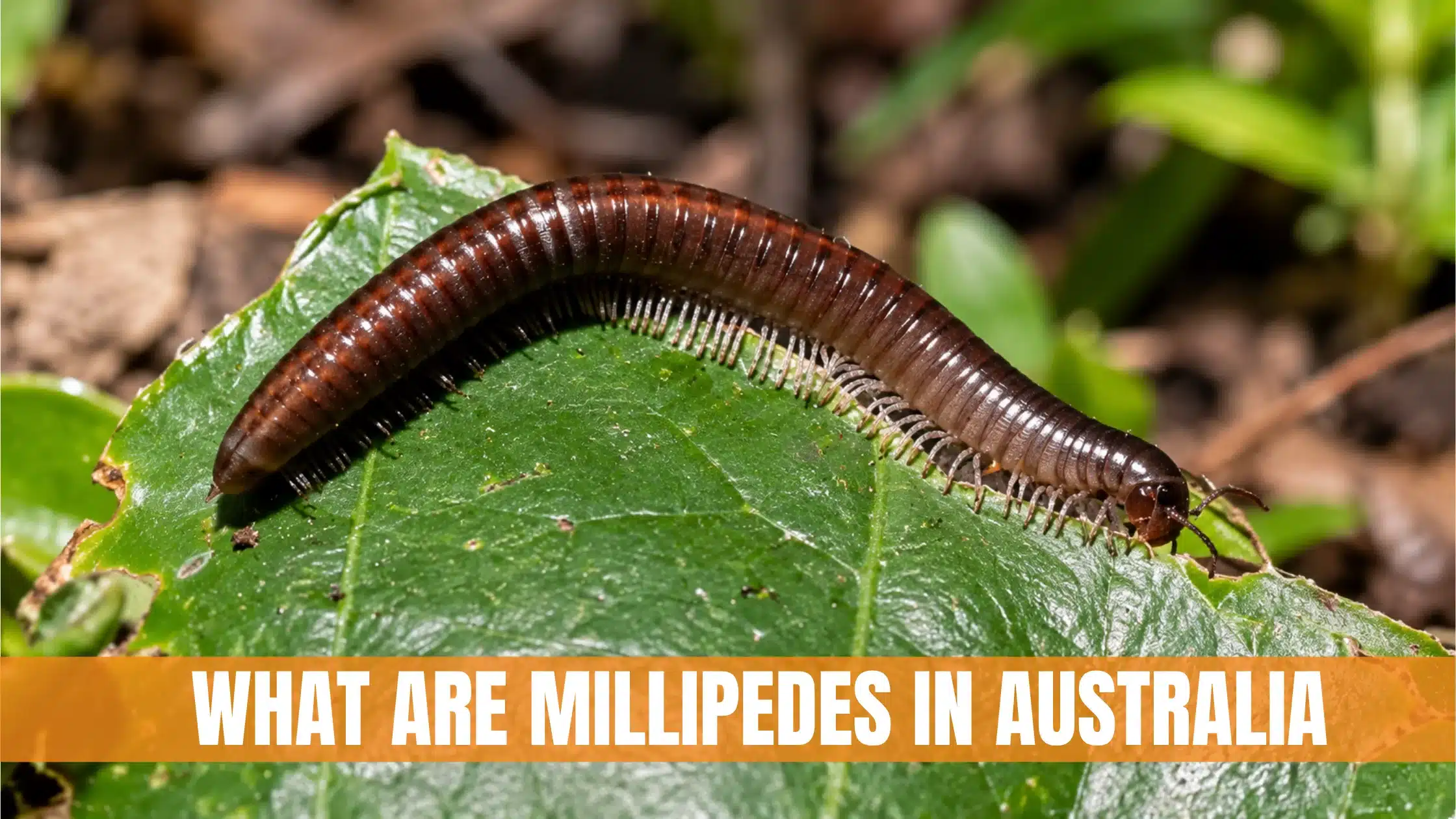
Millipedes are small, many-legged creatures commonly found in Australian gardens, including backyards across Sydney. Although their name means “thousand feet,” most species have far fewer legs, typically ranging from around 30 to several hundred, depending on their size and development. Their rounded, segmented bodies and two pairs of legs on most body segments help distinguish them from centipedes.
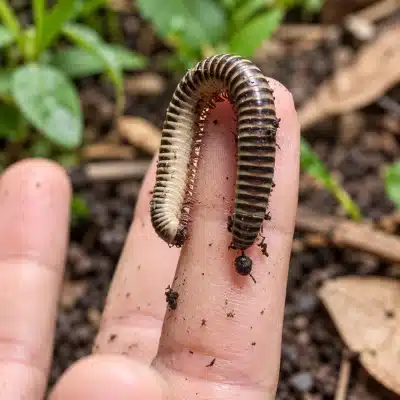
Millipedes are not insects. They belong to a group of arthropods called Diplopoda and generally move slowly, with their numerous legs creating a gentle, wave-like motion. When threatened, many species curl into a tight spiral to protect their softer underside. Some can also release defensive secretions that may produce an unpleasant smell or irritate the skin, so handling them with bare hands is best avoided.
These creatures mainly feed on decaying organic matter, including fallen leaves, rotting wood, and compost. By breaking down plant material, they help recycle nutrients and improve soil health. In Sydney gardens, millipedes are often found hiding beneath flowerpots, bricks, bark mulch, and damp leaf litter during the day. They usually become more active at night, particularly in cool, moist conditions. While beneficial outdoors, large numbers can sometimes become a nuisance when they gather around homes or enter buildings.
Types of Millipedes Found Around Sydney
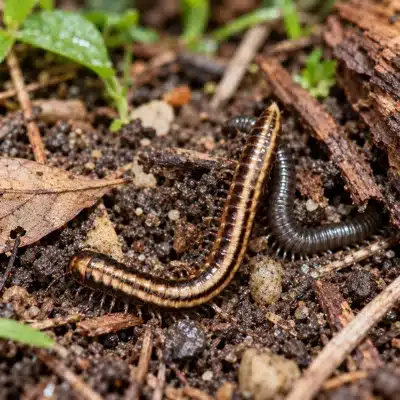
Australia is home to a diverse range of millipedes, including native species and introduced varieties. Across Sydney and surrounding regions, these many-legged creatures are commonly found in gardens, bushland, compost heaps, and damp outdoor spaces. Understanding the different types can help homeowners identify them and determine whether pest control is necessary.
1. Portuguese Millipede (Ommatoiulus moreletii)
Portuguese millipedes are introduced pests originally from Europe. They have dark brown to black, cylindrical bodies and typically grow around 3–4 cm long. Known for gathering in large numbers, they can become a nuisance when they enter homes, garages, and patios, particularly during seasonal movements.
2. Rusty Millipede (Akamptogonus novarae)
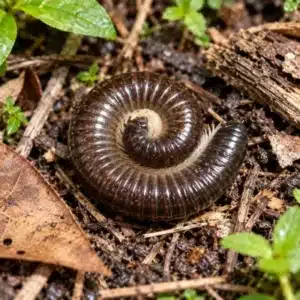
Rusty millipedes are smaller, reddish-brown creatures commonly associated with moist soil, compost, vegetable gardens, and areas beneath flowerpots. They feed on decaying organic matter and occasionally wander indoors, especially when outdoor conditions change.
3. Native Australian Millipedes
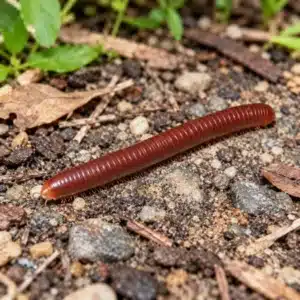
Native species inhabit bushland areas around Ku-ring-gai Chase, the Blue Mountains, and the Royal National Park. They often shelter beneath logs, rocks, and leaf litter, helping decompose organic material and maintain healthy soil.
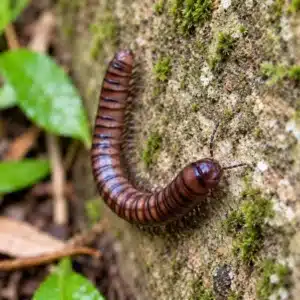
Identifying the species is important because most are beneficial garden decomposers, while large infestations of introduced Portuguese millipedes may require targeted prevention and control.
What Makes Millipedes Favourable to Sydney Homes?
Sydney’s humid weather and periods of heavy rainfall can encourage millipedes to move from their outdoor hiding places. After a dry spell followed by rain, damp soil may become waterlogged, prompting these creatures to search for more suitable shelter. Small gaps beneath doors, cracks around windows, and openings near pipes can provide easy access to homes.
Millipedes are often more noticeable during autumn and spring, although wet weather can trigger activity at other times of the year. Properties in leafy areas such as the Northern Beaches, Hills District, Sutherland Shire, and Upper North Shore may experience increased sightings because gardens offer plenty of shade, mulch, and decaying leaves. Homes with damp courtyards or poorly ventilated subfloors can also attract them.
Several common property conditions may encourage millipedes to gather near your home:
- Thick mulch or leaf litter piled against exterior walls.
- Blocked gutters and damp garden debris.
- Poor drainage, leaking taps, or damaged downpipes.
- Moist subfloor spaces with limited ventilation.
- Bright outdoor lights near doors and windows.
Although millipedes help break down decaying plant material, large numbers can become a nuisance when they enter living spaces. The good news is that simple maintenance, better drainage, regular garden cleaning, and sealing entry points can help reduce millipede activity around Sydney homes.
How to Identify a Portuguese Millipede
Portuguese millipedes are introduced pests found in parts of Australia. They can appear in large numbers around Sydney homes and gardens, particularly after rainfall or changes in soil moisture. Identifying them correctly helps you decide which prevention or control methods may be appropriate.
Adult Portuguese millipedes usually measure around 30–45 mm long. They have cylindrical bodies, numerous short legs, and relatively slow movements. When disturbed, they often curl into a tight spiral to protect themselves.
Key Signs to Look For
- Body shape: Long, narrow, and cylindrical, with clearly visible segments.
- Colour: Adults are usually dark brown to almost black, while younger millipedes may appear lighter.
- Legs: Numerous short legs run along the underside of the body.
- Movement: They crawl slowly, unlike centipedes, which tend to move more quickly.
- Defensive behaviour: When threatened, they often curl into a spiral and may release a strong-smelling defensive secretion.
- Group activity: Large numbers appearing around outdoor walls, garden paths, or doorways may indicate a seasonal millipede invasion.
Avoid handling Portuguese millipedes with bare hands, as their defensive secretions can irritate skin or stain surfaces.
Remember that colour alone cannot confirm the species. Consider the body shape, leg arrangement, and behaviour together. If large numbers appear around your Sydney property, inspect nearby mulch, leaf litter, and entry points to identify possible sources and reduce the chance of them entering your home.
Quick Millipede Identification Guide
| Creature | Body | Legs | Behaviour | Typical Garden Role |
|---|---|---|---|---|
| Native millipede | Segmented, usually rounded | Two pairs on most body segments | Slow-moving, often curls up when disturbed | Mostly a decomposer |
| Portuguese millipede | Long, dark, cylindrical | Two pairs on most body segments | Slow-moving; may gather in huge numbers | Decomposer; can become a nuisance pest |
| Centipede | Flatter, elongated body | One pair per body segment | Usually fast-moving | Predator that feeds on other small animals |
| Slater | Broad, segmented, armoured | Seven pairs | Crawls through damp leaf litter and sheltered areas | Decomposer |
| Caterpillar | Soft, elongated body | Three pairs of true legs plus fleshy prolegs in many species | Often feeds directly on plants | May be a plant pest |
Are Millipedes Dangerous to Humans and Pets?
Portuguese millipedes are generally considered a nuisance rather than a serious danger to humans or pets. They do not bite or sting and mainly feed on decaying leaves and other organic matter. However, large numbers can become unpleasant when they gather inside homes, garages, and around windows or doorways.
When disturbed or crushed, millipedes can release defensive secretions that produce a strong smell. These substances may stain surfaces and irritate sensitive skin, so it is best to avoid direct contact.
Potential Risks of Millipedes
- Skin irritation: Defensive secretions may irritate sensitive skin, particularly after direct contact.
- Eye irritation: Touching your eyes after handling a millipede may cause discomfort.
- Pet exposure: Pets may experience irritation or other symptoms if they eat millipedes or come into contact with their secretions.
- Indoor nuisance: Large numbers can create unpleasant odours and leave stains on floors, walls, and windowsills.
What Should You Do If Contact Occurs?
- Wash affected skin thoroughly with soap and water.
- If secretions enter your eyes, rinse with clean running water and seek medical advice if irritation continues.
- Keep children and pets away from millipede gatherings.
- Contact a veterinarian if your pet eats millipedes and develops unusual symptoms.
It is also important to distinguish millipedes from centipedes. Centipedes have flatter bodies, move more quickly, and can deliver a painful bite.
Although millipedes are generally harmless, taking preventive steps can help reduce their numbers around your Sydney home and prevent them from becoming a recurring nuisance.
Millipede or Centipede? How to Tell the Difference
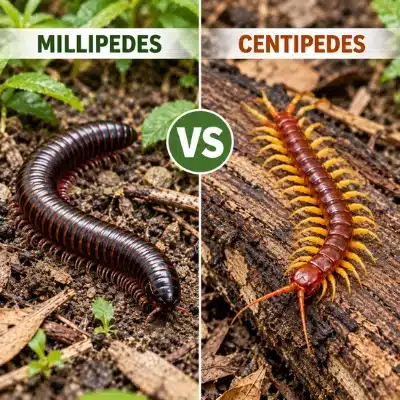
Millipedes and centipedes are often mistaken for one another, but they have different body shapes, behaviours, and feeding habits. Knowing how to identify them can help Sydney homeowners decide whether a crawling creature is harmless or needs closer attention.
Here are four key differences to look for:
- Legs: Millipedes usually have two pairs of legs on most body segments, while centipedes have one pair per segment.
- Body shape: Millipedes have rounded, cylindrical bodies, whereas centipedes have flatter, more flexible bodies.
- Movement: Millipedes generally move slowly with a wave-like motion. Centipedes are usually faster and can move suddenly when disturbed.
- Behaviour: Millipedes mainly feed on decaying leaves and other organic matter. Centipedes are predators that hunt insects and other small creatures.
How to Recognise Them Safely
If you spot a slow-moving creature with a rounded body that curls into a spiral when disturbed, it is likely to be a millipede. These creatures generally do not bite or sting, although some release defensive secretions that may irritate skin.
A fast-moving, flattened creature with long antennae and prominent front appendages may be a centipede. Some centipedes can deliver a painful bite, so avoid handling unfamiliar specimens.
What Do Millipedes Eat?
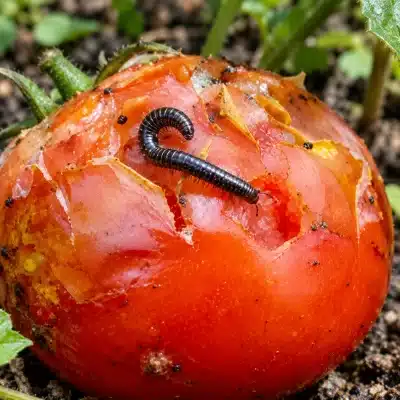
Millipedes mainly feed on dead and decaying organic matter, making them useful contributors to a healthy garden ecosystem. Rather than hunting insects or damaging healthy plants, most species help break down natural debris and return nutrients to the soil.
Common Foods Millipedes Eat:
- Fallen leaves: They feed on leaves as they soften and decompose on the ground.
- Decaying plant matter: Dead flowers, stems, and other decomposing vegetation provide a regular food source.
- Rotting wood: Damp, decomposing timber can attract millipedes looking for food and shelter.
- Fungi: Some species consume fungi growing on decaying organic material.
- Soft vegetation: They may feed on plant material that has already started to break down.
- Organic garden debris: Compost and accumulated leaf litter can provide both food and shelter.
Are Millipedes Harmful to Garden Plants?
Millipedes generally prefer decomposing material rather than healthy, living plants. However, some species may occasionally feed on soft seedlings, roots, or tender plant tissue, particularly when other food sources are limited.
In Sydney gardens, millipedes are often found beneath mulch, flowerpots, logs, and damp leaf litter because these areas provide suitable food and moisture.
Although they can become a nuisance when large numbers gather around homes, millipedes play an important role in natural decomposition. Keeping garden debris under control can help limit excessive activity near your property while allowing beneficial organisms to support soil health.
How to Get Rid of Millipedes Around Your Home
When large numbers appear, removing the immediate infestation and changing the surrounding conditions are usually more practical than trying to eliminate every individual from the garden.
1. Remove Visible Millipedes
Use a broom and dustpan to collect them from paths, garage floors, patios, and other hard surfaces. A vacuum cleaner may also be useful indoors, provided you empty it promptly and clean the container according to the manufacturer’s instructions.
Avoid crushing large numbers because their defensive secretions can create unpleasant odours and stains. Dispose of collected insects in a sealed bag with household waste, following local waste guidance.
2. Clear Leaf Litter and Garden Debris
Remove accumulated leaves, dead plant material, rotting wood, and unnecessary debris from around the house. Keep compost and mulch under control, and avoid creating thick, continuously damp layers immediately beside exterior walls.
You do not need to remove every organic material from your garden. Decaying vegetation supports soil health and beneficial decomposers. Instead, manage these materials so they do not accumulate close to entrances, foundations, and frequently used paths.
3. Reduce Damp Hiding Places
Check for leaking outdoor taps, blocked drainage, overflowing pots, and areas where water collects after rain. Improve drainage where practical and avoid keeping the soil next to the building constantly wet.
Some moisture is necessary for healthy gardens, so the goal is not to dry out the entire yard. Focus on preventing persistent dampness and reducing sheltered conditions close to the house.
4. Adjust Outdoor Lighting
Turn off exterior lights when they are not needed, particularly near entry doors and garage openings. Where suitable, use motion-activated lighting or reposition fixtures so they illuminate the area without shining directly onto doorways and nearby walls.
Lighting changes alone may not solve a severe invasion, but they can form part of a broader prevention plan.
5. Seal Entry Points
Inspect door sweeps, window seals, flyscreens, and gaps around pipes or cables. Repair damaged screens and fit suitable weather seals beneath external doors. Seal appropriate cracks around the building, but do not block ventilation openings or interfere with essential building services.
These measures help reduce indoor entry and are useful for preventing other crawling pests as well.
How to Prevent Millipedes from Returning
Preventing millipedes from returning starts with making your property less attractive to them. In Sydney, damp conditions, garden debris, and heavy rainfall can encourage millipedes to move towards homes. Although eliminating every outdoor millipede is unrealistic, simple maintenance can help reduce their numbers around your property.
Practical Millipede Prevention Tips
- Remove leaf litter: Regularly clear fallen leaves, dead plants, and excessive garden debris from around your home.
- Manage mulch and compost: Avoid piling thick mulch against exterior walls, and keep compost areas tidy and properly maintained.
- Store timber safely: Keep firewood, rotting wood, and unused timber away from the house to reduce potential hiding places.
- Trim vegetation: Cut back dense plants and groundcover touching exterior walls, fences, and entry points.
- Seal entry points: Repair damaged flyscreens, install suitable door seals, and check gaps beneath garage doors and around pipes.
- Improve drainage: Fix leaking taps and downpipes, and address areas where water regularly collects after rain.
- Adjust outdoor lighting: Switch off unnecessary exterior lights or consider motion-activated lighting near doors and windows.
- Monitor seasonal activity: Record when millipedes appear, especially after heavy rainfall, so you can prepare before numbers increase.
These preventative steps are particularly useful for Sydney homes surrounded by established gardens, bushland, or dense groundcover.
When Should You Contact a Pest Control Professional?
Occasional millipede sightings in your garden are usually nothing to worry about. However, if large numbers repeatedly gather around your home or enter indoor spaces, professional pest control advice may help identify the cause and prevent recurring problems.
Signs You May Need Professional Help
- Millipedes keep returning: Large numbers appear around doors, garages, patios, or indoor floors despite regular cleaning.
- Rain triggers repeated invasions: Millipedes enter your home after heavy rainfall or changes in soil moisture.
- DIY methods are ineffective: Removing visible millipedes, clearing garden debris, and sealing gaps have not reduced the problem.
- The species is unclear: You are unsure whether the creatures are millipedes or another type of crawling pest.
- Entry points are difficult to locate: Millipedes appear indoors even though doors and windows seem properly sealed.
Choosing the Right Pest Control Service
When looking for pest control in Sydney, choose a reputable provider who will assess your property’s surroundings, inspect possible entry points, and explain suitable treatment options. Ask about product safety, preparation requirements, and precautions for children, pets, and sensitive garden areas.
A reliable treatment plan should address the conditions attracting millipedes, not simply remove the insects you can see. This may involve improving drainage, reducing outdoor hiding places, sealing gaps, and applying targeted treatments where appropriate.
With professional guidance and consistent property maintenance, you can reduce recurring millipede invasions and help keep your Sydney home more comfortable.
Conclusion
Millipede invasions can be frustrating, especially when large numbers gather around doorways, patios, garages, and garden paths. Keeping your garden tidy, reducing excess moisture, removing leaf litter, and sealing entry points can help prevent them from entering your home. If millipedes continue returning despite these efforts, professional assistance may be the best solution. EMK Termite & Pest Control Sydney can help you explore suitable pest management options for your property. Don’t let recurring millipede problems take over your home! Contact EMK Termite & Pest Control Sydney today to discuss your pest control needs and take the next step towards a more comfortable, pest-managed home.
What Our Customers Had To Say


Frequently Asked Questions About Millipedes in Australia
1. What are millipedes, and why are they found around Sydney homes?
Millipedes are small, many-legged creatures that mainly feed on decaying leaves, rotting wood, and other organic matter. Sydney’s damp gardens, humid conditions, and periods of heavy rainfall can encourage them to gather around homes and enter buildings.
2. Are Portuguese millipedes dangerous to humans or pets?
Portuguese millipedes are generally considered a nuisance rather than a serious health threat. They do not bite or sting, but they can release defensive secretions that may irritate skin or stain surfaces. Avoid handling them directly and keep pets away from large groups.
3. Why do millipedes suddenly appear in large numbers?
Millipedes may gather in large numbers when weather conditions change, particularly after heavy rainfall or when soil becomes waterlogged. They may move across paths, walls, patios, and doorways while searching for suitable shelter.
4. How can I identify a Portuguese millipede?
Portuguese millipedes typically have long, cylindrical bodies, dark brown to black colouring, and numerous short legs. Adults are commonly around 30–45 mm long. They move slowly and often curl into a spiral when disturbed.
5. How do I get rid of millipedes around my home?
Remove visible millipedes with a broom or vacuum, clear fallen leaves and garden debris, reduce excess moisture, and seal gaps beneath doors and around windows. If large numbers continue returning, consider professional pest control advice.
6. What attracts millipedes to houses?
Millipedes are attracted to damp environments, decaying vegetation, leaf litter, mulch, compost, and rotting timber. Small gaps around doors, windows, and utility pipes can allow them to enter indoor spaces.
7. Do millipedes damage gardens or household plants?
Most millipedes feed on decaying organic material and help recycle nutrients into the soil. However, some species may occasionally feed on soft seedlings or tender plant tissue, particularly when other food sources are limited.
8. What is the difference between a millipede and a centipede?
Millipedes generally have rounded bodies, two pairs of legs on most body segments, and slow movements. Centipedes have flatter bodies, one pair of legs per segment, and usually move faster. Some centipedes can deliver a painful bite, so avoid handling unfamiliar creatures.
9. How can I prevent millipedes from returning?
Keep garden beds tidy, remove excessive leaf litter, store firewood away from exterior walls, improve drainage, and repair damaged door seals and flyscreens. Reducing unnecessary outdoor lighting may also help limit millipede activity near entrances.
10. When should I contact a pest control professional in Sydney?
Consider professional assistance if millipedes repeatedly enter your home, appear in large numbers after rainfall, or continue returning despite preventive measures. EMK Termite & Pest Control Sydney can discuss suitable pest management options and ways to reduce recurring activity around your property.
About The Author
