
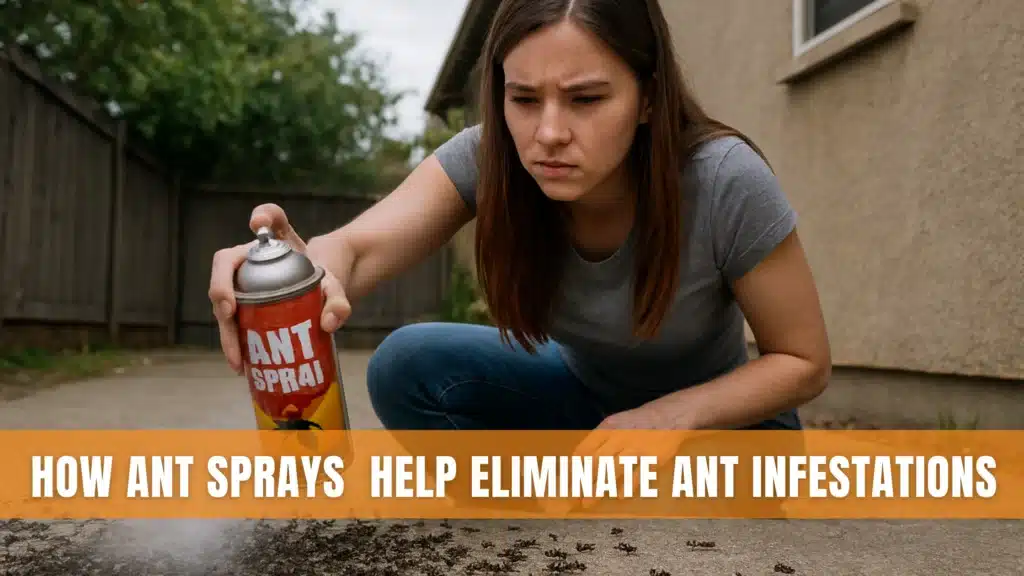
How Ant Spray Solutions Help Eliminate Ant Infestations
Ants are among the most common household pests, and once they invade, they can be difficult to eliminate completely. From kitchens and bathrooms to gardens and patios, ants are experts at locating food, water, and shelter. As a result, many homeowners rely on ant spray as a fast and convenient option. But while sprays can reduce visible activity, understanding how they work is essential for anyone learning how to get rid of ants effectively.
Ant sprays are designed to kill ants on contact or repel them from treated areas. They can quickly eliminate ants that are crawling across benches, floors, or entry points, providing immediate relief. However, sprays often address only the ants you can see and may not reach hidden nests or the queen. This means ants can return if the colony remains active.
When using ant spray, safety and correct application are important. Always follow label instructions, avoid spraying food-preparation surfaces, and keep products away from children and pets. For best results, sprays should be combined with other control methods such as baiting, sealing entry points, and maintaining cleanliness. While ant spray plays a useful role, a well-rounded approach is the most reliable way to get rid of ants and prevent future infestations.
How Ant Spray Works to Control Ant Infestations
To determine whether ant sprays are truly effective, it’s important to understand how they work as part of overall ant pest control. Ant sprays are designed to either kill ants on contact or create a treated barrier that repels them from entering specific areas. While sprays can provide fast results, their success depends on the active ingredients used and how accurately they are applied. For homeowners learning how to kill ants, sprays are often the first line of defence.
Common active ingredients found in ant sprays include:
- Pyrethroids – Synthetic compounds based on chrysanthemum extracts that attack the ant’s nervous system, causing paralysis and death
- Neonicotinoids – Chemicals that disrupt nerve signals in ants, leading to colony decline, though they may raise environmental concerns
- Essential oils – Natural ingredients such as peppermint, clove, or citrus that repel ants by masking scent trails
When applied correctly, ant sprays form a toxic or repellent barrier along walls, entry points, and active trails. Ants that cross these treated areas are either killed or driven away. However, effectiveness varies depending on the ant species, the size of the infestation, and whether nests are nearby. While sprays help reduce visible activity, combining them with baiting, cleanliness, and exclusion methods ensures stronger, long-term ant pest control and improves results when learning how to kill ants permanently.
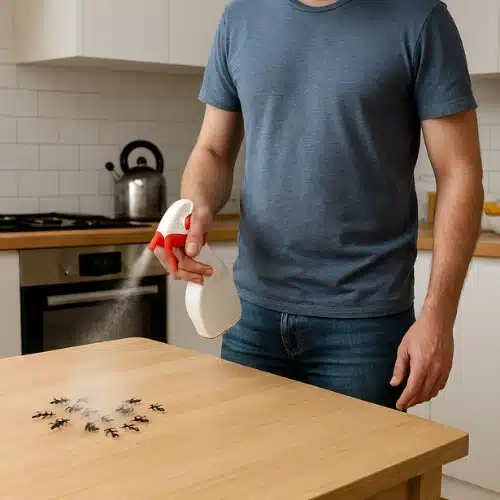
Different Types of Ant Sprays and How to Use Them
Selecting the right ant spray is essential for effective and long-lasting pest management. Not all sprays work the same way, and choosing the wrong product for the wrong environment can limit results. Ant sprays are formulated with specific active ingredients, such as permethrin, to target ants in different locations. Using the correct ant spray for indoors or the best ants spray for outdoors ensures better control and reduces the chance of re-infestation.
Indoor and outdoor sprays are designed for different purposes and should be used accordingly.
Indoor ant sprays are best for:
- Kitchens, pantries, and food-preparation areas
- Bathrooms and laundry rooms
- Cracks, crevices, and visible ant trails
- Safe use around families when applied as directed
These products are generally milder and focus on eliminating ants inside the home while reducing contamination risks.
Outdoor ant sprays are best for:
- Gardens, lawns, and garden beds
- Patios, pathways, and driveways
- Home foundations and entry points
- Creating long-lasting protective barriers
The best ants spray for outdoors is formulated to withstand weather conditions and provide extended protection against reinvasion.
EMK Termite & Pest Control Sydney offers tailored ant treatment solutions based on infestation severity and location. With professional-grade products, correct application methods, and a 6-month internal treatment warranty, their services deliver reliable and efficient results. For ongoing or severe infestations, professional treatment often provides a more comprehensive solution than store-bought sprays alone.
Quick Reference Guide:
- Indoor Spray – Home interiors, kitchens
- Outdoor Spray – Gardens, patios
- Targeted Spray – Foundations, entry points
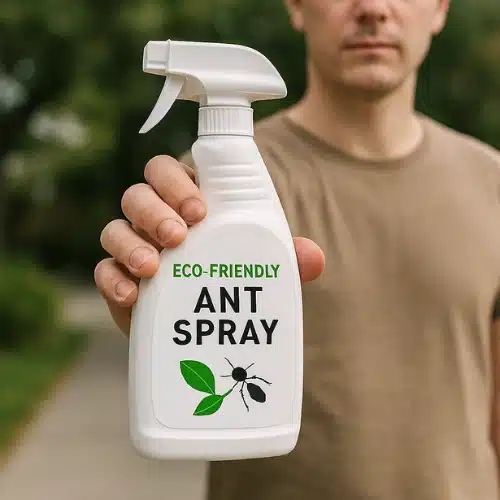
Eco-Friendly Ant Spray Options for Safe Ant Control
Using non-toxic and eco-friendly ant sprays offers clear advantages, especially in households with children and pets. These products significantly reduce the risk of harmful chemical exposure, making everyday living spaces safer. Eco-friendly sprays are typically made from natural ingredients, which limits environmental impact while still providing reliable ant control. For families prioritising health and safety, these solutions allow effective pest management without compromising the wellbeing of household members or indoor air quality.
Natural ant control options can be highly effective when applied correctly and consistently. Rather than killing ants instantly, many natural ingredients work by disrupting scent trails and communication, making treated areas less attractive to ants over time. While they may require more frequent application compared to chemical sprays, their safety profile makes them a preferred choice for ongoing maintenance and prevention.
Common eco-friendly ant control ingredients include:
- Essential oils such as peppermint and citrus
- Vinegar and water mixtures
- Herbal extracts with repellent properties
- Baking soda used in targeted areas
- Cornstarch for controlling ant movement
Emk provides expert guidance on selecting and applying eco-friendly ant control solutions effectively. With professional insight, homeowners can adopt safer, sustainable pest management strategies that protect their homes, families, and pets while still keeping ant activity under control.
DIY Ant Sprays: Ingredients, Uses, and Effectiveness
Creating DIY ant sprays is a practical and budget-friendly way to manage minor ant problems at home. These homemade solutions rely on everyday household ingredients, making them easy to prepare and safe to use in most living spaces. One of the biggest advantages of DIY sprays is their flexibility—homeowners can adjust ingredients based on preference while learning how to make ant spray without relying solely on commercial products. Sydney’s Best Pest Control also encourages these methods as a supportive step alongside professional treatments.
DIY ant sprays work mainly by disrupting ant scent trails, which prevents ants from communicating and returning to food sources. Natural ingredients such as vinegar and essential oils are especially effective when applied regularly to active areas like entry points, benches, and window sills.
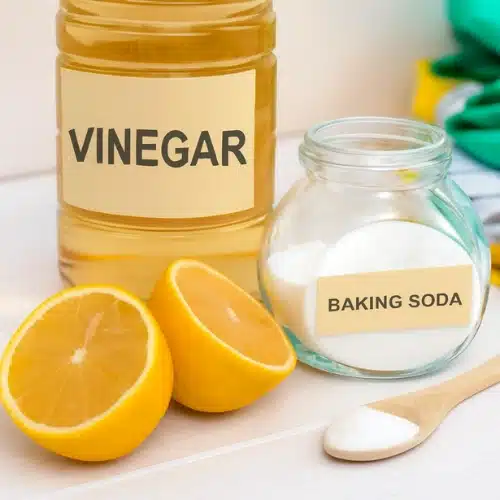
Common ingredients used in DIY ant sprays include:
- Vinegar to break pheromone trails
- Essential oils such as peppermint or lemon for added repellent power
- Water to dilute and safely apply the solution
How to make ant spray at home:
- Mix equal parts vinegar and water in a spray bottle
- Add a few drops of peppermint or lemon essential oil
- Shake the bottle well to combine ingredients
- Spray directly on ant trails, cracks, and entry points
While DIY sprays can reduce visible ant activity, they work best as part of a broader prevention plan that includes cleanliness and sealing access points.
Are Ant Spray Safe for Babies and Pets
Safety should always come first when using ant sprays, particularly in homes with babies or pets. Many conventional ant control products contain chemicals that can pose health risks if inhaled, ingested, or absorbed through the skin. Taking simple precautions helps ensure effective ant control without compromising the wellbeing of your family or animals.
One of the most important steps is understanding the product you are using. Always choose ant sprays that are clearly labelled for indoor use and state they are safe around children and pets when used as directed.
Tips for using ant sprays safely at home include:
- Read labels carefully and follow all instructions provided by the manufacturer
- Select products specifically marked as child-safe or pet-friendly
- Consider natural alternatives, such as sprays made with essential oils, which reduce exposure to harsh chemicals
- Apply sprays only in targeted areas rather than over large surfaces
When applying ant spray, extra care is essential. Keep children and pets away during application and avoid spraying near toys, feeding bowls, sleeping areas, or play zones. Ensure good ventilation by opening windows and doors, and allow treated surfaces to dry completely before allowing access again.
By choosing safer products, applying them correctly, and following recommended precautions, homeowners can effectively manage ant problems while maintaining a healthy and secure living environment for everyone in the household.
Why Ants Keep Coming Back After Spraying
One of the most frustrating parts of ant control is seeing ants return even after treatment. Many homeowners expect instant and permanent results, but ants are highly organized and resilient insects. This often leads to the common question: how long does ant spray lasts before ants come back? The answer depends on several biological and environmental factors.
Ant sprays usually kill ants on contact or create a temporary barrier, but they rarely eliminate the entire colony. The ants you see are only a small fraction of the population, which explains why activity can resume days or weeks later.
Common reasons ants return after spraying include:
- Hidden colonies – Ant nests are often concealed inside walls, under flooring, or outdoors, making them difficult to reach with surface sprays
- Multiple colonies – Some ant species form satellite nests, so removing one group does not stop others from invading
- Pheromone trails – Ants follow chemical scent trails; if these are not fully removed, new ants will continue using the same pathways
So, how long does ant spray last? Most sprays provide short-term control, lasting from a few days to a few weeks depending on the product and conditions. For long-term results, sprays should be combined with baiting, thorough cleaning to remove scent trails, and sealing entry points. This integrated approach reduces re-infestation and delivers more reliable ant control over time.
Expert Tips for Using Ant Sprays Effectively
Using ant control sprays correctly is essential to achieve the best possible results and prevent recurring infestations. The most effective approach is to apply sprays directly to visible ant trails and known entry points. Ants rely on scent trails to navigate and locate food, so treating these areas helps break their communication pathways and stops more ants from entering your space. Concentrating on high-traffic zones rather than spraying randomly improves overall control and limits unnecessary chemical use.
Following product instructions is equally important. Safety guidelines protect household members from accidental exposure while ensuring the spray performs as intended. Regular reapplication, as directed on the label, helps maintain a protective barrier because most sprays lose potency over time due to cleaning, foot traffic, or environmental conditions.
Professional tips for maximising ant spray effectiveness include:
- Apply spray directly along visible ant trails
- Treat common entry points such as doors, windows, and wall cracks
- Reapply the spray according to the manufacturer’s instructions
- Ensure treated areas are well ventilated after application
- Keep children and pets away until surfaces are fully dry
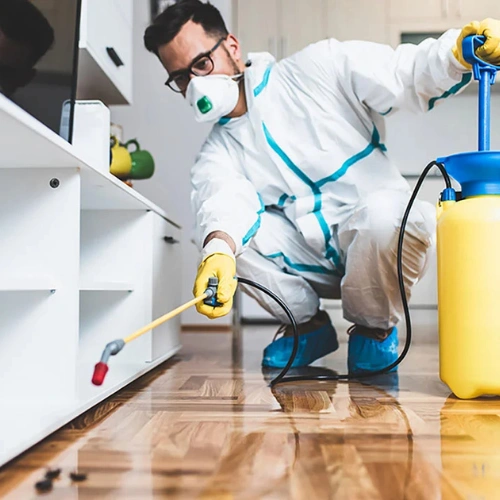
For ongoing or severe ant problems, professional assistance may be necessary. EMK Pest Control offers expert advice and targeted treatments that go beyond surface spraying. By combining correct application, safety practices, and professional support when needed, ant control sprays can be used safely and effectively to keep homes and businesses ant-free.
Final Words
Choosing the right ant spray is essential for effective pest control, as indoor and outdoor ant problems require different solutions. Homeowners can select from chemical-based sprays for fast results or eco-friendly options for safer use around families and pets. DIY ant sprays provide a cost-effective and customisable alternative, while commercial products offer immediate relief from visible ant activity. Correct selection and proper application improve overall effectiveness and help prevent re-infestation. For long-term and comprehensive ant control, EMK Termite & Pest Control Sydney delivers professional services backed by expert advice and proven treatments. Contact our team today to secure a pest-free home using the right ant spray solution.
About The Author

EMK Termite & Pest Control Team
EMK Termite & Pest Control Team is a licensed and experienced pest control service provider based in Sydney, Australia. Our team specialises in termite treatment, cockroach control, spider control, and general pest management for residential and commercial properties.
With years of hands-on experience, we follow Australian safety standards and use proven, eco-friendly pest control methods to deliver long-lasting results. All content published on this website is written and reviewed by trained pest control professionals to ensure accuracy, safety, and real-world expertise.