
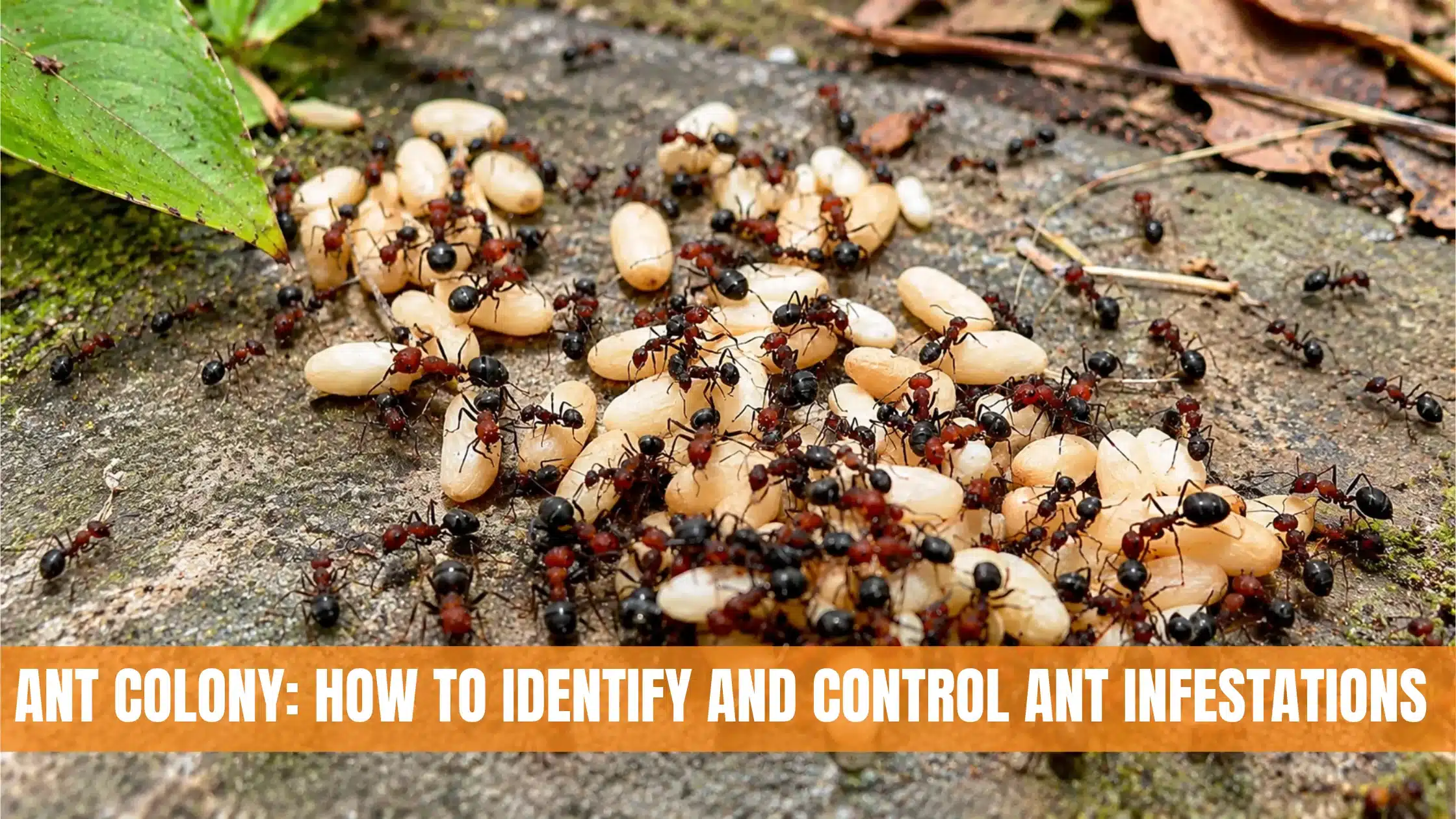
Content Published : November 18, 2026
Ant Colony: How to Identify, Understand and Control Ant Infestations in Sydney
Ants are a familiar sight around Sydney homes, gardens and commercial properties. You may spot them crossing kitchen benches, following trails along walls or gathering near garden beds while searching for food. Although a few ants may seem harmless, repeated activity can point to a nest nearby and should not be ignored.
Learning how an ant colony develops, where different species nest and what attracts them to a property can help you recognise an infestation early. Sydney’s changing weather, landscaped gardens, moisture and accessible food can create suitable conditions for ants to thrive throughout the year.
Black garden ants, coastal brown ants and Argentine ants are among the species residents may encounter. Each has different nesting and feeding habits, so identifying the source of activity is an important step towards effective ant pest control. Simply removing visible ants may not address the nest or prevent them from returning.
This guide explores ant behaviour, colony structure, nesting locations, warning signs and potential risks. It also shares practical prevention and treatment advice to help Sydney homeowners and businesses manage ant problems and protect their properties. Learn when recurring activity needs inspection and support from a qualified local pest professional in Sydney homes.
What Is an Ant Colony and How to Identify One
An ant colony is a group of ants that live together in a shared nest and work as a team to survive. Each ant has a specific role, helping the colony find food, protect the nest, care for young ants and produce future generations.
A typical ant colony consists of a queen, worker ants and, during breeding periods, winged males and females. The queen is responsible for laying eggs, while worker ants collect food, look after larvae, maintain nesting areas and defend the colony when needed.
The size and structure of an ant colony can vary depending on the species, food supply and surrounding conditions. Some colonies remain relatively small, while others grow to include thousands of ants or more.
In Sydney, ants can establish nests in several places around residential and commercial properties. Common ant nest locations include garden soil, spaces beneath paving stones, building foundations and wall cavities. Some species prefer moist areas, while others settle in dry soil or sheltered outdoor spaces.
Recognising these nesting locations and understanding ant behaviour can help property owners identify early signs of an infestation and take appropriate steps to manage ant activity.
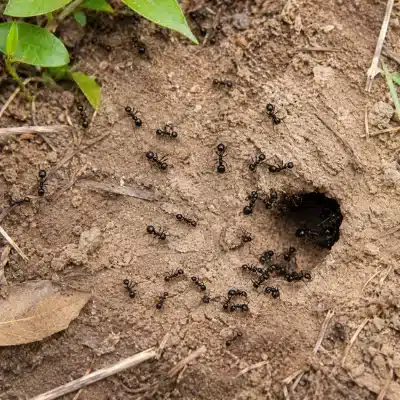
How Does an Ant Colony Work?
Ants survive through cooperation and a well-organised division of responsibilities. Although individual species have different behaviours, most colonies follow a similar social structure.
1. The Queen Ant
The queen plays a central role in maintaining the population. After mating, she may establish a new nest and begin laying eggs. Depending on the species, a colony may contain one queen or several reproductive queens.
A queen can continue producing eggs for an extended period under suitable conditions. This allows the population to grow and replace worker ants as they age.
2. Worker Ants
Worker ants are generally the most visible members of a nest. They are responsible for finding food, carrying materials, caring for larvae and maintaining the nesting area.
When a worker discovers a food source, it may leave a chemical trail that helps other ants locate the same area. This is why you often see long lines of ants travelling between a nest and a kitchen, rubbish bin or garden.
3. Male and Female Reproductive Ants
During particular seasons, mature colonies may produce winged reproductive ants. These are sometimes called swarmers or flying ants.
Their purpose is to leave the original nest and establish new colonies through reproduction. In Sydney, winged ants may become noticeable during warmer periods, particularly after suitable weather conditions.
4. Eggs, Larvae and Pupae
The ant life cycle includes four stages: egg, larva, pupa and adult. Worker ants care for the developing young, moving them to suitable locations within the nest as environmental conditions change.
Understanding these different roles helps explain why eliminating a few visible ants does not always resolve an infestation.
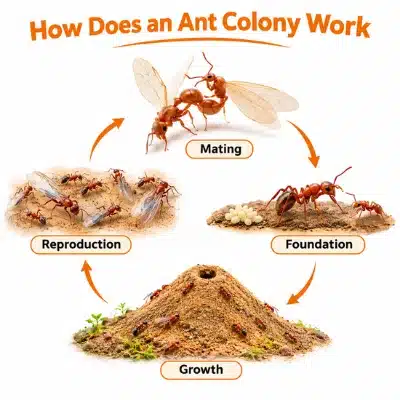
Where Do Ants Build Their Nests?
Ants are adaptable insects and can establish nests in many locations around residential and commercial properties. Their preferred nesting environment depends on the species, moisture availability, soil conditions and access to food.
Common nesting locations around Sydney include:
Garden Beds and Lawns
Garden beds, lawns and landscaped areas provide suitable nesting conditions for several outdoor ant species. Soil offers protection from weather and predators, while nearby plants and insects can provide food.
You may notice small soil mounds, loose dirt or regular ant trails around garden edges.
Beneath Paving and Concrete
Ants can establish nests underneath paving stones, driveways, patios and concrete pathways. Small gaps between surfaces provide access to sheltered spaces beneath the ground.
Activity may become noticeable when ants push loose soil through cracks or emerge from joints between pavers.
Wall Cavities and Building Foundations
Some species enter buildings through gaps around windows, doors, pipes and foundations. Once inside, they may travel through wall cavities or other concealed spaces.
This can make it difficult to identify the exact location of the nest without a proper inspection.
Roof Voids and Subfloor Areas
Roof spaces and subfloor areas can provide shelter for certain ant species, especially where moisture, food residues or suitable nesting materials are available.
Regular property maintenance can help identify conditions that may encourage pest activity in these less accessible areas.
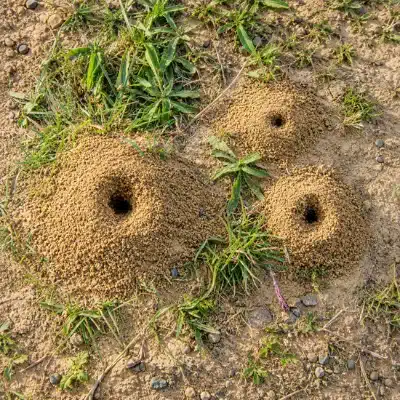
Common Ant Species Found Around Sydney
Different ant species have different nesting preferences, feeding habits and levels of nuisance. Correct identification is important because treatment methods that work for one species may not be suitable for another.
Black Garden Ants
Black garden ants are frequently noticed around lawns, garden beds, pathways and outdoor entertaining areas. They may create visible trails while searching for food.
Although they are not generally associated with serious structural damage, large numbers can become inconvenient when they enter kitchens or gather around outdoor food sources.
Coastal Brown Ants
Coastal brown ants are common in many parts of Australia, including urban environments. They can establish nests in soil, beneath paving and around building foundations.
Their activity may become noticeable through small soil mounds and persistent trails around gardens and pathways.
Argentine Ants
Argentine ants are an invasive species that can form extensive networks of interconnected nests. They are particularly attracted to sweet food sources and may enter buildings in large numbers.
Their ability to establish multiple nesting sites can make infestations challenging to manage.
Carpenter Ants
Carpenter ants commonly nest in decaying or damaged timber. Unlike termites, they do not eat wood for nutrition. Instead, they excavate galleries to create sheltered nesting spaces.
Their presence may indicate moisture problems or timber deterioration that should be investigated.
What Attracts Ants to Your Property?
Ants generally enter residential and commercial properties because they can find food, water or suitable nesting conditions. Even a clean home can experience ant activity if there are accessible resources nearby.
Several factors can attract them to Sydney properties.
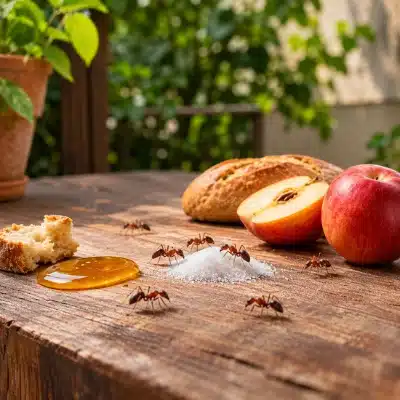
Food residues: Crumbs, sugary spills, uncovered food and grease can attract foraging ants. Kitchens, pantries and dining areas are common places where activity becomes noticeable.
Pet food: Food bowls left outdoors or uncovered pet food stored inside can provide an easy food source.
Moisture: Leaking taps, dripping pipes, damp garden beds and standing water can create favourable conditions for some species.
Garden vegetation: Fruit trees, flowering plants and vegetation supporting aphids or scale insects may attract ants searching for food.
Rubbish: Open rubbish bins and food waste can encourage ants to forage around kitchens, garages and outdoor areas.
Building gaps: Small cracks around windows, doors, pipes and foundations can provide convenient access points.
Removing these attractants is an important part of reducing unwanted ant activity.
What Kind of Ants Live in an Ant Colony?
An ant colony can contain different types of ants, each with a specific responsibility. Their roles help maintain the nest, protect the population and ensure that new generations continue to develop.
The main types of ants found in most colonies include:
1. Queen Ants
The queen is responsible for reproduction and plays an important role in maintaining the colony’s population. Depending on the species, a nest may have one queen or several queens. After mating, a queen may establish a new nest and begin laying eggs.
2. Worker Ants
Worker ants are usually the ones homeowners see moving along kitchen benches, garden paths and walls. They collect food, maintain the nest, care for young ants and protect the nesting area. Most workers are female and do not reproduce.
3. Soldier Ants
Some ant species have specialised workers that help defend the nest. These ants may have larger heads and stronger mandibles than ordinary workers. Their role is to protect the colony against predators and potential threats. Not every species has a clearly separate soldier caste.
4. Male Ants
Male ants are reproductive members of the colony. Their primary role is to mate with new queens during the reproductive period. They generally have a shorter lifespan than queens and worker ants.
5. Winged Queens and Reproductive Ants
When a mature nest is ready to reproduce, it may produce winged males and young queens. These ants leave the original nest during a process commonly called a nuptial flight. After mating, fertilised queens may search for suitable locations to establish new nests.
The exact structure varies between species. For example, black garden ants, Argentine ants and coastal brown ants found around Sydney may differ in their reproductive behaviour, worker organisation and nesting habits.
What Is the Average Lifespan of an Ant Colony?
There is no single lifespan that applies to every ant colony. How long a nest survives depends on the ant species, the number of queens, environmental conditions, food availability and the level of disturbance around the nesting site.
In many species, worker ants live for several weeks or months, although some can survive longer. Male ants generally have a shorter lifespan because their main purpose is reproduction. Queens, on the other hand, can live for several years and, in certain species, considerably longer.
A nest with a healthy, productive queen may continue developing for many years. Some species can also maintain multiple queens, which may help the colony survive when one reproductive queen dies.
In Sydney, suitable nesting conditions can allow ant populations to remain active around gardens, lawns, paving and building foundations for extended periods. Regular access to food, water and shelter can support continued activity.
It is also important to understand that an individual nest may not remain in exactly the same location forever. Environmental changes, flooding, disturbance, food shortages and pest management treatments can cause ants to relocate or establish new nesting sites.
Therefore, seeing ants disappear from one area does not always mean the entire infestation has been eliminated. Other nests may remain nearby, particularly where several connected nesting sites are present.
What Is the Average Population of an Ant Colony?
The population of an ant nest varies considerably depending on the species and its stage of development. A newly established nest may contain only a queen and a small number of developing workers, while a mature nest can support thousands of ants.
Some smaller species maintain relatively modest populations. Other species, particularly those capable of forming multiple connected nests, can support much larger numbers across an extensive area.
Several factors influence population size:
Ant species: Different types of ant species have different reproductive rates and nesting structures. Some maintain one queen, while others can support multiple queens.
Age of the nest: A newly established nest usually has fewer workers than a mature one. As the queen produces more eggs, the worker population can increase.
Food availability: A consistent supply of food helps workers support developing larvae and maintain the nest.
Environmental conditions: Suitable temperatures, moisture and sheltered nesting locations can encourage population growth.
Predators and disturbance: Weather events, predators, habitat changes and pest treatments can affect the number of ants that survive.
In Sydney, population sizes can vary between outdoor garden nests and those established in sheltered locations around buildings. Argentine ants, for example, are known for forming interconnected nesting networks, making their overall numbers difficult to estimate by observing a single nest.
Are Ant Colonies Dangerous?
Most common ants found around Sydney homes are more of a nuisance than a serious threat. However, a growing infestation can create hygiene concerns, especially when ants enter kitchens, pantries and food preparation areas.
As ants move through soil, rubbish and other contaminated surfaces, they can carry dirt and microorganisms onto kitchen benches, shelves and uncovered food. Some species may also bite or sting when disturbed, causing discomfort or skin reactions depending on the ant type and individual sensitivity.
Here are some potential problems associated with ant activity:
- Food contamination: Ants can crawl over stored food and preparation surfaces, creating hygiene concerns.
- Bites and stings: Certain species may bite or sting when they feel threatened.
- Recurring infestations: Established nests can lead to repeated indoor and outdoor activity.
- Hidden nesting sites: Ants nesting inside wall cavities, foundations or garden areas can be difficult to locate.
Fire ants deserve special attention. Red imported fire ants are a serious invasive pest in Australia. Their painful stings can cause severe allergic reactions in some people. If you suspect fire ants, do not disturb the nest or attempt DIY treatment. Follow current NSW biosecurity reporting guidance.
How to Get Rid of an Ant Colony
Effective ant control involves more than removing the ants that are immediately visible. The aim is to understand where they are nesting, what attracts them and how they are entering the property.
The most suitable approach depends on the ant species, location of the nest and extent of the infestation.
1. Identify the Ant Species
Start by observing the ants’ size, colour, movement and nesting location. Different species respond differently to food sources and control products.
If identification is difficult, a pest professional can help determine which species is present and recommend an appropriate treatment.
2. Remove Accessible Food Sources
Keep kitchen surfaces clean and store food in sealed containers. Wipe away sugary spills, remove crumbs and avoid leaving dirty dishes unattended.
Clean pet feeding areas regularly and ensure outdoor rubbish bins have secure lids.
3. Follow Ant Trails
Observe where ants are travelling. Their trails may lead towards cracks, garden beds, paving joints or other potential nesting locations.
Avoid disturbing the nest unnecessarily, as this can sometimes cause ants to relocate or establish additional nesting sites.
4. Use Suitable Ant Baits
Ant baits can be useful because worker ants may carry the bait back to the nest, where other members of the colony can consume it.
Choose products specifically labelled for the target ant species and follow all label directions. Keep baits away from children, pets and food preparation areas.
Some ants prefer sweet baits, while others are more attracted to protein or fat-based options. Choosing the right bait can make a difference.
5. Seal Entry Points
Inspect doors, windows, service openings and building foundations for gaps that allow ants to enter.
Sealing suitable cracks and improving door or window seals can reduce access to indoor areas. However, avoid blocking active nesting openings before the source of the infestation has been addressed.
6. Reduce Outdoor Nesting Opportunities
Maintain lawns, remove unnecessary garden debris and avoid allowing fallen fruit to accumulate around trees.
Keep firewood and unused timber away from external walls. Address drainage issues and repair leaking outdoor taps to reduce excess moisture.
7. Consider Professional Pest Control
If ants continue returning despite cleaning and DIY methods, professional assistance may be necessary.
A trained pest technician can assess the species, inspect likely nesting locations and recommend targeted treatment. This approach can help address the source of recurring activity rather than simply reducing the visible ants.
How to Prevent Future Ant Infestations in Sydney
Prevention is an important part of maintaining a pest-free property. Sydney’s warm periods and outdoor living spaces can create regular opportunities for ants to find food and shelter.
A few consistent maintenance habits can help reduce the likelihood of recurring problems.
- Keep food storage and preparation areas clean.
- Store pantry items in airtight containers.
- Empty indoor and outdoor rubbish bins regularly.
- Repair leaking taps and pipes.
- Remove fallen fruit and garden waste.
- Trim shrubs and branches touching external walls.
- Inspect garden beds, paving joints and foundations.
- Seal suitable cracks around doors and windows.
- Keep pet food covered when not in use.
- Monitor areas where ant activity has previously occurred.
Seasonal inspections are particularly useful during warmer months when ant movement may become more noticeable.
When Should You Call a Professional Pest Controller?
Occasional ants around your property may not require professional treatment. However, frequent sightings or recurring infestations could indicate an established nest nearby. If DIY methods are not providing lasting results, professional Sydney pest control can help identify the source and recommend a suitable solution.
Consider arranging a professional inspection if you notice:
- Persistent ant trails: Ants regularly moving across kitchen benches, walls, floors or outdoor pathways.
- Repeated indoor activity: Ants continue appearing in kitchens, pantries and food storage areas despite regular cleaning.
- Multiple nesting sites: You discover several suspected nests around garden beds, paving or building foundations.
- Unsuccessful DIY treatments: Store-bought sprays and baits provide only temporary relief.
- Hidden nesting locations: Ants appear to be entering wall cavities, roof voids or subfloor spaces.
- Unidentified ant species: You are unsure which type of ant is affecting your property.
An experienced pest technician can inspect the affected areas, identify possible entry points and determine where ants may be nesting. Targeted ant pest control helps address the source of the infestation while avoiding unnecessary pesticide use.
For Sydney residential and commercial pest control, selecting the right treatment according to the ant species, nesting location and property conditions is essential for achieving more reliable, long-term control.
Conclusion
Ants play a natural role in Sydney’s environment, but colonies around homes and businesses can quickly become a nuisance. Identifying ant species, spotting early warning signs and maintaining good hygiene can help prevent infestations. Regular garden maintenance, sealing entry points and appropriate baiting also reduce ant activity. If ants keep returning, professional treatment may be needed to locate hidden nests and address the source of the problem.
For reliable ant control, contact EMK Termite & Pest Control Sydney. Our team can assess your property and recommend suitable solutions to help keep unwanted ants under control. Get in touch today to arrange an inspection and protect your property from recurring ant infestations.
What Our Customers Had To Say


Frequently Asked Questions About Ant Colonies
How long does an ant colony survive?
The lifespan varies depending on the species and environmental conditions. Some worker ants live for several weeks or months, while queens of certain species can survive for several years.
How many ants live in a colony?
The population depends on the species and maturity of the nest. Some colonies contain hundreds of ants, while larger or interconnected nesting systems can support thousands or more.
Why do ants keep returning to my kitchen?
Ants may repeatedly visit kitchens because they can find food crumbs, sugary spills, moisture or accessible rubbish. Cleaning surfaces, storing food securely and addressing entry points can help reduce activity.
Do all ants build nests underground?
No. Many species nest in soil, but others use decaying timber, wall cavities, roof spaces, plant material and sheltered spaces around buildings.
Are DIY ant sprays enough to eliminate an infestation?
Surface sprays may kill visible ants, but they do not necessarily reach the nest or affect the queen. Depending on the species, suitable baiting and targeted treatment may be more effective.
When is ant activity most noticeable in Sydney?
Ant activity can occur throughout the year, although many species become more noticeable during warmer periods when they actively search for food and suitable nesting locations.
About The Author
