
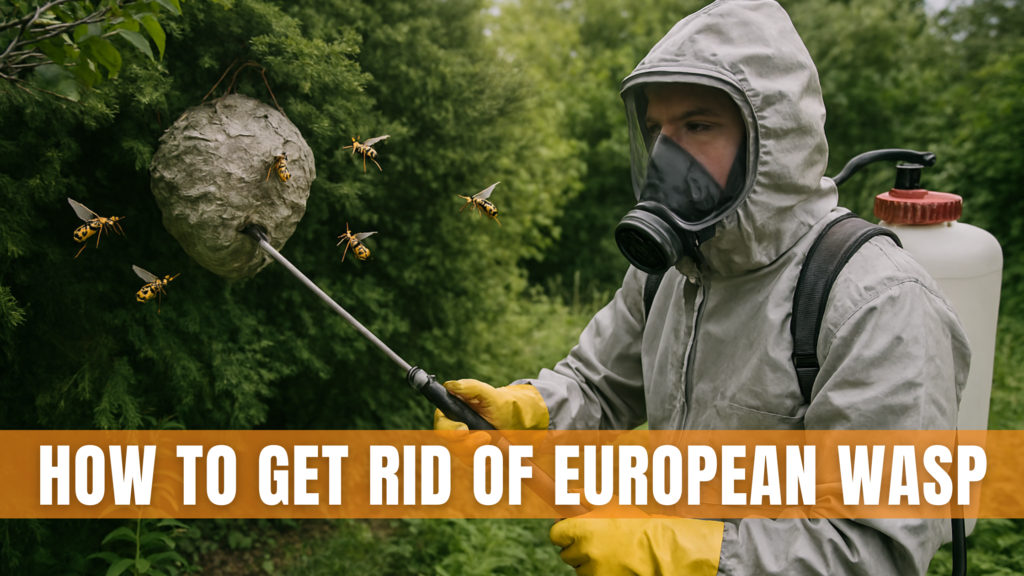
How To Get Rid Of European Wasps In Australia
European wasps are among the most troublesome pests homeowners encounter from summer through autumn in Sydney. These insects are notorious for invading outdoor gatherings, buzzing around food and drinks, and turning a relaxing BBQ with family or friends into an uncomfortable experience. What makes them even more concerning is their aggressive behaviour—when disturbed or threatened, European wasps can become highly defensive and sting repeatedly, making them a genuine safety risk for both adults and children.
Their presence around homes also raises a common question: do they have any benefits at all? While European wasps can help control certain insect populations by feeding on other pests, the problems they cause in residential areas often outweigh their ecological benefits. Their attraction to sugary foods, meat, and waste bins brings them into frequent contact with people, increasing the risk of painful stings. This is why many homeowners begin searching for how to get rid of European wasps and consider professional wasp control service to protect their families and outdoor living areas.
Before exploring effective strategies to manage or eliminate European wasps, it’s important to understand their behaviour, nesting habits, and why they’re drawn to human environments. Gaining this knowledge makes wasp control more effective and reduces the risks associated with dealing with nests or aggressive wasps directly. With the right approach or expert assistance, you can safely reclaim your outdoor spaces and enjoy your home without unwanted wasp activity.
What are European Wasp And Dangers Of European Wasp Sting ?
The European wasp is a highly aggressive wasp species that did not originate in Australia. First detected in Tasmania in 1959, they quickly spread across the mainland, with sightings recorded in South Australia, Victoria, New South Wales, and Western Australia by the late 1970s. Today, European wasps are firmly established throughout many regions of Australia and are considered a serious pest.
One major reason they thrive so successfully is the lack of natural predators. In Europe, harsh winters help regulate their population because only the queens typically survive the cold months in hibernation. In contrast, Australia’s milder climate allows nests to survive longer and grow larger, enabling colonies to expand rapidly and remain active for extended periods.
European wasps are commonly found around residential areas due to easy access to food provided by human activity. They are strongly attracted to sugary drinks, sweet foods, meat, and food scraps—making outdoor gatherings, picnics, and BBQs prime feeding grounds. This close contact with people significantly increases the risk of a European Wasp Sting, especially since these wasps are highly aggressive and capable of stinging multiple times. Unlike bees, European wasps do not die after stinging, allowing them to attack repeatedly when defending their nest or foraging for food.


Difference between European wasps and native wasps
Many harmless and beneficial native wasp species are often confused with European wasps because they share similar colours and size. One common example is the native yellow paper wasp, which closely resembles the European species. While confusion is understandable, recognising the difference is important before taking action, especially around your home.
Native wasps, including paper wasps, play a valuable role in the environment by helping with pollination and reducing garden pests such as caterpillars. However, even beneficial species can become a problem if their nests are built too close to living spaces, as paper wasps may sting when they feel threatened.
Key differences to help identify wasps before disturbing a nest:
- Body shape: Paper wasps are longer and slimmer, while European wasps are stockier.
- Antennae: Paper wasps have orange-brown antennae; European wasps have black antennae.
- Flight pattern: Paper wasps let their back legs dangle and often hover over gardens and water. European wasps tuck their legs in, fly quickly, and rarely hover.
- Nest comparison: Paper wasp nests are small and above ground, often the size of a golf ball to a side plate. A European wasp nest is usually hidden and can grow as large as a basketball or bigger.
Most Australian wasp species are solitary, non-aggressive, and best left undisturbed if their nest is safely out of reach.
Steps to Remove European Wasp Nest Away from Your Property
Reducing the chances of European wasp activity around your home starts with a few simple but effective preventive habits. There are several ways to get rid of wasp nest effectively. Wasps are constantly searching for food sources and sheltered nesting locations, so removing attractants and blocking access points can significantly reduce the risk of an infestation or the formation of a European wasp nest on your property.
Practical steps to prevent European wasps:
- Secure food and drinks outdoors:
Avoid leaving sweet foods, juices, soft drinks, or open drink cans unattended during picnics, BBQs, or outdoor gatherings, as sugary scents strongly attract foraging wasps. - Clean up fallen fruit:
Regularly collect fruit that drops from trees and shrubs, as European wasps are drawn to the sugars in ripened fruit left on the ground. - Seal entry gaps:
Repair cracks, holes, and gaps around walls, roofs, window frames, and eaves to prevent wasps from entering and potentially establishing a nest inside wall voids or roof spaces. - Cover rubbish and compost:
Use tight-fitting lids on rubbish bins and compost containers to limit access to food waste that attracts wasps. - Inspect regularly:
Check sheds, roof voids, garden beds, fences, and wall cavities during warmer months for early signs of nesting activity. - Never disturb a European wasp nest:
European wasps become extremely aggressive when threatened. If you discover a nest, avoid attempting DIY removal and seek professional advice on how to get rid of European wasp activity safely and effectively.
With consistent prevention, early detection, and professional pest control service support when needed, you can significantly reduce European wasp activity and protect your home and outdoor areas.
Treatment Process for European Wasp Infestations
European wasps are treated using a combination of safe nest removal and targeted insecticide treatments to ensure a European wasp infestation is eliminated without causing unnecessary risk to people or property. The first priority is always to locate the European wasp nest, as removing or neutralising the nest stops the colony from expanding and prevents ongoing wasp activity around the home or business.
Common professional steps used to treat European wasps:
- Identifying the nest location:
Trained technicians inspect the property to determine where the colony is established, whether underground, inside wall cavities, roof spaces, or sheltered outdoor areas. - Safe nest treatment or removal:
Once the nest is located, specialised equipment and controlled methods are used to destroy or treat it, preventing the colony from reproducing or defending the area. - Application of targeted insecticides:
After the nest has been neutralised, professional-grade insecticides formulated specifically for European wasps may be applied around entry points and high-activity zones to eliminate remaining workers and reduce the risk of reinfestation. - Environmental consideration:
Modern treatment methods are designed to minimise impact on native insects, pets, and the surrounding environment while effectively resolving the infestation.
Because European wasps are highly aggressive and capable of stinging multiple times, attempting to manage a European wasp infestation without proper training or protective equipment can be dangerous. For safety and long-term results, professional wasp control is strongly recommended whenever a nest is discovered or wasp activity becomes persistent.
Are European Wasps Dangerous to Humans?
Many people often wonder, are European wasps dangerous, and the answer is yes—particularly because they are far more aggressive than bees and will fiercely defend their nest when disturbed. Unlike bees, a single European wasp can sting multiple times without dying, increasing the risk of repeated attacks. Their sting usually causes sharp, burning pain along with redness and swelling, and multiple stings can lead to stronger reactions that may require medical attention. Although anaphylaxis—a severe allergic response—is relatively rare, it can be life-threatening for individuals allergic to wasps, bees, or ants. Those with known allergies are advised to carry an epinephrine auto-injector or prescribed medication when outdoors. Immunotherapy can also help reduce sensitivity over time.
In Australia, seven deaths related to wasp stings have been recorded over a twenty-year period, mostly involving people with known allergies who were without their preventive medication. Applying a cold pack can ease pain and swelling, but if symptoms escalate—such as breathing difficulties, dizziness, or facial swelling—immediate medical assistance is crucial.
Beyond health concerns, European wasps also create economic and environmental issues. They disrupt beekeeping, forestry, and horticulture, and interfere with natural ecosystems by competing for food and altering food chains. Their territorial behaviour increases human–wasp conflicts, making them a threat to both biodiversity and public safety.


How To Get Rid Of European Wasp Naturally
Using ways for how to get rid of European wasps naturally can help reduce wasp activity around your home without relying heavily on chemicals. While these methods may not eliminate a large or active nest, they can discourage wasps from building new nests and make your outdoor areas less attractive to them.
Effective natural remedies and prevention methods include:
- Peppermint oil spray:
Mix water with peppermint essential oil and spray around windows, doorways, outdoor dining areas, and roof eaves. The strong scent can repel wasps and discourage nesting. - Clove, geranium & lemongrass blend:
These oils create a natural wasp-repellent aroma. Add a few drops to cotton pads and place them in problem areas such as patios, decks, and sheds. - Vinegar and sugar trap:
A small container filled with vinegar, sugar, and water can attract and trap European wasps searching for food, reducing their numbers over time. - Remove food sources:
Keep outdoor eating areas clean, seal rubbish bins tightly, and collect fallen fruit to reduce wasp attractants. - Seal entry points:
Block cracks and gaps around roofs, walls, and sheds to prevent European wasps from accessing hidden nesting spots.
Natural methods work best as ongoing prevention. If a European wasp nest is already active, contact a professional for safe removal.
European Wasp Bite: Symptoms, Risks & Prevention
A European wasp bite—more accurately described as a sting—can be a painful and alarming experience, especially during the warmer months when wasp activity is at its peak. European wasps are highly aggressive and will sting repeatedly if they feel threatened or if their nest is disturbed. Unlike bees, they do not lose their stinger after attacking, which means a single encounter can result in multiple stings.
The symptoms of a European wasp bite typically include immediate sharp pain, redness, swelling, and itching around the affected area. In most people, these reactions are mild and settle within a few hours or days. However, some individuals may experience stronger reactions such as intense swelling, dizziness, nausea, or difficulty breathing, which require urgent medical attention. Children, the elderly, and people with allergies are especially vulnerable to severe reactions.
Preventing stings starts with understanding how to get rid of European wasp activity around your property. Avoid leaving food or sugary drinks uncovered outdoors, keep rubbish bins sealed, and regularly inspect your home for nests. If you discover a European wasp nest, never attempt to remove it yourself. Professional pest control services are trained to eliminate nests safely and effectively, reducing the risk of stings and helping protect your household from ongoing wasp activity.
Conclusion
Understanding how to get rid of European wasp problems in Australia begins with recognising their behaviour, reducing attractants, and taking action early before nests grow large. Simple preventive steps such as proper sanitation, removing food sources, using natural deterrents, and carrying out regular property inspections can help discourage wasps from settling. However, once a nest is established, professional treatment is the safest and most effective solution.
Because European wasps are highly aggressive, capable of stinging multiple times, and disruptive to both daily life and local environments, timely prevention and control are essential. Learning how to get rid of European wasp activity safely helps minimise risks to your family, pets, and visitors. With the right knowledge and professional support, you can protect your home and outdoor spaces, enjoy the warmer months comfortably, and significantly reduce the chances of future infestations.
About The Author

EMK Termite & Pest Control Team
EMK Termite & Pest Control Team is a licensed and experienced pest control service provider based in Sydney, Australia. Our team specialises in termite treatment, cockroach control, spider control, and general pest management for residential and commercial properties.
With years of hands-on experience, we follow Australian safety standards and use proven, eco-friendly pest control methods to deliver long-lasting results. All content published on this website is written and reviewed by trained pest control professionals to ensure accuracy, safety, and real-world expertise.
