
Content Updated: April 23, 2026
Do Cockroaches Bite? Signs, Symptoms and Treatment
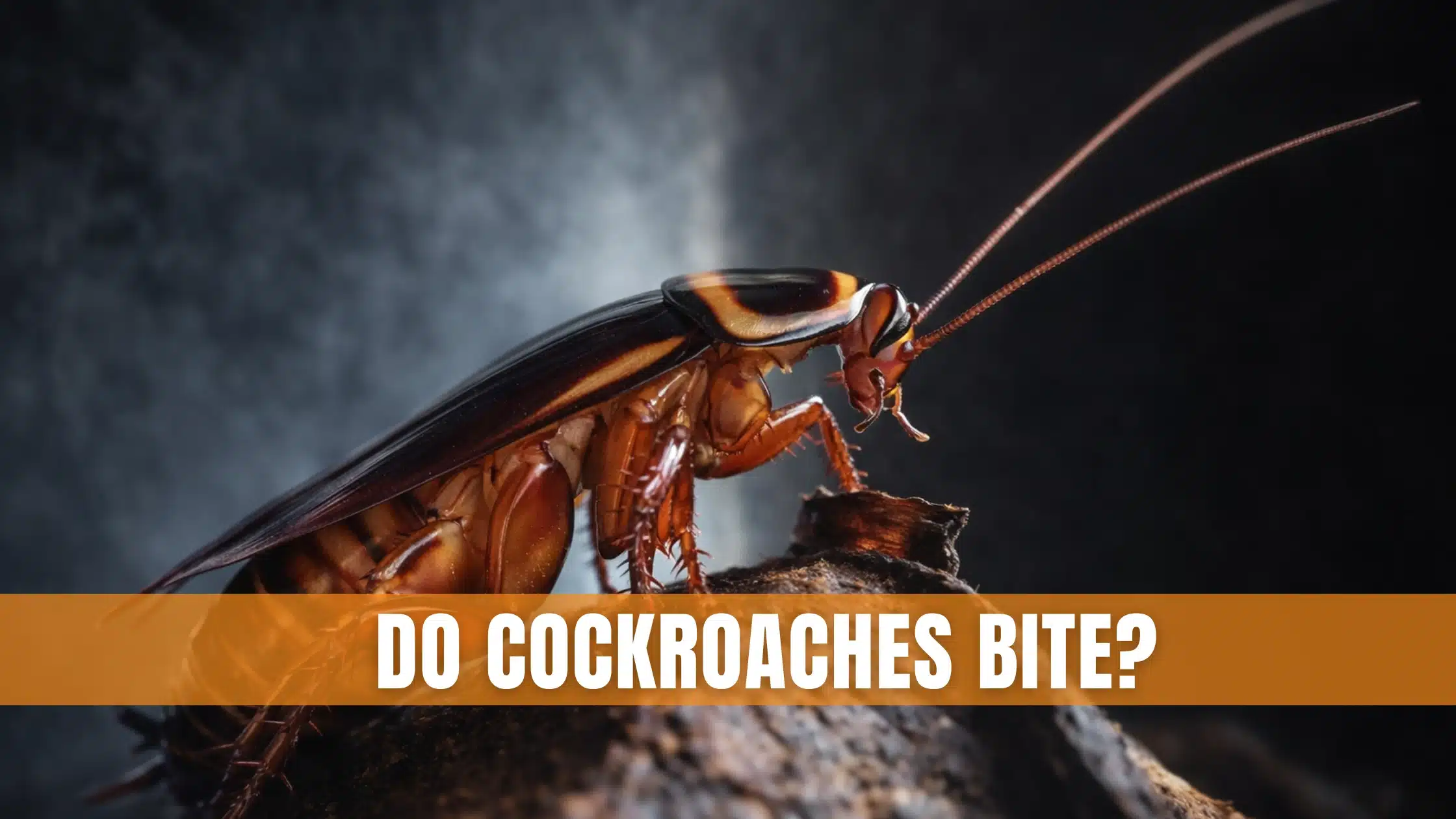
Cockroaches are among the most common and resilient household pests in Australia. Known for their ability to survive in harsh conditions and their tendency to hide in dark, damp areas, they are often associated with poor hygiene. This naturally leads many people to ask, Do cockroaches bite? If you’ve noticed cockroach activity in your home, it’s important to understand the potential risks, including the possibility of bites, the symptoms to watch for, and how to deal with them effectively.
While cockroach bites are not very common, they can occur, especially in heavily infested environments where food sources are limited. Understanding their behaviour and habits can help reduce the chances of such incidents and keep your living space safe.
In this article, we’ll explore the truth behind cockroach bites, how to identify signs of an infestation, the symptoms you might experience, and the best ways to treat and prevent the problem. Whether you’re dealing with an active infestation or simply want to stay informed, this guide will help you manage cockroach issues with confidence.
Do Cockroaches Bite Humans?
Yes, cockroaches can bite, but it’s important to understand that this behaviour is quite rare. Cockroaches are scavengers by nature and prefer feeding on decaying food, waste, and organic matter rather than human skin. They are not naturally aggressive and will only bite under specific conditions, such as when food is scarce or if they feel threatened.
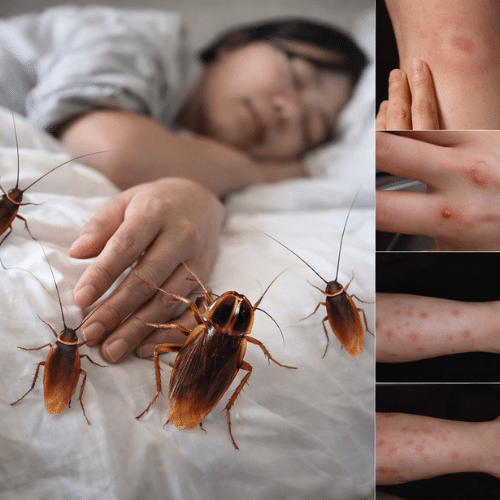
As opportunistic feeders, cockroaches may resort to biting as a last option when other food sources are unavailable. Since they are nocturnal, they are most active at night, which means any rare biting incidents usually occur while people are asleep. Bites, if they happen, are typically found on exposed areas like hands, feet, or the face.
Despite this, biting is not their preferred behaviour. Cockroaches are far more likely to search for food crumbs, garbage, and hidden spaces where they can thrive undisturbed.
To prevent such issues, it’s important to maintain cleanliness and take steps to eliminate cockroaches from your home. Reducing food sources, sealing entry points, and keeping your space hygienic can significantly lower the chances of cockroach activity and potential bites.
Why Do Cockroaches Bite?
Cockroaches may bite in rare situations, usually driven by their basic need for food and moisture. They are scavengers by nature, so biting is not typical behaviour, but it can happen under certain conditions.
Common reasons why cockroaches may bite:
- Lack of food: When food sources are limited, cockroaches may explore unusual options. If there are food particles, sweat, or residues on exposed skin, they may be drawn to it.
- Moisture attraction: Cockroaches are highly attracted to moisture. Areas like hands, feet, and the face can attract them due to sweat or natural oils on the skin.
- Disturbance or threat: If a cockroach feels trapped or disturbed ,especially at night or in tight hiding spaces,it may bite as a defensive reaction.
- Overcrowding: In heavy infestations, competition for food and space increases. This can lead to unusual behaviours, including occasional biting.
While these situations are uncommon, they highlight the importance of maintaining cleanliness and reducing infestations. Keeping your home dry, hygienic, and free from food waste can significantly lower the chances of cockroach activity and prevent such behaviour.
What Do Cockroach Bites Look Like?
Cockroach bites can sometimes be confused with bites from bed bugs or other insects, as they may look quite similar at first. However, there are a few differences that can help you identify the cause of those itchy red marks.
One of the most obvious ways to confirm a cockroach bite is by actually seeing the insect, but this is rarely possible since cockroaches are nocturnal and usually bite while you’re asleep.
In terms of appearance, cockroach bites are small, red, and slightly raised, typically around 1–4 mm in size. They can look similar to bed bug bites but are often a bit larger. A key difference is the pattern ,bed bug bites usually appear in clusters or straight lines, while cockroach bites tend to appear individually.
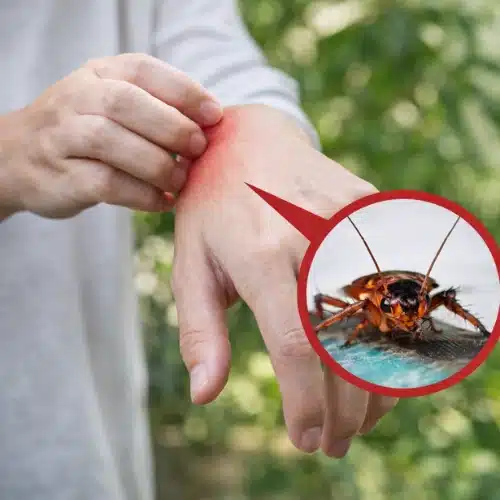
Like most insect bites, they can cause itching, redness, and mild swelling. In rare cases, if the bite becomes infected, the area may become more inflamed, painful, and filled with pus. If left untreated, the swelling can increase significantly.
If you notice unusual bite patterns or worsening symptoms, it’s important to monitor the area and take appropriate action.
German Cockroach Bites
German cockroaches are among the most common household pests worldwide. They usually feed on sugary and starchy foods, but in rare situations, they may bite humans. This typically happens during severe infestations when food sources are limited. In such cases, German cockroaches may be attracted to food residues on the face or hands of sleeping individuals, as well as dead skin particles. While this behaviour is uncommon, it highlights the importance of maintaining cleanliness and controlling infestations early.
American Cockroach Bites
American cockroaches are another widely found species across the world. They typically feed on decaying matter, including dead animals and fermented or spoiled food. Similar to German cockroaches, they may occasionally bite humans, but this is rare and usually happens only when food sources are scarce or when they come across food residue on the skin.
Are Cockroach Bites Dangerous?
Compared to mosquito or tick bites, cockroach bites are generally not considered dangerous. Cockroaches do not transmit diseases directly through their bites like some other insects do. However, that doesn’t mean they are completely harmless.
Cockroaches are known to live in unsanitary environments and can carry a wide range of germs, bacteria, and pathogens on their bodies. They can spread illnesses such as salmonella through their droppings, urine, vomit, and sometimes saliva. These contaminants can enter the body through open wounds, contaminated food, or even by inhaling particles in heavily infested areas.
Another concern is allergic reactions. Cockroaches can trigger allergies in some people, especially those who are sensitive to the proteins found in their saliva, shed skin, or droppings. In some cases, a bite may cause irritation, swelling, or an allergic response, although this is not very common.
Overall, while cockroach bites themselves are not a major health threat, the presence of cockroaches in your home can pose hygiene and health risks. Keeping your living space clean and addressing infestations early is essential for maintaining a safe environment.
What Are the Symptoms of Cockroach Bites?
Although cockroach bites are rare, it’s important to understand the possible symptoms and how your body may react if one occurs. Most reactions are mild, but awareness helps you manage the situation properly.
Common Symptoms of Cockroach Bites:
- Redness and swelling: The bite area may become red and slightly swollen as part of the body’s natural inflammatory response.
- Itching and discomfort: You may feel itching around the bite. Scratching can worsen irritation or increase the risk of infection, so it’s best to avoid it.
- Pain or tenderness: Some bites can cause mild to moderate pain, especially if they occur on sensitive areas like the fingers, toes, or face.
- Allergic reactions: In some cases, people may react to proteins in cockroach saliva. This can lead to symptoms such as rashes, hives, or, in rare situations, breathing difficulty.
- Risk of infection: If the bite breaks the skin, there is a chance of infection. Cockroaches can carry bacteria like Salmonella and E. coli, which may enter the body through the wound.
While most symptoms are minor and temporary, it’s important to keep the area clean and monitor for any unusual reactions.
How to Treat Cockroach Bites?
While cockroach bites are not usually serious, it’s still important to treat them properly to avoid irritation or infection. Taking quick action can help your skin heal faster and prevent complications.
Steps to Treat Cockroach Bites:
- Clean the Area
Start by washing the bite with soap and water. This removes dirt, bacteria, and any germs that may have been transferred. - Apply Antiseptic
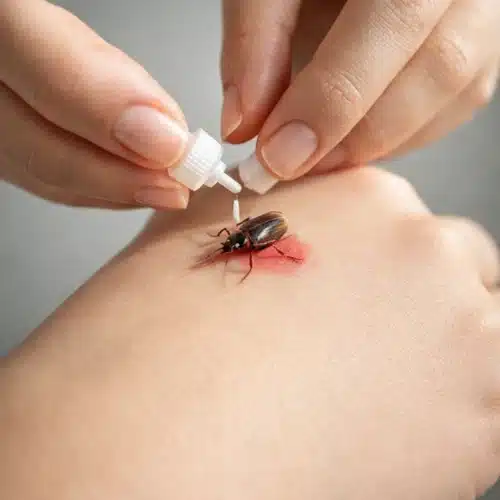
Use an antiseptic cream or solution to reduce the risk of infection. You can also apply a mild hydrocortisone cream to calm redness and swelling. - Use a Cold Compress
Place a cold compress or an ice pack (wrapped in a cloth) on the bite for 10–15 minutes. This helps reduce swelling and soothes discomfort. - Relieve Itching
If the bite is itchy, apply anti-itch creams or calamine lotion. These can provide relief and prevent further irritation. - Monitor the Bite
Keep an eye on the area. If you notice increased redness, swelling, or pus, it may indicate infection and should be checked by a doctor. - Watch for Allergic Reactions
In rare cases, if symptoms like severe swelling, hives, or breathing difficulty occur, seek immediate medical attention. Antihistamines may help manage mild reactions.
How to Prevent Cockroach Bites
The best way to prevent cockroach bites is to deal with the root cause ,an active cockroach infestation. By reducing their presence in your home, you also reduce the chances of any contact or bites.
Effective Prevention Methods:
- Maintain Cleanliness
Cockroaches are attracted to food crumbs, grease, and waste. Keep your home clean, especially the kitchen. Wipe surfaces, sweep floors regularly, and store food in sealed containers. - Seal Entry Points
Even tiny gaps can allow cockroaches to enter. Seal cracks around doors, windows, and walls, and install door sweeps to block entry points. - Reduce Moisture
Cockroaches thrive in damp environments. Fix leaking pipes, taps, and drains, and avoid leaving standing water in sinks or other areas. - Use Traps and Baits
Place cockroach traps or bait stations in common hiding spots like under sinks, behind appliances, and in dark corners to help control their population. - Call Professional Pest Control
If the infestation persists, it’s best to seek expert help. Professional services can provide targeted treatments to safely eliminate cockroaches and prevent them from returning.
Taking these steps consistently will help keep your home clean, safe, and cockroach-free.
Conclusion
Cockroach bites are uncommon, but they can occur in certain situations, especially when infestations are severe. If a bite does happen, it’s important to treat it promptly to reduce irritation and avoid infection. The most effective approach, however, is prevention. Keeping your home clean, sealing entry points, and fixing moisture issues can significantly reduce the chances of cockroach activity.
If you’re dealing with a larger infestation or ongoing problems, professional help is the best solution. Expert treatment ensures the issue is handled thoroughly and prevents it from returning.
Worried about cockroach bites or signs of an infestation? Don’t delay. Contact EMK Termite & Pest Control Sydney for reliable and effective pest control services. Our experienced team will help you eliminate cockroaches and keep your home protected long-term.
About The Author

EMK Termite & Pest Control Team
EMK Termite & Pest Control Team is a licensed and experienced pest control service provider based in Sydney, Australia. Our team specialises in termite treatment, cockroach control, spider control, and general pest management for residential and commercial properties.
With years of hands-on experience, we follow Australian safety standards and use proven, eco-friendly pest control methods to deliver long-lasting results. All content published on this website is written and reviewed by trained pest control professionals to ensure accuracy, safety, and real-world expertise.