
Content Updated: April 13, 2026
“White Ants” Complete Guide for Australian conditions
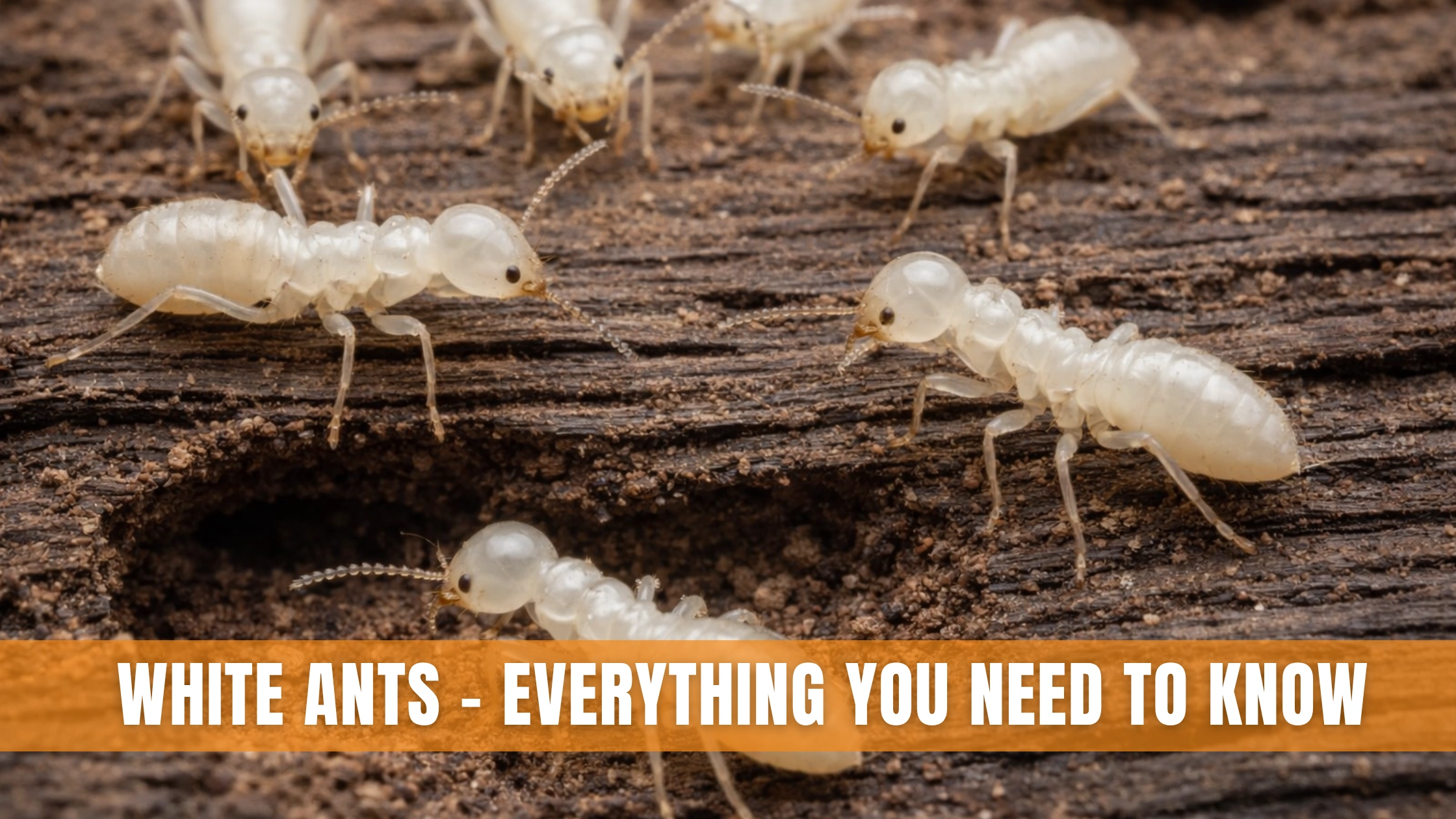
White ants, commonly known as termites, are among the most destructive pests affecting homes and properties, especially in Australia. These tiny insects may seem harmless at first glance, but they have the ability to cause extensive structural damage by feeding on wood and other cellulose-based materials. Often working silently and out of sight, white ants can remain undetected for months or even years while steadily weakening the integrity of a building.
Understanding white ants is essential for every homeowner, as early detection and prevention can save thousands of dollars in repair costs. There are hundreds of termite species, but only a few are responsible for damaging homes. These pests typically live in colonies and can build complex networks inside walls, floors, and underground tunnels, making them difficult to spot without professional help.
In this blog, we’ll cover everything you need to know about white ants, including how to identify them, signs of infestation, why they are so dangerous, and the most effective ways to prevent and control them. Whether you’re dealing with an active infestation or simply want to protect your property, this guide will help you stay informed and prepared.
What Are White Ants?
White ants, despite their misleading name, are actually termites. These small, pale insects belong to the order Blattodea, which also includes cockroaches. In nature, termites play a vital role by breaking down dead wood and recycling nutrients back into the soil. However, when they invade homes and buildings, they quickly become a serious pest problem.
White ants live in highly organised colonies made up of a queen, workers, and soldiers. Each group has a specific role, with workers responsible for feeding on wood and other cellulose materials, often causing significant structural damage over time. Their ability to remain hidden while continuously feeding makes them particularly dangerous for property owners.
In Australia, there are several termite species, but subterranean termites are the most common and destructive. These termites typically live underground and build protective mud tunnels to travel between their nest and food sources. This allows them to enter homes undetected, often causing extensive damage before any visible signs appear. Understanding their behaviour is key to early detection and effective control.
What Do White Ants Look Like?
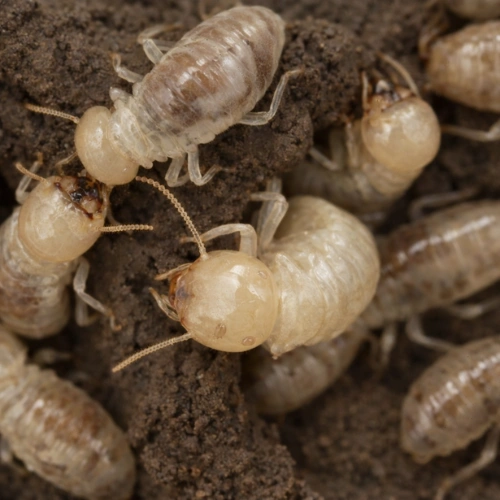
When asking What Do White Ants Look Like?, many people are surprised to learn that they closely resemble black ants in both shape and size. Most white ants, or termites, measure around 4 to 10 mm in length and are usually white or cream in colour, making them lighter than typical ants. However, their heads can sometimes appear darker, with shades of brown or orange. Unlike black ants, white ants have a thicker, more uniform body without a narrow waist, which gives them a slightly bulkier appearance.
Because there are many termite species in Australia, proper identification is essential before taking any action. Each species behaves differently and may require a specific treatment method, so rushing the process can lead to ineffective results. Misidentifying white ants can even allow the infestation to worsen over time.
It’s also worth noting that not every insect that looks like a termite is actually one. Some ants and other pests can appear very similar at first glance. That’s why it’s always best to seek a professional inspection. An expert can accurately determine whether you’re dealing with white ants and recommend the most effective solution to protect your home.
When Is White Ant Season?
The term “White Ants Australia” is commonly associated with the white ant season, a period when termites are most active, usually during the warmer summer months. During this time, white ants thrive, reproduce rapidly, and expand their colonies. As their population grows, winged termites—also known as swarmers—leave their nests in large numbers to search for new nesting sites and food sources. This is when homes are at greater risk, as a passing swarm can quickly settle and begin causing damage without immediate signs.
Some species, such as drywood termites, are particularly active in late summer and are often linked to this seasonal increase in activity. However, termite problems are not limited to just the white ant season. Even in cooler weather, established colonies can continue feeding on timber hidden inside walls, floors, and foundations.
For this reason, regular inspection of your home is essential throughout the year. Termite damage is often unnoticed and may have been occurring for months before detection. Staying proactive with routine checks and professional termite treatment can help identify infestations early and protect your property from costly structural damage.
White Ants Are Exceptionally Destructive Pests In Australian Homes
Subterranean termites, commonly known as white ants, are among the most destructive pests affecting timber structures. These insects can cause severe damage in a surprisingly short time, with reports showing they can compromise major wall and roof framing within just a few months of construction. In Australia, white ants are responsible for more structural timber damage than all major natural disasters combined, including fires, floods, and storms. They are widespread across the mainland, especially in urban areas, making them a serious concern for homeowners. Even more concerning is that most insurance policies do not cover termite-related damage, leaving property owners to bear the repair costs.
White ants build a central underground colony and extend tunnels outward, sometimes up to 100 meters, in search of food sources like wood and other cellulose materials. They can also establish above-ground nests in moist areas such as leaking pipes, wall cavities, or faulty gutters. To survive, they travel through protective mud tubes that shield them from predators and maintain the humidity they need.
Highly secretive, white ants often enter homes through hidden points like cracks in concrete, expansion joints, or hard-to-access areas. Even a tiny 2 mm gap is enough for them to invade and cause extensive unseen damage.
Where Can White Ants Be Found?
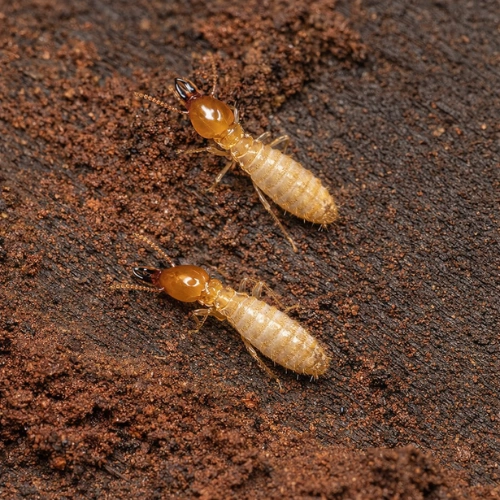
White ants can be found not only inside homes but also in surrounding environments such as nearby trees, old tree stumps, timber sleepers, discarded building materials, and areas with excess moisture ,like around a leaking hot water system. These conditions create the perfect habitat for termites to thrive. From their nests, white ants can travel distances of up to 100 metres in search of cellulose, a material commonly found in wood. Unfortunately, this often leads them directly to the structural timber within homes, where they can cause significant and costly damage.
Urban areas tend to experience a high number of termite infestations, as established homes provide a consistent source of food and shelter. However, this does not mean that newly built properties are immune. In fact, new developments can also be at risk, especially if there are nearby termite colonies or if construction materials and conditions unintentionally attract them.
Because white ants can originate from both inside and outside your property, it’s important to remain vigilant. Regular inspections, proper maintenance, and eliminating moisture issues can significantly reduce the risk of an infestation and help protect your home from long-term structural damage.
How Do White Ants Enter Your Home?
White ants can find their way into your home through a variety of entry points, often without being noticed. These pests are highly adaptable and can exploit even the smallest gaps or hidden openings to gain access to timber and other cellulose materials inside your property. Because they work silently and remain out of sight, infestations can develop long before any visible signs appear.
Common entry points for white ants include:
- Gaps around doors and door frames
- Openings around pipes and utility lines entering the home
- Air vents and ventilation systems
- Cracks or gaps around windows and window frames
Some species, particularly subterranean termites, travel through soil and construct mud tunnels to reach your home. This means their entry path may be completely hidden underground or disguised with dirt, making detection even more difficult.
Another overlooked risk is bringing infested items into your home. Wooden furniture, second-hand items, or even stored timber can unknowingly carry termites. It’s important to inspect such items carefully before bringing them indoors.
By understanding how white ants enter your home, you can take preventive measures such as sealing gaps, maintaining your property, and scheduling regular inspections to reduce the risk of infestation and protect your investment.
Signs of White Ant infestation
White ants rarely leave environments that provide the conditions they need to survive, which is why a white ant infestation can go unnoticed for long periods. They prefer to stay hidden within timber and other protected areas, quietly feeding and expanding their colonies. As a result, your home’s wood may look perfectly normal on the outside while being extensively damaged on the inside.
There are several key signs that can help you detect a white ant infestation early:
- Timber that sounds hollow or papery when tapped, indicating internal tunnelling
- Wood that appears intact externally but is weakened from the inside
- Increased termite activity after humid weather or storms, when swarms may emerge
- Discarded wings near windows, doors, or floors, left behind by flying termites
- Mud tubes or dirt trails along walls, foundations, or other surfaces
- Small piles of soil around the perimeter of your home
Many termite species depend on moisture and humid conditions, making damp areas especially vulnerable to attack. Because these pests are so secretive, early detection is crucial. By keeping an eye out for these warning signs and arranging regular inspections, you can identify problems sooner and protect your property from costly structural damage.
What are the specifics and history of Australian White Ants (Termites)?
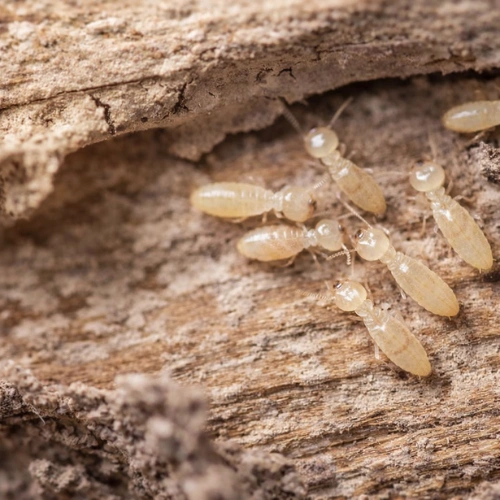
The biology of Australian white ants, commonly known as subterranean termites, is both complex and fascinating. Despite their name, they are not ants but evolved from ancient cockroach species and are highly adapted to life underground. A white ant infestation thrives due to their organised social structure and constant feeding on wood and cellulose materials.
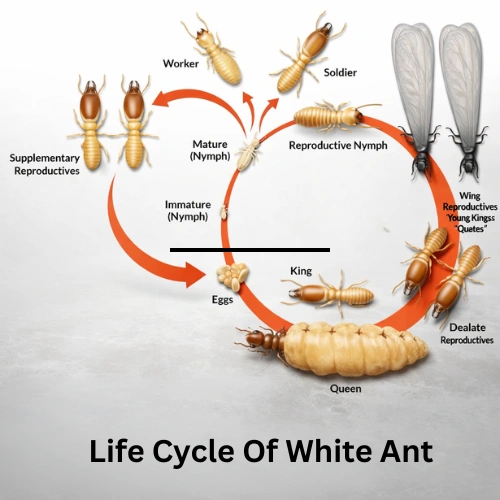
Inside a termite colony, there is a well-defined caste system where each member has a specific role:
- Queen and King: The queen can live over 25 years and lay up to 2,000 eggs daily, while the king remains by her side in the central chamber
- Workers: Blind, wingless termites (3–4 mm long) responsible for feeding, tunnel building, nest maintenance, and caring for the colony
- Soldiers: Recognisable by their large, orange heads and strong mandibles, they defend the colony from threats
- Swarmers (Alates): Winged termites that emerge during warm, humid evenings to form new colonies
Worker termites operate continuously, 24/7, ensuring the survival and growth of the colony. Swarmers are often the most visible sign of activity, especially during summer, and indicate a nearby mature nest. If you notice swarming termites or any signs of activity, it’s crucial to act quickly and arrange a professional inspection to prevent severe structural damage to your property.
What is the life cycle and Behaviour of Australian White Ants (Termites)?
Understanding the life cycle and behaviour of Australian white ants (termites) is essential for detecting and preventing a white ant infestation. These pests operate in highly organised colonies and follow a structured life cycle that allows them to grow rapidly and remain hidden while causing damage.
The life cycle of white ants includes several key stages:
- Egg Stage: The queen lays thousands of eggs daily, ensuring rapid colony growth
- Nymph Stage: Young termites hatch and develop into different castes based on the colony’s needs
- Adult Stage: Mature termites become workers, soldiers, or reproductive swarmers
Their behaviour is equally strategic and destructive:
- Constant Feeding: Worker termites feed on wood and cellulose 24/7, causing continuous damage
- Hidden Movement: They travel through mud tubes and underground tunnels to stay protected from light and predators
- Moisture Dependence: Many species require humid conditions, making damp areas highly vulnerable
- Swarming Activity: Winged termites (alates) emerge during warm, humid weather to form new colonies
- Colony Expansion: Termites can spread up to 100 metres from their nest in search of food
Because of their secretive nature, a white ant infestation can remain undetected for long periods. Regular inspections and early intervention are crucial to prevent serious structural damage and protect your home effectively.
What Are The Main Types of White Ant Species Found in Australia
Australia is home to a wide variety of termites, and understanding the types of white ant species found in Australia is essential for protecting your property from damage. While many species exist, only a few are responsible for most structural issues and white ant infestation cases. Each species behaves differently, which is why correct identification is so important.
The most common types of white ants include:
- Subterranean Termites: The most destructive species, living underground and building mud tunnels to reach timber in homes
- Drywood Termites: Do not require soil contact and live directly inside dry wood, including furniture and structural timber
- Dampwood Termites: Thrive in moist, decaying timber, often found in areas with leaks or high humidity
- Formosan Termites: Highly aggressive and capable of forming large colonies that cause rapid structural damage
- Conehead Termites: An invasive species known for fast colony spread and attacking multiple materials
Among these, subterranean termites are the most common and damaging across Australia. They can remain hidden for long periods while continuously feeding on timber.
Knowing the types of white ant species found in Australia helps homeowners take the right preventive steps and choose effective treatments to avoid costly repairs.
How To Conduct A Termite Inspection
If you’re concerned about Sydney white ants, carrying out a basic termite inspection yourself can help you detect early warning signs before serious damage occurs. While professional inspections are recommended, a careful DIY check can still provide valuable insights if done thoroughly and methodically.
To inspect your home effectively, follow these steps:
- Move furniture away from walls to check skirting boards, corners, and hidden areas
- Tap on timber surfaces and listen for hollow sounds or movement inside
- Look for visible damage such as cracked paint, broken plaster, or signs of moisture and leaks
- Inspect door frames, windows, and flooring for any unusual changes or weakness
When checking outdoors, expand your Termite Inspection by:
- Looking for mud tubes or small piles of dirt around foundations and walls
- Testing soft or raised soil areas around your property for hidden activity
- Examining tree branches, stumps, and nearby timber where termites may nest
- Checking any stored wood, firewood, or debris in your yard for signs of infestation
Regular inspections, both inside and outside, can help you spot issues early. However, since termites are often hidden, combining your own checks with a professional Termite Inspection is the best way to ensure complete protection for your property.
Are White Ants and Termites the Same?
A common question many homeowners ask is, Are White Ants and Termites the Same? The simple answer is yes ,but the term “white ants” is actually misleading. White ants are not ants at all; they are termites. The confusion comes from their pale, creamy-white appearance, which makes them look similar to ants at first glance. However, scientifically, termites belong to a completely different group of insects and are more closely related to cockroaches than ants.
Understanding this difference is important because termites behave very differently from typical ants. While ants are often a nuisance, termites are highly destructive pests that feed on wood and other cellulose materials. This makes them a serious threat to homes and buildings, especially when left undetected.
Another key distinction is their social structure and feeding habits. Termites live in large, organised colonies and work continuously to consume timber from the inside out, often without visible signs. This hidden activity is what makes them far more dangerous than common ants.
So, while the name “white ants” is widely used, it’s important to recognise that they are actually termites and they require professional attention to prevent costly structural damage.
DIY White Ant Treatment and Control
Attempting a DIY white ant treatment without proper training can be risky and often produces inconsistent results. Termites are complex pests, and incorrect handling may worsen the infestation. While professional help is always recommended, if you choose to try treating them yourself, here are some common methods:
- Apply Termite Bait:
Mix bait with bottled water (not tap water, as chemicals can repel termites) and place it in active areas. Leave it for 4–6 weeks and keep replenishing until feeding stops. Popular options include Nemesis or Sentricon systems. - Dust with Termiticide:
Carefully apply termiticide dust to active termites. These termites will carry the chemical back to the colony, spreading it to others. This process requires patience and consistent application over 2–3 weeks. Avoid highly toxic options like arsenic dust—safer alternatives include Premise or Termidor. - Treat the Nest Directly:
Inject termite insecticide into the nest or sub-nest, ideally targeting the main colony where the queen resides. This method can eliminate the entire colony within about six weeks.
After any white ant treatment, installing a protective termite barrier around your property is essential. For best results and long-term protection, always consider combining DIY efforts with professional termite control services.
Why Professional White Ants(Termite) Inspections Are Crucial
While inspecting your home for termites is important, a professional inspection provides a much deeper and more accurate assessment. Trained experts know exactly where to look and can identify even the earliest, hidden signs of termite activity that are often missed during a basic check. Their experience and specialised tools allow them to detect infestations before they become severe, helping to protect your property from costly structural damage.
EMK Termite & Pest Control Sydney offers thorough and reliable termite inspections designed to safeguard your home from these destructive pests. Their team uses proven methods to assess risk areas, identify active infestations, and recommend customised treatment solutions based on your property’s condition.
Regular professional inspections are one of the most effective ways to prevent long-term damage. By scheduling routine checks with EMK Termite & Pest Control Sydney, you can catch potential issues early and take immediate action. This proactive approach not only protects your investment but also provides peace of mind, knowing your home is being monitored by experienced pest control specialists dedicated to keeping termites under control.
About The Author

EMK Termite & Pest Control Team
EMK Termite & Pest Control Team is a licensed and experienced pest control service provider based in Sydney, Australia. Our team specialises in termite treatment, cockroach control, spider control, and general pest management for residential and commercial properties.
With years of hands-on experience, we follow Australian safety standards and use proven, eco-friendly pest control methods to deliver long-lasting results. All content published on this website is written and reviewed by trained pest control professionals to ensure accuracy, safety, and real-world expertise.