
Content Published : July 23, 2026
What Do Snails Eat?
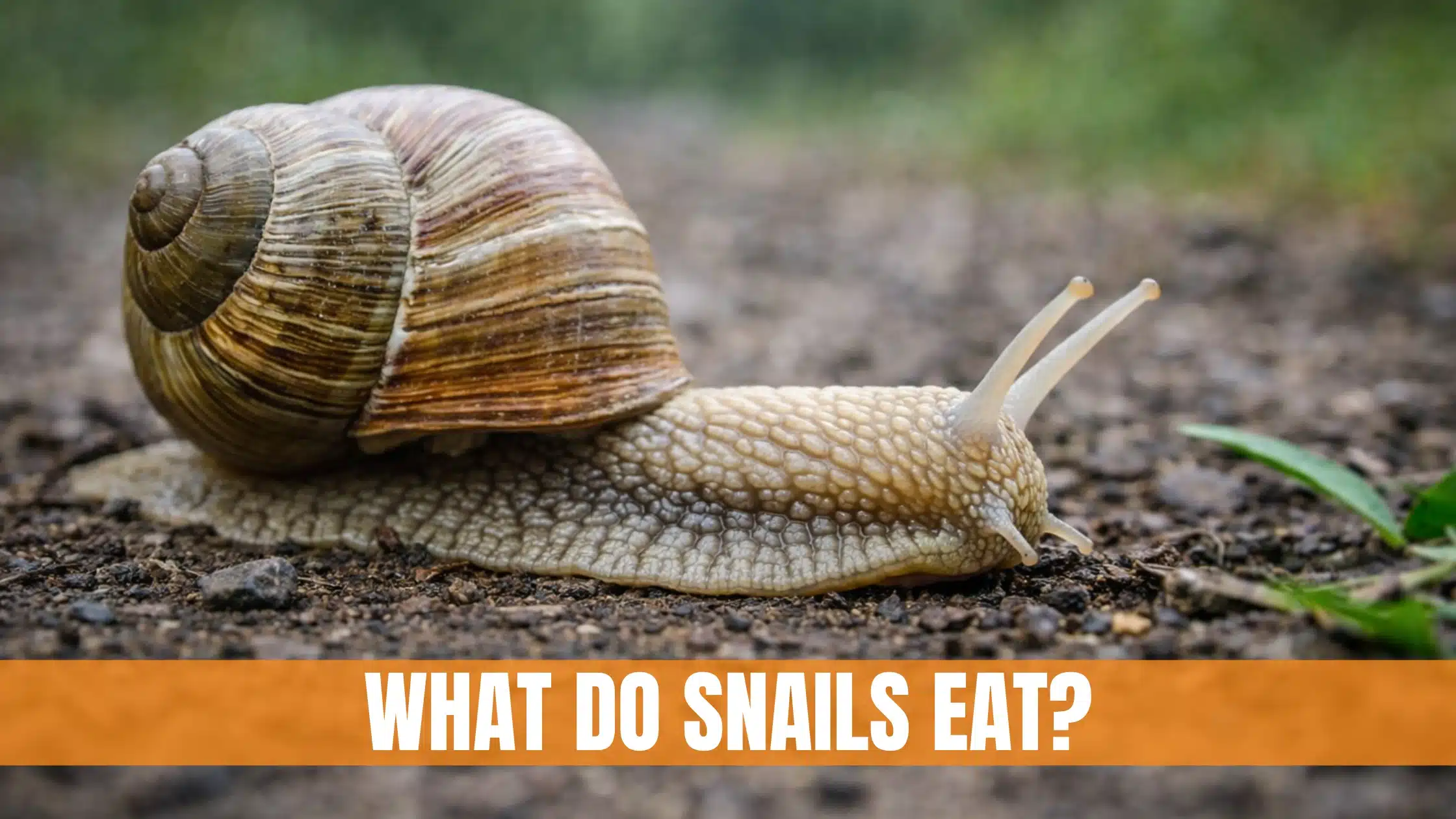
Snails have diverse diets that vary depending on their species and habitat. Most land snails found in gardens are herbivores, feeding on a wide range of fresh vegetation, including leaves, stems, bark, mushrooms, berries, lettuce, and other crops. Young snails are especially active feeders and can cause significant damage to gardens and ornamental plants.
Aquatic snails also rely mainly on plant matter for food. Freshwater species commonly consume floating and submerged plants such as duckweed, azolla, and water lettuce, while marine snails feed on seaweed and other aquatic vegetation. Many aquatic snails also graze on algae growing on rocks, logs, and other underwater surfaces, helping maintain a balanced ecosystem.
Some snail species are detritivores, meaning they feed on decaying organic matter like dead leaves and plant debris. This natural behaviour helps recycle nutrients in the environment.
Not all snails are herbivores, however. Certain species are carnivorous and prey on smaller invertebrates, including slugs, earthworms, and even other snails. Some carnivorous snails, such as Haplotrema concavum, have even been observed displaying cannibalistic behaviour by feeding on other snail species. Understanding what snails eat can help homeowners and gardeners identify potential risks and implement effective snail control strategies.
How Snails Eat
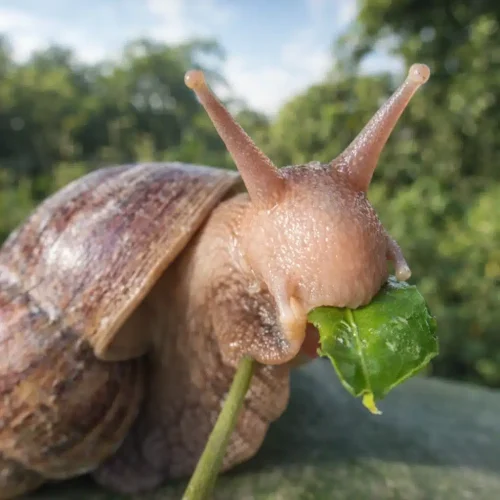
Snails have a unique feeding system that allows them to consume a wide variety of foods. Although their mouths are small and located at the base of their heads, they contain a specialised tongue-like organ called the radula. This remarkable structure is covered with thousands of microscopic tooth-like ridges that function like coarse sandpaper, enabling snails to scrape, cut, and grind food efficiently.
When feeding, a snail moves its radula back and forth across the food surface, scraping off tiny particles of plant material, algae, fungi, or even animal tissue. These food particles then pass through the mouth and oesophagus before reaching the digestive system, where nutrients are absorbed. This feeding method allows snails to consume a diverse diet, from soft leaves and vegetables to algae growing on rocks and submerged surfaces.
Carnivorous snails have an even more powerful radula capable of drilling through the hard shells of prey such as clams, oysters, mussels, and other molluscs. They also prey on slugs, worms, and smaller snails. Over time, the tiny teeth on the radula wear down through constant use, especially in carnivorous species. Fortunately, snails continually regenerate these tooth-like ridges, ensuring they can keep feeding effectively throughout their lives. Understanding how snails feed can help homeowners identify their behaviour and support effective snail control strategies.
Quick Facts About Snails
Scientific Group: Snails belong to the gastropod mollusc family, which includes land snails, freshwater snails, sea snails, and slugs.
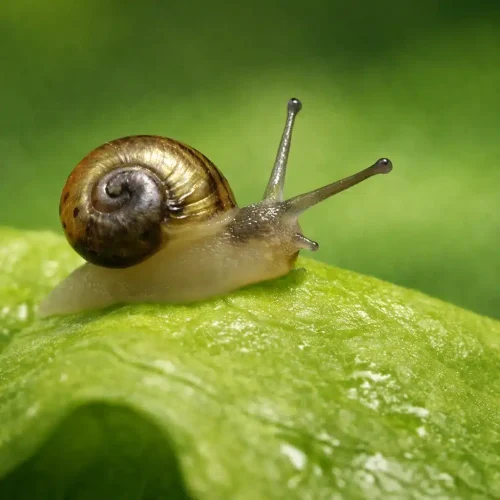
Appearance: Snails have a soft body, a muscular foot for movement, tentacles, a protective mantle, and a coiled shell. They feed using a specialised tongue-like organ called a radula, which is covered with thousands of tiny tooth-like structures.
Size: Land snails found in Sydney vary in size, ranging from just a few millimetres long to several centimetres in shell diameter, depending on the species.
Diet: Snails have diverse feeding habits. Native species often eat fungi, algae, lichens, and decaying organic matter, while introduced species commonly feed on fresh leaves, flowers, vegetables, fruits, and other garden plants.
Habitat: Snails thrive in cool, damp environments and are commonly found under rocks, logs, bark, leaf litter, garden beds, soil, bushland, and near waterways where moisture is abundant.
Life Cycle: Most land snails hatch from eggs into tiny juveniles that resemble adult snails. Many species are hermaphrodites, meaning each snail has both male and female reproductive organs, allowing successful reproduction under suitable conditions.
Adaptations: A hard protective shell, mucus production, and a preference for moist habitats help snails reduce water loss, protect themselves from predators, and survive in changing environmental conditions.
Where Do Snails Live?
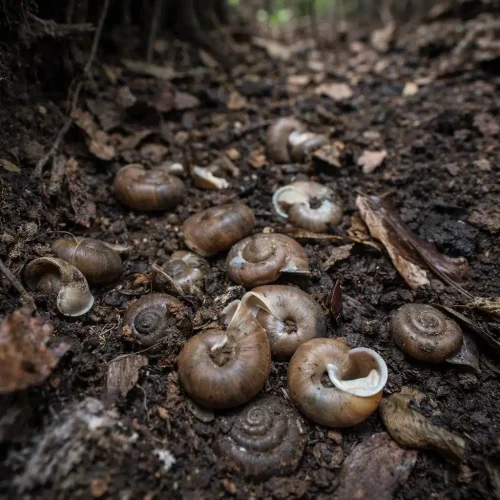
Snails thrive in cool, damp environments because their soft bodies lose moisture quickly and can easily dry out in hot or dry conditions. To stay hydrated and protected, they seek shelter in shaded locations such as leaf litter, loose soil, under rocks, fallen logs, tree bark, and dense vegetation. These hiding places provide the moisture and protection snails need to survive and reproduce.
In Sydney, natural areas like Lane Cove National Park, Field of Mars Reserve, and other bushland reserves offer ideal snail habitats. Shaded gullies, creek edges, rotting logs, fungi, and thick native ground cover create the perfect environment for both native and introduced snail species. Around residential properties, snails are also commonly found in gardens, mulch, compost piles, and damp garden beds. Reducing excess moisture, removing debris, and maintaining your garden can help make your property less attractive to snails and minimise the risk of infestations.
What is the Life Cycle of a Snail?
The snail life cycle begins when adult snails lay small, round eggs in cool, damp, and sheltered locations where they are protected from predators and harsh weather. Common nesting sites include moist soil, leaf litter, under logs, beneath rocks, compost, and dense garden vegetation. These humid environments provide the ideal conditions for successful egg development.
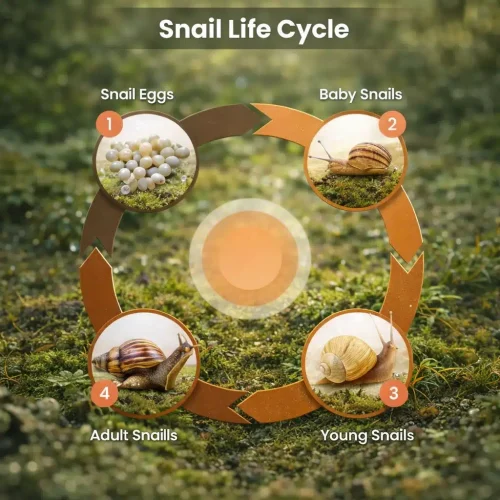
The life cycle of a snail consists of several stages:
- Egg Stage: Adult snails lay clusters of small white or translucent eggs in moist, protected areas. Depending on the species and environmental conditions, the eggs typically hatch within two to three weeks.
- Hatchling Stage: Newly hatched snails emerge with tiny, soft shells that gradually harden. They resemble miniature adults and begin feeding almost immediately.
- Juvenile Stage: Young snails grow steadily by consuming plants, fungi, algae, and decaying organic matter. As they grow, they continuously add new layers of calcium to strengthen and enlarge their shells.
- Adult Stage: Once fully mature, snails begin reproducing and continue the life cycle by laying eggs in suitable habitats. Many land snail species are hermaphrodites, meaning each snail has both male and female reproductive organs, allowing successful reproduction when conditions are favourable.
Understanding the snail life cycle helps homeowners identify infestations early and implement effective snail control before populations become established in gardens or around the home.
What Do Baby Snails Eat?
Baby snails have different nutritional needs from adult snails, especially during the first few days after hatching. Newly hatched snails remain in their underground nesting chamber, where they begin feeding on the remains of their eggs. These eggshells are rich in calcium, an essential mineral that helps strengthen and develop their delicate shells. In some species, baby snails may also consume unhatched eggs or non-viable siblings, providing additional nutrients that improve their chances of survival.
As they continue to grow, young snails leave the nesting site and begin searching for food above ground. Their diet depends on the species and surrounding habitat, but commonly includes:
- Soft leaves and tender plant shoots
- Algae and fungi
- Decaying organic matter
- Moss and lichens
- Fresh vegetables and garden plants
- Fallen fruit and other plant material
Baby snails require moist environments to survive and feed effectively, making gardens, mulch, compost, and shaded areas ideal habitats. As they mature, they continue to consume calcium-rich materials alongside vegetation to support shell growth. Understanding what baby snails eat and where they develop can help homeowners detect snail activity early and implement effective snail control measures before young snails grow into larger, damaging populations.
What Do Snails Drink?
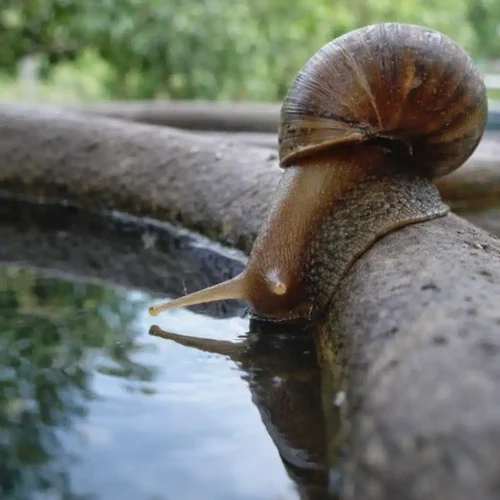
Like all living creatures, snails need water to survive. In fact, a snail’s body is made up of nearly 90% water, making proper hydration essential for its movement, growth, and overall health. While snails obtain much of their moisture from the food they eat, they also absorb water through their skin and drink directly from water sources when needed.
Snails rely on water to:
- Maintain healthy body functions
- Keep their blood circulating properly
- Prevent dehydration
- Produce mucus for smooth movement
- Support shell growth and overall development
During hot or dry weather, snails actively seek damp, shaded environments to avoid losing moisture. They are commonly found in gardens, under logs, beneath rocks, or in leaf litter where humidity levels remain high.
A dehydrated snail becomes sluggish and may stop moving altogether. Signs of dehydration include a stretched, thinner-looking body and reduced activity. If you find a dehydrated snail, carefully move it to a cool, shaded location and provide access to a shallow dish of clean water. The snail will gradually rehydrate and recover.
Understanding how snails obtain water helps explain why they thrive in moist environments and why reducing excess moisture around your property is an effective way to discourage snail activity and prevent infestations.
Conclusion
Snails may appear harmless, but they can quickly become destructive pests by damaging gardens, ornamental plants, vegetables, and landscaping. Understanding their behaviour, diet, habitat, and life cycle is the first step towards preventing infestations and protecting your property. Regular garden maintenance, reducing moisture, and addressing snail activity early can minimise damage and stop populations from growing. If you’re dealing with a persistent snail problem, trust EMK Termite & Pest Control Sydney for safe, reliable, and effective pest management solutions. Our experienced team provides professional inspections and tailored snail control services to keep your Sydney home or business protected all year round.
What Our Customers Had To Say
 Posted on Google
 Rami Anwer
Trustindex verifies that the original source of the review is Google.
We had such a great experience with the pest control service. From start to finish, everything was quick, easy and completely hassle-free. The team were professional, friendly and made the whole process so simple. We’re really happy with the results and the quality of the service we received from Eevil. I would definitely recommend EMK to anyone looking for a reliable pest control company!Posted on Google Rena NajimReally happy with the service today. Professional, friendly and did a great job. Would definitely recommend!Posted on Google
 David DavidEMK provided excellent pest control service. He was professional, punctual, and knowledgeable, explained the process clearly, and ensured it was safe for our family and pets. We saw great results straight away. Friendly, reliable, and highly recommended.Posted on Google
 Ann TranWe highly recommend EMK Termite and Pest Control Sydney. Great service, great prices, friendly and very accommodating. They are very thorough and take pride in their work. Cannot rate them high enough. 5 stars 🌟Posted on Google
 Charlton DurieI had these guys come and sort a termite issue. They got the job done. Thanks again!Posted on Google
 David MarshSuper happy with EMK for getting rid of such a horrible termite infestation! Professional and very friendly.Posted on Google
 Michael ZammitJust had EMK come out to do a rodent control treatment. The service and professionalism was superb!Verified by TrustindexTrustindex verified badge is the Universal Symbol of Trust. Only the greatest companies can get the verified badge who has a review score above 4.5, based on customer reviews over the past 12 months. Read more
Frequently Asked Questions (FAQ) About Snail's Diet
What attracts snails to my garden?
What do snails eat?
Are all snails harmful to gardens?
How can I identify a snail infestation?
Where do snails hide during the day?
How quickly do snails reproduce?
What do baby snails eat?
How can I prevent snails from damaging my garden?
How does professional snail control work?
Why choose EMK Termite & Pest Control Sydney for snail control?
About The Author

EMK Termite & Pest Control Team
EMK Termite & Pest Control Team is a licensed and experienced pest control service provider based in Sydney, Australia. Our team specialises in termite treatment, cockroach control, spider control, and general pest management for residential and commercial properties.
With years of hands-on experience, we follow Australian safety standards and use proven, eco-friendly pest control methods to deliver long-lasting results. All content published on this website is written and reviewed by trained pest control professionals to ensure accuracy, safety, and real-world expertise.