
Content Published : October 1, 2026
Tree Roaches: What They Are and How to Get Rid of Them
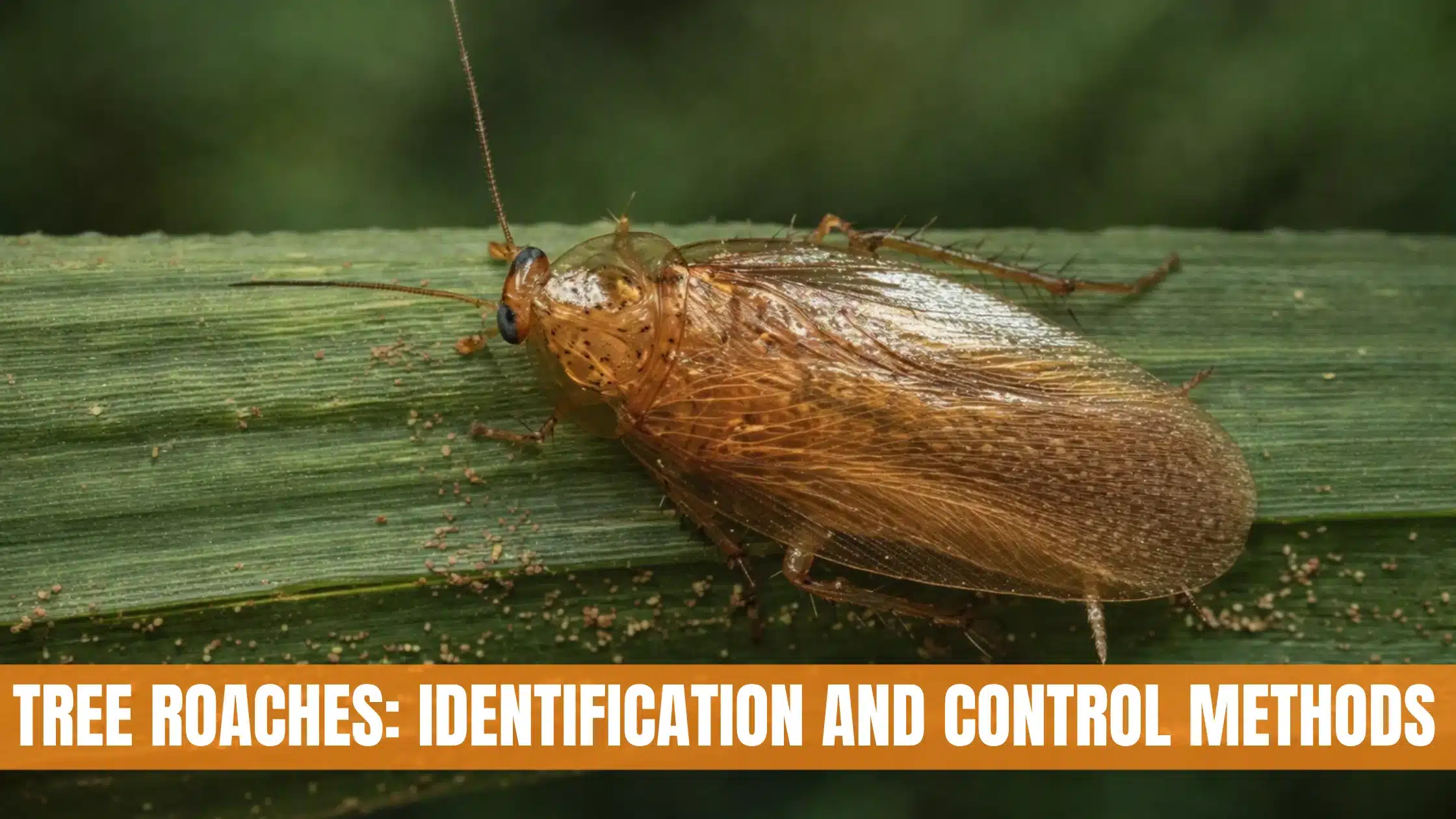
If you notice a flat, oval-shaped cockroach with colouring that ranges from light tan to dark brown, it may be a tree cockroach. These outdoor-loving pests are different from the cockroaches commonly found inside kitchens and other household areas. Tree cockroaches usually live outdoors, where they can be found around trees, gardens, leaf litter, mulch, and other sheltered spaces. They may enter homes accidentally through open doors, windows, cracks, or gaps, particularly when outdoor conditions change.
Unlike some common indoor cockroach species, tree cockroaches are generally considered more of a nuisance than a serious household pest. They typically do not establish large indoor populations because homes do not provide the same conditions they prefer outdoors. They may also struggle to survive for long periods inside dry indoor environments.
Identifying where tree cockroaches are coming from is an important part of preventing repeated sightings. Check nearby vegetation, garden debris, outdoor lighting, entry points, and gaps around doors and windows. Keeping outdoor areas tidy and sealing potential entry points can reduce the chances of these cockroaches entering your home. If sightings continue, professional cockroach pest control can help identify the source and recommend suitable treatment and prevention measures.
What Does a Tree Cockroach Actually Look Like?
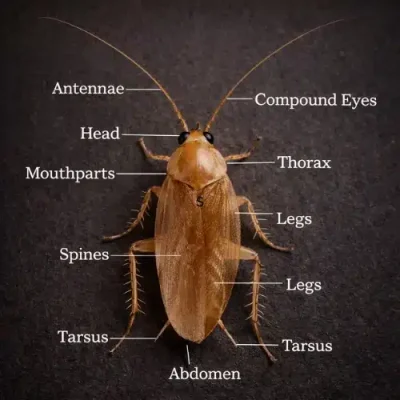
Tree cockroaches have the familiar flattened, oval-shaped body found in many cockroach species, but several features can help distinguish them from common indoor roaches. Their appearance can vary depending on age and sex, so look for a combination of characteristics.
- Body shape: Their bodies are flattened from top to bottom, with the head partly concealed beneath the thorax when viewed from above.
- Colour: They can range from light tan and reddish-brown to dark chestnut brown. Males are generally lighter, while females tend to have darker, shinier bodies.
- Size: Adult males can grow to around 1 inch or slightly longer, while females are usually somewhat smaller. Young tree cockroaches may appear reddish-brown.
- Antennae and legs: They have two long antennae and six spiny legs that help them move quickly across surfaces.
- Wings: Male tree cockroaches have long, functional wings that extend beyond the body and allow them to fly. Females have shorter, less functional wings.
- Distinctive markings: Pale or cream-coloured markings along the wing edges and around the prothorax can be useful identification features.
Because tree cockroaches can vary in appearance, colour alone should not be used for identification. If you regularly spot them around your property, inspect nearby trees, leaf litter, garden debris, wood piles, and possible entry points to understand where they may be coming from.
Tree Roach Behavior and Habitat
Tree roaches are primarily outdoor insects that feed on decaying organic matter. They are more commonly associated with natural, damp environments than indoor areas such as kitchens or food storage spaces.
Their typical food sources include:
- Rotting wood: Fallen branches, tree stumps, and decaying logs can provide food and shelter.
- Leaf litter: Tree roaches feed on decomposing leaves and plant debris.
- Decaying vegetation: Dead and decomposing plant material can form part of their diet.
- Dead insects: They may also consume insects found in outdoor environments.
- Fungi and mould: Moist organic areas can provide additional food sources.
Key Tree Roach Behaviors
- Attracted to light: Unlike many common cockroach species, tree roaches may be attracted to lights, particularly at night. They can sometimes fly toward illuminated windows and doors.
- Prefer moist surroundings: They are often found beneath logs, mulch, leaves, tree bark, and other damp materials. Around homes, they may appear near gardens, sheds, garages, and other humid areas.
- Limited indoor survival: Tree roaches generally do not establish indoor populations. They may accidentally enter through open doors, windows, cracks, or gaps but often struggle to survive in dry indoor conditions.
Tree Roach Life Cycle
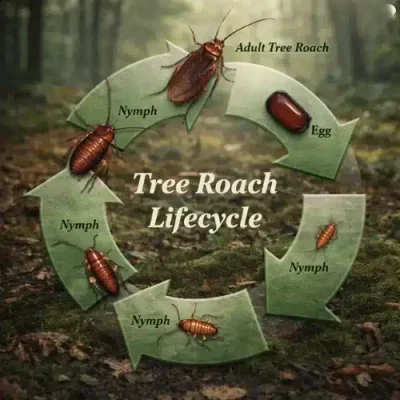
The tree roach life cycle has three main stages: egg, nymph, and adult. Understanding these stages can help with proper tree roach identification and control.
- Egg: Female tree roaches produce brown, cylindrical egg cases called oothecae. These are usually placed in protected outdoor areas, including beneath tree bark, fallen logs, leaf litter, or decaying wood.
- Nymph: After hatching, young tree roaches enter the nymph stage. They resemble smaller versions of adults but lack fully developed wings. Nymphs grow through several moulting stages before reaching maturity. Depending on environmental conditions, this stage can last for several months or longer.
- Adult: Mature tree roaches develop their adult characteristics and become capable of reproduction. Male tree roaches typically have long, functional wings, while females have shorter wings. Adults generally remain outdoors where they can find moisture, shelter, and suitable food sources. Maintaining outdoor areas can help reduce potential tree roach activity around homes.
What Makes a Tree Roach Different From Common House Roaches?
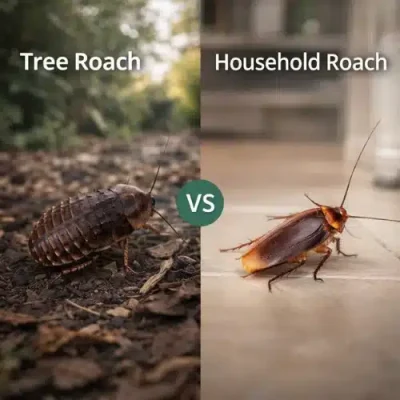
Tree roaches and house roaches belong to the same insect order, but their habits, preferred environments, and behaviour are quite different. Knowing these differences can help you identify what you are dealing with if you spot a cockroach around your property.
- Behaviour: Tree roaches are primarily outdoor insects and may remain active around vegetation, trees, leaf litter, and other sheltered areas. They can tolerate light and may occasionally fly toward illuminated windows or doors. House roaches are generally more active at night and often hide when exposed to light.
- Habitat and reproduction: Tree roaches usually live outdoors and may enter homes accidentally. They are poorly adapted to typical indoor conditions. Common house roaches, such as German, American, Oriental, and brown-banded cockroaches, are better adapted to living and reproducing inside buildings.
- Health concerns: Tree roaches are generally considered nuisance pests when they enter homes. House cockroaches can contaminate food and surfaces and may contribute to allergens that can affect sensitive individuals.
| Feature | Wood Roaches | German/American Cockroaches |
|---|---|---|
| Habitat | Wooded areas, leaf litter, and decaying wood | Indoors, including kitchens and basements |
| Color | Light brown to chestnut brown | Dark brown to reddish-brown |
| Indoor Infestation Risk | Low | High |
| Attraction to Light | Yes, especially male wood roaches | No |
| Flight | Male wood cockroaches can fly. German cockroaches rarely fly, while American cockroaches can fly or glide short distances. | Limited or none |
| Health Risk | Minimal | Higher potential for spreading bacteria and contributing to allergens |
| Reproduction Indoors | No | Yes |
| Natural Habitat | Dead trees, decaying logs, and organic debris | Moist environments, walls, pipes, and other sheltered areas |
Where Do Tree Cockroaches Come From?
Tree cockroaches are primarily outdoor pests that prefer natural environments with moisture, shelter, and decaying organic material. Around Sydney, they may be found in bushland, gardens, parks, and properties with plenty of leaf litter or rotting vegetation.
- Decaying wood: Fallen branches, tree stumps, logs, and rotting timber can provide food and shelter.
- Leaf litter: Damp leaves and garden debris create suitable hiding places.
- Moist areas: Tree cockroaches are more likely to appear where humidity and moisture are present.
- Firewood piles: Storing firewood close to the house can provide an easy pathway toward buildings.
- Trees and garden vegetation: Loose bark, hollow sections, and dense vegetation can offer protected outdoor habitats.
During warmer or wetter periods, tree cockroaches may become more noticeable around Sydney properties. They can occasionally enter homes through open windows, doors, cracks, or other gaps, particularly when attracted to outdoor lighting. Keeping gardens tidy, removing excess organic debris, and sealing potential entry points can help reduce unwanted tree cockroach activity.
Are Tree Cockroaches Dangerous ?
Finding a tree cockroach inside your home can certainly be unpleasant, but these outdoor cockroaches are generally considered nuisance pests rather than a major health threat. Unlike common indoor species such as German and American cockroaches, tree cockroaches typically live outdoors and do not usually establish breeding populations inside homes.
Tree cockroaches generally do not bite or sting people. They are commonly found around trees, leaf litter, decaying wood, gardens, and other sheltered outdoor areas. They may accidentally enter houses through open doors, windows, gaps, or cracks, particularly when attracted to lights.
Potential Health Concerns
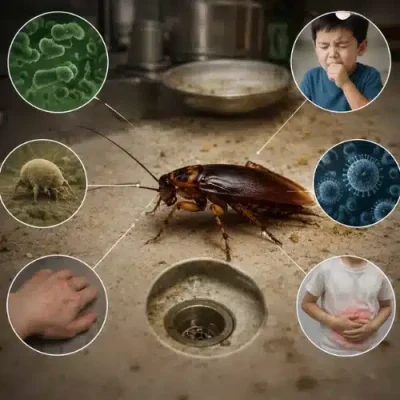
Although tree cockroaches are not usually associated with the same indoor infestation concerns as household cockroaches, basic hygiene is still important if one enters your home. Cockroaches can potentially pick up microorganisms from surfaces they contact, so avoiding contact with food and cleaning areas where they have been present is sensible.
- Food contamination: Keep food covered and clean kitchen surfaces after pest activity.
- Allergens: Cockroach body fragments and droppings can contribute to indoor allergens, although the health impact varies between species and individuals.
- Sensitive household members: People with asthma or allergies may be more sensitive to cockroach-related allergens.
If you regularly notice tree cockroaches indoors, identifying and sealing entry points, reducing outdoor shelter, and keeping gardens tidy can help prevent repeated visits.
How to Get Rid of Tree Roaches
Tree roaches are mainly outdoor pests and usually do not establish large breeding populations inside homes. Unlike common indoor cockroaches, they prefer natural environments such as trees, gardens, leaf litter, mulch, and decaying wood. However, they may occasionally enter homes through gaps, windows, doors, or other openings.
If you are dealing with repeated tree roach sightings, a few practical prevention steps can help:
- Seal entry points: Check cracks and gaps around walls, foundations, doors, windows, pipes, and other potential entry areas.
- Repair screens: Make sure window and door screens are properly fitted and free from holes.
- Store firewood carefully: Keep firewood, timber, and garden materials away from the house and inspect them before bringing anything indoors.
- Manage outdoor lighting: Tree roaches may be attracted to lights, so switch off unnecessary outdoor lights or use less insect-attracting lighting where practical.
- Reduce moisture: Improve drainage and avoid standing water around the property.
- Clear garden debris: Remove excessive leaf litter, rotting branches, mulch, and other organic material close to walls and entrances.
- Maintain vegetation: Trim plants and branches that touch or closely surround the house.
If tree roaches continue entering your home despite these measures, professional cockroach pest control can help identify potential entry points, outdoor harbourage areas, and suitable prevention or treatment options.
Do Sydney Homes Need Pest Control for Tree Cockroaches?
For most Sydney homeowners, seeing an occasional tree cockroach does not necessarily mean there is an indoor infestation. Tree cockroaches generally live outdoors and prefer trees, gardens, leaf litter, mulch, and decaying wood. They may enter homes accidentally through open doors, windows, cracks, or other gaps, but they usually do not establish the same type of indoor population as common household cockroaches.
Before considering chemical treatment, start with simple prevention and exclusion measures. Sealing gaps around windows, doors, pipes, and walls, repairing screens, reducing outdoor clutter, and keeping firewood away from the house can help limit entry.
Professional pest control may be worth considering when:
- Tree cockroach sightings continue: Repeated activity despite prevention may indicate nearby outdoor harbourage.
- Large numbers appear: Frequent sightings around entrances, gardens, or walls may require a closer property assessment.
- Prevention is not working: If sealing entry points and using cockroach bait/poison do not reduce activity, professional advice can help identify the source.
A professional Pest Control Sydney services may combine inspection, habitat reduction, exclusion, and targeted treatment where appropriate. Integrated Pest Management (IPM) focuses on using practical prevention methods alongside carefully selected treatments rather than relying only on pesticides.
Conclusion
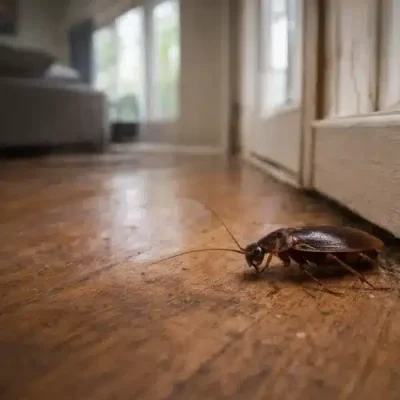
Spotting a tree cockroach inside your Sydney home can be unsettling, but there is usually no need to panic. These outdoor pests prefer trees, gardens, leaf litter, and decaying wood and generally do not establish large indoor populations. You can reduce unwanted visits by sealing cracks and gaps, repairing window screens, managing outdoor lighting, reducing moisture, and keeping garden debris away from the property. If tree cockroaches continue appearing despite these measures, professional pest control can help identify potential entry points and outdoor harbourage areas. For reliable and practical cockroach management, contact EMK Termite & Pest Control Sydney today.
What Our Customers Had To Say
 Posted on Google
 Rami Anwer
Trustindex verifies that the original source of the review is Google.
We had such a great experience with the pest control service. From start to finish, everything was quick, easy and completely hassle-free. The team were professional, friendly and made the whole process so simple. We’re really happy with the results and the quality of the service we received from Eevil. I would definitely recommend EMK to anyone looking for a reliable pest control company!Posted on Google Rena NajimReally happy with the service today. Professional, friendly and did a great job. Would definitely recommend!Posted on Google
 David DavidEMK provided excellent pest control service. He was professional, punctual, and knowledgeable, explained the process clearly, and ensured it was safe for our family and pets. We saw great results straight away. Friendly, reliable, and highly recommended.Posted on Google
 Ann TranWe highly recommend EMK Termite and Pest Control Sydney. Great service, great prices, friendly and very accommodating. They are very thorough and take pride in their work. Cannot rate them high enough. 5 stars 🌟Posted on Google
 Charlton DurieI had these guys come and sort a termite issue. They got the job done. Thanks again!Posted on Google
 David MarshSuper happy with EMK for getting rid of such a horrible termite infestation! Professional and very friendly.Posted on Google
 Michael ZammitJust had EMK come out to do a rodent control treatment. The service and professionalism was superb!Verified by TrustindexTrustindex verified badge is the Universal Symbol of Trust. Only the greatest companies can get the verified badge who has a review score above 4.5, based on customer reviews over the past 12 months. Read more
Frequently Asked Questions About Tree Roach
Do Tree Cockroaches Bite Humans or Pets?
Are Tree Cockroaches Dangerous to Humans?
Why Are Tree Cockroaches Coming Inside My House?
Where Do Tree Cockroaches Usually Live?
Can Tree Cockroaches Reproduce Inside Homes?
Are Tree Cockroaches Attracted to Light?
Do Tree Cockroaches Damage Wooden Furniture?
How Can I Prevent Tree Cockroaches Around My Home?
Can Tree Cockroaches Fly?
What Should I Do If I Keep Finding Tree Cockroaches Indoors?
About The Author

EMK Termite & Pest Control Team
EMK Termite & Pest Control Team is a licensed and experienced pest control service provider based in Sydney, Australia. Our team specialises in termite treatment, cockroach control, spider control, and general pest management for residential and commercial properties.
With years of hands-on experience, we follow Australian safety standards and use proven, eco-friendly pest control methods to deliver long-lasting results. All content published on this website is written and reviewed by trained pest control professionals to ensure accuracy, safety, and real-world expertise.