
Content Published : October 24, 2026
Rats Nest: How to Identify, Remove and Prevent Rat Nests in Sydney Homes
Finding a rats nest in your home or garden can be an unpleasant experience. Scratching noises in the ceiling at night, droppings behind kitchen cupboards, shredded insulation, and gnawed materials near rubbish bins are common warning signs. These signs may indicate that rats have found a sheltered place to hide, build nests, and reproduce.
In Sydney, rat infestations can occur throughout the year. Changing weather conditions, urban development, accessible food sources, and undisturbed hiding spots can attract rodents to residential and commercial properties. Roof voids, wall cavities, garages, sheds, gardens, restaurants, and warehouses can all provide suitable nesting locations.
Identifying a rats nest early is important because rats can damage insulation, contaminate food storage areas, and chew electrical wiring. Ignoring these warning signs may allow the infestation to spread and become more difficult to manage.
This guide explains where rats commonly build nests, how to recognise their presence, and what steps you can take to prevent them from returning. It also explores how professional rodent pest control can help Sydney homeowners and businesses manage infestations effectively. By understanding rat behaviour and addressing the conditions that attract rodents, you can protect your property and reduce the risk of recurring pest problems.
What Does a Rats Nest Actually Look Like?
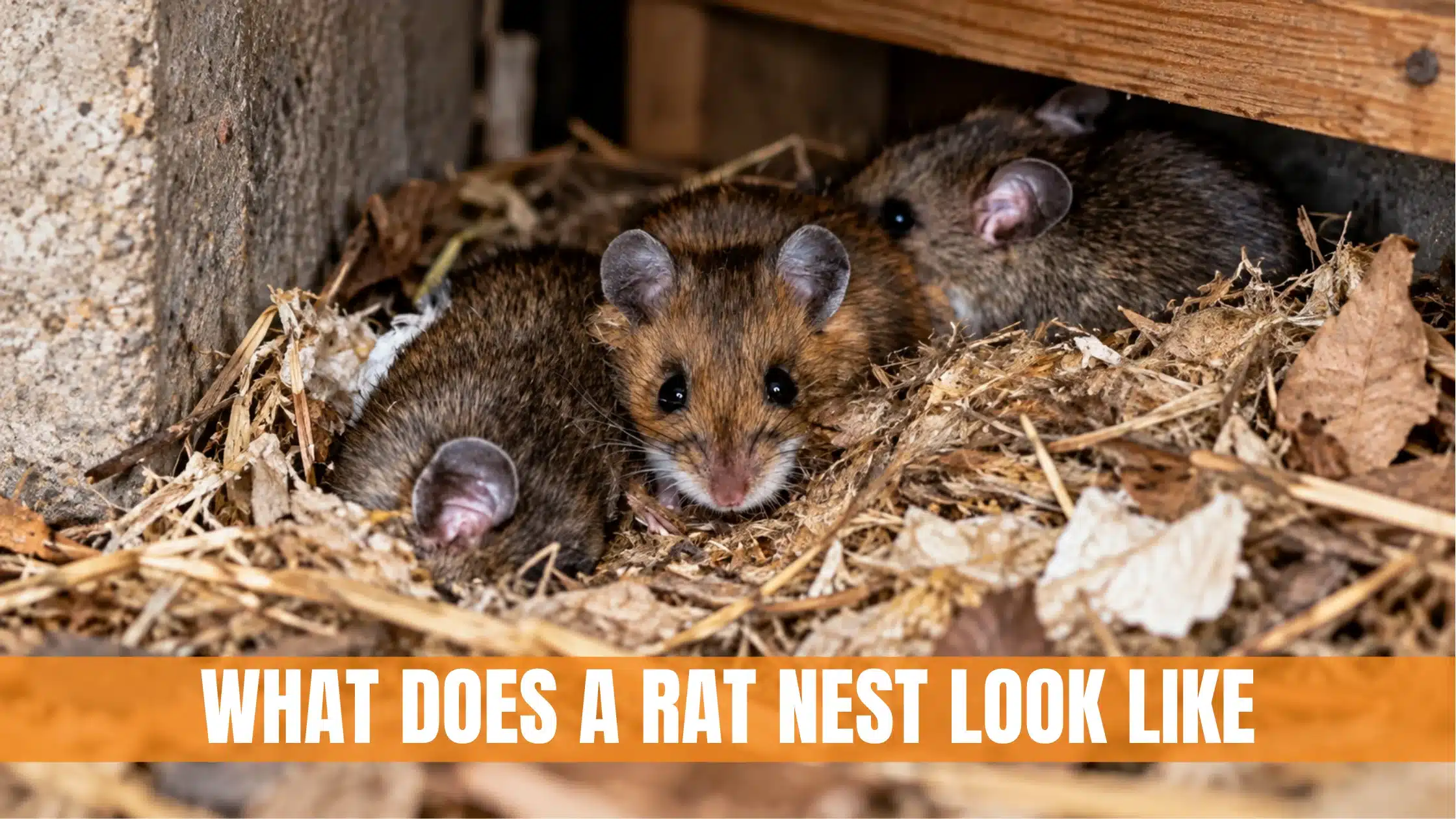
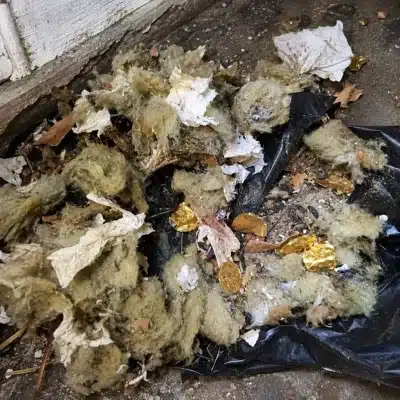
A rats nest is usually a messy collection of shredded materials tucked away in a sheltered location. It may be roughly the size of a football, although its size varies depending on the nesting site and how long rats have been active there. Rats commonly use insulation, cardboard, newspaper, fabric, dried leaves, plastic and other soft materials to create a warm, protected space.
If you suspect a nest in your Sydney property, look for these warning signs:
- Shredded materials: Torn insulation, paper or fabric gathered in roof voids, garages, sheds or hidden corners may indicate nesting activity.
- Strong, musty odours: Accumulated urine and droppings can produce an unpleasant smell, particularly in poorly ventilated spaces during Sydney’s warmer months.
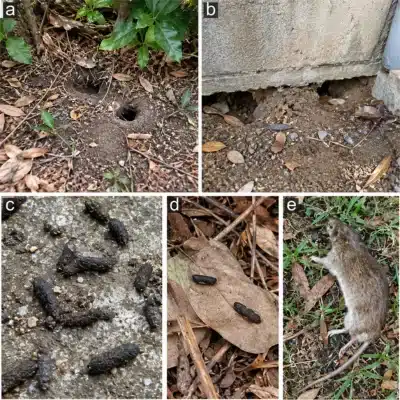
- Rat droppings: Dark, elongated droppings near food storage areas, walls or nesting materials can signal rodent activity.
- Greasy marks: Rats often travel along familiar routes, leaving oily smudges on walls, beams and pipes.
- Gnaw damage: Chewed timber, plastic, packaging and electrical cables may indicate nearby activity.
Sydney commonly encounters two rat species: black rats and brown rats. Black rats are agile climbers and often shelter in roof spaces, trees and ceilings. Norway rats generally prefer ground-level areas, including burrows, drains and spaces beneath sheds or decking.
Where Do Rats Build Nests in Sydney Properties?
Rats prefer locations that offer shelter, limited disturbance and access to food and water. Sydney properties provide many potential nesting sites, particularly when storage areas, roof spaces and gardens are poorly maintained.
Roof Voids and Ceiling Spaces
Roof voids are common hiding places for rats because they are generally dark, warm and rarely disturbed. Rats may enter through damaged roof tiles, gaps around pipes, poorly sealed eaves or openings near ventilation points.
Homeowners may first notice scratching, scurrying or gnawing noises after sunset. Other warning signs include droppings, urine odours and disturbed insulation.
Wall Cavities and Cupboards
Rats can travel through wall cavities and spaces around plumbing or electrical services. They may establish nesting areas behind cupboards, beneath kitchen units or inside unused storage spaces.
Look for droppings, gnaw marks, shredded packaging and greasy rub marks along frequently used routes.
Gardens, Sheds and Outdoor Storage Areas
Sydney gardens can provide excellent shelter when vegetation is dense or outdoor items are stored directly on the ground. Rats may nest beneath timber piles, garden sheds, outdoor furniture, compost areas and accumulated rubbish.
Fruit trees, vegetable gardens and unsecured pet food can also attract rodents. Keeping these food sources under control helps make the surrounding area less appealing.
Subfloors, Garages and Commercial Buildings
Subfloor spaces, garages and storage rooms may contain cardboard, insulation, fabric and other nesting materials. Commercial premises such as restaurants, warehouses and food storage facilities can also attract rats when waste management and building maintenance are inadequate.
Regular inspections help identify activity before rodents spread into additional areas.
Common Signs of a Rat Nest
Rats are generally more active at night, so an infestation can develop without being immediately noticed. Recognising the warning signs can help you investigate safely.
Rat Droppings
Rat droppings are often found along walls, behind appliances, near stored goods and close to food sources. Their size and shape can vary depending on the species. Droppings may also indicate regular rodent activity, although they do not confirm the exact location of a nest.
Avoid touching droppings with bare hands or sweeping them dry, as this can disturb potentially contaminated material.
Scratching and Scurrying Noises
Repeated scratching, running or gnawing sounds in the ceiling or walls may indicate rats moving through concealed spaces. Noises that occur regularly at night deserve attention, particularly when other signs of rodent activity are present.
Shredded Materials and Damaged Insulation
Rats gather soft materials to create sheltered nesting areas. Shredded paper, torn fabric, damaged insulation and small piles of debris in hidden spaces can indicate nesting activity.
Gnaw Marks and Greasy Trails
Rats have continuously growing incisors and gnaw on various materials. Damaged food packaging, chewed timber, gnawed plastic and marks around openings may indicate their presence.
Greasy rub marks can develop along walls and narrow routes where rodents repeatedly travel.
Unusual Odours
A persistent, unpleasant smell in a roof void, cupboard or wall cavity may indicate rodent urine, accumulated waste or a dead rodent. The odour alone is not enough to confirm a nest, so inspect for additional evidence.
Why Rat Nests Can Become a Serious Problem For Sydney Homes
A nesting site can create several concerns for Sydney homeowners and businesses if rodent activity continues unchecked.
Contamination and Hygiene Concerns
Rats can contaminate food, storage areas and surfaces through droppings, urine and contact with dirty materials. Rodents can also carry pathogens and parasites, making careful hygiene and appropriate pest management important.
In food businesses, rodent activity can undermine sanitation standards and potentially affect operations.
Damage to Electrical Wiring and Insulation
Gnawing can damage electrical cables, insulation, packaging and other building materials. Damaged wiring may create an electrical or fire hazard, so suspected damage should be assessed by a qualified electrician.
Rapid Population Growth
Rats can reproduce quickly when shelter, food and water are readily available. A small infestation may become more difficult to manage if nesting areas remain undisturbed and entry points are not addressed.
Damage to Stored Goods and Property
Rats may shred stored items, chew through packaging and damage furniture or other belongings. Businesses with stock, food supplies or warehouse storage may face additional losses when rodent activity spreads.
What Happens if You Disturb a Rat’s Nest?
Disturbing a rat’s nest can create several problems for your home and health. Rats may feel threatened and attempt to escape, hide in nearby spaces, or move to another nesting area. This can make it harder to locate and manage the infestation, especially when rats have access to wall cavities, ceilings, or roof voids.
There are also hygiene risks to consider. Rat nests may contain droppings, urine, nesting debris, and parasites. Handling the nest or sweeping contaminated materials can expose you to harmful particles.
Here’s what may happen when a rat’s nest is disturbed:
- Rats may scatter: Disturbed rodents can flee into other parts of the property, making their movements less predictable.
- Health risks may increase: Contact with contaminated nesting materials or inhalation of particles from droppings can pose health risks.
- Infestation may spread: Rats may establish new hiding places if suitable shelter and food remain available.
- Property damage may continue: Rats can chew electrical cables, insulation, packaging, and other household materials.
If you discover a rat’s nest, avoid touching it or disturbing the surrounding debris. Keep children and pets away and contact a professional rodent pest control service for safe assessment and removal. A qualified technician can recommend appropriate treatment, cleaning precautions, and entry-point sealing to reduce the risk of rats returning to your Sydney property.
How to Deal With a Rat Nest Safely
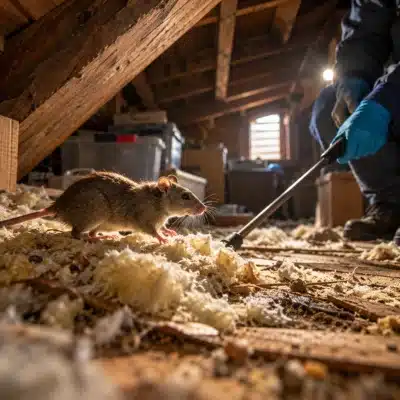
If you suspect nesting activity, avoid reaching into concealed spaces or disturbing materials without protection. Rats may bite when cornered, and nesting areas can contain contaminated debris.
Follow these practical steps to reduce the risk.
1. Keep People and Pets Away
Restrict access to the affected area, particularly if you have children or pets. Do not attempt to handle live rats, nests or droppings with bare hands.
2. Identify Possible Entry Points
From a safe position, look for gaps around pipes, damaged vents, openings near doors, roof damage and spaces around utility lines. Do not enter unsafe roof voids or confined subfloor areas to investigate.
3. Remove Accessible Food Sources
Store food in sealed containers, clean spills promptly, secure rubbish bins and avoid leaving pet food outdoors overnight. These measures reduce the resources available to rodents.
4. Avoid Disturbing Contaminated Materials
Do not dry-sweep or vacuum rodent droppings and nesting debris. Follow current Australian public health guidance for cleaning rodent contamination, including appropriate ventilation, protective equipment and disinfection. If the nest is extensive or located in a difficult-to-access space, seek professional assistance.
5. Arrange Professional Rodent Control When Needed
A qualified pest management professional can assess the extent of the infestation, locate likely nesting areas, identify entry points and recommend suitable treatment methods. Professional advice is particularly useful when rats are inside walls, ceilings or subfloors, or when activity continues despite basic prevention measures.
How to Prevent Rats from Building Nests
Prevention is an important part of long-term rodent management. Making your property less attractive and reducing access to sheltered spaces can help discourage rats from settling in.
Seal Gaps and Structural Openings
Inspect the exterior of your home for openings around pipes, cables, doors, vents and roof edges. Seal suitable gaps using durable, rodent-resistant materials appropriate for the location. Damaged roof tiles, vents and door seals should also be repaired.
Do not block essential ventilation or drainage openings without using an appropriate protective design.
Keep Gardens and Outdoor Areas Tidy
Trim dense vegetation near buildings, remove accumulated rubbish and avoid leaving timber, cardboard or other clutter in undisturbed piles. Store materials off the ground where practical and maintain a clear space around the building perimeter.
Secure Rubbish and Compost
Use bins with secure lids and clean them regularly. Manage compost correctly, avoid adding unsuitable food waste and remove fallen fruit from gardens. These steps reduce potential food sources around your property.
Store Food Properly
Keep pantry items, animal feed and bulk food supplies in sealed, rodent-resistant containers. Businesses should maintain strict waste procedures and inspect storage areas for damaged packaging or signs of rodent activity.
Inspect Roofs, Sheds and Storage Areas
Regularly check roof spaces where safe access is available, as well as garages, sheds and storage rooms. Look for droppings, gnaw marks, damaged materials and gaps that may allow rodents to enter.
If you suspect activity in a confined space, arrange an appropriate inspection rather than entering an unsafe area.
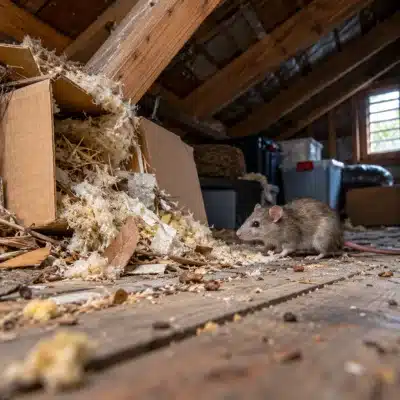
What Does a Rat Nest Tell You About an Infestation?
Finding a rat nest in your home is a clear warning that rodents have found a sheltered place to hide, rest, or breed. Even if you rarely see rats, they may still be active inside roof spaces, wall cavities, garages, or other hidden areas while searching for food and water.
However, the nest alone cannot tell you how many rats are present or how long they have been living there. To understand the extent of the problem, look for other signs of rat activity around your property.
| Sign | What It May Indicate |
|---|---|
| Nesting material | A sheltered area rats are using or have used |
| Rat droppings | Rodent activity near feeding, nesting, or travel areas |
| Gnaw marks | Repeated access to food, materials, or openings |
| Grease or dirty wall marks | A frequently used travel route |
| Scratching or scampering sounds | Movement in concealed areas |
| Damaged food containers | Access to a dependable food source |
When To Call A Professional Rat Control
Rat activity can quickly become a bigger problem if it is left untreated. Consider contacting a professional rat control service in Sydney if you notice any of these warning signs:
- Frequent scratching noises: Scratching, squeaking, or scampering sounds coming from ceilings, walls, or roof spaces, especially at night.
- Rat droppings: Fresh droppings appearing repeatedly in kitchens, cupboards, garages, or storage areas.
- Visible nesting materials: Shredded paper, insulation, fabric, or other materials gathered in hidden corners.
- Gnawed wires or damaged items: Chewed electrical cables, food packaging, furniture, or pipes that may create safety risks.
- Repeated rat sightings: Seeing rats regularly during the day or night, particularly in different areas of your property.
- Signs of a growing infestation: Persistent foul smells, increasing droppings, or new signs of damage despite your prevention efforts.
If you discover a rat nest or suspect rats are breeding inside your property, avoid handling the nest or droppings directly. Contact EMK Termite & Pest Control Sydney for a professional assessment and suitable rodent pest control recommendations. Early intervention can help identify hidden nesting areas, reduce health and property risks, and prevent the infestation from spreading.
Conclusion
Finding a rats nest in your Sydney property is a sign that rodents may have established a sheltered area nearby. Identifying the warning signs, securing food supplies, reducing outdoor clutter and sealing suitable entry points can help limit the conditions that encourage rats to remain.
Because nesting areas are often concealed in roofs, walls, subfloors and storage spaces, professional assessment may be necessary to locate the source and determine the most appropriate treatment. For persistent rodent activity, EMK Termite & Pest Control Sydney can help assess your property’s pest management needs and recommend suitable next steps.
Acting early can help protect your property’s hygiene, reduce the risk of damage and make future rodent problems easier to prevent.
What Our Customers Had To Say


Frequently Asked Questions About Rat Nests
1. How can I tell if rats are nesting in my roof?
Common signs include repeated scratching or scurrying sounds at night, droppings, shredded insulation, gnaw marks and unusual odours. A professional inspection can help confirm whether rats are present.
2. Do rats return to the same nesting area?
Rats may continue using a sheltered location when it provides reliable access to food, water and protection. Removing accessible resources and sealing entry points can reduce the likelihood of repeated activity.
3. Can a rat nest be inside a wall?
Yes. Wall cavities and gaps around pipes or utility services can provide concealed travel routes and sheltered spaces. If you suspect a nest inside a wall, avoid opening the cavity yourself and arrange an appropriate inspection.
4. Are rat nests dangerous?
They can present hygiene concerns because nesting materials may be contaminated with urine, droppings and other debris. Rats can also damage wiring and building materials. Avoid direct contact and use suitable cleaning procedures.
5. When should I call a pest control professional?
Seek professional help if you repeatedly find droppings, hear noises in inaccessible spaces, discover extensive nesting materials, notice damaged wiring or continue seeing rats despite prevention efforts.
About The Author
