
Content Published : October 21, 2026
What Do Mice Eat? A Practical Guide for Sydney Households
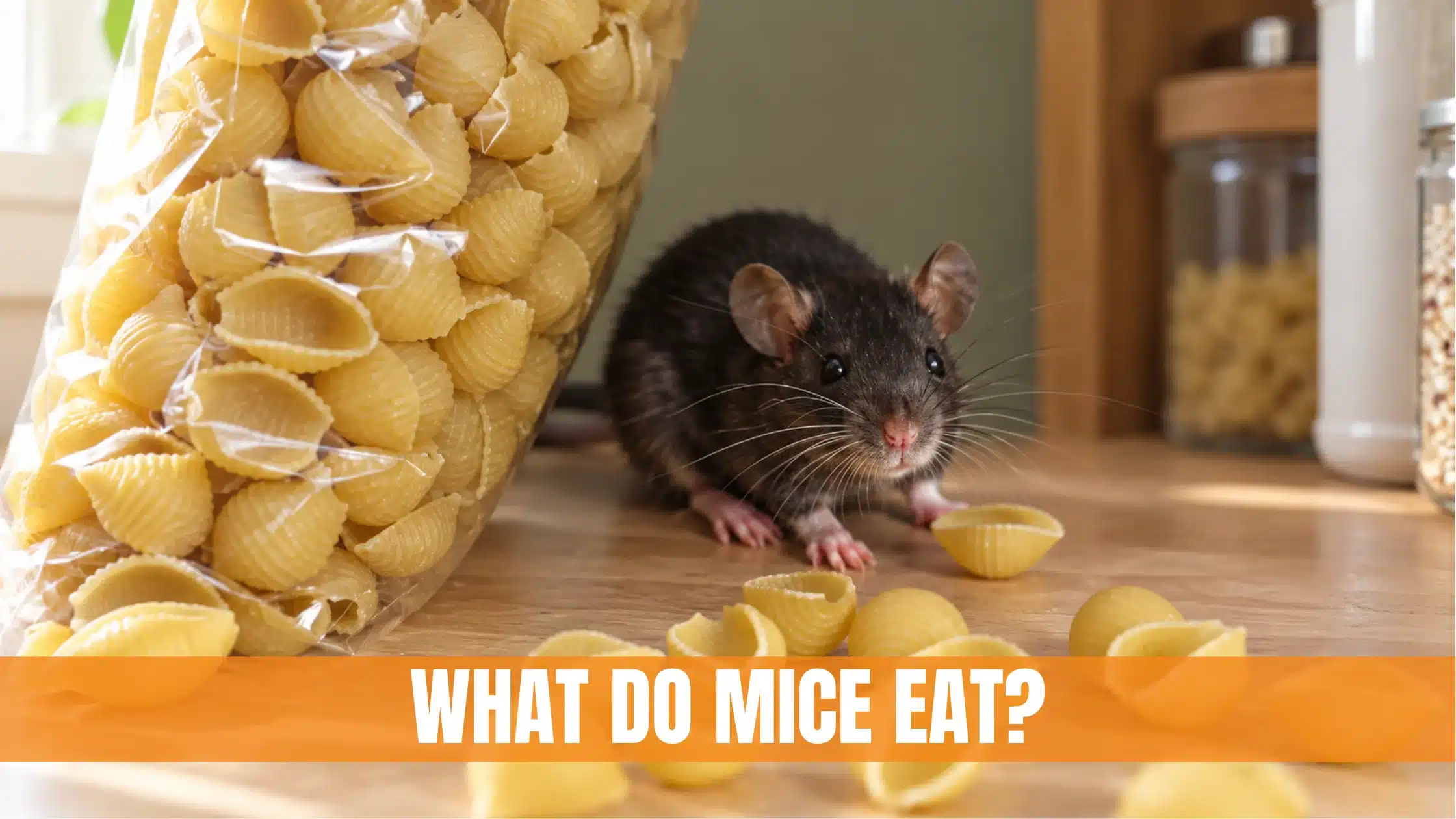
Have you ever wondered what do mice eat and why they are so common in homes? Mice are opportunistic feeders that can survive on a wide variety of foods. They constantly search for accessible food sources to meet their energy needs, making kitchens, pantries, and storage areas attractive places to explore.
Mice do not rely on one particular type of food. They may eat grains, cereals, seeds, nuts, fruits, vegetables, pet food, and leftover scraps. They can also nibble on packaged foods when they find a way inside cupboards or containers. Even small amounts of crumbs and food residue can encourage mice to return to the same area.
Food availability also influences where mice build their nests. They prefer warm, sheltered locations close to reliable food and water sources. Common nesting spots include wall cavities, attics, roof spaces, garages, and areas behind kitchen appliances. Clutter, cardboard, fabric, and paper can provide suitable nesting materials.
When mice find easy access to food inside a property, they may continue visiting and eventually establish a nest nearby. This can increase the risk of a rodent infestation, along with food contamination and damage to household items.
Understanding what mice eat can help you protect your home. Store food in sealed containers, clean up spills promptly, secure rubbish bins, and remove potential nesting materials to reduce the chances of attracting mice.

Why Sydney Gets So Many Mice
Mice are a common pest problem across Sydney because the city offers easy access to food, shelter, and suitable nesting places. The house mouse (Mus musculus) is an introduced species that has adapted well to urban environments. From residential homes to restaurants and warehouses, many properties provide the conditions mice need to survive and reproduce.
Several factors contribute to mouse infestations in Sydney:
Older homes and buildings: Properties in areas such as the Inner West, Paddington, and Balmain may have cracked brickwork, gaps around pipes, and damaged subfloor vents. Mice can squeeze through surprisingly small openings to reach sheltered spaces.
Cooler weather: During Sydney’s cooler months, mice often move indoors to find warmth, reliable food sources, and protection from outdoor conditions.
Heavy rainfall: Prolonged rain can flood outdoor hiding places and encourage mice to seek shelter in garages, sheds, roof spaces, and wall cavities.
Construction and renovations: Demolition and building work can disturb existing nesting areas, pushing mice towards nearby homes and commercial properties.
Easy access to food: Cafés, takeaway shops, residential kitchens, and overflowing rubbish bins provide crumbs, scraps, and other food sources that attract rodents.
If you notice droppings, gnaw marks, or scratching sounds, act promptly. Seal entry points, store food securely, and keep rubbish areas clean. If mouse activity continues, professional rodent control can help identify nesting areas and reduce the risk of recurring infestations.
Understanding Mouse Diets and Feeding Habits
What do mice like eating? The answer is almost anything they can find. House mice are opportunistic omnivores, meaning they eat a wide variety of foods to survive. They prefer grains, seeds, cereals, fruits, nuts, and food scraps, but they may also nibble on sugary snacks and fatty foods when available.
Mice often feed several times throughout the day, taking small amounts of food rather than eating one large meal. Although their daily food requirements are relatively low, even a few crumbs or spilled grains can provide an easy meal. This makes kitchens, pantries, cupboards, and food storage areas attractive places for mice to explore.
Unfortunately, everyday habits such as leaving pet food uncovered, storing food in open packets, or forgetting to clean crumbs can encourage mouse activity. Once mice discover a reliable food source, they may return regularly and build nests nearby.
Understanding what attracts mice is an important step in preventing infestations. Store food in airtight containers, clean surfaces regularly, secure rubbish bins, and remove clutter. If you’re wondering how to get rid of mice, combine these preventive measures with suitable traps and seal gaps around doors, pipes, and walls.
What Do Mice Eat in the Wild?
Wild mice have a varied diet that changes according to their surroundings, the season, and the food available. Field mice and deer mice search for food in grasslands, forests, gardens, and agricultural areas. Their natural diet includes plant-based foods and small insects that provide the nutrients they need to survive.
Seeds and Grains
Seeds and grains are important parts of a wild mouse’s diet. Sunflower seeds, wheat, oats, and other grains provide energy for daily activities. Mice may gather and store these foods in sheltered spots when supplies are plentiful.
Grasses and Plant Matter
Wild mice often feed on grasses and other vegetation. Depending on the species and available food, they may eat roots, leaves, stems, and tender shoots. These plant materials can provide nutrients and moisture, helping mice survive in different habitats.
Fruits and Vegetables
When available, fruits and vegetables add variety to a mouse’s diet. Wild mice may nibble on berries, fallen apples, carrots, and other edible plant parts. Farms, orchards, and gardens can provide abundant food, sometimes attracting rodents closer to homes.
Insects and Small Invertebrates
Mice are omnivores, so their diet is not limited to plants. They may also eat insects, larvae, and other small invertebrates. These foods provide protein and additional nutrients.
Understanding what mice eat in the wild can help homeowners identify food sources that attract rodents and take steps to prevent them from entering their properties.

What Do House Mice Eat?
House mice are opportunistic eaters that feed on a wide variety of foods found in kitchens, pantries, garages, and storage areas. Even small amounts of food can attract them, making everyday household habits an important factor in preventing mouse infestations.
Common foods that attract mice include:
- Bread and cereals: Mice enjoy bread, crackers, breakfast cereal, grains, and other carbohydrate-rich foods that provide energy.
- Crumbs and leftovers: Food scraps on floors, kitchen benches, and in uncovered rubbish bins can become easy meals for hungry mice.
- Meat and cheese: Mice may eat sausage, fatty meat, and cheese when available, although cheese is not necessarily their favourite food.
- Pet food and birdseed: Dog kibble, cat food, and birdseed are attractive because they contain grains, fats, and protein.
- Peanut butter and nuts: These foods provide fat and protein. Peanut butter is also commonly used as bait in mouse traps.
- Sweet treats and dried fruit: Honey, chocolate, candy, raisins, and dried apple slices can satisfy mice seeking sugary foods.
To reduce the risk of mice entering your home, store food in airtight containers, clean crumbs promptly, secure rubbish bins, and avoid leaving pet food out overnight. If you notice mouse droppings, gnaw marks, or repeated sightings, seal entry gaps and consider professional rodent control to manage the problem effectively.

How Much Do Mice Actually Eat?
A house mouse may eat only about three grams of food each day, roughly the weight of a teaspoon of sugar. The bigger concern is how quickly a small mouse population can grow when food, shelter, and nesting materials are easy to find.
Under favourable conditions, female mice can produce litters of several pups every few weeks. Their young may become capable of breeding within around six to eight weeks, allowing numbers to rise rapidly. As a result, a mouse spotted in the pantry today may be a sign of a developing infestation if the problem is not addressed early.
Mice also need relatively little drinking water. They can obtain some moisture from foods, so a pantry without a bowl of water may still provide enough resources for them to survive. However, leaks and damp areas can make a property even more attractive.
Check beneath sinks, around washing machines, in laundries, and near air-conditioning drainage lines for moisture. Store food in sealed containers, clean crumbs quickly, and remove rubbish regularly. Seal small gaps around pipes, doors, and walls to limit access.
How to Stop Mice Eating Your Food
Keeping mice away from your food starts with making your home less attractive to these unwanted pests. Effective mice control involves proper food storage, regular cleaning, and preventing mice from entering your property. Follow these practical tips to protect your kitchen and keep your food safe.
Store food properly: Keep cereals, flour, rice, pasta, nuts, and pet food in airtight glass, metal, or sturdy plastic containers. Avoid leaving food in open packets that mice can easily chew through.
Maintain a clean kitchen: Wipe countertops, sweep crumbs from under appliances, and wash dirty dishes before bedtime. Even small food scraps can attract mice and encourage them to return.
Seal entry points: Inspect walls, vents, doors, and gaps around pipes. Seal openings with steel wool, metal mesh, or suitable cement-based materials. Installing door sweeps can also help prevent mice from entering through garage and laundry doors.
Keep your yard tidy: Trim overgrown shrubs, remove timber piles and rubbish, and keep compost bins securely covered. This helps reduce potential hiding and nesting places around your home.
Use traps carefully: Place snap traps along walls where mice frequently travel. A small amount of peanut butter can work as effective bait. Check traps daily and keep them away from children and pets.
By following these simple steps, you can reduce the risk of mice contaminating your food.
Do Mice Really Love Cheese?
Mice and cheese have been paired together in cartoons for generations, but the truth is quite different. Cheese is not necessarily a mouse’s favourite food. In reality, mice often prefer sweet, starchy, and high-fat foods that provide an easy source of energy. Understanding what mice eat can help you choose better bait and manage a mouse infestation more effectively.
Some foods that commonly attract mice include:
- Peanut butter: Its strong smell and sticky texture make it a popular choice for mouse traps.
- Chocolate: The sweet taste and high fat content can attract mice.
- Oats and cereals: These provide an easy source of food for mice inside kitchens and pantries.
- Muesli bars: Their combination of grains, sugar, and fats can make them appealing to rodents.
When setting mouse traps, a small amount of peanut butter or a few oats can be more effective than cheese. Always position traps carefully and keep them away from children and pets.
Interestingly, mice also chew non-food materials such as cardboard, soap, candle wax, glue, and electrical wire insulation. They may do this to keep their continuously growing teeth worn down or to gather materials for nesting.
Chewed electrical wiring is particularly concerning because it can increase the risk of electrical faults and fires.

Baits, Native Wildlife and When to Call a Professional
Managing a mouse infestation in Sydney requires careful consideration of local wildlife. Many Sydney suburbs are close to bushland, parks, and waterways, where native animals may be exposed to rodent poisons through the food chain. Powerful Owls, for example, have been found with traces of second-generation anticoagulant rodenticides, highlighting the potential risks of using poison around wildlife.
Rodent bait can also create problems inside your home. Poisoned mice may die in wall cavities, causing unpleasant odours that can linger for weeks. Pets may also be at risk if they access bait or come into contact with poisoned rodents.
To manage mice more responsibly, consider these options:
- Use traps carefully: Snap traps and enclosed, tamper-resistant stations can help control mice while limiting access by children and pets.
- Seal entry points: Block gaps around pipes, doors, vents, and walls to prevent mice from entering your property.
- Recognise when you need help: Persistent mouse activity, roof infestations, or signs of breeding may require professional rodent control in Sydney.
A qualified pest control technician should inspect your property, identify entry points, and explain suitable treatment options. Before hiring a professional, ask whether they hold the appropriate NSW licence and which products they intend to use. If you live near bushland, discuss wildlife-conscious methods to reduce potential harm to native animals.

Final Thoughts
Understanding what do mice eat can help you prevent infestations and protect your home. Mice seek easy food sources, warmth, and shelter, making kitchens, pantries, and roof spaces attractive hiding places. Store food securely, maintain cleanliness, seal entry points, and act quickly when you notice droppings or gnaw marks.
Sydney’s older homes, changing weather, and busy food areas can create conditions that attract rodents. Taking preventive steps can help keep your property mouse-free. If you’re struggling with a persistent infestation, contact EMK Termite & Pest Control Sydney for professional rodent control solutions. Get in touch today to protect your home from unwanted mice!
What Our Customers Had To Say


Frequently Asked Questions About What Mice Eat
1. What do mice eat the most?
Mice commonly eat seeds, grains, cereals, nuts, and other high-energy foods. Inside homes, they are attracted to rice, pasta, bread, pet food, crumbs, and sweets. Their diet depends on which food sources are readily available.
2. Do mice really like cheese?
Mice can eat cheese, but it is not necessarily their favourite food. They often prefer grains, seeds, cereals, and foods rich in carbohydrates or fats. Peanut butter and seeds can be useful alternatives when selecting bait for mouse traps.
3. What foods attract mice into your home?
Mice are attracted to accessible food sources, including cereal, rice, flour, bread, chocolate, nuts, pet food, and birdseed. Food crumbs, uncovered rubbish bins, and fallen fruit can also encourage mice to enter your property.
4. What do mice eat in the wild?
Wild mice typically feed on seeds, grains, nuts, fruits, roots, and plant material. They may also eat insects and other small invertebrates when available. Their diet changes according to their habitat and seasonal food supply.
5. Do mice eat meat?
Yes, mice are omnivores and can eat meat when it is available. They may consume meat scraps, insects, and other protein-rich foods. However, seeds and grains are common components of their diet.
6. What is the best food to use as mouse bait?
Peanut butter, seeds, oats, and other attractive foods can work as mouse bait. Use only a small amount and follow the trap manufacturer’s instructions. Trap placement and the mouse’s feeding habits also influence how effective the bait will be.
7. Do mice eat plastic, cardboard, or electrical wires?
Mice may gnaw on plastic packaging, cardboard, insulation, and electrical wire coverings. They do this to explore their surroundings, gain access to food, and help wear down their continuously growing teeth. Damaged wiring can create a potential fire hazard.
8. How much food does a mouse eat per day?
An adult house mouse typically eats only a few grams of food daily, although its intake varies with body size, activity, and food availability. Despite eating small amounts, mice can contaminate much more food through their droppings, urine, and repeated feeding.
9. How can I stop mice from eating my food?
Store dry foods in airtight glass, metal, or sturdy plastic containers. Clean food crumbs promptly, secure rubbish bins, avoid leaving pet food out overnight, and seal gaps around doors, pipes, and walls. These measures help reduce the food sources that attract mice.
10. Can mice survive without drinking water?
House mice can obtain much of their required moisture from food, so they may survive without regularly drinking free-standing water when their diet provides sufficient moisture. However, their water requirements depend on environmental conditions and the type of food available.
11. Do mice eat food at night?
Yes, house mice are generally most active at night, although they can also forage during the day. They often nibble small amounts of food from multiple locations, which makes crumbs, open food packets, and uncovered pet food attractive targets.
12. How do I know if mice are eating my food?
Look for chewed food packaging, missing food, small droppings, gnaw marks, and scratching sounds near cupboards or storage areas. If you notice these signs repeatedly, inspect your pantry and kitchen for possible mouse activity.
13. When should I call a professional for mouse control?
Consider professional mouse control if you continue finding droppings, damaged food packaging, or signs of nesting despite taking preventive measures. A pest control professional can identify entry points, assess the infestation, and recommend suitable treatment options.
About The Author
