
Content Published : November 26, 2026
How to Prevent Pests in Your Home - Practical Tips for Sydney Residents
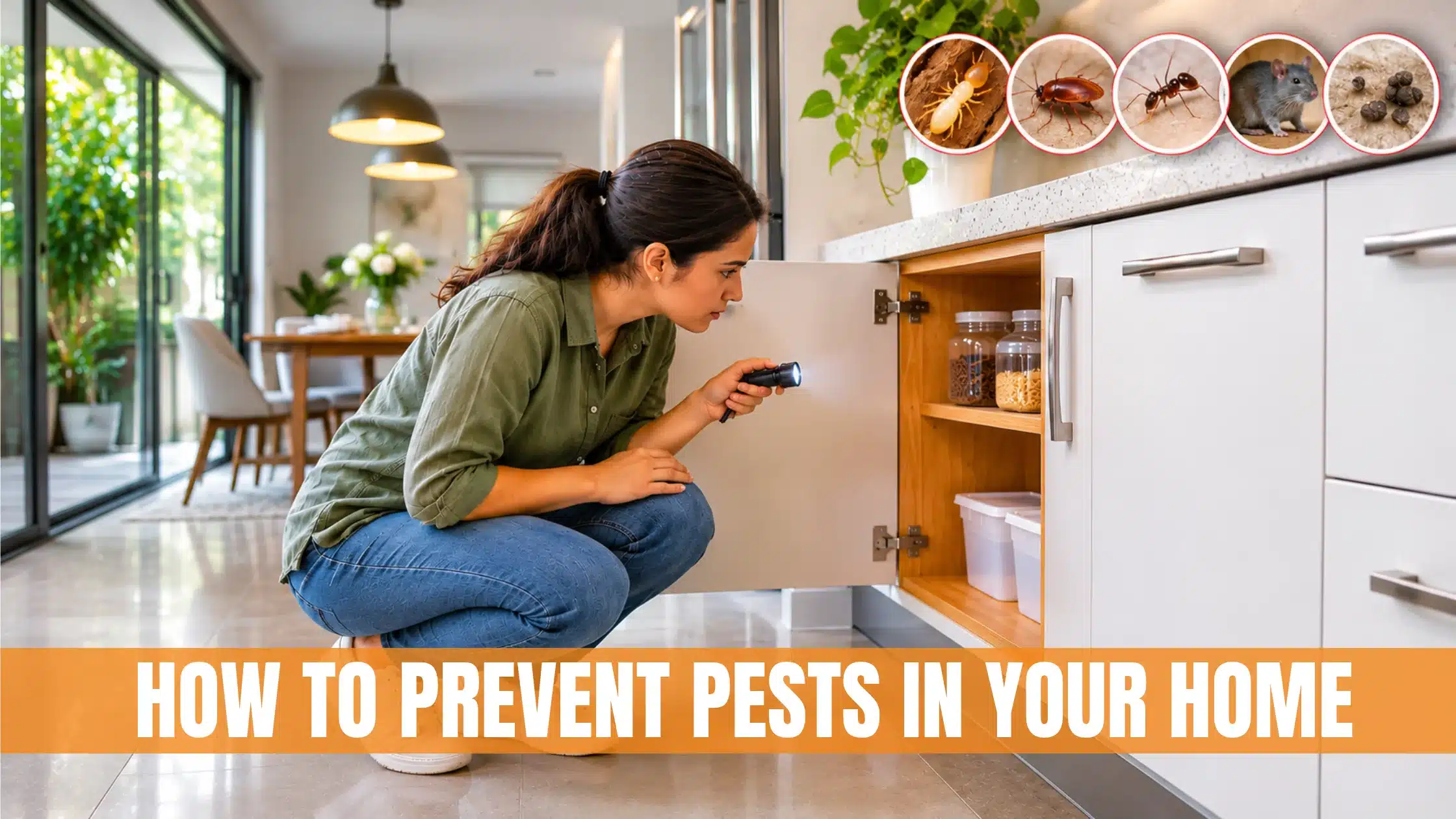
Pests can quickly become a nuisance in any Sydney home, whether you live in an apartment, townhouse or freestanding property. Ants invading kitchen cupboards, cockroaches gathering near drains, spiders hiding in storage areas and rodents entering roof spaces can affect your comfort and household hygiene. Sydney’s changing weather, warm temperatures and humid conditions can also encourage different pests to become active throughout the year.
Understanding how to prevent pests in your home begins with recognising what attracts them indoors. Food crumbs, uncovered rubbish, standing water, clutter and small gaps around doors or windows can provide pests with easy access to food, moisture and shelter. Simple habits such as regular cleaning, proper food storage, fixing leaks and sealing entry points can help reduce these risks. Along with routine property maintenance, timely Sydney pest control services can help identify potential problems and manage existing infestations. By taking preventive steps early, you can make your home less inviting to unwanted pests and maintain a cleaner, healthier living environment for your family.
1. Keep Your Kitchen Clean and Hygienic
The kitchen is one of the most common places where pests search for food. Crumbs, grease, uncovered leftovers and overflowing rubbish bins can attract ants, cockroaches, flies and rodents.
Make kitchen cleaning part of your daily routine. Wipe benchtops after preparing meals, clean spills immediately and sweep or vacuum floors regularly. Avoid leaving dirty dishes in the sink overnight, as food residue can attract insects.
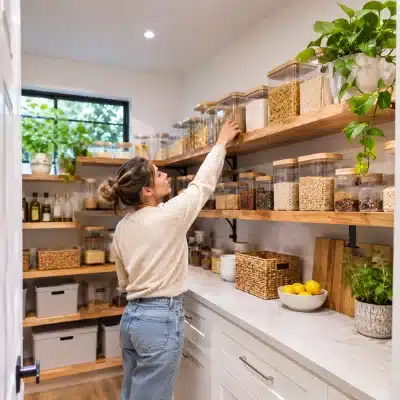
Store cereals, flour, pet food and other dry goods in airtight containers. Keep fruit covered or refrigerated when necessary, and empty kitchen bins frequently. Cleaning behind refrigerators, ovens and cupboards is equally important because hidden food particles can attract pests.
These simple habits are an effective starting point when learning how to prevent pests in your home without relying on chemical treatments.
2. Seal Cracks, Gaps and Other Entry Points
Many household pests enter through surprisingly small openings. Cockroaches can move through gaps around pipes, while mice and rats may squeeze through damaged vents, door gaps and openings in walls.
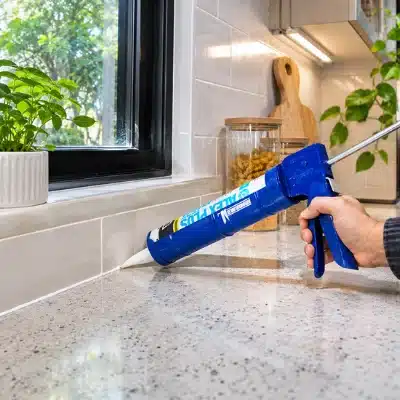
Inspect your property for possible entry points, particularly around doors, windows, plumbing connections and utility lines. Use suitable sealants to close small cracks and install door sweeps where gaps exist underneath external doors.
Check flyscreens for holes and repair damaged window seals. Make sure ventilation openings have appropriate mesh that does not block necessary airflow.
Sydney properties with older structures may require additional attention because ageing materials, loose fittings and damaged weather seals can create easy access for insects and rodents.
3. Prevent Moisture Build-Up
Water is essential for many pests, making damp areas particularly attractive. Cockroaches, silverfish, mosquitoes and rodents may be drawn to properties with leaking pipes, standing water or consistently damp conditions.
Check underneath kitchen sinks, around bathroom fittings and near washing machines for leaks. Repair dripping taps and improve ventilation in bathrooms, laundries and other enclosed spaces.
After heavy rainfall, inspect outdoor areas for blocked drains, water-filled containers and pooling water. Empty plant saucers regularly and keep gutters clear so rainwater can drain properly.
If you notice persistent dampness, condensation or water damage, address the underlying issue rather than simply cleaning the visible moisture. Reducing available water can make your property less appealing to many common pests.
4. Maintain Your Garden and Outdoor Areas
Overgrown gardens, fallen leaves, dense shrubs and accumulated green waste can provide shelter for spiders, ants, rodents and other pests. When vegetation grows close to external walls, pests may find it easier to move indoors.
Trim branches and shrubs that touch your house, remove fallen leaves and keep garden beds reasonably tidy. Store firewood, timber and unused building materials away from the property where practical, preferably raised off the ground.
Avoid allowing rubbish or garden waste to accumulate near entrances. Keep outdoor bins closed and clean them periodically to prevent food odours from attracting rodents and insects.
Regular garden maintenance is particularly useful for Sydney homes with backyards, landscaped areas and properties surrounded by dense vegetation.

5. Store Food and Household Waste Properly
Poor food storage can attract pests even when the rest of your property is clean. Open packets, uncovered pet food and improperly managed rubbish provide easy access to food sources.
Transfer opened food products into sealed containers and avoid leaving pet food bowls unattended for extended periods. Clean spills around feeding areas and wash reusable food containers regularly.
Use bins with secure-fitting lids and remove household rubbish before it overflows. If you recycle food containers, rinse them before placing them in recycling bins.
For properties with compost systems, maintain the compost properly and avoid adding unsuitable food waste that may attract rodents or insects. Good waste management is an important part of preventing recurring pest activity.
6. Reduce Clutter and Inspect Storage Areas
Pests often hide in undisturbed areas where they can remain unnoticed. Cardboard boxes, unused furniture, old newspapers and stored clothing can provide shelter for cockroaches, silverfish, spiders and rodents.
Organise cupboards, garages, wardrobes and storage rooms regularly. Avoid stacking boxes directly against walls, and use sealed plastic storage containers where appropriate.
Inspect stored belongings before bringing them into living spaces, particularly second-hand furniture, cardboard packaging and items kept in sheds or garages.
Pay attention to roof voids, subfloors and rarely used corners. These areas can show early signs of pest activity, including droppings, damaged materials and nesting debris.
7. Protect Your Home During Seasonal Changes
Pest activity in Sydney can change with the seasons. Warmer weather may encourage increased insect activity, while heavy rain can drive some pests towards sheltered indoor areas. Cooler periods may also encourage rodents to seek warmth inside roof spaces and wall cavities.
Before summer, check flyscreens, remove standing water and inspect outdoor areas for insect activity. During wetter months, clear gutters, check drainage and look for damp areas around the property.
As temperatures cool, inspect roof spaces, garages and storage rooms for signs of rodent entry. Seasonal inspections help you identify potential problems before they become established.
Understanding these seasonal patterns makes it easier to plan how to prevent pests in your home throughout the year.
8. Check for Early Signs of Pest Activity
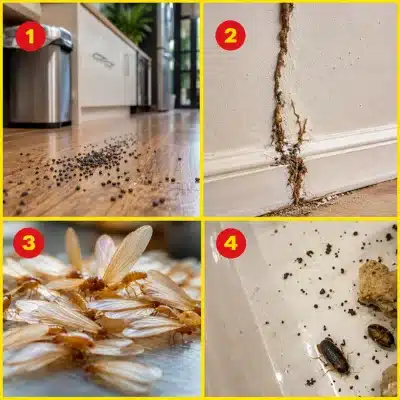
Early detection can make pest problems easier to manage. Instead of waiting until insects or rodents become regularly visible, look for small warning signs during routine cleaning and maintenance.
Common signs include:
- Cockroach droppings, egg cases or unpleasant smells in cupboards.
- Ant trails around food storage areas and windows.
- Scratching sounds or droppings in roof spaces.
- Spider webs in corners, garages and storage rooms.
- Silverfish activity around books, cardboard and damp cupboards.
- Gnaw marks on packaging, furniture or stored materials.
If you notice repeated signs, try to identify the affected area and avoid disturbing suspected nests or breeding sites. A professional inspection can help determine the pest species and the extent of the problem.
9. Consider Professional Pest Control When Needed
Preventive measures can reduce the conditions that attract pests, but they may not eliminate an existing infestation. Some insects and rodents establish nests in concealed areas that are difficult to reach through ordinary cleaning and household products.
If you continue noticing pest activity despite maintaining good hygiene, consider arranging a professional inspection. A pest control specialist can identify entry points, nesting areas and conditions contributing to the problem.
For homeowners and businesses, professional pest management may involve targeted treatments, monitoring, follow-up visits and recommendations suited to the property.
Residential and Commercial pest management services help property owners address common pest concerns, including termites, rodents, cockroaches, ants and spiders.
Conclusion
Knowing how to prevent pests in your home involves more than occasional cleaning. Regular kitchen hygiene, proper food storage, moisture control, garden maintenance and sealing entry points can significantly reduce the conditions that attract unwanted pests.
Sydney homeowners should also pay attention to seasonal changes and inspect less frequently used areas for early warning signs. If pest activity continues or becomes difficult to manage, professional assistance can help identify the source and recommend appropriate treatment.
By following these practical steps and maintaining your property throughout the year, you can create a cleaner, more comfortable and less pest-friendly environment for your family. For professional assistance, contact EMK Termite & Pest Control Sydney to discuss suitable pest management solutions for your property.
What Our Customers Had To Say


 Trustindex verifies that the original source of the review is Google.
 Trustindex verifies that the original source of the review is Google.
 Trustindex verifies that the original source of the review is Google.
 Trustindex verifies that the original source of the review is Google.
 Trustindex verifies that the original source of the review is Google.
 Trustindex verifies that the original source of the review is Google.
 Trustindex verifies that the original source of the review is Google.
About The Author

EMK Termite & Pest Control Team
EMK Termite & Pest Control Team is a licensed and experienced pest control service provider based in Sydney, Australia. Our team specialises in termite treatment, cockroach control, spider control, and general pest management for residential and commercial properties.
With years of hands-on experience, we follow Australian safety standards and use proven, eco-friendly pest control methods to deliver long-lasting results. All content published on this website is written and reviewed by trained pest control professionals to ensure accuracy, safety, and real-world expertise.