
Content Published : November 25, 2026
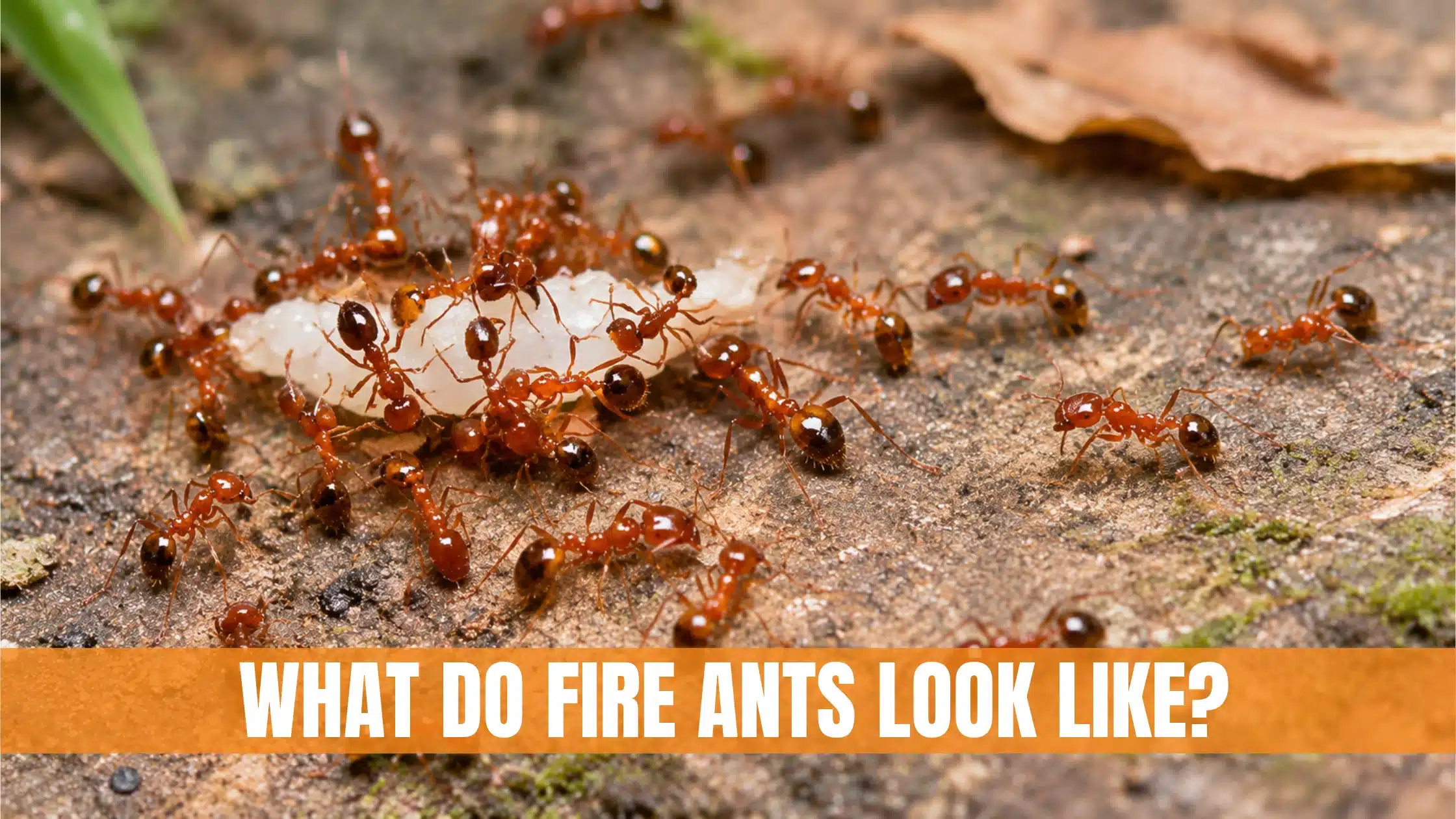
What Do Fire Ants Look Like?
Ants are commonly found in Australian gardens, lawns and outdoor spaces, but some species can pose serious problems. Red imported fire ants are an invasive pest that can threaten people, pets, native wildlife and the environment. Their presence is an important concern for Sydney residents, as fire ants have been detected in New South Wales.
So, what do fire ants look like, and how can you tell them apart from ordinary garden ants? Their reddish-brown bodies, darker abdomens, varying sizes and aggressive behaviour offer useful identification clues. Knowing these features can help homeowners recognise a suspected infestation and take appropriate action before the ants spread further.
In this guide, we’ll explore how to identify fire ants in Australia, recognise their nests, understand where they may be found and learn what to do if you spot them around your property. While professional Ant Pest Control can help manage many common ant problems, suspected red imported fire ants should never be disturbed or treated as an ordinary infestation. Report sightings to NSW biosecurity authorities for proper identification and guidance.
What Are Fire Ants?
Fire ants, scientifically known as Solenopsis invicta, are an invasive ant species originally from South America. They have spread to several parts of the world and are considered a serious biosecurity concern in Australia.
Unlike many common types of ants species, fire ants can establish large colonies and defend their nests aggressively. When disturbed, hundreds of workers may emerge and sting repeatedly.
In Australia, authorities are working to detect and eradicate fire ant populations before they become established in new areas. This makes public awareness and early reporting particularly important for Sydney homeowners and businesses.
The name “fire ant” comes from the intense burning sensation people often experience after being stung. Unlike bees, which sting once, fire ants can sting repeatedly and often attack in large numbers when their nest is disturbed.
What Do Fire Ants Look Like? Size, Colour and Body Shape
Understanding their physical appearance is the first step towards identifying a possible fire ant sighting. Although they can resemble other reddish-brown ants, several features help distinguish them.
1. Reddish-Brown Body Colour
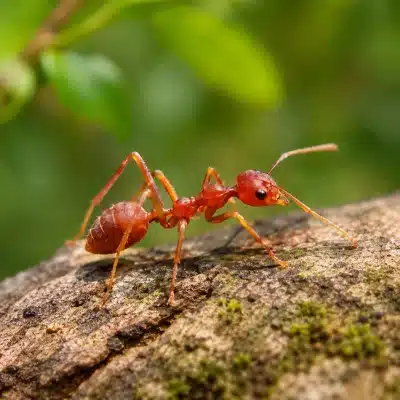
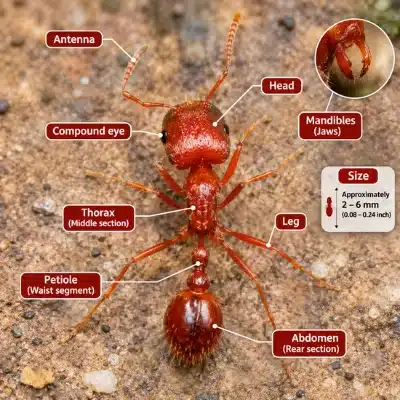
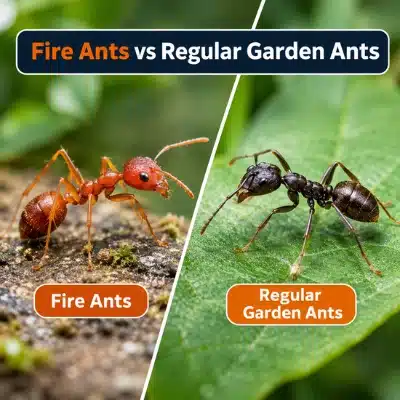
Fire ants generally have a coppery or dark reddish-brown head and middle body, while their abdomen is usually darker brown or almost black. This contrast is one of their most noticeable characteristics.
Their colour can vary slightly depending on their age and colony, so colour alone should not be used to confirm identification.
2. Small Body Size
Adult fire ants are generally between 2 and 6 millimetres long. Their small size means they can easily go unnoticed when moving through grass, garden beds or loose soil.
When examining what fire ants look like, remember that their size can vary considerably within the same colony. Some workers are noticeably smaller than others.
3. Different Sizes Within One Colony
One interesting feature of fire ants is that workers within a single nest are not all the same size. This characteristic is called polymorphism.
Ant colony may contain small, medium and larger workers. This variation can help distinguish fire ants from some other ant species, which often have workers of more uniform sizes.
4. Body Shape and Antennae
Fire ants have three main body sections: the head, thorax and abdomen. Their waist has two distinct segments, and their antennae have club-shaped tips.
These features can be difficult to see without magnification. For accurate identification, trained biosecurity officers may examine the ants more closely.
Why Is It Important to Identify Fire Ants?
Identifying fire ants correctly is essential because these invasive pests can pose risks to people, animals, agriculture and the natural environment. Unlike many common black garden ants, fire ants can attack in groups when their nests are disturbed, making early recognition particularly important for Sydney residents.
Fire ant stings can cause intense pain, swelling and skin irritation. Some people may also experience severe allergic reactions. Their presence can make everyday outdoor activities, including gardening, lawn maintenance and playing in the backyard, potentially risky.
Fire ants can also affect animals and the surrounding environment in several ways:
- Risks to pets and livestock: Multiple stings can cause pain, stress and serious discomfort, particularly in young or vulnerable animals.
- Agricultural damage: Colonies can interfere with crops, grazing areas and farming equipment, affecting agricultural activities.
- Threats to native wildlife: Fire ants prey on insects and other small animals, potentially disrupting local ecosystems.
- Impact on outdoor spaces: Their nests can create hazards in lawns, parks, playgrounds and gardens.
Recognising suspicious ants early and reporting them promptly can help limit their spread. Never disturb or attempt DIY treatment on a suspected fire ant nest.
What Do Fire Ants Nest Look Like?
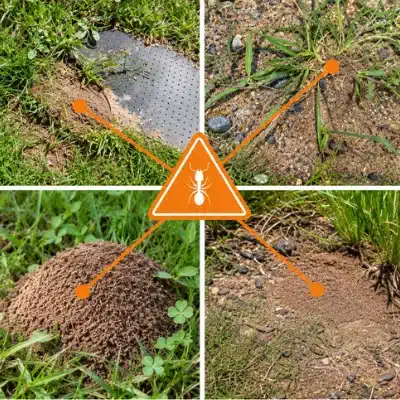
Sometimes, identifying the ant nest is easier than spotting individual ants. Fire ant nests commonly appear as loose, crumbly patches or raised mounds of soil.
Unlike many ordinary ant nests, these mounds usually have no obvious entrance or exit hole at the top.
Common nest characteristics include:
- Loose, fluffy or crumbly soil.
- Flat patches or raised mounds of earth.
- A honeycomb-like appearance inside the nest.
- Mounds that can reach approximately 40 centimetres in height.
- Higher or more noticeable mounds during cooler conditions.
Fire ant nests are commonly found in sunny, open and disturbed areas. However, their appearance can change with weather conditions and the age of the colony.
Never poke, dig into or disturb a suspicious mound to check whether it contains fire ants.
Where Can Fire Ants Be Found Around Sydney?
Sydney residents should remain aware of potential fire ant activity, particularly when inspecting outdoor areas and materials that may transport invasive ants.
These pests can establish nests in:
- Residential lawns and gardens.
- Parks, playgrounds and sporting fields.
- Roadsides and open grassed areas.
- Garden beds and disturbed soil.
- Areas around water meters and utility pits.
- Beneath rocks, timber, bricks and garden materials.
- Recently moved turf, mulch, soil and potted plants.
Fire ants are more commonly associated with sunny, open environments than shaded, undisturbed bushland or indoor living spaces.
When considering what do fire ants look like around a Sydney property, homeowners should pay attention to both the ants and unusual soil mounds in outdoor areas.
How Fire Ants Behave When Disturbed
Fire ant behaviour is an important clue when trying to identify these invasive pests. Unlike many common garden ants that retreat into their nests when disturbed, fire ants can respond aggressively to perceived threats.
When someone accidentally steps on, digs into or damages a fire ant mound, large numbers of worker ants may emerge within seconds. They quickly climb onto nearby surfaces, including shoes, clothing, people and animals, to defend their colony. Their stings can cause intense pain and may trigger allergic reactions in some individuals.
This defensive behaviour makes fire ants particularly concerned around Sydney homes, gardens and outdoor spaces.
Watch for these warning signs:
- Large numbers of ants emerging rapidly from a soil mound.
- Ants climbing aggressively onto nearby objects or people.
- Workers swarming around the disturbed area.
If you notice this behaviour, move away carefully and avoid touching the nest.
How Are Fire Ants Different from Regular Garden Ants?
Many Australian ant species have reddish or brown colouring, which can make identification confusing. However, there are some important differences to consider.
| Feature | Red Imported Fire Ants | Common Garden Ants |
|---|---|---|
| Colour | Reddish-brown with a darker abdomen | Varies by species |
| Size | Approximately 2–6 mm | Varies by species |
| Worker Sizes | Different sizes within one colony | Often more uniform, depending on species |
| Nest Appearance | Loose soil mounds without obvious openings | Often have visible entrances |
| Behaviour | Aggressively swarm when disturbed | Behaviour varies by species |
These differences are useful identification clues, but they are not enough to confirm a fire ant infestation.
Are Fire Ants Dangerous to People and Pets?
Yes. Fire ants can pose a significant risk because they attack in groups when their nests are disturbed. Unlike a single accidental ant bite, an encounter with an active colony can result in multiple painful stings.
Their stings commonly cause an intense burning sensation, redness, swelling and the development of small white pustules. Symptoms can become more uncomfortable over the following hours.
Potential risks include:
- Multiple painful stings.
- Skin irritation and swelling.
- Secondary infections from scratching.
- Allergic reactions.
- Severe allergic reactions, including anaphylaxis.
Pets can also be affected, particularly when they investigate or disturb nests in lawns and gardens. Livestock and native wildlife may face additional risks.
If someone experiences breathing difficulties, facial or throat swelling, dizziness or other signs of a severe allergic reaction, seek emergency medical assistance immediately by calling 000.
Signs That Fire Ants May Be Present on Your Property
Recognising the early signs of fire ants can help Sydney property owners respond before a colony spreads further. These invasive pests often establish nests in lawns, garden beds and other open areas, so regular outdoor inspections are important.
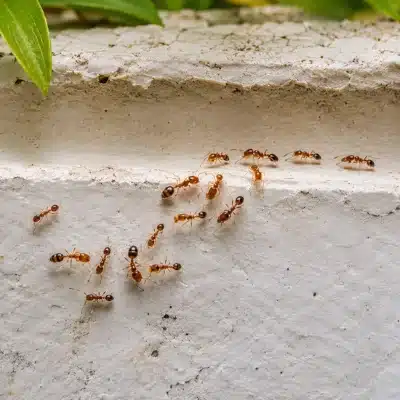
Look out for these possible warning signs:
- Unusual soil mounds: Loose, crumbly mounds may appear in lawns or garden beds and increase in number as colonies develop.
- Ants of different sizes: Workers of varying sizes may be seen moving around the same nest.
- Aggressive swarming: Large numbers of ants may emerge quickly when soil is disturbed during mowing, gardening or landscaping.
- Painful stings: Multiple stings followed by redness, swelling or small white pustules may indicate nearby fire ant activity.
These signs can raise suspicion, but they do not confirm a fire ant infestation.
What Should You Do If You Suspect Fire Ants?
If you suspect fire ants on your Sydney property, taking the right precautions is essential. These invasive ants can become aggressive when disturbed, so avoid approaching or interfering with a suspected nest.
Follow these important steps:
- Do not disturb the nest: Avoid digging, mowing over, spraying chemicals or attempting to remove the mound, as this may trigger aggressive swarming.
- Take photographs: If it is safe, capture clear pictures of the ants and their mound from a distance. These images may help authorities identify the species.
- Avoid moving materials: Do not transport soil, mulch, plants or other materials from the suspected area.
- Report the sighting: Contact the NSW Biosecurity Helpline on 1800 680 244 or use the official NSW Government reporting service.
- Follow official advice: If fire ants are confirmed, allow authorised biosecurity officers to guide the treatment and management process.
Early reporting helps authorities investigate suspected infestations and prevent further spread. Never attempt DIY treatment on suspected fire ant colonies.
How Can Sydney Homeowners Reduce the Risk of Fire Ant Infestation?
Although residents should not attempt to treat suspected fire ant nests themselves, they can take sensible precautions to reduce the risk of accidentally transporting these pests.
Check soil, mulch, turf, potted plants and landscaping materials before moving them, particularly if they originate from areas affected by fire ants.
Other useful precautions include:
- Inspect gardening materials before transporting them.
- Follow current NSW restrictions on moving potentially infested materials.
- Avoid collecting soil or plants from suspicious areas.
- Keep an eye on open lawns and garden beds.
- Report unusual ant activity or suspicious mounds promptly.
These precautions are particularly important for landscaping businesses, gardeners, property managers and anyone regularly transporting soil or garden materials.
Conclusion
Knowing what do fire ants look like can help Sydney residents recognise potential threats and protect their homes, gardens, pets and surrounding environment. Their reddish-brown bodies, darker abdomens, varying sizes and aggressive swarming behaviour are useful identification clues. Loose, crumbly soil mounds without obvious openings may also indicate a possible fire ant nest.
If you spot ants or a suspicious mound that could be linked to fire ants, never disturb the nest or attempt DIY treatment. Take photographs from a safe distance and report the sighting to NSW biosecurity authorities. Early identification and responsible reporting play an important role in limiting the spread of these invasive pests.
For assistance with common ant infestations and other household pests, contact EMK Termite & Pest Control Sydney. Our team provides professional pest management solutions for residential and commercial properties. Get in touch today to discuss your pest concerns and arrange a suitable inspection for your property!
What Our Customers Had To Say


 Trustindex verifies that the original source of the review is Google.
 Trustindex verifies that the original source of the review is Google.
 Trustindex verifies that the original source of the review is Google.
 Trustindex verifies that the original source of the review is Google.
 Trustindex verifies that the original source of the review is Google.
 Trustindex verifies that the original source of the review is Google.
 Trustindex verifies that the original source of the review is Google.
Frequently Asked Questions About Fire Ants
1. What do fire ants look like?
2. Are fire ants found in Sydney, Australia?
3. What do fire ant nests look like?
4.How big are red imported fire ants?
5. How can you distinguish fire ants from regular garden ants?
6. Are fire ants dangerous to humans?
7. What happens if a fire ant nest is disturbed?
8. Can fire ants harm pets and other animals?
9. Where do fire ants commonly build their nests?
10.What should I do if I find suspected fire ants?
11.Can regular ant pest control treatments eliminate fire ants?
12. Can EMK Termite & Pest Control Sydney help with ant infestations?
About The Author

EMK Termite & Pest Control Team
EMK Termite & Pest Control Team is a licensed and experienced pest control service provider based in Sydney, Australia. Our team specialises in termite treatment, cockroach control, spider control, and general pest management for residential and commercial properties.
With years of hands-on experience, we follow Australian safety standards and use proven, eco-friendly pest control methods to deliver long-lasting results. All content published on this website is written and reviewed by trained pest control professionals to ensure accuracy, safety, and real-world expertise.