
Content Published : October 29, 2026
How to Prevent Ant Infestations in Sydney Homes
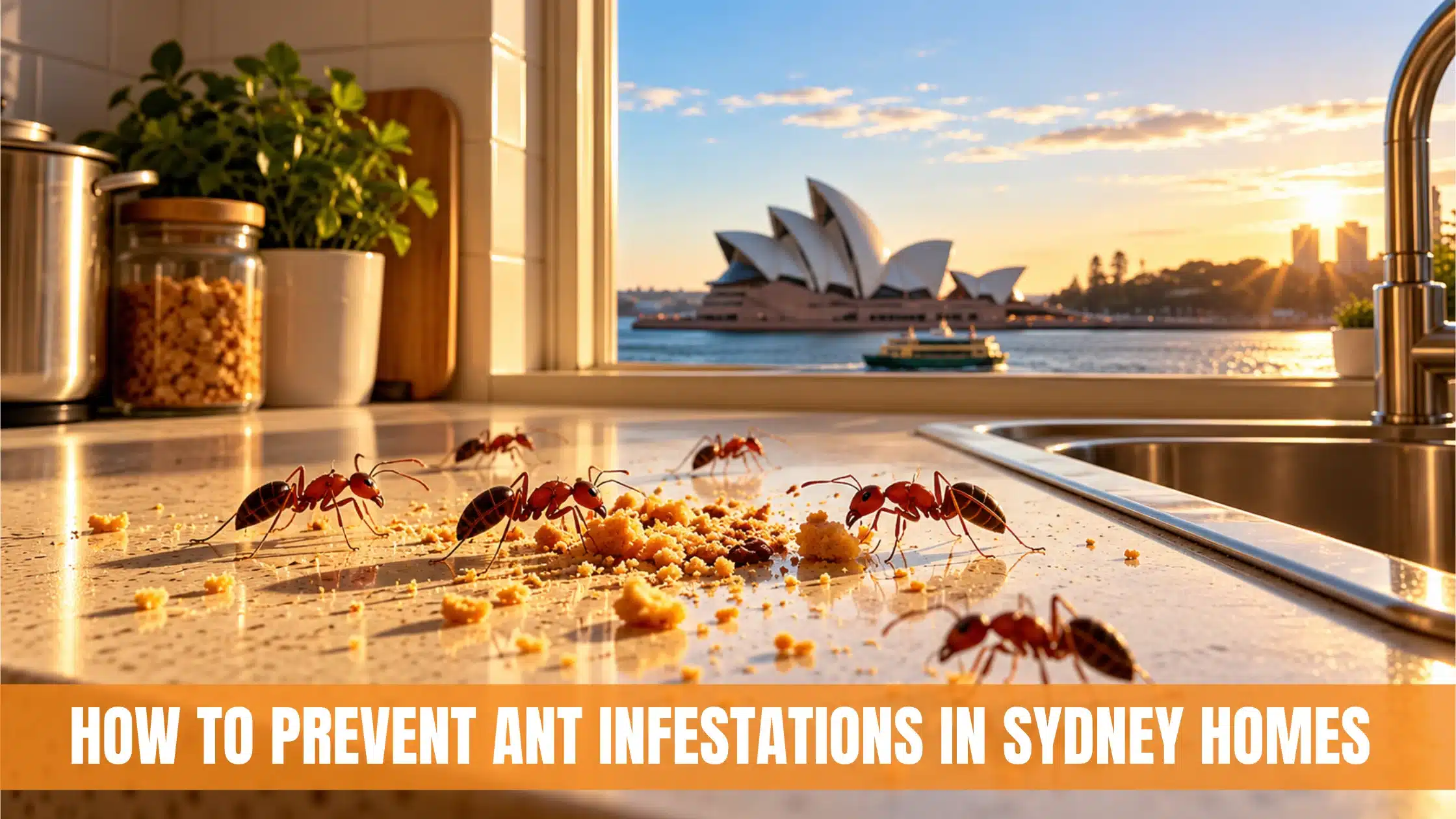
Ants are a common concern for homeowners across Sydney, especially during warmer months when colonies become more active in search of food, water, and shelter. You may notice trails crossing kitchen benches, ants gathering around pet bowls, or nests forming near garden paths and outdoor entertaining areas. While a few ants may seem harmless, repeated sightings can indicate a nearby colony that needs attention.
Preventing an ant infestation begins with identifying what attracts these pests and how they enter your property. Food crumbs, sugary spills, uncovered rubbish bins, and leaking taps can provide easy access to essential resources. Sydney’s warm weather, seasonal rainfall, and garden environments can also create suitable conditions for different ant species to thrive.
Fortunately, simple preventive measures can make your home less attractive to ants. Regular cleaning, airtight food storage, moisture control, garden maintenance, and sealing gaps around doors and windows can help reduce the risk of recurring activity.
In this guide, we explore practical ways to prevent an ant infestation in Sydney homes, explain the common causes of ant activity, and highlight early warning signs to watch for. You’ll also learn when professional ant pest control services may be needed to manage persistent problems and help protect your property.
Why Ant Prevention Matters in Sydney
Ants play an important role in nature by breaking down organic matter and controlling other insects. However, when they enter Sydney homes, kitchens, pantries, and bathrooms, they can contaminate food and become a persistent nuisance. Some species may also bite or sting when disturbed.
Sydney’s warm weather, seasonal rainfall, and garden environments can encourage ant activity throughout the year. Heavy rain may disturb outdoor nests, prompting ants to seek shelter indoors.
An ant infestation often begins when ants discover accessible food or moisture. Workers leave scent trails that guide other ants towards the same resources, allowing a small problem to grow quickly.
Why Is Ant Prevention Important?
- Protect food hygiene: Keep ants away from food preparation surfaces, uncovered meals, and pantry supplies.
- Prevent recurring activity: Clean crumbs, remove sugary spills, and store food in airtight containers.
- Reduce entry points: Seal cracks around windows, doors, pipes, and foundations to limit access.
- Control moisture: Repair leaking taps and remove standing water that may attract ants.
- Maintain outdoor areas: Trim vegetation and remove garden debris near your home.
- Choose suitable treatment: Identifying the ant species helps determine the most effective control method.
Combining regular cleaning, moisture control, and property maintenance can help prevent ant problems.
Understanding Common Australian Ants Found Around Sydney Homes
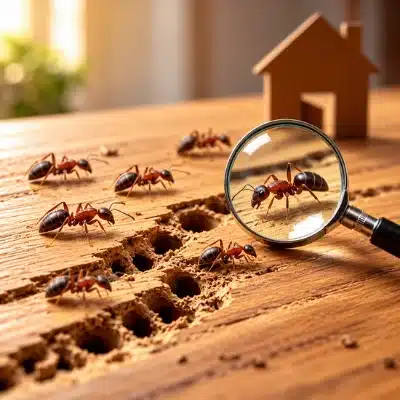
Knowing which type of ant you’re dealing with, makes prevention a lot easier, because different species behave differently. Here are the ones Sydney homeowners run into most often.
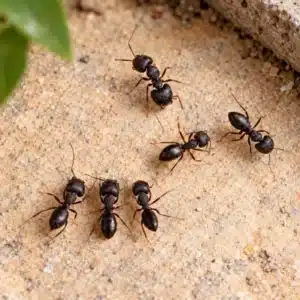
Black House Ants
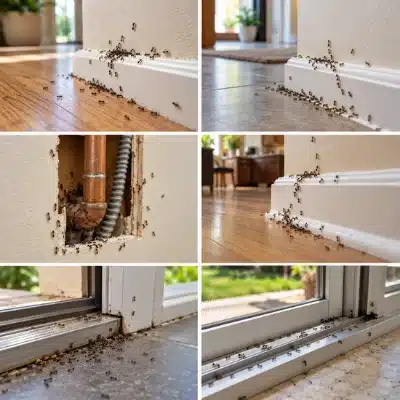
Black house ants are small, dark-coloured insects that often enter buildings while searching for sweet foods, crumbs, and moisture. They may travel along skirting boards, window frames, kitchen benches, and other surfaces that provide convenient routes.
Keep food containers sealed, clean spills promptly, and follow visible trails to identify possible entry points. If the ants repeatedly return, their nest may be hidden outdoors or inside a wall cavity.
Coastal Brown Ants
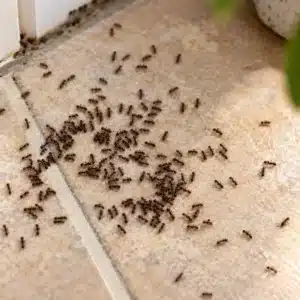
Coastal brown ants commonly nest in soil around paths, garden beds, paving, and rockeries. They may enter buildings through cracks or gaps around doors and foundations while searching for food.
Their nests can include interconnected areas, so treating only the ants visible on a surface may not resolve the underlying problem. Maintaining garden edges and checking gaps around the building can help reduce access.
Carpenter Ants
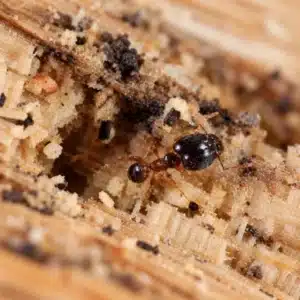
Carpenter ants may nest in decaying timber, tree stumps, damp wood, and other sheltered outdoor locations. Some species occasionally enter homes in search of food.
Although carpenter ants generally excavate softened or damaged wood rather than sound, dry timber, their presence can indicate moisture or timber deterioration nearby. Inspect leaking areas, damaged window frames, and damp outdoor structures if you notice repeated activity.
White-Footed House Ants
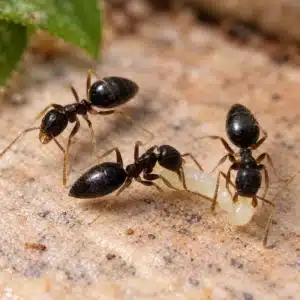
White-footed house ants may establish nests in wall cavities, behind cupboards, and around other sheltered parts of a building. They can be difficult to manage because colonies may occupy several connected nesting locations.
If ants keep appearing in different rooms, avoid relying solely on surface sprays. Identifying their routes and using a suitable treatment strategy may be more effective.
Early Signs of an Ant Infestation You Shouldn’t Ignore
The earlier you spot trouble, the easier it is to fix. Keep an eye out for these warning signs around your home:
- Persistent trails. If you see ants following the same path day after day, there’s a nest somewhere nearby, and it’s well established.
- Tiny soil mounds. Small piles of fine dirt along paving, driveways or the base of your walls often mean a nest right underneath.
- Winged ants after humid weather. Flying ants emerging after warm, wet days are reproductive ants looking to start new colonies, and they’re a sign a mature nest is close by.
- Fine sawdust-like debris. Small piles of wood shavings near timber skirting, window frames or decking can point to carpenter ants.
- Rustling in the walls. On a quiet night, you might actually hear faint crinkling sounds if a big colony is nesting in a wall cavity.
- Ants in several rooms. One trail in the kitchen is a warning. Trails in the kitchen, bathroom and bedroom mean the colony has grown comfortable.
If you notice two or more of these, treat it seriously and start with the prevention steps below.
10 Practical Ways to Prevent Ants Infestation in Sydney Homes
1. Keep Kitchen Surfaces Clean
The kitchen is one of the first places ants investigate because it often provides easy access to food and water. Even a few crumbs, sticky drink spills, or traces of cooking oil can attract foraging workers.
Wipe benches after preparing meals, clean dining tables regularly, and sweep floors to remove food particles. Pay attention to areas beneath the toaster, refrigerator, microwave, and dining furniture, where crumbs can accumulate unnoticed.
Wash used dishes promptly rather than leaving them in the sink overnight. If you have children or pets, check for dropped food around high chairs, feeding areas, and kitchen corners.
Consistent cleaning removes the rewards that encourage ants to keep returning.
2. Store Food in Airtight Containers
Open food packets can provide an easy meal for ants, especially when they contain sugar, honey, biscuits, cereals, or other dry goods.
Transfer opened products into sealed containers and check pantry shelves for crumbs or sticky residue. Keep fruit in suitable covered storage, and clean jars around their lids before returning them to the cupboard.
Avoid leaving uncovered food on benches for extended periods. If you regularly entertain guests or prepare outdoor meals, put leftovers away as soon as possible.
These simple habits make your kitchen less attractive and help prevent an ant infestation from becoming established around food storage areas.
3. Manage Rubbish and Recycling Properly
Household waste can attract ants when food residue builds up inside bins or around recycling containers. Sweet drink cans, discarded fruit, meat packaging, and leftover takeaway food are common sources of attraction.
Choose bins with secure lids and empty indoor rubbish regularly, particularly during Sydney’s warmer months. Clean the inside and outside of bins when residue develops, and rinse recyclable containers before placing them in recycling.
Keep outdoor bins away from doors and windows where practical. Make sure the surrounding area remains clean and free from food scraps.
For households that compost, use a properly maintained composting system and avoid allowing exposed food waste to accumulate near the house.
4. Fix Leaks and Reduce Excess Moisture
Ants need water to survive, so moisture can make certain parts of a home more appealing. Leaking taps, dripping pipes, damp cupboards, and condensation around plumbing may attract foraging ants.
Inspect kitchens, bathrooms, laundries, and areas beneath sinks for signs of moisture. Repair leaking fixtures and dry wet surfaces instead of allowing water to collect.
Check outdoor taps and air-conditioner drainage areas, too. Make sure water drains away from the building rather than pooling near foundations or garden beds.
Reducing unnecessary moisture will not eliminate every ant colony, but it removes one of the resources that can encourage ants to visit or nest near your property.
5. Seal Cracks and Entry Points
Ants can enter through surprisingly small openings. Gaps around windows, door frames, pipes, utility lines, skirting boards, and foundations can provide access from gardens or hidden nesting sites.
Inspect your home’s exterior and interior for cracks or deteriorating seals. Use suitable caulking or weatherstripping to close gaps where appropriate, and repair damaged flyscreens.
Pay particular attention to openings around plumbing and cables, as these can connect indoor spaces with wall cavities or outdoor areas.
Sealing entry points works best alongside good hygiene and moisture control. If ants continue appearing despite these measures, their nest may be inside the building or located nearby.
6. Maintain Your Garden and Outdoor Areas
Sydney gardens can provide ants with food, moisture, nesting materials, and shelter. Dense vegetation touching exterior walls may also give insects convenient routes towards windows and rooflines.
Trim branches and shrubs away from the house, remove dead plant material, and clear unnecessary clutter from outdoor areas. Check beneath pots, paving stones, garden edging, and timber stored against walls for signs of ant activity.
If you use mulch, avoid piling it directly against the building or allowing it to remain excessively damp. Repair leaking irrigation systems and prevent water from collecting around garden structures.
Do not remove every ant nest automatically, as many native ants are beneficial to the environment. Focus on preventing unwanted entry and seek identification when an unfamiliar or potentially invasive species is suspected.
7. Clean Up After Outdoor Dining
Barbecues, picnics, and outdoor gatherings are part of the Sydney lifestyle, but leftover food can quickly attract ants.
After entertaining, wipe tables, clean barbecue surfaces, sweep patios, and collect dropped food. Store sauces, sugary drinks, and leftovers in sealed containers rather than leaving them outside.
Wash reusable plates and utensils promptly, and keep pet food bowls clean. If you feed pets outdoors, remove uneaten food once feeding is finished.
Remember to check under outdoor furniture and around decking, where food scraps may remain after a gathering. Cleaning these areas regularly can reduce the chances of ants establishing repeated feeding trails close to your home.
8. Inspect Indoor Plants and Stored Items
Potted plants, cardboard boxes, and unused items can provide sheltered spaces for ants. Some ants may nest in potting media or beneath containers, while others use stored materials as routes into a building.
Check plant pots before bringing them indoors, especially if they have been sitting outside for long periods. Avoid leaving water trapped in saucers, and inspect the soil surface when you notice repeated ant activity.
Keep storage areas organised and avoid stacking cardboard directly against damp walls. Periodically inspect garages, sheds, cupboards, and rarely used rooms.
If you find ants around an indoor plant, look for the source before applying any pesticide. Products intended for outdoor garden use may not be suitable for indoor application.
9. Use Ant Baits Carefully When Needed
When basic prevention is not enough, an appropriate ant bait may help manage certain species. Worker ants collect the bait and carry it back to the colony, where it can be shared with other ants.
Baits are not instant solutions, and their effectiveness depends on the species, bait formulation, placement, and availability of competing food sources. Follow the product label carefully and keep bait away from children, pets, food preparation surfaces, and areas where it could be disturbed.
Avoid spraying directly over bait stations unless the product instructions specifically allow it. Some sprays may deter ants from reaching the bait, reducing its effectiveness.
If you are unsure which product to choose or the ants keep returning, professional advice can help you avoid ineffective or inappropriate treatments.
10. Monitor Ant Activity Regularly
Prevention is easier when you notice changes early. Check kitchens, pantries, laundry rooms, bathrooms, garages, and outdoor dining areas for trails or clusters of ants.
When you see activity, note where the ants appear, the time of day, and whether they are travelling towards food, water, a window, or a crack. Follow the trail from a safe distance to identify likely entry points without disturbing the nest unnecessarily.
Clean the affected area and remove the attractant. If the ants continue returning to the same location, consider whether a hidden nest or multiple nesting sites may be involved.
Regular monitoring is particularly useful in properties with established gardens, older construction, or recurring moisture problems.
Why Ants Become More Active During Sydney’s Summer
Sydney’s warm summer weather often encourages ants to search for food and water more frequently. Although activity varies by species and local conditions, rising temperatures, rainfall, and changing soil moisture can influence their movement and nesting behaviour. As a result, homeowners may notice more ants around their properties during summer.
Several factors contribute to increased ant activity:
- Warm temperatures: Heat can increase ant movement and foraging as colonies search for food and suitable nesting conditions.
- Changing weather: Heavy rainfall may disturb outdoor nests, while dry conditions can push ants towards reliable indoor water sources.
- Accessible food: Barbecues, sugary drinks, food crumbs, fallen fruit, and overflowing rubbish bins can attract foraging ants.
- Moisture sources: Leaking taps, bathroom sinks, pet bowls, and damp garden areas may provide the water ants need.
To reduce the risk of an ant infestation, store food in airtight containers, clean spills promptly, empty rubbish bins regularly, and repair leaking pipes. Keep gardens tidy and trim vegetation touching exterior walls to limit potential entry routes.
Natural and DIY Methods To Control Ant Infestation
Natural remedies and DIY treatments can help manage a small ant infestation, but their effectiveness depends on the size of the colony and the location of the nest. Understanding their limitations can help you choose the right approach for your Sydney home.
Here are some practical methods worth considering:
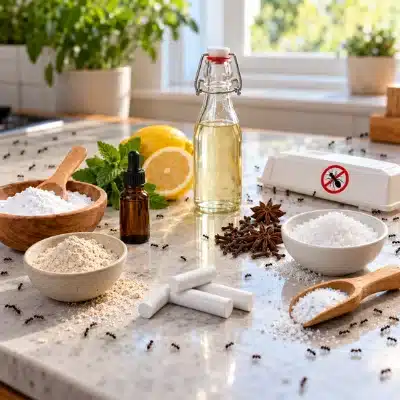
- White vinegar solution: Mix equal parts white vinegar and water, then wipe ant trails and nearby surfaces. This helps remove scent trails that guide ants towards food, but it does not eliminate the nest.
- Natural repellents: Peppermint oil, cloves, and cinnamon may discourage ants from crossing certain areas, such as window sills and doorways. However, their effects are usually temporary.
- Ant baits: Slow-acting baits are often more effective because worker ants carry the bait back to the colony, helping spread it among other ants. Avoid spraying ants near bait stations, as this may interfere with feeding.
- Safe placement: Position commercial ant gels or bait stations near active trails, following the product label. Keep them away from children, pets, food, and food preparation surfaces.
DIY methods work best when ant activity is limited and detected early. Maintain cleanliness, seal entry points, and remove accessible food sources to support your efforts.
Common Mistakes That Make Ant Problems Worse
Even with good intentions, some household treatments can make ant control less effective. Understanding these mistakes can help you choose a better approach.
Relying only on surface sprays: Spraying visible ants may remove some workers without addressing the nest. Some sprays can also interfere with baiting strategies, depending on the product used.
Ignoring the source of the trail: Wiping away ants without finding their food source or entry point may allow the same route to become active again.
Leaving food and water accessible: Uncovered leftovers, dirty dishes, pet food, and dripping taps can continue attracting ants even after treatment.
Using too many products at once: Combining different insecticides or applying products contrary to label directions may create unnecessary exposure risks and reduce treatment effectiveness.
Disturbing nests without a plan: Some species have complex colonies, and disturbing them can make their distribution harder to manage.
The key is to identify what attracts the ants, understand where they are coming from, and select a suitable control method. Persistent activity may require a more targeted approach than routine cleaning alone.
When Should You Contact a Professional Pest Control Service?
Occasional ants in the garden do not necessarily require professional treatment. However, repeated sightings inside your home may indicate a persistent nesting site or access to an ongoing food or water source.
Consider professional assistance if you notice any of the following:
- Ant trails keep returning after you have cleaned the affected areas and sealed obvious gaps.
- Ants appear in several rooms or emerge from wall cavities, cupboards, or other inaccessible spaces.
- You cannot identify the species or locate the likely nest.
- DIY treatments have not provided lasting results.
- You suspect a biting or stinging species or an unfamiliar invasive ant.
A professional technician can inspect the property, identify likely nesting and entry points, and recommend treatment suited to the ant species and site conditions. Depending on the situation, this may involve baiting, targeted insecticide application, nest treatment, or a combination of approaches.
For homeowners experiencing a recurring ant infestation, professional assessment can help address the underlying cause rather than simply removing the ants that are visible.
Sydney pest control professionals provide pest management services for residential and commercial properties. If ants continue to appear in your home or business, contact the team to discuss suitable ant control options and preventive measures.
Conclusion
Preventing ants in Sydney homes starts with removing the conditions that attract them. Regular cleaning, secure food storage, moisture control, garden maintenance, and sealing entry points can make your property less appealing to foraging ants.
If you continue noticing an ant infestation despite taking these steps, the source may be a hidden nest or a colony that requires targeted treatment. Rather than relying on repeated surface sprays, consider a professional assessment to identify the cause and determine suitable control options.
For help with recurring ant problems, contact EMK Termite & Pest Control Sydney to discuss your property’s needs. A practical combination of prevention, monitoring, and appropriate pest management can help keep your home more comfortable throughout the year.
What Our Customers Had To Say


Frequently Asked Questions About Ant Infestation
1. Why do ants keep returning to my Sydney home?
Ants may return because they still have access to food, moisture, or a sheltered nesting site. Chemical scent trails can also guide other workers to the same resource. Cleaning the area, sealing entry points, and identifying the source can help reduce repeat activity.
2. Does rain cause ants to enter houses?
Rain can disturb some outdoor nests or change soil conditions, encouraging ants to seek shelter elsewhere. However, not every ant species responds in the same way. Gaps around doors, windows, and foundations can provide access when ants move indoors.
3. Are ant baits better than sprays?
Neither method is best in every situation. Suitable baits can help target certain colonies, while sprays may be useful for specific applications. The right option depends on the species, nesting location, and product instructions. Avoid combining treatments unless the labels or a qualified professional indicate that it is appropriate.
4. How can I keep ants out of my kitchen?
Wipe benches, sweep floors, store food in airtight containers, clean spills promptly, empty rubbish regularly, and repair leaks. Check window frames, doorways, and pipe openings for gaps that ants could use to enter.
5. When should I seek professional ant control?
Seek professional help when ants repeatedly return, appear in multiple rooms, nest in inaccessible locations, or remain active despite preventive measures. A technician can identify the species and recommend an appropriate treatment strategy.
6. What attracts ants to my home in Sydney?
Ants are commonly attracted to food crumbs, sugary spills, uncovered food, pet food, and accessible water. Overgrown vegetation and damp areas around your property may also encourage ant activity. Keeping your home clean, storing food securely, and fixing leaks can help reduce the risk of an ant infestation.
7. How long does it take to get rid of an ant infestation?
The time required depends on the ant species, colony size, and treatment method. Some minor problems may improve within a few days, while established colonies can take several weeks to manage. Ant baits may require time to reach the colony, so follow the product instructions and monitor activity.
8. Can ants damage my Sydney property?
Most household ants are primarily a nuisance, but some species can cause property concerns. Carpenter ants, for example, may excavate nesting galleries in damp or damaged timber. If you notice unusual timber damage or persistent ant activity around wooden structures, arrange an inspection to identify the cause.
9. Why are ants appearing in my bathroom?
Bathrooms provide moisture that ants may need, particularly during hot, dry weather. Leaking taps, damp flooring, plumbing gaps, and condensation can attract them. Repair leaks, improve ventilation, and seal openings around pipes to make your bathroom less attractive to ants.
10. Do natural remedies permanently eliminate ants?
Natural remedies such as vinegar solutions and certain essential oils may disrupt scent trails or discourage ants temporarily. However, they generally do not eliminate the colony or queen. For a persistent ant infestation, suitable baiting methods and professional pest control may provide more effective long-term management.
11. How can I prevent ants from nesting around my house?
Keep garden areas tidy, remove fallen fruit and decaying plant material, manage moisture, and avoid leaving food scraps outdoors. Seal cracks around foundations and entry points where practical. Regularly checking your property’s exterior can help you identify developing ant activity before it spreads indoors.
12. Is professional ant pest control safe for children and pets?
Professional ant control can be carried out with appropriate precautions. Safety depends on the products used, application method, and household conditions. Inform your technician about children and pets, and follow all re-entry instructions and product-specific safety advice after treatment.
About The Author
