
Content Published : September 21, 2026
What Do Ant Nests Look Like?
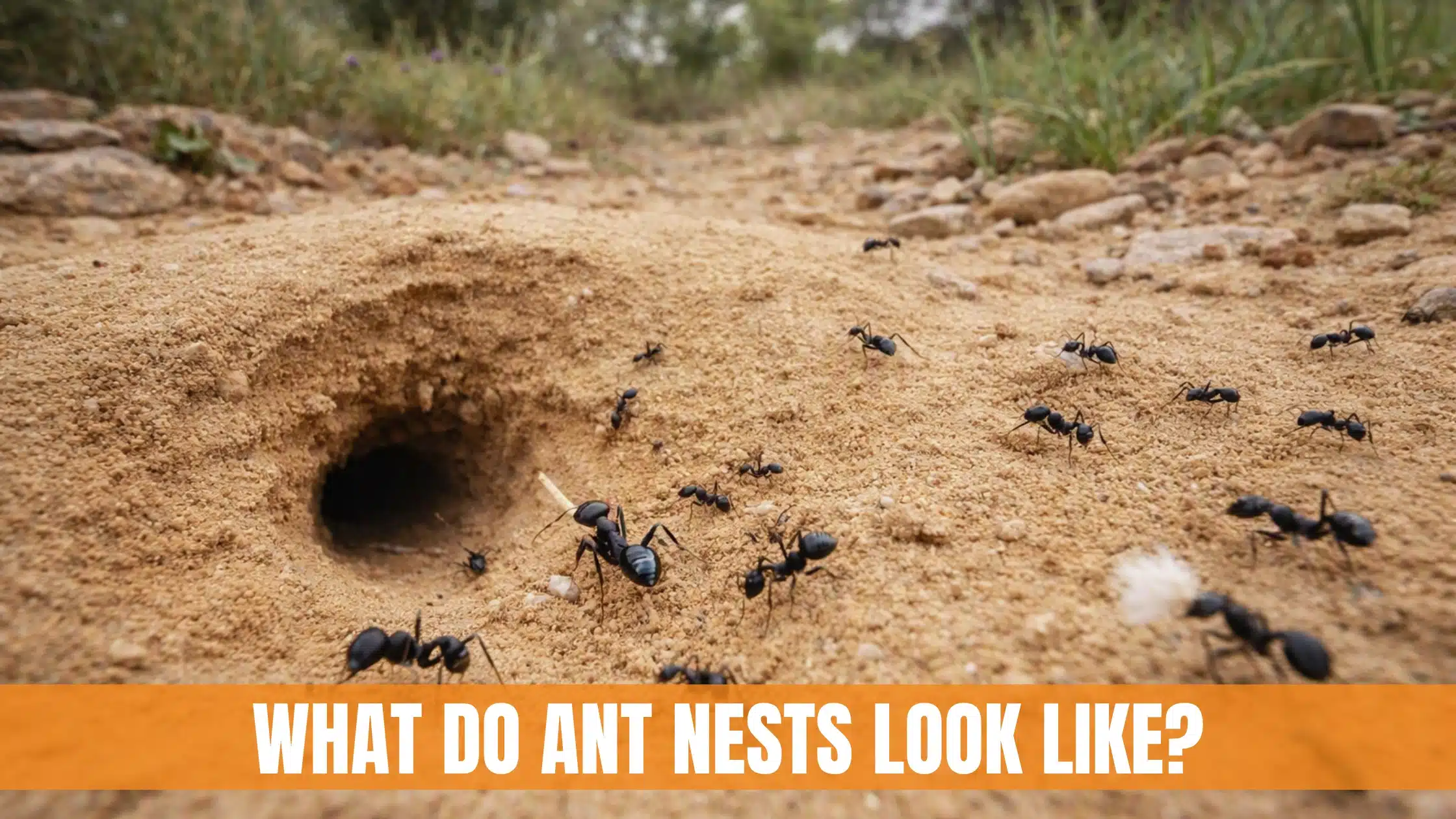
Ant nests can look very different depending on the species, location, and size of the colony. Some are easy to notice, while others remain hidden beneath soil, timber, walls, or other sheltered areas. Understanding what an ant nest looks like can help you identify an infestation before it becomes a bigger problem.
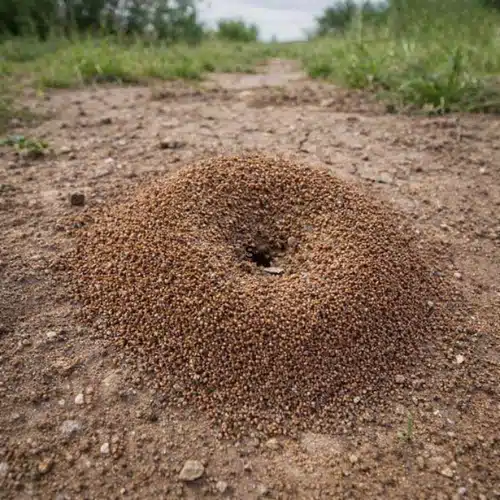
Outdoor nests may appear as small holes surrounded by loose soil, raised mounds, cracks in the ground, or piles of leaves and organic debris. However, the visible entrance is often only a small part of the colony. Many ants create underground tunnels and chambers that extend well below the surface.
Inside or around homes, ant nests may be found near wall cavities, under floors, around foundations, inside damaged timber, beneath paving, or close to moisture sources. You may notice trails of worker ants, small piles of soil or debris, discarded insect parts, or ants repeatedly emerging from cracks and gaps.
If you discover signs of an active nest, avoid disturbing it unnecessarily. Identifying the ant species and locating the main nesting area can make treatment more effective. For persistent infestations, professional ant control can help determine the source and recommend an appropriate treatment approach.
How To Identify An Ant Nest
The appearance of an ant nest depends on the species and where the colony has established itself. Outdoors, nests may look like small holes, loose soil, or raised mounds in lawns, gardens, cracks, or beneath paving. Indoors, ants may build hidden nests inside wall cavities, under floors, around foundations, or in other sheltered areas. Some nests can be difficult to identify because termite colonies and other insects may create similar structures.
Ants commonly use materials such as soil, wood, leaves, and other plant matter when creating or expanding their nesting areas. Their nesting habits can generally be grouped into three types:
- Soil nesters: These ants dig tunnels and chambers beneath the ground, sometimes leaving visible soil around the entrance.
- Opportunist nesters: They use existing gaps, cracks, cavities, or sheltered spaces in buildings and natural environments.
- Wood nesters: These ants establish colonies inside damaged, decaying, or sometimes damp timber, using the wood as protection and nesting space.
If you notice ant trails or possible nesting activity, identifying the species and locating the colony can help determine the most suitable ant control approach.
Where Ant Nests Are Commonly Found in Sydney Homes
Ants usually choose nesting locations that provide shelter, warmth, moisture, and easy access to food. Rather than building colonies in open areas, they often prefer quiet, protected spaces where they can remain undisturbed. Knowing where ants commonly hide can help homeowners identify an infestation early and take suitable ant control measures.
Common Hidden Nest Locations
- Wall cavities: Gaps between studs, hollow bricks, plaster voids, and areas behind skirting boards can provide secure nesting spaces.
- Roof voids: Warm, sheltered roof spaces and insulation can attract colonies, particularly when conditions remain undisturbed.
- Under floors: Subfloor spaces and areas beneath floorboards offer darkness, moisture, and easy access to soil.
- Kitchens: Ants may nest behind appliances, beneath sinks, inside cupboards, or near benchtops where food and water are available.
- Bathrooms and laundries: Leaking pipes, drains, condensation, and damp timber can create favourable conditions.
- Gardens and foundations: Outdoor colonies may develop beneath pavers, mulch, concrete edges, garden beds, or loose soil.
Why Do Ants Choose These Areas?
Moisture, food crumbs, grease, sugary spills, warmth, and tiny cracks can make these locations attractive. Fixing leaks, cleaning food residues, reducing clutter, and sealing entry points can help discourage ants from establishing nests around your property.
How to Locate & Remove an Ant Colony — Step by Step
Step 1: Find Entry Points
Start by inspecting areas where ants may enter your property. Check around window frames and sills, door gaps and thresholds, and openings around pipes, cables, and electrical points. Also look at cracks in walls, brickwork, foundations, and concrete expansion joints. Sealing these gaps can help reduce ant activity.
Step 2: Track Their Movement
Once you spot ants, observe their trail for 10–15 minutes without disturbing them. Follow the direction they travel and see where they disappear. Pay attention to the food they are attracted to. Sweet foods may attract sugar-feeding ants, while grease or protein-rich foods can attract other species. Their trail can provide clues about where the colony is hiding.
Step 3: Confirm the Nest Location
Ant colonies may be hidden in hard-to-reach areas. Common locations include wall voids near switches and power points, roof insulation around kitchens and bathrooms, subfloor soil or timber, and spaces behind cabinets or appliances. Avoid disturbing hidden nests unnecessarily. If activity is widespread or the colony cannot be located safely, professional ant control can help identify the source and choose a treatment.
DIY Ant Nest Removal: Methods That Work and Methods to Avoid
DIY ant nest removal can help with minor infestations, but not every method works equally well. Understanding the right approach can help you control ants without disturbing or spreading the colony.
Boiling Water
Boiling water can be used on outdoor ant nests in soil, lawns, or gaps under pavers. Pouring it directly into the nest may kill ants near the surface. However, deeper parts of the colony can remain unaffected. It is not suitable indoors and should never be poured near electrical outlets, wiring, or materials that could be damaged by heat.
Diatomaceous Earth
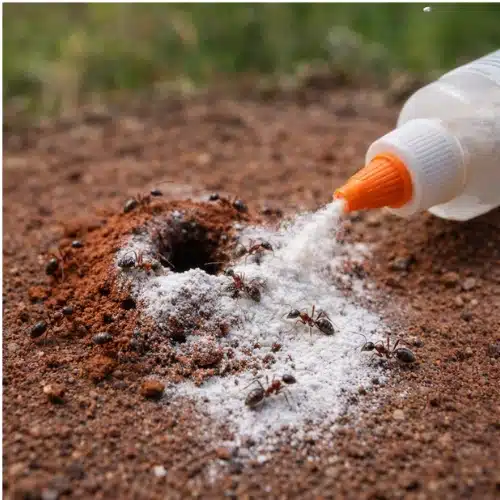
Diatomaceous earth is a fine powder that damages the protective outer layer of insects and can cause dehydration. It may help around dry ant trails, cracks, and sheltered areas when used as directed. However, it becomes less effective when wet or exposed to moisture.
Surface Sprays and Aerosols
Surface sprays can kill ants on contact but may not reach the colony. Repeated spraying may disrupt ant trails without solving the underlying infestation.
DIY Ant Baits
Ant baits can be useful because worker ants may carry bait back to the colony. Results depend on choosing the right product and placing it correctly. If ants keep returning, professional ant control can help locate the colony and choose treatment for better long-term results effectively.
Why Are Ant Nests So Difficult to Eliminate?
Getting rid of an ant nest can be challenging because colonies are hidden, organised, and capable of adapting when disturbed. Killing visible ants may offer temporary relief, but it does not always solve the underlying infestation.
Here are some common reasons ant nests are difficult to eliminate:
- Multiple Queens: Some ant species can have more than one queen. Even if one queen is affected, other queens may continue producing new workers and keeping the colony active.
- Satellite Nests: A single colony may have several connected nesting areas around a property. These can be found in gardens, wall cavities, roof spaces, under paving, or beneath floors, making complete ant control more difficult.
- Colony Relocation: When a nest is disturbed, some ant species may move workers and young ants to another suitable location. This can make the infestation seem to spread rather than disappear.
- Deeply Protected Queens: Queens are usually located deeper inside the colony and are not easily reached by surface sprays. Worker ants also protect and maintain the nest.
Because of these factors, effective ant nest removal requires proper identification, careful inspection, and a treatment approach suited to the species and nesting location. If ants continue returning after DIY treatment, professional ant control can help locate hidden colonies and address the problem more effectively.
Common Ant Species Found in Sydney Homes
Sydney properties can experience different types of ants, and identifying the species is an important first step toward effective ant control. Each species has different nesting habits, food preferences, and behaviours.
Black House Ants
Black house ants are commonly found around homes and are often attracted to sweet foods such as sugar, honey, and syrups. They may build nests in wall cavities, kitchens, roof voids, and behind skirting boards. Keeping food sealed and cleaning spills can help reduce activity.
Coastal Brown Ants
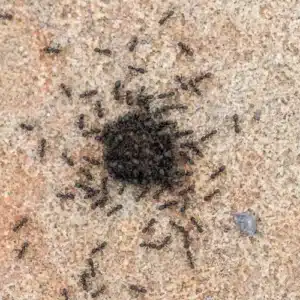
Coastal brown ants are widespread across many Sydney areas. They often nest outdoors beneath pavers, concrete, mulch, and garden materials. During wet or hot weather, they may move indoors while searching for suitable conditions or food.
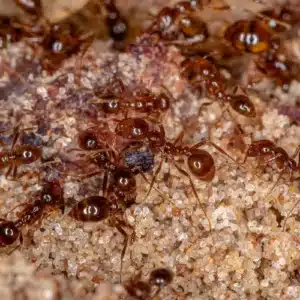
Carpenter Ants
Carpenter ants are associated with damp, decaying, or weathered timber. They can establish nests around roof voids, subfloors, window frames, and wooden structures. Regularly checking moisture-prone timber can help identify problems early.
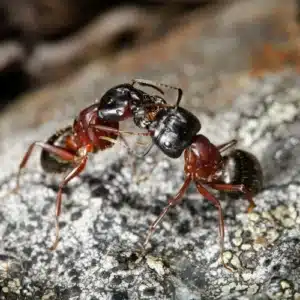
Fire Ants
Fire ants can deliver painful stings and should not be disturbed. They typically build visible soil mounds outdoors. If you suspect fire ants, avoid handling the nest and seek professional advice for safe identification and control.
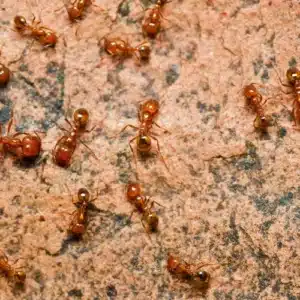
How to Get Rid of an Ant Nest
Getting rid of an ant nest requires more than simply killing the ants you can see. The main goal is to reduce colony activity and address the nest or source of the infestation. Because some species have multiple queens or hidden nesting areas, the right approach depends on the ant species and where the colony is located.
Here are some methods that may help with minor infestations:
- Ant Baits: Slow-acting baits can be carried by worker ants back to the colony. When used according to the product label, this can help reach ants that are not visible.
- Diatomaceous Earth: This fine powder can affect ants when they come into direct contact with it. It works best in dry, protected areas and should be applied as directed.
- Vinegar Solution: A diluted vinegar solution may help clean ant trails and remove scent cues that guide other ants. However, it usually does not eliminate an established colony.
- Indoor vs Outdoor Nests: Indoor nests may require targeted baits or suitable traps, while outdoor nests can be more difficult to reach and may require professional treatment.
How To Prevent Future Ant Nest Infestation In Your Sydney Homes
Preventing ant infestations is easier when you make your home less attractive to ants. A few simple maintenance habits can reduce food sources, moisture, and access points that encourage ants to settle around your property.
- Keep Food Areas Clean: Wipe up crumbs, spills, and food residue quickly. Store sweet foods, pet food, and other attractants in sealed containers, and empty rubbish bins regularly.
- Seal Entry Points: Inspect doors, windows, walls, and areas around pipes or utility lines. Seal visible cracks and gaps to reduce the places ants can use to enter your home.
- Control Moisture: Repair leaking taps and pipes, improve ventilation, and avoid leaving standing water around the property. Damp areas can provide favourable conditions for some ants.
- Trim Nearby Vegetation: Keep branches, shrubs, and other plants trimmed away from walls and roofs. Ants can sometimes use vegetation as a pathway into buildings.
- Improve Drainage: Make sure rainwater drains away from the building rather than collecting near foundations, paving, or garden areas. Good drainage can help reduce moisture around potential nesting locations.
Regular inspections can also help you spot ant trails or nesting activity before the problem becomes established.
Conclusion
Preventing and removing ant nests requires more than treating the ants you can see. Identifying entry points, removing food sources, controlling moisture, and keeping outdoor areas tidy can help reduce the chances of recurring infestations. When ants continue to return, hidden nests or multiple colonies may be responsible, making professional assessment a practical option. EMK Termite & Pest Control Sydney provides professional ant control solutions for residential and commercial properties, helping identify ant activity and recommend suitable treatment options. Contact EMK Termite & Pest Control Sydney today to arrange an inspection and take the right steps toward a cleaner, ant-free property.
What Our Customers Had To Say
 Posted on Google
 Rami Anwer
Trustindex verifies that the original source of the review is Google.
We had such a great experience with the pest control service. From start to finish, everything was quick, easy and completely hassle-free. The team were professional, friendly and made the whole process so simple. We’re really happy with the results and the quality of the service we received from Eevil. I would definitely recommend EMK to anyone looking for a reliable pest control company!Posted on Google Rena NajimReally happy with the service today. Professional, friendly and did a great job. Would definitely recommend!Posted on Google
 David DavidEMK provided excellent pest control service. He was professional, punctual, and knowledgeable, explained the process clearly, and ensured it was safe for our family and pets. We saw great results straight away. Friendly, reliable, and highly recommended.Posted on Google
 Ann TranWe highly recommend EMK Termite and Pest Control Sydney. Great service, great prices, friendly and very accommodating. They are very thorough and take pride in their work. Cannot rate them high enough. 5 stars 🌟Posted on Google
 Charlton DurieI had these guys come and sort a termite issue. They got the job done. Thanks again!Posted on Google
 David MarshSuper happy with EMK for getting rid of such a horrible termite infestation! Professional and very friendly.Posted on Google
 Michael ZammitJust had EMK come out to do a rodent control treatment. The service and professionalism was superb!Verified by TrustindexTrustindex verified badge is the Universal Symbol of Trust. Only the greatest companies can get the verified badge who has a review score above 4.5, based on customer reviews over the past 12 months. Read more
Frequently Asked Questions About Ant Nests
How do I get rid of an ant nest in my house?
How do I find the source of an ant infestation?
What do ant nests look like inside a house?
How do I find an ant nest in a wall?
What is an ant nest called?
Can an ant nest damage my home?
How long does it take to get rid of an ant colony?
Can ants have more than one nest?
Should I destroy an ant nest myself?
How can I prevent ants from nesting around my home?
About The Author

EMK Termite & Pest Control Team
EMK Termite & Pest Control Team is a licensed and experienced pest control service provider based in Sydney, Australia. Our team specialises in termite treatment, cockroach control, spider control, and general pest management for residential and commercial properties.
With years of hands-on experience, we follow Australian safety standards and use proven, eco-friendly pest control methods to deliver long-lasting results. All content published on this website is written and reviewed by trained pest control professionals to ensure accuracy, safety, and real-world expertise.