
Content Updated: August 20, 2026
How to Get Rid of Carpet Beetles in Sydney
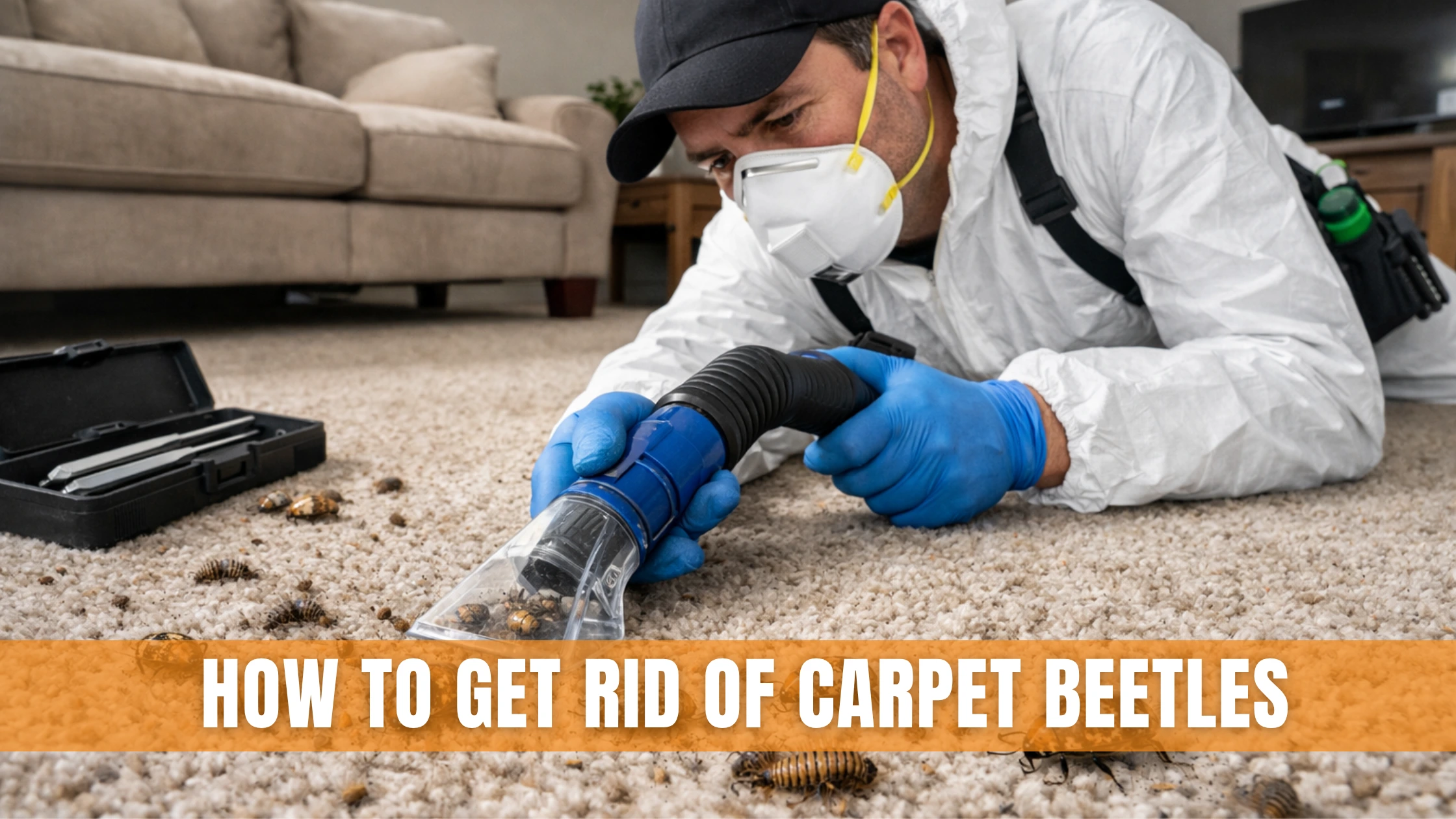
Getting rid of carpet beetles starts with finding the source of the infestation rather than simply removing the adult beetles you can see. Carpet beetle larvae can hide in carpets, rugs, wardrobes, furniture, stored clothing and other quiet areas, making infestations difficult to spot.
Start by vacuuming carpets, carpet edges, cracks, furniture, cupboards and other hidden spaces thoroughly. Pay close attention to areas where you notice larvae, shed skins or signs of fabric damage. Wash or professionally clean affected clothing, bedding and other washable fabrics to help remove eggs and larvae. If heavily infested items cannot be treated effectively, disposing of them may help prevent the problem from spreading.
Next, inspect less obvious areas such as storage spaces, upholstery, under furniture and roof voids. Removing lint, pet hair, dead insects and other organic debris can also reduce potential food sources for carpet beetle larvae.
Combining thorough cleaning, source removal, appropriate treatment and regular inspections can help to get rid of carpet beetles and protect your carpets, clothing, furniture and other household belongings from further damage.
This is a comprehensive guide explaining how Sydney homeowners can identify, remove, treat and prevent carpet beetles, with professional treatment information when DIY measures aren’t sufficient.
What Are Carpet Beetles?
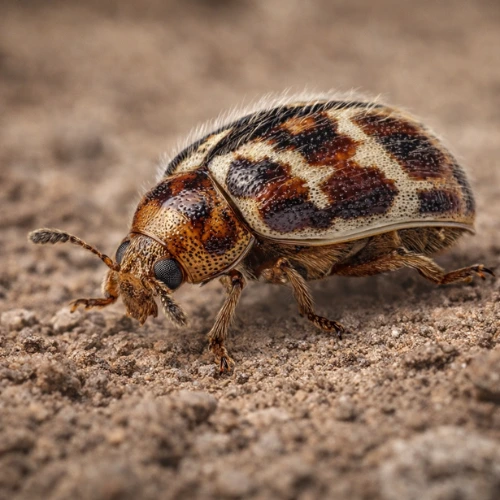
Carpet beetles are small household pests that can damage carpets, clothing, upholstery and other items made from natural fibres. Adult carpet beetles are usually tiny, oval-shaped insects with varied patterns or dark colouring and are often found near windows or light sources. The larvae are more likely to cause damage because they feed on materials containing wool, fur, feathers, hair and other organic fibres.
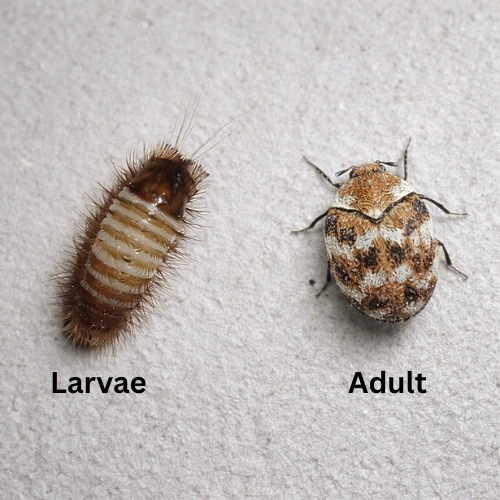
Carpet beetle larvae are typically covered with fine hairs and may leave behind shed skins as they grow. Spotting these larvae, damaged fabrics or shed skins can be an early warning sign of an infestation. Identifying the pest correctly is the first step toward effective carpet beetle control.
Types of Carpet Beetles Found In Australia
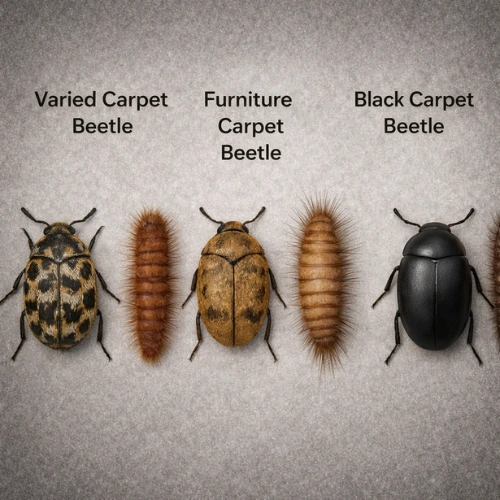
There are several species of carpet beetles found across the country, and understanding types of carpet beetles in Australia is essential for effective control. The three most common species in Australia and New Zealand include:
- Black carpet beetle: Small, oval-shaped, and solid black in colour
- Variegated carpet beetle: Recognisable by its mottled pattern of white, brown, and black
- Australian carpet beetle: Similar in appearance with mixed colour patches and commonly found in homes
In addition to these, there are other closely related beetles from the Dermestid family that may look similar, such as:
- Hide beetles
- Fur beetles
- Khapra beetle: An invasive pest that targets stored dried food products
Carpet beetles are very small, usually measuring only 2–3 mm in length, which makes early detection difficult. While adult beetles are often seen near windows or light sources, they are not responsible for causing damage.
The real problem lies with their larvae. These larvae feed on natural fibres such as carpets, wool, clothing, and upholstery, often remaining hidden in dark areas while causing gradual but serious damage.
Identifying carpet beetles in Australia early can help prevent infestations and protect your home from costly fabric damage.
Why Are Carpet Beetles Common in Sydney Homes?
Carpet beetles can be found in Sydney homes because many properties provide the quiet spaces and natural materials their larvae need to develop. Sydney’s mix of houses, apartments and older properties can offer plenty of suitable hiding places, particularly where fabrics and stored belongings remain undisturbed.
- Carpets and upholstery: Carpet edges, rugs, sofas and upholstered furniture can collect hair, lint and other organic material that attracts larvae.
- Wool and natural fabrics: Wool clothing, blankets, rugs, silk and other natural fibres can become food sources for developing larvae.
- Stored clothing: Clothes kept in storage for long periods may attract carpet beetles, especially when they are rarely cleaned or disturbed.
- Wardrobes and drawers: Dark, enclosed spaces provide ideal areas for beetles and larvae to remain unnoticed.
- Pet hair and organic debris: Dog and cat hair, dead insects and accumulated debris can provide food for larvae.
- Bird or animal nests: Carpet beetles may develop in old nests around roofs, eaves or other sheltered parts of a property.
- Dark, undisturbed areas: Under furniture, inside storage spaces and along carpet edges can allow infestations to grow unnoticed.
Regular cleaning, vacuuming and decluttering can reduce potential food sources. If carpet beetles continue appearing, professional Sydney Pest Control can help identify hidden sources and recommend appropriate treatment.
How to Identify Carpet Beetles
Identifying carpet beetles early can help prevent damage to carpets, clothing, furniture and other household fabrics. Look for the following signs when checking your Sydney home:
- Adult carpet beetles: These insects are small, oval-shaped and may have black, brown, white or yellowish patterns, depending on the species. Adults are often noticed around windows, curtains and other light sources.
- Carpet beetle larvae: The larvae are usually brownish and covered with fine hairs or bristles. They are responsible for most of the damage and tend to hide in dark, undisturbed areas such as wardrobes, carpet edges and underneath furniture.
- Shed larval skins: As carpet beetle larvae grow, they shed their outer skins. Finding small, hairy-looking shed skins in cupboards, carpets or storage areas can be a strong indication of an infestation.
- Damage patterns: Look for irregular holes or thinning patches in wool clothing, carpets, rugs, upholstery and other natural fabrics. Unlike some fabric pests, carpet beetle damage may appear uneven rather than as neat holes.
Carpet Beetle Larvae
Carpet beetle larvae are significantly larger than adult beetles, growing up to 7 millimetres in length. One of their most distinctive features is their body, which is covered in short hairs or bristles, this is how they get their common name. These larvae can remain in the larval stage for up to two years, giving them plenty of time to feed on natural fibres and cause extensive damage to carpets, clothing, and upholstery.
Because of their long development period, infestations can go unnoticed while damage continues to increase. The larvae typically hide in dark, undisturbed areas such as under furniture, inside wardrobes, or along carpet edges.
Key concerns associated with carpet beetle larvae include:
- Fabric damage: They feed on wool, silk, fur, and other natural materials
- Allergic reactions: Their tiny hairs can irritate the skin, causing itching, rashes, and discomfort
- Respiratory issues: In some cases, irritation can affect the eyes and breathing
- Airborne particles: Shed skins and hairs can accumulate in carpets and become airborne during vacuuming
When infestations persist, these hairs and cast skins can build up significantly, increasing health risks. Early detection, thorough cleaning, and professional treatment are essential to minimise damage and protect both your home and health.
Where Do Carpet Beetles Hide?
Carpet beetles can be difficult to detect because they often stay in dark, quiet areas where they can feed and develop without being disturbed. The larvae are particularly likely to remain hidden, so finding the right hiding spots is an important part of effective carpet beetle control.
Common hiding places include:
- Under carpets: Carpet edges, corners and spaces beneath rugs can collect fibres and organic debris that attract larvae.
- Furniture: Check underneath sofas, beds, chairs and other furniture that is rarely moved.
- Wardrobes: Stored clothing, blankets and natural fabrics can provide suitable food sources.
- Storage boxes: Cardboard boxes and long-term storage areas may contain infested fabrics or accumulated debris.
- Curtains: Carpet beetles can hide around curtain folds, hems and areas close to windows.
- Upholstery: Sofas, cushions and upholstered furniture can provide sheltered spaces for larvae.
- Roof voids: Old bird nests, dead insects and other organic material may attract carpet beetles.
- Wall cavities: Hidden spaces inside walls can sometimes provide undisturbed areas for activity.
- Lint or pet hair: Accumulated lint, hair and other organic debris can provide food for developing larvae.
Regular vacuuming, cleaning and decluttering can help reduce potential hiding and feeding areas.
Signs Of Carpet Beetle Infestation
Carpet beetles can remain hidden for long periods, so noticing early warning signs can help prevent extensive damage. The larvae are responsible for most fabric damage and often stay in dark, quiet areas where they are difficult to spot. Watch for these common signs:
- Small holes in clothing or fabrics: Irregular holes in wool, silk, blankets, curtains or other natural fabrics may indicate carpet beetle activity.
- Damaged carpets: Check carpet edges, corners and areas beneath furniture for thinning, bald patches or unexplained damage.
- Hairy larvae: Small, brownish larvae covered with fine hairs are one of the clearest signs of an infestation.
- Shed skins: Larvae shed their skins as they develop. These dry, hairy skins may collect in cupboards, drawers, carpets or hidden corners.
- Beetles around windows: Adult carpet beetles are often attracted to light and may be noticed near windows, curtains or bright areas.
- Activity in wardrobes: Finding larvae, beetles or fabric damage inside wardrobes and drawers can indicate a hidden infestation.
- Repeated damage to stored fabrics: Clothing, blankets and other stored materials that continue developing holes despite cleaning may require closer inspection.
If you notice several of these signs, inspect surrounding areas for larvae and potential food sources. Early identification can make carpet beetle control easier and help protect your belongings from further damage.
Difference Between Carpet Beetles And Bed Bugs
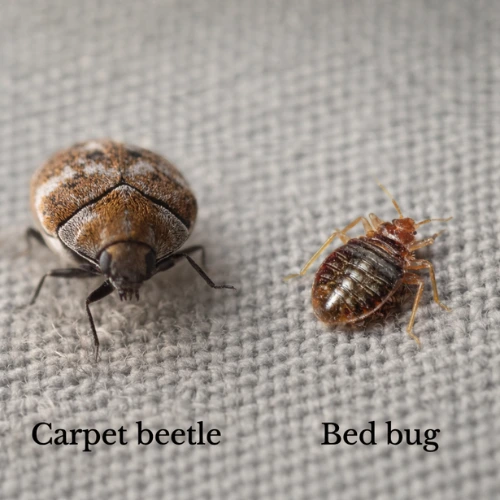
Understanding the difference between carpet beetles and bed bugs is essential for proper pest control, as both cause damage but behave very differently. Misidentifying them can lead to ineffective treatment.
Here are the key differences:
- Appearance:
Carpet beetles are small, oval-shaped insects with patterned or black bodies, while bed bugs are flat, reddish-brown, and resemble apple seeds - Damage type:
Carpet beetle larvae damage fabrics like carpets, clothes, and upholstery, whereas bed bugs feed on human blood and leave bite marks - Habitat:
Carpet beetles hide in dark areas such as carpets, wardrobes, and under furniture, while bed bugs stay close to sleeping areas like mattresses, bed frames, and cracks in walls - Signs of infestation:
Carpet beetles leave holes in fabrics, shed skins, and droppings, while bed bugs leave blood spots, dark stains, and itchy bites on skin - Activity:
Carpet beetles are often unnoticed until damage appears, whereas bed bugs are active at night and directly affect humans
When it comes to treatment, eliminating bed bug infestations requires targeted solutions, as they hide in tight spaces and multiply quickly. Correct identification is crucial to applying the right control method and protecting your home effectively.
How To Get Rid Of Carpet Beetles?
Getting rid of carpet beetles requires more than removing the adult beetles you can see. Their larvae and eggs may remain hidden, so a thorough approach is important.
Step 1: Find the Source
Look for larvae, shed skins, fabric damage and possible breeding areas rather than focusing only on adult beetles.
Step 2: Vacuum Thoroughly
Vacuum carpets, edges, cracks, furniture, wardrobes, drawers and other hidden spaces. Empty the vacuum promptly after cleaning.
Step 3: Clean Affected Fabrics
Wash or professionally clean clothing, bedding, curtains and other washable fabrics that may contain larvae or eggs.
Step 4: Remove Infested Items
Heavily damaged or severely infested items may need to be discarded safely to prevent the problem from spreading.
Step 5: Inspect Hidden Areas
Check storage boxes, furniture, roof voids and other rarely disturbed spaces for larvae and organic debris.
Step 6: Treat the Infestation
If carpet beetles continue appearing, professional treatment can help locate hidden activity and address areas that DIY methods may miss.
Step 7: Follow Up
Regular inspections are important because hidden larvae may survive after initial cleaning or treatment.
Step 8: Prevent Reinfestation
Keep carpets and storage areas clean, reduce clutter, vacuum regularly and store clothing and fabrics properly. These simple habits can help reduce potential food sources and make future carpet beetle infestations less likely.
Professional Carpet Beetle Treatment in Sydney
When carpet beetles keep returning despite regular cleaning, professional help can provide a more thorough solution. At EMK Termite & Pest Control Sydney, we take a practical approach to identifying and managing carpet beetle infestations in homes and businesses.
- Inspection: We carefully inspect carpets, wardrobes, furniture, storage areas and other places where carpet beetles or larvae may be hiding.
- Identification: Our technicians identify the pest and look for signs such as larvae, shed skins, eggs and fabric damage.
- Source Detection: Finding the source is essential. We check for hidden food sources, organic debris and potential breeding areas that may support ongoing activity.
- Targeted Treatment: Based on the inspection, suitable treatment methods are applied to affected areas while focusing on the source of the infestation.
- Cleaning & Prevention Advice: We provide practical recommendations for vacuuming, cleaning, decluttering and storing fabrics properly to reduce the risk of reinfestation.
- Follow-Up: Where required, follow-up inspections can help determine whether activity has been resolved and whether additional treatment is necessary.
If you need reliable carpet beetle removal Sydney, EMK can assess the problem and recommend an appropriate solution. Our professional carpet beetle pest control approach focuses on addressing the infestation at its source.
What Our Customers Had To Say
 Posted on Google
 Rami Anwer
Trustindex verifies that the original source of the review is Google.
We had such a great experience with the pest control service. From start to finish, everything was quick, easy and completely hassle-free. The team were professional, friendly and made the whole process so simple. We’re really happy with the results and the quality of the service we received from Eevil. I would definitely recommend EMK to anyone looking for a reliable pest control company!Posted on Google Rena NajimReally happy with the service today. Professional, friendly and did a great job. Would definitely recommend!Posted on Google
 David DavidEMK provided excellent pest control service. He was professional, punctual, and knowledgeable, explained the process clearly, and ensured it was safe for our family and pets. We saw great results straight away. Friendly, reliable, and highly recommended.Posted on Google
 Ann TranWe highly recommend EMK Termite and Pest Control Sydney. Great service, great prices, friendly and very accommodating. They are very thorough and take pride in their work. Cannot rate them high enough. 5 stars 🌟Posted on Google
 Charlton DurieI had these guys come and sort a termite issue. They got the job done. Thanks again!Posted on Google
 David MarshSuper happy with EMK for getting rid of such a horrible termite infestation! Professional and very friendly.Posted on Google
 Michael ZammitJust had EMK come out to do a rodent control treatment. The service and professionalism was superb!Verified by TrustindexTrustindex verified badge is the Universal Symbol of Trust. Only the greatest companies can get the verified badge who has a review score above 4.5, based on customer reviews over the past 12 months. Read more
Frequently Asked Questions About How to Get Rid of Carpet Beetles
How to get rid of Australian carpet beetles?
How long does it take to get rid of carpet beetles?
What time of year are carpet beetles most active?
Where do carpet beetles lay eggs?
What do I do if I find carpet beetle larvae?
How do I know if carpet beetles are gone?
About The Author

EMK Termite & Pest Control Team
EMK Termite & Pest Control Team is a licensed and experienced pest control service provider based in Sydney, Australia. Our team specialises in termite treatment, cockroach control, spider control, and general pest management for residential and commercial properties.
With years of hands-on experience, we follow Australian safety standards and use proven, eco-friendly pest control methods to deliver long-lasting results. All content published on this website is written and reviewed by trained pest control professionals to ensure accuracy, safety, and real-world expertise.