
Content Published : October 6, 2026
What Are Stink Bugs and Where Do They Come From?
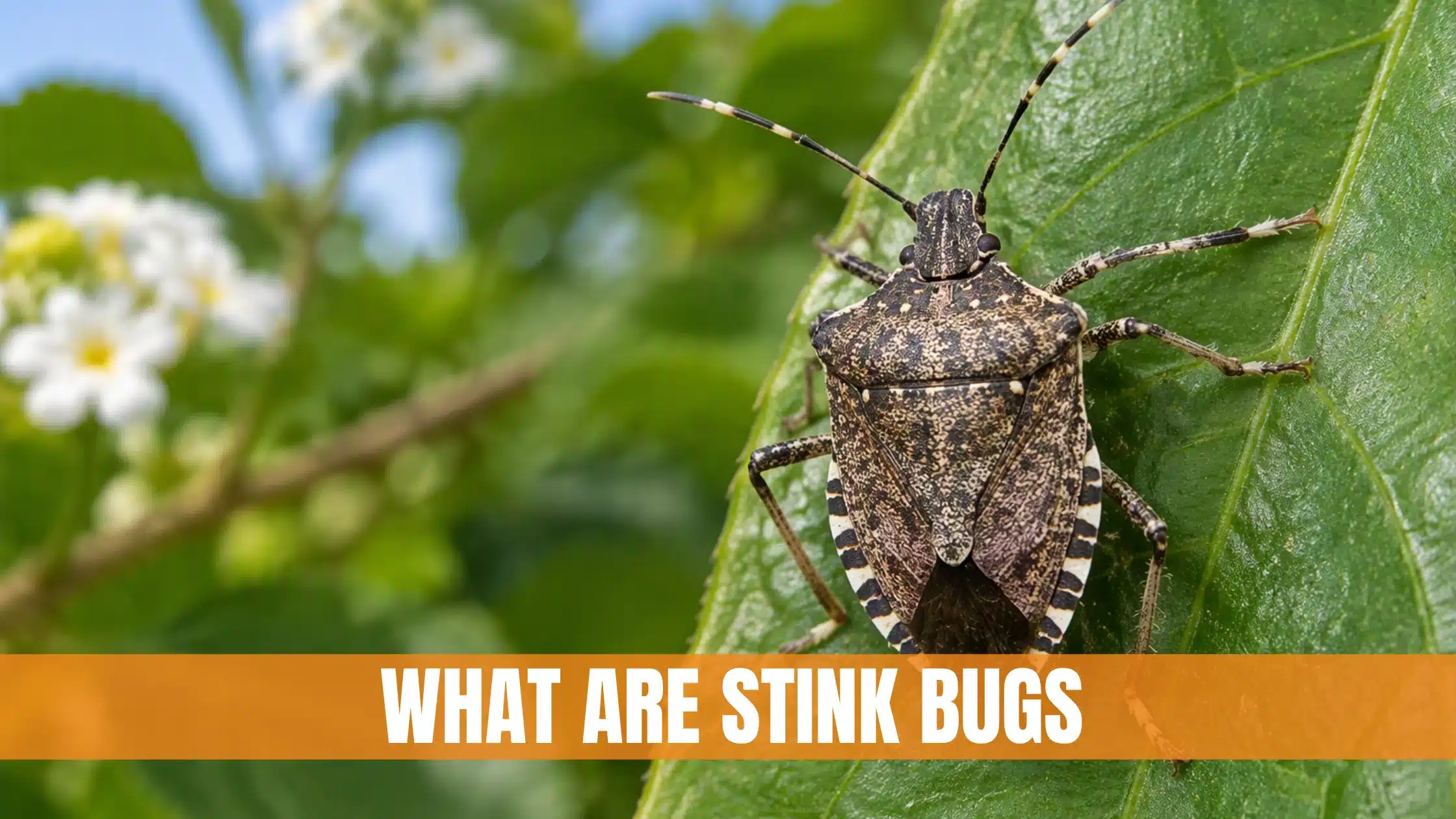
Stink bugs are shield-shaped insects known for producing an unpleasant odour when they feel threatened or are crushed. Australia is home to many native stink bug species, and their colours can range from green and brown to brightly patterned shades. Their flattened, angular bodies and ability to fly make them relatively easy to recognise.
One species that receives particular attention in Australia is the brown marmorated stink bug (BMSB), scientifically known as Halyomorpha halys. Originally from parts of East Asia, including China, Japan, Korea and Taiwan, this invasive pest has spread to several countries around the world. Unlike many native Australian stink bugs, BMSB is a significant biosecurity concern because it can feed on a wide range of plants and crops.
Australia has strict biosecurity measures to help prevent BMSB from becoming established. They can potentially arrive through imported goods, shipping containers, vehicles and other cargo. During the cooler months, adult BMSB may seek sheltered locations where they can remain protected.
Not every stink bug found around an Australian property is an invasive BMSB. Native species are a natural part of the local ecosystem and can have different appearances and behaviours. If you notice unusual or unfamiliar stink bugs in large numbers, avoid handling them and consider professional identification to determine the appropriate pest management approach.
What Do Stink Bugs Look Like?
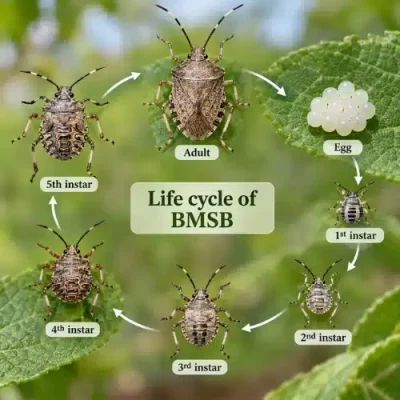
Stink bugs are recognised by their distinctive flattened, shield-shaped bodies. Australia has many native stink bug species, so their appearance can vary considerably. Most adult stink bugs measure around 1–2 cm long, although size differs between species.
Common Stink Bug Features
- Body Shape: Broad, flat, and shield-shaped, usually narrowing toward the rear.
- Size: Generally around 1–2 cm long as adults.
- Colour: May be green, brown, grey, yellow, or brightly patterned.
- Legs: Six legs extend from the sides of the body.
- Wings: Adults have developed wings and can fly between plants and sheltered areas.
- Antennae: Some species have noticeable bands or markings on their antennae.
Brown Marmorated Stink Bug
The brown marmorated stink bug (BMSB) has a mottled brown appearance with contrasting light and dark markings. Its abdomen may feature alternating patterns, while lighter bands can occur on the antennae.
Stink Bug Nymphs
Young stink bugs are called nymphs and look different from adults. They are tiny after hatching and may have red, yellow, orange, or dark markings. They shed their outer skin several times as they grow before reaching adulthood.
Life Cycle of Stink Bugs
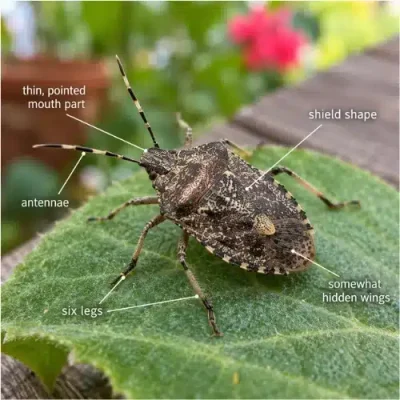
Stink bugs develop through three main stages: egg, nymph, and adult. Understanding their life cycle can help homeowners identify stink bug activity and take suitable control measures.
1. Egg Stage
Female stink bugs lay small, barrel-shaped eggs in clusters on leaves, stems, or other sheltered plant surfaces. The eggs hatch when environmental conditions are suitable.
2. Nymph Stage
Young stink bugs emerge as nymphs and may initially remain together before spreading as they grow.
- Nymphs pass through five developmental stages, called instars.
- Each stage becomes progressively larger.
- Wing pads gradually develop before adulthood.
- Nymphs may look different from adult stink bugs in colour and markings.
3. Adult Stage
After completing the final nymphal stage, stink bugs shed their outer skin and become adults. Adults have fully developed wings and can move between plants and sheltered areas.
Seasonal Activity
During cooler periods, stink bugs may shelter in leaf litter, vegetation, bark, and other protected areas. Activity often increases during late winter and spring as temperatures rise. Warm conditions and abundant plant growth can encourage greater activity around gardens and properties.
Types of Stink Bugs in Australia
Australia is home to a wide variety of true bugs, and not every shield-shaped insect is harmful. However, some species can become garden pests and damage plants. Learning to recognise common stink bugs and other important species can help gardeners identify problems early and choose suitable pest control methods.
Bronze Orange Bug
The Bronze Orange Bug (Musgraveia sulciventris) is a native Australian stink bug commonly found on citrus trees, particularly across eastern Australia. If you notice stink bugs on citrus, lemon trees, or large dark bugs around orange trees, this species could be responsible.
- Size: Adults grow to around 25 mm long.
- Shape: They have a broad, shield-shaped body.
- Colour: Nymphs begin green and become more colourful as they develop.
- Adults: Mature bugs develop a distinctive bronze-brown to almost black appearance.
Bronze Orange Bugs feed on citrus plants and may become noticeable in gardens when populations increase. Their changing appearance can make identification confusing, as the green nymphs and dark adults are different stages of the same insect.
Green Vegetable Bug
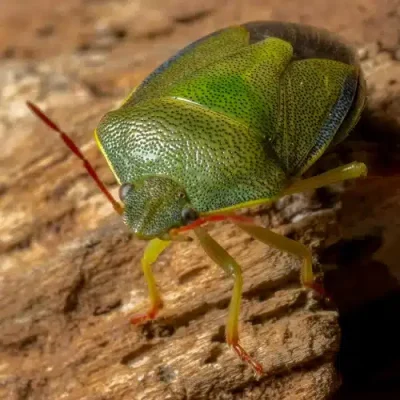
The Green Vegetable Bug (Nezara viridula) is a common garden pest in Australia, often called a green stink bug. It can feed on various plants and may become noticeable when populations increase.
- Appearance: Adults have a bright green, shield-shaped body.
- Size: Most adults measure around 13–15 mm long.
- Colour: Adults may become darker during cooler periods.
- Nymphs: Young bugs look very different, with black, green, white, orange, or red markings.
- Growth: Their appearance changes through several nymph stages before adulthood.
- Garden Impact: They can feed on vegetable crops and other plants.
Because their appearance changes significantly as they mature, gardeners may mistake nymphs and adults for different stink bug species.
Australian Harlequin Bug
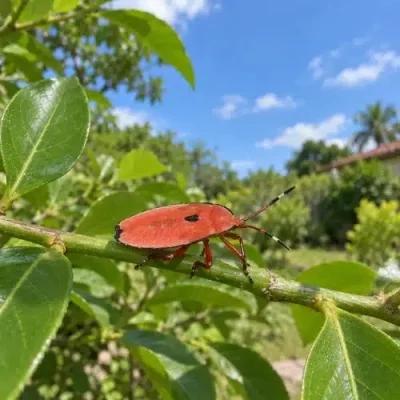
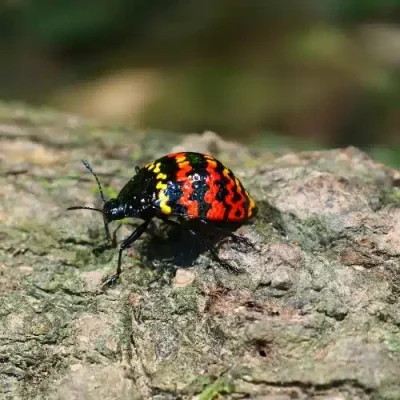
The Australian Harlequin Bug (Dindymus versicolor) is a colourful insect that can be easy to recognise once you know its features. Adults grow to around 12 mm long and have distinctive reddish-orange and black markings.
- Appearance: Bright reddish-orange and black patterning.
- Size: Adults are approximately 12 mm long.
- Behaviour: Often gather in noticeable groups or clusters.
- Common Locations: Tree trunks, fences, timber, garden structures, and sheltered areas.
- Garden Management: Removing weeds can help reduce potential host plants.
Although its colouring is distinctive, colour alone is not always enough for accurate identification. If you notice unfamiliar clusters of colourful bugs around your garden, proper identification can help determine whether control is necessary.
What Damage Do Stink Bugs Cause?
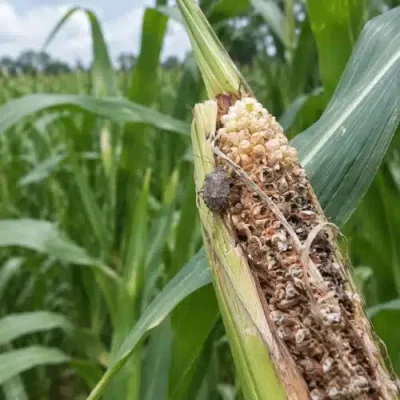
Stink bugs can damage plants by using their straw-like mouthparts to pierce plant tissue and suck out fluids. They may feed on fruits, vegetables, nuts, and young plants, with the level of damage depending on the species and crop.
Common Signs of Stink Bug Damage
- Fruit blemishes: Feeding can leave dark pinpricks, spots, or discoloured patches on fruit.
- Internal damage: Affected areas may become white, brown, pithy, or unusually firm as the fruit develops.
- Distorted fruit: Early feeding can sometimes cause fruit to develop uneven or misshapen areas.
- Tomato damage: Green tomatoes may develop dark feeding marks surrounded by lighter, discoloured tissue that remains green or turns yellow as the fruit ripens.
- Stone fruit damage: Peaches and similar fruits can develop brown, corky areas after feeding.
- Leaf and seedling damage: Young plants and leafy vegetables may develop damaged, ragged, or tattered foliage.
- Plant appearance: Dark excrement spots may also appear around feeding areas.
In Australia, the impact varies between stink bug species and host plants. Established woody plants are generally less seriously affected than fruit, vegetables, and young growth.
Signs of Stink Bugs Infestation
Stink bugs may become more noticeable around homes and gardens when seasonal temperatures change. Recognising the early signs can help prevent a small problem from becoming more difficult to manage.
Common Signs of Stink Bug Activity
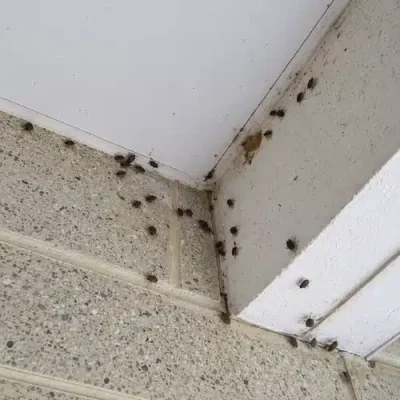
- Multiple live stink bugs: Seeing several stink bugs around windows, walls, gardens, or outdoor areas may indicate increased activity nearby.
- Dead bugs indoors: Finding dead stink bugs near windows, doors, light fittings, or other sheltered areas can suggest they have entered the property.
- Clustering on walls: Stink bugs may gather on sunny exterior walls and other warm surfaces.
- Indoor sightings: Gaps around windows, doors, vents, roof areas, and other openings can provide entry points into buildings.
- Plant damage: Dark feeding marks, discolouration, distorted fruit, or damaged leaves may indicate stink bugs are feeding on plants.
- Unusual odour: A strong unpleasant smell when stink bugs are disturbed or crushed can be another clue.
In Australia, stink bug activity varies between species and seasons. If large numbers repeatedly appear inside your home or around plants, professional pest control can help identify the species, locate possible entry points, and recommend a suitable management approach. Avoid crushing large numbers indoors, as this can release their characteristic odour.
Are Stink Bugs Dangerous?
For most people, stink bugs are not considered dangerous. Their main concern is usually plant damage, as they feed on fruits, vegetables, leaves, and other plant material. However, some species can cause irritation when disturbed or handled.
Potential Risks of Stink Bugs
- Plant damage: Large populations can affect garden plants, vegetables, and fruit crops.
- Strong odour: Stink bugs release an unpleasant-smelling defensive chemical when threatened or crushed.
- Skin irritation: Species such as the Bronze Orange Bug can release a defensive liquid that may cause burning or irritation.
- Eye irritation: Contact with these secretions can be particularly uncomfortable if they reach the eyes.
- Direct handling: Avoid picking up unfamiliar stink bugs with bare hands.
Safe Handling Tips
If stink bugs are present in your garden, avoid disturbing them unnecessarily. For manual removal, wear gloves, long sleeves, and eye protection. Using suitable tools instead of your bare hands can also reduce the risk of contact.
How to Get Rid of Stink Bugs in Your Home
Finding stink bugs indoors can be frustrating, especially when they release a strong odour after being disturbed. Fortunately, there are several simple ways to manage occasional stink bugs without crushing them.
Practical Ways to Remove Stink Bugs
- Avoid squashing them: Crushing stink bugs can release their unpleasant defensive odour.
- Remove them gently: Use a container, paper, or plastic bag to carefully collect the bug and release it outdoors.
- Try soapy water: Place stink bugs into a container filled with water and a small amount of dish soap.
- Use a vacuum carefully: A vacuum can remove stink bugs from walls, windows, and other surfaces. Empty the vacuum or dispose of the bag outdoors afterwards to minimise lingering odour.
- Create a simple light trap: At night, place a shallow container of soapy water beneath a light source in a dark room. Stink bugs attracted to the light may fall into the water.
Prevent Future Stink Bug Problems
After removing stink bugs, inspect windows, doors, vents, and other potential entry points. Seal visible cracks and gaps, repair damaged screens, and keep outdoor areas tidy.
If large numbers continue entering your home, professional stink bug control can help identify possible entry points and recommend suitable management methods.
Conclusion
Stink bugs can become an unwanted nuisance around homes and gardens, particularly when they gather in large numbers or enter properties through small gaps. Understanding their appearance, life cycle, feeding habits, and warning signs can make prevention and control easier. Simple measures such as sealing entry points, maintaining gardens, reducing sheltered areas, and removing stink bugs carefully can help limit activity. If you are dealing with recurring stink bug problems, professional assistance can provide a more targeted solution. For reliable pest management and practical stink bug control, contact EMK Termite & Pest Control Sydney today for professional advice and service.
What Our Customers Had To Say
 Posted on Google
 Rami Anwer
Trustindex verifies that the original source of the review is Google.
We had such a great experience with the pest control service. From start to finish, everything was quick, easy and completely hassle-free. The team were professional, friendly and made the whole process so simple. We’re really happy with the results and the quality of the service we received from Eevil. I would definitely recommend EMK to anyone looking for a reliable pest control company!Posted on Google Rena NajimReally happy with the service today. Professional, friendly and did a great job. Would definitely recommend!Posted on Google
 David DavidEMK provided excellent pest control service. He was professional, punctual, and knowledgeable, explained the process clearly, and ensured it was safe for our family and pets. We saw great results straight away. Friendly, reliable, and highly recommended.Posted on Google
 Ann TranWe highly recommend EMK Termite and Pest Control Sydney. Great service, great prices, friendly and very accommodating. They are very thorough and take pride in their work. Cannot rate them high enough. 5 stars 🌟Posted on Google
 Charlton DurieI had these guys come and sort a termite issue. They got the job done. Thanks again!Posted on Google
 David MarshSuper happy with EMK for getting rid of such a horrible termite infestation! Professional and very friendly.Posted on Google
 Michael ZammitJust had EMK come out to do a rodent control treatment. The service and professionalism was superb!Verified by TrustindexTrustindex verified badge is the Universal Symbol of Trust. Only the greatest companies can get the verified badge who has a review score above 4.5, based on customer reviews over the past 12 months. Read more
Frequently Asked Questions About Stink Bugs
Are stink bugs dangerous to humans?
Why do stink bugs smell so bad?
What do stink bugs eat?
How can I get rid of stink bugs naturally?
Why are stink bugs coming into my house?
How do I stop stink bugs from entering my home?
Do stink bugs damage plants?
What is the difference between native stink bugs and brown marmorated stink bugs?
Can stink bugs bite or sting?
When should I call professional pest control for stink bugs?
About The Author

EMK Termite & Pest Control Team
EMK Termite & Pest Control Team is a licensed and experienced pest control service provider based in Sydney, Australia. Our team specialises in termite treatment, cockroach control, spider control, and general pest management for residential and commercial properties.
With years of hands-on experience, we follow Australian safety standards and use proven, eco-friendly pest control methods to deliver long-lasting results. All content published on this website is written and reviewed by trained pest control professionals to ensure accuracy, safety, and real-world expertise.