
Content Updated: May 20, 2026
How Often Should You Get A Termite Inspection In Australia
Termites are one of the most destructive pests affecting Australian homes, causing serious damage to timber structures, flooring, and furniture without immediate warning signs. Australia’s warm climate and varying environmental conditions create the perfect environment for termite activity throughout the year. Because infestations often remain hidden, regular termite inspection services are essential for detecting problems early and preventing expensive structural repairs.
Professional termite treatment Sydney service help homeowners, landlords, and property buyers protect their properties from long-term termite damage. Routine inspections allow pest control experts to identify termite activity, moisture issues, and risk factors before infestations become severe. Early detection not only reduces repair costs but also improves the overall safety and value of the property.
The frequency of a termite inspection may vary depending on the age of the property, surrounding environment, construction materials, and previous termite history. Homes located in high-risk termite areas may require more frequent inspections for better protection.
Being proactive with regular inspections and professional termite treatment Sydney services is the best way to avoid costly damage and maintain a safe, termite-free home all year round.
Why Regular Termite Inspections Are Essential in Sydney
Sydney’s warm climate and diverse environmental conditions create the ideal breeding ground for termites, making them a major threat to homes and commercial properties across the region. Unlike many other pests, termites can remain active throughout most of the year, silently damaging timber structures, flooring, walls, and furniture before homeowners notice any visible signs.
Because termite activity often stays hidden, even a small infestation can quickly grow into a serious structural problem that leads to expensive repairs and long-term property damage. This is why scheduling a regular termite inspection is one of the most important steps in protecting your property.
Professional termite treatment Sydney services help homeowners, landlords, and property buyers detect early signs of termite activity before the damage becomes severe. Routine inspections allow pest control experts to identify moisture issues, timber vulnerabilities, and hidden termite colonies that may otherwise go unnoticed.
Consistent termite inspection services not only help prevent costly repairs but also maintain the safety, structural integrity, and long-term value of your property. Taking proactive steps with regular inspections and professional termite treatment Sydney solutions is the best way to keep your home protected from destructive termite infestations year-round.
How Often Should you Schedule a Termite Inspection for your Home?
A professional termite inspection should be carried out at least once a year to help detect early signs of termite activity and prevent costly structural damage. However, inspection frequency may vary depending on the property type, age, location, and previous termite history. Older homes, new constructions, and rental properties each face different termite risks. Understanding these risks and scheduling regular inspections is essential for maintaining a safe, protected, and termite-free property throughout the year.
Termite Inspection Frequency for New Homes
New homes are not completely safe from termite infestations, especially when timber landscaping, construction materials, or high moisture levels are present around the property. Scheduling a professional termite inspection at least once a year is essential to detect early signs of termite activity and protect your investment. For homes under construction or newly purchased properties, a pre-purchase inspection can help identify hidden termite risks before they become costly problems. Many new homes also receive chemical soil treatments as a preventative barrier, but these treatments should never replace regular inspections and ongoing termite protection for long-term property safety.
Termite Inspection Frequency for Older Homes
Older homes are often at higher risk of termite infestations because damage can remain hidden behind walls, under floors, or inside timber structures for long periods. By the time visible signs appear, termites may have already caused serious structural damage. This is why regular termite inspection services every six to twelve months are highly recommended for older properties. Homes with a history of termite activity or untreated affected areas are especially vulnerable to future infestations. In such cases, targeted treatments like termite dusting can help control active termites while ongoing inspections provide long-term protection and reduce the risk of costly repairs and structural damage
Termite Inspection Frequency for Rental Properties
Termite protection in rental properties is a shared responsibility between landlords and tenants. Landlords should arrange regular termite inspection services, especially in high-risk areas, to protect the property from costly structural damage and maintain safe living conditions. Tenants also play an important role by reporting early signs of termite activity, such as mud tubes, damaged timber, or unusual wall damage. Quick reporting allows termite problems to be treated before infestations become severe. Installing termite monitoring systems is also an effective preventive measure, helping detect termite activity early and providing long-term peace of mind for both property owners and renters.
Factors That Affect How Often You Need a Termite Inspection
Every property has different termite risks, so the frequency of termite inspection services can vary based on several factors. Homes located near active termite colonies or high-risk areas often require more frequent inspections to detect early activity and confirm successful termite nest elimination. Climate conditions, building materials, moisture levels, and landscaping can also influence termite attraction and infestation risks. Understanding these factors helps homeowners schedule the right inspection intervals and maintain long-term protection against costly termite damage and structural problems.
Climate and Geographic Location
Sydney’s climate plays a major role in termite activity, making regular termite inspection services essential for homeowners across the region. The city’s warm temperatures, coastal humidity, and seasonal rainfall create ideal conditions for termites to remain active throughout most of the year. Moist soil around building foundations, gardens, and timber structures provides the perfect environment for termites searching for wood and cellulose materials.
Properties with timber framing, untreated wooden features, excessive landscaping, or moisture issues are often at greater risk of infestation. Older homes in Sydney may also face higher termite activity due to aging timber structures and hidden moisture problems. Homes located in damp or high-risk areas, or properties with previous termite infestations, may require inspections every six months for better protection.
While annual termite inspection services are suitable for many Sydney homes, properties exposed to higher moisture levels or nearby termite activity should be monitored more frequently. Regular inspections help identify termite problems early, reduce structural damage risks, and maintain long-term property protection throughout Sydney’s changing weather conditions.
Building Materials and Home Structure
The design and construction materials of a property can significantly increase termite risks. Homes built with timber frames, untreated wood, or older structures with cracks and gaps provide easy access and food sources for termites. Features such as wooden decks, fences, exposed floorboards, and timber landscaping can also attract termite activity if not properly maintained.
Moisture is another major factor that attracts termites to homes. Damp timber, leaking pipes, poor drainage, and water pooling near foundations create ideal conditions for infestations. Soil-to-wood contact and dense garden landscaping close to walls can further increase termite risks. Regular termite inspection services help identify these issues early and protect properties from costly structural termite damage.
Landscaping and Soil Conditions
Your garden and landscaping can greatly influence termite activity around your property. Dense shrubs, mulch, garden beds, and damp soil near the home create ideal conditions for termites by retaining moisture and providing easy access to timber structures. Poor drainage and soil-to-wood contact can further increase the risk of termite infestations.
Proper landscaping maintenance plays an important role in termite prevention. Keeping mulch and plants away from foundations, improving drainage, and reducing moisture buildup can help protect your property. Installing a termite barrier is another effective solution, attracting termites to controlled areas and helping manage colonies before they reach your home and cause structural damage.
What to Expect During a Termite Inspection
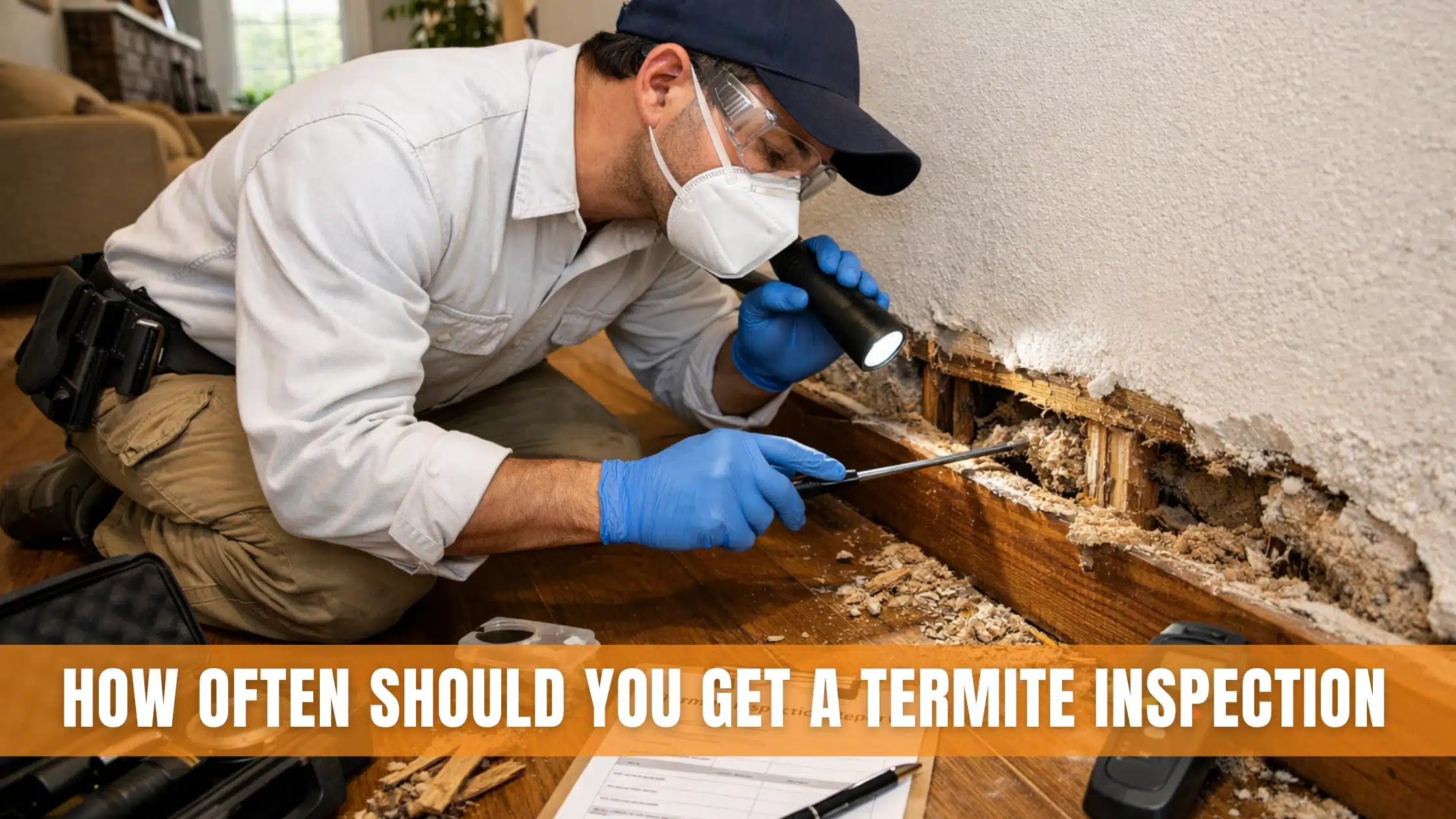
A professional termite inspection is a detailed assessment of your property designed to detect early signs of termite activity before serious structural damage occurs. Regular inspections help homeowners identify hidden infestations and maintain long-term property protection.
During a termite inspection, professionals carefully examine both visible and hidden areas of the property, including:
- Subfloors and roof voids
- Wall cavities and timber structures
- Wooden decks, fences, and flooring
- Garden areas and surrounding landscaping
- Foundations and moisture-prone zones
Inspectors look for warning signs such as mud tubes, damaged timber, hollow wood, frass, moisture issues, and small cracks that may indicate termite activity. Environmental conditions that attract termites, including soil-to-timber contact, poor drainage, leaking pipes, and excess moisture, are also assessed during the inspection.
To improve accuracy, termite inspection specialists may use advanced tools such as:
- Moisture meters
- Thermal imaging cameras
- Flashlights and detection equipment
After the inspection, homeowners receive a detailed report outlining termite risks, current activity, structural concerns, and recommended prevention or treatment options. Most termite inspections are non-destructive and provide valuable guidance on how to reduce termite risks and protect the property from future infestations and costly structural damage.
DIY vs Professional Termite Inspections
Many homeowners perform DIY termite checks to spot early signs of infestations and reduce potential termite treatment cost expenses. While regular visual inspections can be helpful, they should not replace professional termite inspections.
Benefits of DIY Termite Checks
Homeowners can sometimes identify obvious warning signs, including:
- Mud tubes near walls or foundations
- Hollow-sounding timber
- Small piles of wood dust or frass
- Cracked paint or bubbling walls
- Warped timber or flooring
Routine home checks may help detect visible termite activity between professional inspections and encourage faster action before severe damage develops.
Limitations of DIY Termite Inspections
Despite these benefits, DIY inspections have serious limitations. Hidden termite activity inside walls, subfloors, roof voids, and timber structures is often difficult to detect without professional training and equipment. Minor cracks, concealed termite galleries, and early structural damage can easily go unnoticed, allowing infestations to spread silently.
Missing these warning signs may lead to expensive repairs and higher termite treatment cost issues in the future
Benefits of Hiring Professional Termite Inspectors
Professional termite specialists use advanced tools such as:
- Thermal imaging cameras
- Moisture meters
- Professional detection equipment
Experts understand how environmental conditions, moisture levels, landscaping, and building materials contribute to termite risks. They can identify hidden infestations and create long-term treatment plans tailored to the property.
Combining DIY monitoring with professional termite inspections provides the best protection against costly termite damage and long-term structural problems.

Contact EMK Termite & Pest Control Today for an Effective Termite Inspection
Protecting your home from termites is essential for maintaining its safety and long-term value. Regular termite inspections in Sydney help detect early signs of termite activity before serious structural damage occurs. With Sydney’s warm climate and moisture-rich conditions, termites can remain active throughout the year, making professional inspections even more important.
EMK Termite & Pest Control Sydney provides thorough and reliable termite inspection services tailored to residential and commercial properties across Sydney. Experienced technicians use advanced detection methods to identify hidden infestations and recommend effective prevention or treatment solutions.
Scheduling regular inspections can help reduce future repair costs and protect your property from costly termite damage. Don’t wait until termites become a major problem—book a professional termite inspection today and keep your Sydney home protected year-round.
What Our Customers Had To Say
 Posted on Google
 Rami Anwer
Trustindex verifies that the original source of the review is Google.
We had such a great experience with the pest control service. From start to finish, everything was quick, easy and completely hassle-free. The team were professional, friendly and made the whole process so simple. We’re really happy with the results and the quality of the service we received from Eevil. I would definitely recommend EMK to anyone looking for a reliable pest control company!Posted on Google Rena NajimReally happy with the service today. Professional, friendly and did a great job. Would definitely recommend!Posted on Google
 David DavidEMK provided excellent pest control service. He was professional, punctual, and knowledgeable, explained the process clearly, and ensured it was safe for our family and pets. We saw great results straight away. Friendly, reliable, and highly recommended.Posted on Google
 Ann TranWe highly recommend EMK Termite and Pest Control Sydney. Great service, great prices, friendly and very accommodating. They are very thorough and take pride in their work. Cannot rate them high enough. 5 stars 🌟Posted on Google
 Charlton DurieI had these guys come and sort a termite issue. They got the job done. Thanks again!Posted on Google
 David MarshSuper happy with EMK for getting rid of such a horrible termite infestation! Professional and very friendly.Posted on Google
 Michael ZammitJust had EMK come out to do a rodent control treatment. The service and professionalism was superb!Verified by TrustindexTrustindex verified badge is the Universal Symbol of Trust. Only the greatest companies can get the verified badge who has a review score above 4.5, based on customer reviews over the past 12 months. Read more
Frequently Asked Questions About Termite Inspections in Sydney
1.How often should a termite inspection be done?
Most experts recommend scheduling a professional termite inspection at least once a year. Homes located in high-risk termite areas or properties with previous infestations may require inspections every six months for better protection.
2.Do seasonal changes affect termite activity in Sydney?
Yes, Sydney’s warm climate, humidity, and seasonal rainfall can increase termite activity, especially during spring and summer. Regular inspections during warmer months help identify infestations before major damage occurs.
3.What increases the risk of termite infestations?
Several factors can increase termite risks, including:
- Timber structures and wooden decking
- Moisture problems and leaking pipes
- Poor drainage around foundations
- Dense landscaping near the property
- Previous termite activity
4.Are termite barriers and treatments necessary?
Termite barriers and preventive treatments provide long-term protection against infestations. These systems should be regularly checked and maintained by professional pest control specialists to ensure effectiveness.
5.Can regular inspections reduce termite treatment cost?
Yes, early detection through regular termite inspections can significantly reduce termite treatment cost and help homeowners avoid expensive structural repairs caused by severe infestations.
6.What are common signs of termite activity?
Homeowners should watch for warning signs such as:
- Mud tubes along walls or foundations
- Hollow-sounding timber
- Discarded termite wings
- Cracked paint or bubbling walls
- Damaged wooden structures
If any of these signs appear, arranging a professional termite inspection immediately can help prevent further property damage.
About The Author

EMK Termite & Pest Control Team
EMK Termite & Pest Control Team is a licensed and experienced pest control service provider based in Sydney, Australia. Our team specialises in termite treatment, cockroach control, spider control, and general pest management for residential and commercial properties.
With years of hands-on experience, we follow Australian safety standards and use proven, eco-friendly pest control methods to deliver long-lasting results. All content published on this website is written and reviewed by trained pest control professionals to ensure accuracy, safety, and real-world expertise.

