
mask logo

Full Licensed and Insured.

Call Us Now

(040) 234-3590

What Does A Tick Look Like

Content Published : September 28, 2026

What Does A Tick Look Like - Tick Identification

Ticks may be tiny, but they can cause serious concerns for both people and animals. These blood-feeding parasites can transmit certain infections, making early identification and prevention important, especially when spending time outdoors. Learning what a tick looks like can help you recognise one before it becomes a bigger problem.

Proper tick identification involves looking at several features, including the tick’s size, body shape, colour, number of legs, and overall appearance. Ticks also change significantly as they develop through different life stages, so their appearance may vary depending on whether you are looking at a larva, nymph, or adult.

Not every small insect found on the skin is a tick. Fleas, mites, bed bugs, and other insects can sometimes be mistaken for ticks, which is why careful identification matters. If you discover a tick attached to your skin or notice signs of a tick bite, knowing how to respond can help you take appropriate next steps.

This guide explains the key features used for tick identification, common tick types, their appearance at different stages, and insects that may look similar. You will also learn practical ways to reduce tick exposure and protect people and pets from unwanted tick encounters.

What Does a Tick Look Like? The Basic Anatomy

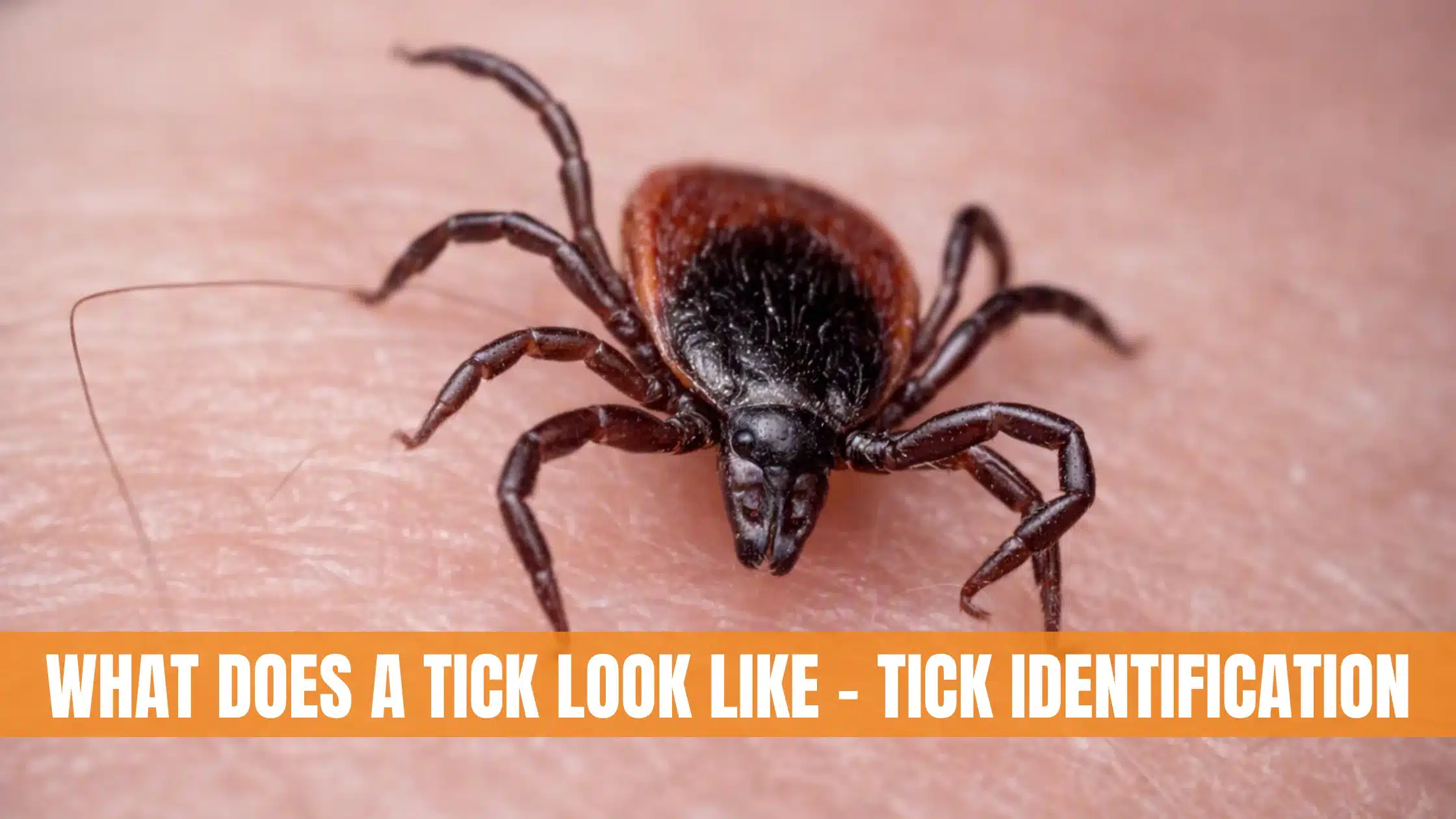
Ticks are tiny arachnids that can be difficult to identify, especially because their appearance changes as they develop and after feeding. Unlike insects, ticks are more closely related to spiders, mites, and scorpions. They crawl rather than fly or jump.

Here are the main features to look for during tick identification:

  • Rounded or oval body: An unfed tick usually has a small, flat body. After feeding, its abdomen can expand considerably.
  • Eight legs: Nymphs and adult ticks have eight legs, while newly hatched larvae have six.
  • No wings or antennae: Ticks cannot fly or jump and move by crawling.
  • Specialised mouthparts: The mouthparts at the front help a tick attach firmly to the skin of its host.
  • Hard back shield: Known as the scutum, this structure covers much of a male tick’s body but only a smaller portion of a female’s body.


Tick colour can also vary. Unfed ticks are commonly brown, reddish-brown, or black, while some species have pale spots or markings. After feeding, a tick may become swollen and appear grey, olive, or bluish-grey.

Ticks progress from six-legged larvae to eight-legged nymphs and eventually adults, so understanding their life stages can make accurate tick identification easier.

tick identification

Tick Size by Life Stage

Ticks change considerably in size as they move through their life cycle, which can make tick identification challenging. They develop through four main stages: egg, larva, nymph, and adult. Larvae, nymphs, and adults are the stages that may attach to hosts and feed.

Larvae

Larvae are the smallest stage and are often less than 1 millimetre long. They may look like tiny pale or translucent specks and have six legs. Because of their size, they can be difficult to notice without close inspection.

Nymphs

Nymphs are slightly larger, usually around 1–2 millimetres, and have eight legs. They can appear brown or darker in colour and may resemble a small spot, freckle, or piece of dirt. Their tiny size makes them particularly easy to overlook.

Adult Ticks

Adult ticks are generally around 3–5 millimetres when unfed, although size varies by species and sex. Females are often larger than males and may be easier to spot on pets or exposed skin.

Engorged Ticks

After feeding, a tick can expand dramatically. An engorged female may reach around 10 millimetres or more and become rounded, smooth, and pale grey, tan, or bluish. This significant change in appearance can make identification confusing.

Tick Life Cycle

Identifying Different Types Of Tick Species

There are hundreds of tick species worldwide, but you’re only likely to meet a handful. Here are the ones people most often ask about. 

Blacklegged (Deer) Tick

General Information:
The blacklegged tick, commonly called the deer tick, is named for its dark-coloured legs and is often associated with white-tailed deer. It is mainly found in parts of the United States and can transmit several tick-borne diseases.

What Do Blacklegged Ticks Look Like?

  • Flat, broad, oval-shaped body
  • Brown, orange-brown, or dark colouring
  • Distinctively dark legs
  • Eight legs, confirming that it is an arachnid
  • Adult ticks are generally around 3 mm in size, although size varies by life stage and feeding status

Habits:

  • Often found in grass, shrubs, leaf litter, and vegetation
  • Waits for a passing host before attaching
  • May occur around areas inhabited by rodents, raccoons, skunks, and other wildlife
  • Can also be found around woodpiles, tree stumps, nests, and other sheltered locations

Threats:

  • Can transmit Lyme disease, anaplasmosis, and babesiosis
  • Lyme disease may cause symptoms such as fever, headache, fatigue, and a characteristic expanding rash
  • If untreated, some tick-borne infections can lead to more serious complications
  • Ticks may be difficult to notice around the scalp, neck, or hairline
  • Regular tick checks after outdoor activities and prompt, proper removal can help reduce potential health risks.

Blacklegged (Deer) Tick

American Dog Tick

General Information:
The American dog tick is a hard tick commonly associated with dogs and is found across parts of North America. Activity is often higher during spring and early summer.

What Do American Dog Ticks Look Like?

  • Flat, oval-shaped body
  • Brown colouring with whitish or grey markings
  • Six legs during the larval stage and eight as nymphs and adults
  • Adults generally measure around 5–15 mm, depending on feeding

Habits:

  • Commonly found in grassy areas and low vegetation
  • Can attach to dogs and potentially enter homes
  • May survive for long periods without feeding

Threats:

  • Can transmit Rocky Mountain spotted fever and tularemia
  • Possible symptoms include fever, headache, chills, muscle aches, rash, or swollen lymph nodes
  • Prompt medical attention is important if illness develops after a tick bite.

American Dog Tick

Brown Dog Tick

General Information:
The brown dog tick gets its name from its preferred host and brown colouring. Although it mainly feeds on dogs, it may bite humans when canine hosts are unavailable.

What Do Brown Dog Ticks Look Like?

  • Flat, oval-shaped body
  • Usually brown when unfed
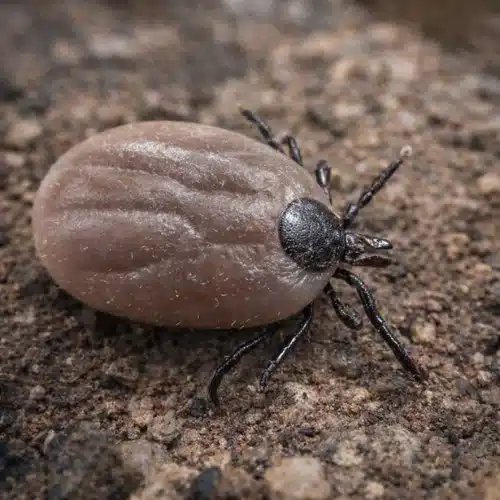
  • May appear grey-blue after feeding
  • About 3–13 mm long, depending on life stage and feeding
  • Six legs as larvae and eight as nymphs and adults

Habits:

  • Can complete its entire life cycle indoors
  • Prefers warm, dry environments
  • Commonly attaches around dogs’ ears and between their toes

Threats:
Brown dog ticks can transmit diseases affecting dogs, including canine ehrlichiosis, babesiosis, and Rocky Mountain spotted fever.
Brown Dog Tick

Lone Star Tick

General Information:
The lone star tick is named for the distinctive single white spot found on the female’s back. It is mainly found in the eastern and southeastern United States and commonly feeds on humans.

What Do Lone Star Ticks Look Like?

  • Reddish-brown when unfed
  • May become darker grey after feeding
  • Females have a noticeable white spot
  • Six legs as larvae and eight as nymphs and adults
  • Females can grow significantly after feeding

Habits:

  • Found in shaded vegetation and grassy areas
  • Attach to hosts by waiting on vegetation
  • Feed on animals and humans throughout different life stages

Threats:
Lone star ticks can transmit infections such as tularemia, Heartland virus, Bourbon virus, and STARI. Prompt and careful tick removal is important after exposure.

Lone Star Tick

Australian Paralysis Tick

General Information: The Australian paralysis tick is found mainly along the eastern coast of Australia. It can affect both humans and animals, particularly pets.

What Do Australian Paralysis Ticks Look Like?

  • Small and brownish when unfed
  • Become swollen and bluish-grey after feeding
  • Can grow to around pea size or larger when fully engorged
  • Have eight legs as adults

Habits:

  • Commonly found in bushland, grass, shrubs, and leafy vegetation
  • Can attach to dogs, cats, humans, and other animals
  • May be difficult to notice before feeding

Threats:

  • Can cause paralysis and serious illness in dogs and cats
  • Tick bites may trigger allergic reactions in some people
  • Regular tick checks after outdoor activities can help with early detection and prompt removal

Australian Paralysis Tick

Where Ticks Hide on Your Body

Ticks often seek warm, moist, and protected areas where they can remain unnoticed while feeding. After spending time outdoors, checking your body carefully can help with early tick detection and prompt removal.

Common Places to Check for Ticks

  • Scalp and hairline: Pay close attention around the neck and behind the hairline.
  • Behind and inside the ears: These hidden areas can make ticks difficult to notice.
  • Armpits: Warm, sheltered skin can provide a suitable attachment site.
  • Belly button: Check carefully around and inside the navel.
  • Groin and inner thighs: These areas should be inspected thoroughly.
  • Behind the knees: Ticks may remain hidden in skin folds.
  • Waistbands and sock lines: Clothing edges can provide sheltered areas.
  • Between the toes: Check carefully, particularly after walking through grass or bushland.


Check Children Carefully

Children may be more likely to have ticks around the head and neck, so parents should perform a slow and thorough tick check after outdoor activities. Gently running your fingertips through the hair can help you feel a small bump that may be difficult to see. Use good lighting and check the entire body, including less visible areas. If you find an attached tick, remove it carefully and seek medical advice if symptoms develop.

What Does a Tick Bite Look Like?

A tick bite can be difficult to notice because many bites are painless and may not cause an immediate reaction. The appearance can also vary depending on the person, tick species, and how long the tick was attached. Common signs include:

  • Small red bump: The bite may look similar to a mosquito bite and can fade within a day or two.
  • Mild swelling: Slight swelling or tenderness may develop around the bite area.
  • Itching or irritation: Some people experience mild itching, redness, or skin sensitivity.
  • Expanding rash: In some regions, certain tick-borne infections can cause a red rash that gradually spreads over several days. A ring-like appearance with a lighter centre may occur in some cases.


When Should You See a Doctor?

Pay attention to changes after a tick bite. Seek medical advice if you develop an expanding rash, fever, unusual tiredness, headache, muscle aches, joint pain, or other concerning symptoms in the following days or weeks. These symptoms do not always mean you have a tick-borne infection, but they should be assessed by a healthcare professional.

When speaking with a doctor, mention the tick bite and where you may have been exposed, even if you cannot remember the exact date.

What Does a Tick Bite Look Like

What Does A Tick Look Like On A Dog

Finding a tick on your dog can be challenging, especially when your pet has thick or long fur. A tick may look like a small grey, tan, or brown bump attached firmly to the skin. Depending on how long it has been feeding, it can become swollen and resemble a wart, skin tag, or small raisin.

Where to Look for Ticks on Dogs

  • Ears and around the face: Check inside and behind the ears, as well as around the lips.
  • Neck and under the collar: Carefully inspect areas covered by the collar.
  • Between the toes: Separate the toes and check the skin closely.
  • Armpits and belly: These warm, sheltered areas are easy to overlook.
  • Around the body: Run your fingers slowly through the fur to feel for unusual bumps.

On light-coloured dogs, an engorged tick may appear pale grey or bluish, while it can be easier to notice as a raised bump on darker coats.

Signs of Possible Tick Fever

If your dog develops weakness, especially in the back legs, wobbling, vomiting, unusual changes in its bark, or difficulty breathing after possible tick exposure, contact a veterinarian immediately. Tick fever can progress quickly, particularly in areas where paralysis ticks are common.

What Does A Tick Look Like On A Dog

How to Safely Remove a Tick

If you find an attached tick, try to stay calm and remove it promptly. Proper tick removal can help reduce the risk of complications. Advice can vary depending on the tick species and location. In Australia, extra caution is important in areas where paralysis ticks are common. People with a known severe tick allergy should seek medical advice rather than attempting removal themselves.

Steps for Safe Tick Removal

  1. Use fine-tipped tweezers: A purpose-made tick removal tool can also be helpful.
  2. Grip the tick carefully: Place the tweezers as close to the skin as possible without squeezing the tick’s body.
  3. Pull upward slowly: Use steady, even pressure and avoid twisting, jerking, or crushing the tick.
  4. Clean the area: Wash the bite site and your hands with soap and water or an appropriate antiseptic.
  5. Save the tick if needed: Place it in a sealed container or bag in case a healthcare professional wants to identify it.


What Should You Avoid?

Avoid applying petroleum jelly, nail polish, heat, alcohol, or other substances to the attached tick. These methods can irritate the tick and are not recommended for safe removal. After removal, monitor the bite area and watch for unusual symptoms. Seek medical advice if you develop concerning symptoms after a tick bite.

How to Prevent Tick Bites

Avoiding ticks completely can be difficult if you enjoy hiking, gardening, or spending time in bushland. However, a few simple precautions can significantly reduce your chances of getting a tick bite.

Practical Ways to Prevent Tick Bites

  • Wear protective clothing: Choose long sleeves, long pants, and closed shoes. Tucking your pants into your socks can provide extra protection when walking through long grass or dense vegetation.
  • Choose light-coloured clothing: Ticks are often easier to spot against lighter fabrics.
  • Use insect repellent: Apply a tick-repellent product according to the label directions. Treat clothing or outdoor gear only when the product is specifically designed for this purpose.
  • Stay on clear paths: Walk along the centre of trails and avoid brushing against grass, shrubs, and low vegetation.
  • Check yourself after being outdoors: Shower soon after returning home and carefully inspect your skin, scalp, and clothing for ticks.
  • Dry outdoor clothing properly: Follow care instructions and use a hot dryer cycle when suitable for the fabric.
  • Maintain your yard: Keep grass trimmed and remove excessive leaf litter, garden debris, and dense vegetation.
  • Protect your pets: Ask your veterinarian about suitable tick prevention products, particularly if your dog or cat lives in a tick-prone area.

Final Thoughts

So, what does a tick look like? Most ticks are tiny, rounded, and eight-legged, often resembling a sesame or poppy seed before feeding. After attaching to a host, they can become swollen and appear as a smooth, greyish bump. Their colour, size, and markings vary by species and life stage, so features such as the eight legs, compact body, and hard back shield can help with tick identification.

You do not need to be an expert. Check your body and pets carefully after outdoor activities, remove attached ticks appropriately, and seek medical or veterinary advice if symptoms develop. For professional tick and pest control Sydney services, contact EMK Termite & Pest Control Sydney for practical pest management solutions.

What Our Customers Had To Say

Posted on Google Google
Rami Anwer profile picture
Rami Anwer
Google star 1Google star 2Google star 3Google star 4Google star 5Trustindex verifies that the original source of the review is Google.
We had such a great experience with the pest control service. From start to finish, everything was quick, easy and completely hassle-free. The team were professional, friendly and made the whole process so simple. We’re really happy with the results and the quality of the service we received from Eevil. I would definitely recommend EMK to anyone looking for a reliable pest control company!
Posted on Google Google
Rena Najim profile picture
Rena Najim
Google star 1Google star 2Google star 3Google star 4Google star 5Trustindex verifies that the original source of the review is Google.
Really happy with the service today. Professional, friendly and did a great job. Would definitely recommend!
Posted on Google Google
David David profile picture
David David
Google star 1Google star 2Google star 3Google star 4Google star 5Trustindex verifies that the original source of the review is Google.
EMK provided excellent pest control service. He was professional, punctual, and knowledgeable, explained the process clearly, and ensured it was safe for our family and pets. We saw great results straight away. Friendly, reliable, and highly recommended.
Posted on Google Google
Ann Tran profile picture
Ann Tran
Google star 1Google star 2Google star 3Google star 4Google star 5Trustindex verifies that the original source of the review is Google.
We highly recommend EMK Termite and Pest Control Sydney. Great service, great prices, friendly and very accommodating. They are very thorough and take pride in their work. Cannot rate them high enough. 5 stars 🌟
Posted on Google Google
Charlton Durie profile picture
Charlton Durie
Google star 1Google star 2Google star 3Google star 4Google star 5Trustindex verifies that the original source of the review is Google.
I had these guys come and sort a termite issue. They got the job done. Thanks again!
Posted on Google Google
David Marsh profile picture
David Marsh
Google star 1Google star 2Google star 3Google star 4Google star 5Trustindex verifies that the original source of the review is Google.
Super happy with EMK for getting rid of such a horrible termite infestation! Professional and very friendly.
Posted on Google Google
Michael Zammit profile picture
Michael Zammit
Google star 1Google star 2Google star 3Google star 4Google star 5Trustindex verifies that the original source of the review is Google.
Just had EMK come out to do a rodent control treatment. The service and professionalism was superb!
Verified by Trustindex
Trustindex verified badge is the Universal Symbol of Trust. Only the greatest companies can get the verified badge who has a review score above 4.5, based on customer reviews over the past 12 months. Read more

Frequently Asked Questions About Tick Identification

What does a tick look like on a human?

On skin, an unfed tick looks like a tiny dark speck, easy to mistake for a freckle, a scab, or a bit of dirt. Look closely and you may see small legs near the head. After feeding for a few days, it swells into a smooth, grayish or tan bump.

What does a tick bite look like?

Often it's just a small red bump, similar to a mosquito bite, and it may fade in a day or two. Some people notice mild swelling or itching. A red patch that keeps expanding over several days needs a doctor's attention.

Can you feel a tick bite?

Usually not. Ticks release substances that numb the area, so most bites are painless. That's a big reason they go unnoticed for so long.

Do ticks burrow under your skin?

Not completely. A tick pushes only its mouthparts into the skin and stays anchored there while the body sits on the surface. If the bump looks like it's "under" the skin, it's probably swollen tissue or something else, like a cyst.

How long does a tick have to be attached to transmit disease?

There's no single answer. For Lyme disease, the risk generally rises after a tick has been attached for a day or two, but other germs can pass on faster. With Australian paralysis ticks, symptoms in pets can appear within a few days of attachment. The safest approach is to remove any tick as soon as you find it.

What should I do if the tick's head stays in my skin?

What remains is usually the mouthparts. Clean the area with soap and water or antiseptic and leave it alone rather than digging. The skin will often push it out. If the spot becomes red, sore, or looks infected, see a healthcare professional.

What should I do after removing a tick?

Wash the bite area and your hands, then keep the tick in a sealed bag or container in case it needs identifying. Watch the site and your health over the following weeks. If you develop a spreading rash, fever, fatigue, headache, or aching muscles and joints, see a doctor and mention the bite.

Where do ticks live?

They're usually found in long grass, leaf litter, bush edges, and shady, humid spots. They don't live in trees and drop on you. They climb onto grass or low vegetation and grab on when a person or animal brushes past.

What time of year are ticks most active?

Activity generally peaks in warmer, humid months, typically spring through early autumn. In some regions, including parts of Australia, ticks can be active for much of the year, so it pays to stay alert.

What does a tick look like on a dog or cat?

On a pet, a tick looks like a small gray, tan, or dark lump stuck to the skin, a bit like a wart or a raisin. Check the ears, face, neck, armpits, belly, and between the toes, since these are favorite spots.

How do I kill a tick I've removed?

Don't crush it with your fingers. Place it in a sealed bag or container, or submerge it in alcohol. If you might need it identified, keep it and let your doctor or vet decide.

About The Author