
Content Updated: March 26, 2026
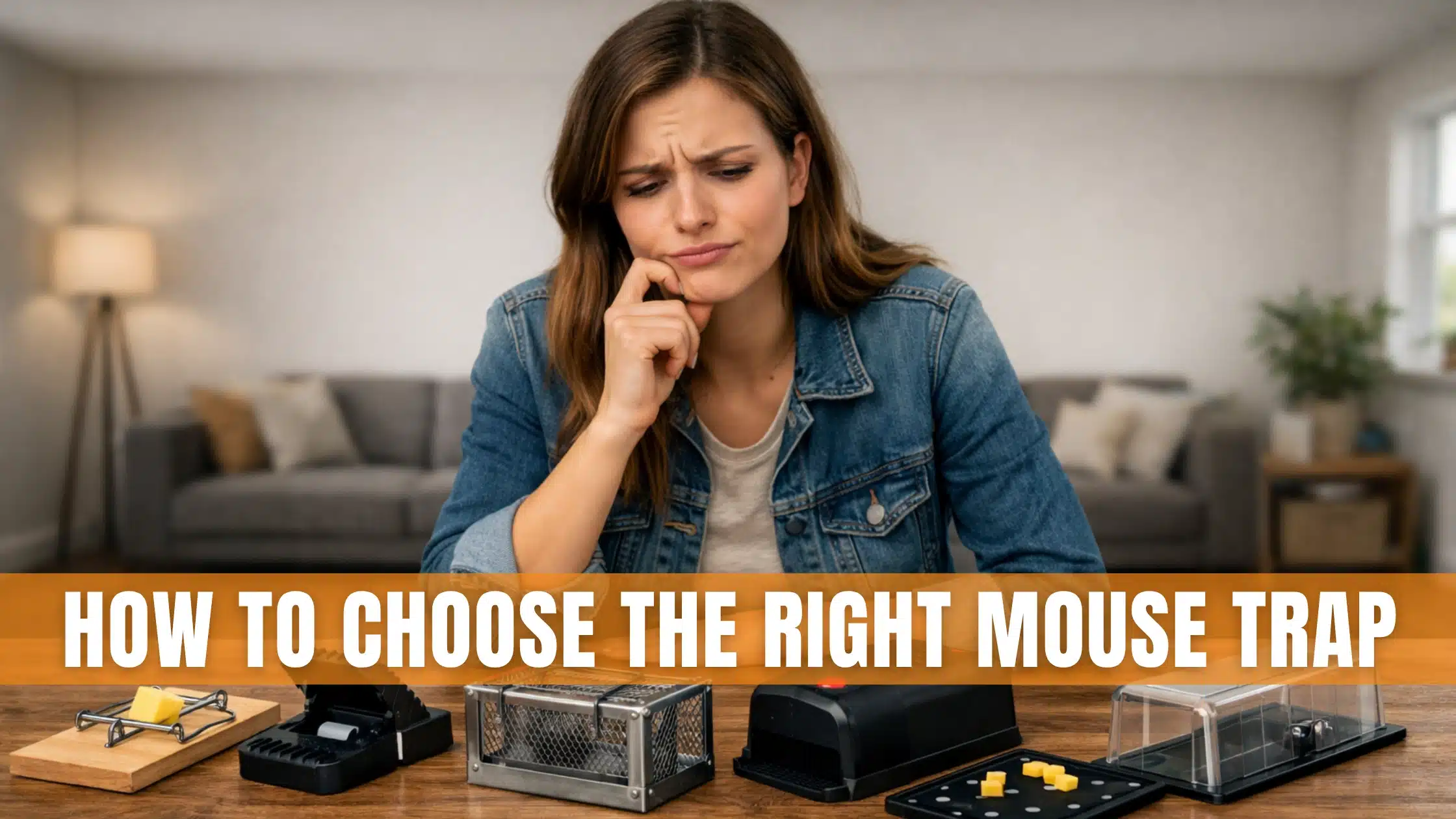
How to Choose the Right Mouse Trap for Your Home
Hearing scratching noises at night or noticing tiny droppings in your kitchen can be a clear sign of a mouse problem. If ignored, it can quickly turn into a larger infestation. Many homeowners try random solutions but end up wasting time and money because they don’t understand how to choose the right mouse trap for their specific situation. Using the wrong trap can actually make mice more cautious, making them harder to catch.
The reality is that not all traps are equally effective. The right option depends on several important factors, including the size of the infestation, the layout of your home, safety concerns like pets or children, and your preferred control method. Choosing correctly is a key step in understanding how to get rid of mice effectively and permanently.
In this guide, you’ll learn how to choose the right mouse trap for your home using practical, proven strategies. With the right approach, you can eliminate mice faster, avoid repeated infestations, and create a safer, cleaner living environment for your family.

Why Choosing the Right Mouse Trap Matters
Choosing the right mouse trap is crucial for effective pest control. Many homeowners underestimate this step, but using the wrong trap can make the problem worse instead of solving it. Mice are smart and cautious, so an ineffective approach often leads to repeated infestations.
Using the wrong trap can result in:
- Mice avoiding traps completely, making them harder to catch
- Slower results, allowing the infestation to grow rapidly
- Increased health risks due to contamination from droppings and urine
- Wasted time and money on solutions that don’t work
Selecting the correct trap ensures faster and more reliable results. It also improves hygiene and helps maintain long-term control of the problem.
To make the right choice, consider these key factors:
- Infestation size – small vs large problem
- Safety concerns – presence of kids or pets
- Trap type – snap, electronic, live, or glue traps
- Placement area – kitchens, walls, or hidden corners
For best results, traps should not be used alone. Combine them with sealing entry points, maintaining cleanliness, and removing food sources. This complete approach ensures effective and long-lasting mouse control.
Understanding Different Types of Mouse Traps
Choosing the right mouse trap is essential for effective pest control in Australian homes. Each type of trap comes with its own advantages and limitations, so understanding these differences helps you make the best decision for your situation.
Mouse infestations can escalate quickly if not handled properly. That’s why homeowners should explore different trap options based on their needs, home environment, and infestation level.
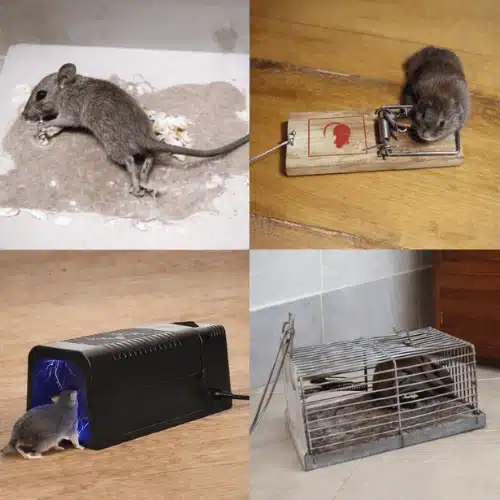
Here are the main types of mouse traps:
- Traditional Snap Traps
A popular and cost-effective option, snap traps use a spring mechanism to kill mice instantly. They are highly effective but require careful placement and handling. - Electronic Traps
These modern traps use an electric shock to eliminate mice quickly. They are more hygienic and often include indicators to show when a mouse has been caught, making them convenient for indoor use. - Humane Catch-and-Release Traps
Ideal for those who prefer a non-lethal approach, these traps capture mice safely without harming them. The mice can then be released far away from your home.
Selecting the right mouse trap depends on your preferences, safety concerns, and the severity of the infestation for best results.
Which Is The Most Effective Mouse Trap for Australian Homes
Australian homes face unique challenges with mouse infestations, making it important to choose the right trap based on local conditions and your home’s layout. Mouse activity often occurs in kitchens, storage areas, and walls, especially in urban settings like Sydney. Electronic traps offer quick and clean results, while humane traps suit smaller problems. For larger infestations, professional solutions may be needed. Understanding mouse behaviour helps with better trap placement, and expert advice ensures long-term prevention and effective control.
1.Electronic Mouse Traps
Electronic mouse traps offer a modern and efficient solution for pest control in Australian homes. Using advanced sensors, they eliminate rodents quickly and cleanly, making them more precise than traditional methods. These traps are easy to maintain, with long-lasting batteries and minimal cleaning required. Designed with safety in mind, they feature enclosed systems that protect children and pets. With high effectiveness rates and fast results, electronic mouse traps are a reliable and convenient choice for controlling infestations.
2. Humane Mouse Trap
Dealing with a mouse infestation can be done humanely using catch-and-release traps. These traps safely capture a mouse without harm and are available in plastic or metal designs, some holding multiple mice. Place them along walls, near entry points, or where signs appear. Use bait like peanut butter or seeds for better results. Check traps regularly and release the mouse at least 1–2 km away to prevent it from returning and ensure effective control.
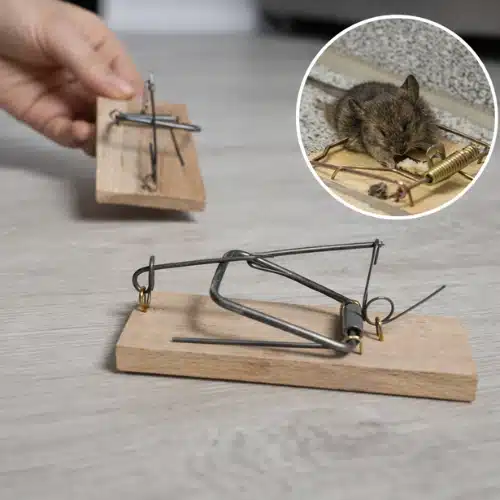
3.Traditional Snap Traps
Mouse traps have been used for years, and snap traps remain a popular, affordable choice for homes and businesses. They are easy to use and highly effective. For best results, place traps along walls, behind appliances, and in dark corners where mouse activity is common. Use bait like peanut butter, cheese, or seeds in small amounts. Always keep traps away from children and pets, wear gloves when handling them, and dispose of the mouse safely to avoid health risks.
Factors to Consider Before Choosing a Mouse Trap
Before selecting a mouse trap, it’s important to understand that not every solution works the same for every home. The effectiveness of a trap depends on several key factors, including the level of infestation, the layout of your space, and safety considerations. By considering these factors in advance, you can ensure faster results and more effective long-term mouse control.
1. Infestation Size
The type of trap you choose should depend on the level of infestation. For a few mice, simple snap traps or live traps can be effective. In cases of a moderate infestation, using multiple snap traps or electronic traps increases success. However, for severe infestations, it is best to combine different trapping methods along with professional pest control to ensure complete and long-term elimination.
2. Safety Concerns
If you have children or pets at home, safety should be a top priority when choosing a mouse trap. Traditional options like snap or glue traps can pose risks and should be avoided in such environments. Instead, opt for enclosed or electronic traps, which are designed to prevent accidental contact while still providing effective mouse control.
3. Location of Activity
Different areas of your home require different types of traps for effective results. In kitchens, where hygiene is important, snap or electronic traps work best. For attics, snap traps are commonly used due to their effectiveness in hidden spaces. In outdoor areas, live traps are a better option, allowing you to capture and release the mouse safely without causing harm.
4. Budget
Your budget also plays an important role when choosing a mouse trap. If you’re on a low budget, snap traps are a cost-effective and reliable option. For a medium budget, you can consider glue or live traps, which offer more flexibility. If you have a higher budget, electronic traps provide a more advanced, hygienic, and efficient solution for controlling mouse infestations.
Where to Place Mouse Traps for Best Results ?
Even the most effective mouse trap can fail if it’s not placed correctly. Proper placement is crucial because mice tend to follow specific paths and stay close to walls rather than moving across open spaces. Understanding where to place mouse traps for better results, helps increase your chances of success.
To get the best results, follow these placement tips:
- Along walls and baseboards – Mice naturally travel along edges, so placing traps here increases contact
- Behind appliances – Areas like behind refrigerators, ovens, and cabinets are common hiding spots
- Near food sources – Kitchens and pantries are high-activity zones where mice search for food
- In dark corners – Mice prefer hidden, low-light areas where they feel safe
Correct positioning ensures that traps are placed directly in the path of mouse movement rather than random locations.
Always place traps perpendicular to the wall, with the trigger side facing the wall. This setup aligns with how mice move and significantly improves capture rates.
For better effectiveness, use multiple traps in different locations and monitor them regularly. Proper placement, combined with the right bait and consistency, plays a major role in successfully controlling mouse infestations.
What's The Most Effective Bait For Mouse Traps?
Choosing the most effective bait for mouse traps is just as important as selecting the right trap. The effectiveness of a mouse trap largely depends on how attractive the bait is. A mouse is naturally drawn to strong smells and high-calorie foods, so using the right bait can significantly increase your success rate.
Here are some of the most effective bait options:
- Peanut butter
- Strong smell and sticky texture
- Keeps the mouse engaged long enough to trigger the trap
- Chocolate
- Sweet and highly attractive
- Works well in indoor environments
- Seeds and nuts
- Natural food source for a mouse
- Ideal for long-term trapping
- Bread or grains
- Easy to use and commonly available
- Effective in kitchen areas
Tips for Best Results:
- Use a small amount of bait to ensure the mouse activates the trap
- Secure the bait properly so it can’t be stolen easily
- Place traps near areas with visible mouse activity
Avoid using random food scraps, as they may not attract a mouse effectively. By choosing the right bait and placing it correctly, you can improve trapping success and control infestations more efficiently.
Common Mistakes to Avoid When Using Mouse Traps
Setting up an effective mouse trap involves more than just choosing the right product. Many homeowners make simple mistakes that reduce success and allow infestations to grow. Understanding these common mistakes to avoid when using mouse traps can significantly help you build a more effective pest control strategy.
Here are some key mistakes to avoid:
- Incorrect placement – A mouse usually travels along walls and dark areas. Placing traps in open spaces makes them less effective. Always position traps along walls where activity is highest.
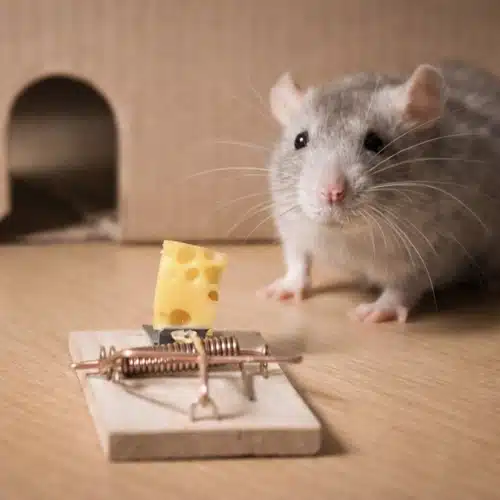
- Wrong bait choice – Using random food like cheese often doesn’t work. Instead, use more attractive options such as peanut butter, chocolate, or seeds to improve results.
- Poor trap positioning – Traps should be placed perpendicular to walls, with the trigger side facing the wall for better capture rates.
- Lack of maintenance – Dirty or worn-out traps can scare away a mouse. Regularly check, clean, and replace traps to keep them effective.
With proper placement, the right bait, and regular maintenance, your mouse control efforts will become faster, more efficient, and long-lasting.
Maintaining and Monitoring Your Mouse Trap System
Keeping a mouse-free home requires more than just setting traps. Regular maintenance and monitoring your mouse trap system are essential to ensure your pest control efforts remain effective over time. A well-maintained system increases success and prevents reinfestation.
Here are some important practices to follow:
- Establish a regular inspection routine
- Check traps at least once a week
- Look for signs of mouse activity or damage
- Focus on high-activity areas like kitchens and dark corners
- Follow proper cleaning and sanitisation
- Always wear gloves when handling traps
- Use mild disinfectants to clean thoroughly
- Avoid strong chemicals that may repel a mouse
- Know when to replace traps
- Replace worn-out or damaged traps immediately
- Snap traps may need replacement after repeated use
- Electronic traps require battery checks and occasional maintenance
Consistent upkeep ensures your traps continue to perform effectively. By regularly inspecting, cleaning, and replacing them when needed, you create a reliable pest control system that keeps your home protected from mouse infestations in the long run.
When to Call Professional Pest Control Services
Dealing with a mouse problem can be challenging for homeowners. While DIY traps may work for small issues, larger infestations often require professional help. Knowing when to call experts is essential to protect your home and health.
Here are signs you need professional assistance:
- Large infestation – Frequent sightings or widespread activity
- Droppings and nests – Visible signs in multiple areas
- Property damage – Chewed wires, furniture, or insulation
- Noises in walls – Constant scratching or movement
When these signs appear, basic traps are usually not enough. Professional services provide a more complete solution by addressing the root cause.
Experts can:
- Identify entry points and hidden nesting areas
- Assess risks and severity of infestation
- Use advanced tools and treatments
- Create long-term prevention plans
EMK Termite & Pest Control Sydney is a trusted name for effective mouse removal. Their experienced team conducts thorough inspections, delivers targeted treatments, and ensures long-term protection for Australian homes.
Don’t let a small mouse issue turn into a serious health or property risk. Acting early with professional support can save time, money, and stress while keeping your home safe and pest-free.
About The Author

EMK Termite & Pest Control Team
EMK Termite & Pest Control Team is a licensed and experienced pest control service provider based in Sydney, Australia. Our team specialises in termite treatment, cockroach control, spider control, and general pest management for residential and commercial properties.
With years of hands-on experience, we follow Australian safety standards and use proven, eco-friendly pest control methods to deliver long-lasting results. All content published on this website is written and reviewed by trained pest control professionals to ensure accuracy, safety, and real-world expertise.