
Content Updated: April 20, 2026
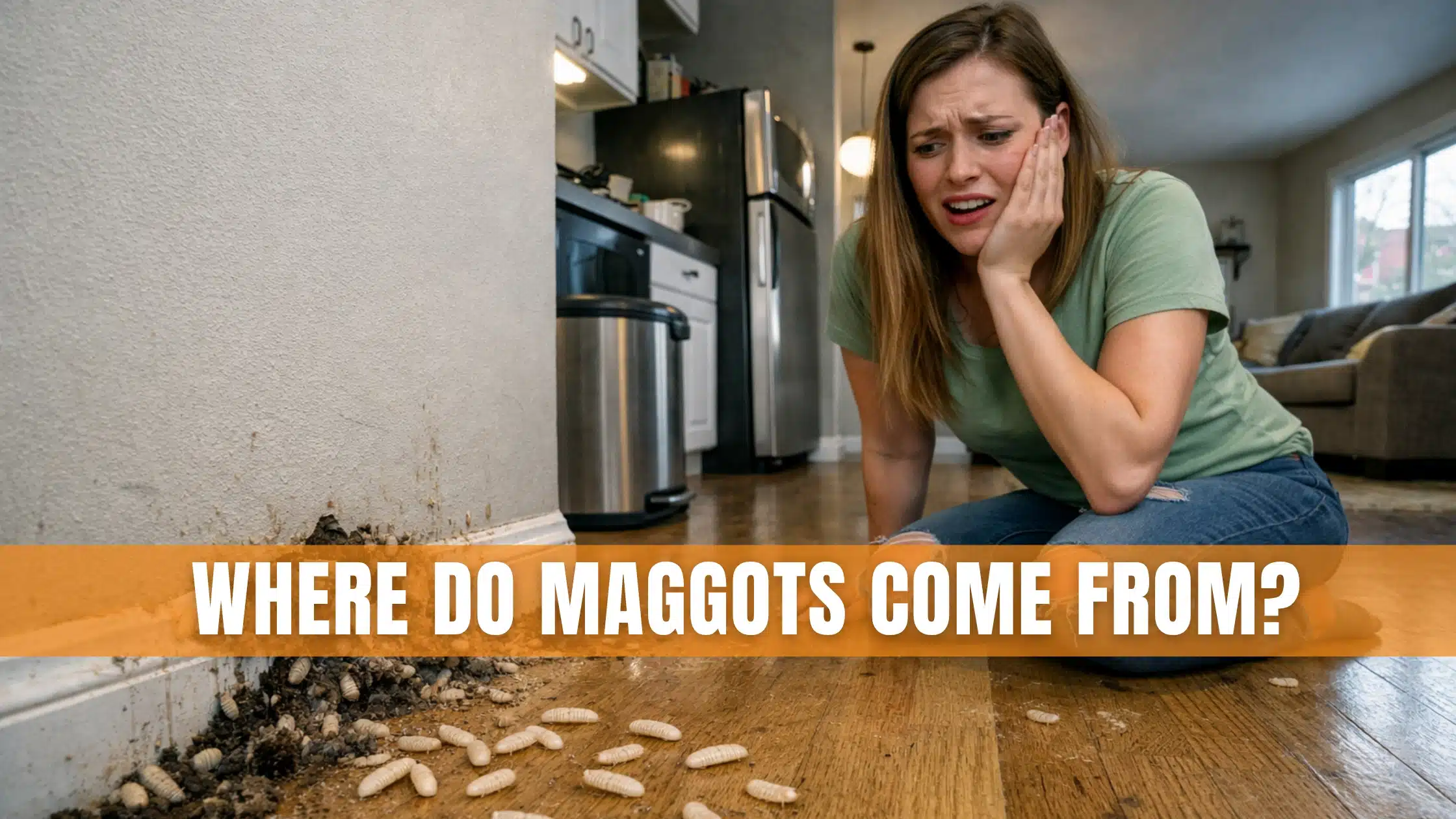
Where Do Maggots Come From?
Maggots are the larval stage of flies, including common houseflies, fruit flies, and blowflies such as blue bottle flies. If you’re wondering Where Do Maggots Come From?, they originate from eggs laid by female flies on decaying organic matter, ensuring a steady food source for the larvae once they hatch. These tiny eggs, resembling small grains of white rice, are often deposited in clusters and can total thousands in a single lifecycle. They are typically found on food waste, spoiled food, animal remains, pet food, or any decomposing organic material.
Under warm and moist conditions, these eggs can hatch within 24 hours, which often makes it seem like maggots appear suddenly. In reality, their presence indicates that flies have already identified a suitable breeding site. This clearly explains what causes maggots ,poor sanitation, exposed waste, and environments that attract flies.
Although maggots are often associated with unhygienic conditions, they play an important role in nature by breaking down organic matter and recycling nutrients. Understanding their lifecycle and causes helps in effective prevention and control. For complete removal methods, you can refer to our detailed guide on how to get rid of maggots.
Understanding Fly Egg and Fly Life Cycle
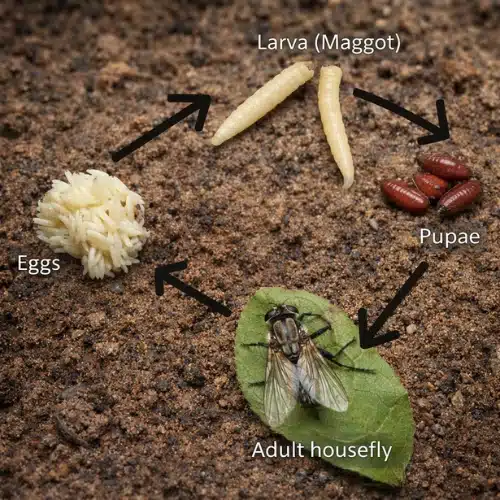
To clearly understand where do maggots come from? and their impact, it’s important to explore the complete fly life cycle, which consists of four key stages:
- Egg Stage
Female flies lay eggs on decomposing organic matter, such as food waste or dead material, ensuring a rich food source for the larvae. - Larva Stage (Maggot)
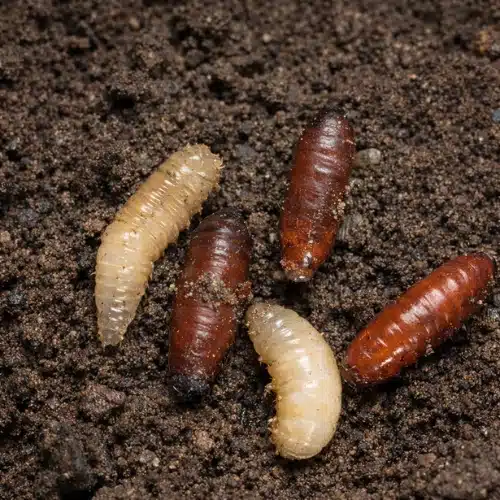
Once the eggs hatch, maggots emerge as small, white, legless larvae. They feed aggressively on decaying matter like garbage, rotting food, and organic waste. During this stage, they grow rapidly and shed their skin multiple times. - Pupa Stage
After feeding, maggots move to a dry and protected area to pupate. They form a hard casing where they undergo transformation into adult flies over several days. - Adult Stage
Fully developed flies emerge from the pupa and can start reproducing within hours, continuing the cycle. Under ideal conditions, the entire process from egg to adult can take as little as 7–10 days.
Understanding this lifecycle also explains how long maggots live. Typically, maggots survive for 5 to 7 days before entering the pupal stage, depending on temperature, food availability, and species.
Common Breeding Areas Where Flies Lay Eggs
Flies are naturally attracted to decomposing organic matter, making certain environments ideal for egg-laying. If you’re wondering where do maggots come from?, the answer lies in these common breeding sites where flies find food and moisture:
- Food Waste and Trash Cans
Garbage containing leftover food is a prime breeding ground. Overflowing or uncovered bins easily attract flies, leading to maggot infestations. - Dead Animals and Decaying Flesh
Blowflies, such as blue bottle flies, are especially drawn to dead animals, where they lay eggs that quickly hatch into maggots. - Animal Feces
Piles of pet or animal waste are highly attractive to flies and can become a major source of maggots if not cleaned regularly. - Compost Bins and Rotting Organic Matter
Decaying plant material and kitchen scraps in compost bins provide the perfect conditions for flies to reproduce. - Sewage, Moist Areas, and Drains
Damp environments with organic buildup, including drains and sewage areas, are common breeding spots for flies.
By understanding these hotspots, you can take proactive steps to prevent infestations by reducing attractants and maintaining proper hygiene around your property.
Identifying and Managing Maggot Infestations
Maggot infestations are usually first noticed when small, wriggling larvae appear in food waste, trash bins, pet food areas, or near drains. Understanding what a maggot is, whether it’s from houseflies, blowflies, or other species ,can help identify the source and severity of the problem.
Common Maggot Activity and Characteristics:
- Housefly Maggots
Pale white in colour with a tapered shape, typically measuring 3–9 mm. Commonly found in household garbage and food waste. - Blowfly Maggots
Larger than housefly larvae and may develop darker markings as they grow. Often associated with decaying meat or animal remains. - Soldier Fly Larvae
Usually found in compost areas, these are segmented, darker, and can grow up to 1 inch long. - Fruit Fly Larvae
Tiny and hard to spot, commonly found in overripe fruits and fermented liquids in kitchens.
If left untreated, maggot activity can escalate rapidly, leading to a full infestation within days. Proper waste management is key using covered trash cans significantly reduces the chances of flies laying eggs in rotting garbage. Early identification and action are essential to prevent further spread and maintain a hygienic environment.
How to Prevent Maggots in Your Home
The best way to stop infestations is by making your home less attractive to flies in the first place. If you understand where do maggots come from?, you’ll know they originate from fly eggs laid on exposed organic matter. Prevention comes down to maintaining proper hygiene and storage habits.
- Dispose of Garbage Regularly
Take out trash frequently and always use sealed, durable garbage bags to prevent flies from accessing food waste. - Clean Food Spills Immediately
Even small spills can attract flies. Wipe surfaces promptly to eliminate hidden food sources. - Maintain Pet Areas
Clean pet bowls, remove leftover food, scoop litter boxes, and dispose of waste regularly to avoid attracting flies. - Inspect Hidden Areas
Check basements, attics, and storage spaces for dead pests or organic debris that could become breeding grounds. - Manage Compost Properly
Keep compost bins covered and turn them frequently to reduce odours and discourage flies from laying eggs.
By staying consistent with these simple practices, you eliminate the conditions that attract flies, preventing maggots before they even begin to develop.
The Importance of Maggots in Nature
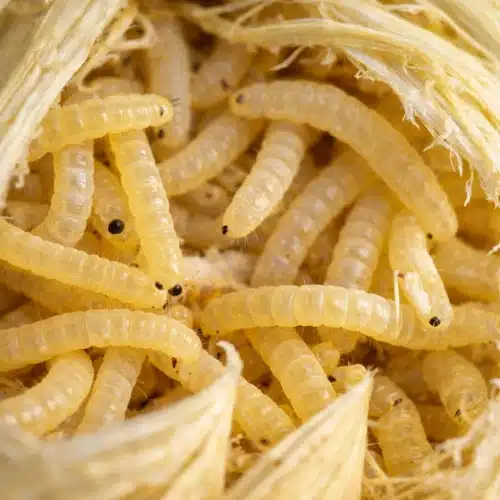
Although often seen as unpleasant, maggots play a crucial role in maintaining ecological balance. Understanding their benefits can change how we view their presence in nature.
- Decomposing Organic Matter
Maggots feed on decaying organic material such as dead animals, food waste, and plant matter. By breaking it down, they help recycle nutrients back into the soil, improving its fertility and supporting plant growth. - Natural Waste Management
Certain species, like black soldier fly larvae, are highly efficient at processing organic waste. In controlled environments, they are used to reduce food waste and convert it into useful by-products like compost and animal feed. - Forensic Importance
Blowfly maggots play a significant role in forensic science. Experts study their growth stages to estimate the time of death in investigations, making them valuable tools in criminal cases. - Supporting the Food Chain
Maggots also serve as a food source for birds, reptiles, and other insects, contributing to the natural food chain.
While they may seem undesirable in homes, maggots are essential in nature for decomposition, waste reduction, and ecological sustainability, highlighting their importance beyond household concerns.
What to Do If You Already Have Maggots
Finding maggots in your home can feel overwhelming, but the solution is usually simple once you understand where do maggots come from? They originate from fly eggs laid on organic waste, so removing the source is key.
Step 1: Identify the Source
Locate what is attracting flies, such as garbage, spoiled food, or pet waste. Remove it immediately, seal it in a bag, and dispose of it outside.
Step 2: Eliminate the Maggots
• Pour boiling water for a fast, chemical-free solution
• Use a vinegar and salt spray as a natural remedy
• For severe infestations, consider safe insecticides if necessary
Step 3: Deep Clean the Area
Scrub the affected surface with hot soapy water, then disinfect using vinegar, bleach, or a strong cleaner to remove lingering odours.
Step 4: Sanitize Trash Bins
Rinse and disinfect garbage bins thoroughly to eliminate unseen eggs and prevent reinfestation.
Step 5: Monitor the Area
If maggots return, it often means another hidden source exists or flies are still accessing the area.
By following these steps, you can effectively remove maggots and prevent them from coming back.
How To Kill Maggots?
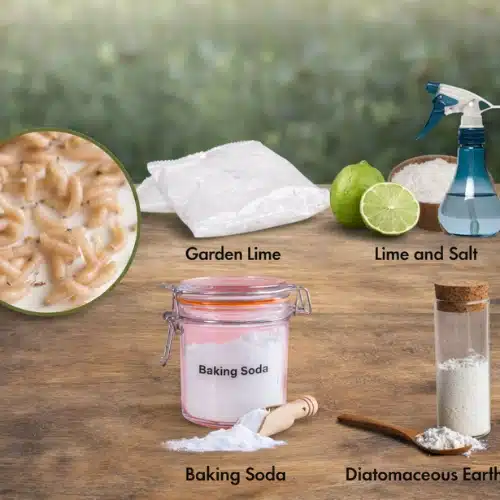
How to Kill Maggots effectively starts with identifying the source and acting quickly to stop the infestation from spreading. Maggots thrive in decaying organic matter, so eliminating their breeding ground is essential.
- Source Removal
Locate and remove the cause, such as food waste, rotting garbage, or dead animals. Seal and dispose of it properly to prevent further breeding. - Boiling Water Treatment
Pour boiling water directly over maggots for an instant and chemical-free solution. - Vinegar or Citrus Solution
Cleaning affected areas with vinegar or citrus juice helps change the pH level, making it difficult for maggots to survive. - Salt Application
Sprinkling salt over maggots dehydrates them quickly, leading to effective elimination. - Insecticides and Bug Zappers
For severe infestations, using fly sprays or bug zappers can help control adult flies and reduce future breeding. - Maintain Cleanliness
Keep trash cans sealed, clean under sinks, and remove moisture-prone waste areas to avoid attracting flies.
Taking early action ensures you control the problem before it worsens. Once treated, consistent hygiene and preventive measures will help keep your home maggot-free.
When to Call a Professional
Most maggot infestations can be resolved with proper cleaning and prevention. However, if you keep noticing maggots repeatedly or can’t identify their source, it’s a warning sign of a deeper issue. This could indicate hidden food waste, a dead animal inside walls or ceilings, or an ongoing fly infestation that requires professional attention.
When the problem persists, it’s best to rely on experts. A professional pest control team can:
- Conduct Detailed Inspections
Identify hidden breeding areas such as wall cavities, drains, or attic spaces that are not easily visible. - Provide Safe and Effective Treatment
Use proven methods to eliminate both maggots and the flies responsible for laying eggs, stopping the infestation at its source. - Offer Long-Term Prevention Solutions
Guide you with practical steps to prevent future infestations and maintain a hygienic environment.
Ignoring recurring maggot problems can lead to larger infestations and health risks. Acting early with professional support ensures complete elimination and peace of mind.
For fast and reliable service, contact EMK Termite & Pest Control Sydney at 0402-343-590. Their experienced team will locate the source, treat the issue effectively, and help keep your home clean, safe, and maggot-free.
About The Author

EMK Termite & Pest Control Team
EMK Termite & Pest Control Team is a licensed and experienced pest control service provider based in Sydney, Australia. Our team specialises in termite treatment, cockroach control, spider control, and general pest management for residential and commercial properties.
With years of hands-on experience, we follow Australian safety standards and use proven, eco-friendly pest control methods to deliver long-lasting results. All content published on this website is written and reviewed by trained pest control professionals to ensure accuracy, safety, and real-world expertise.