
Content Updated: April 22, 2026
How To Inspect For Bed Bugs In Australian Homes
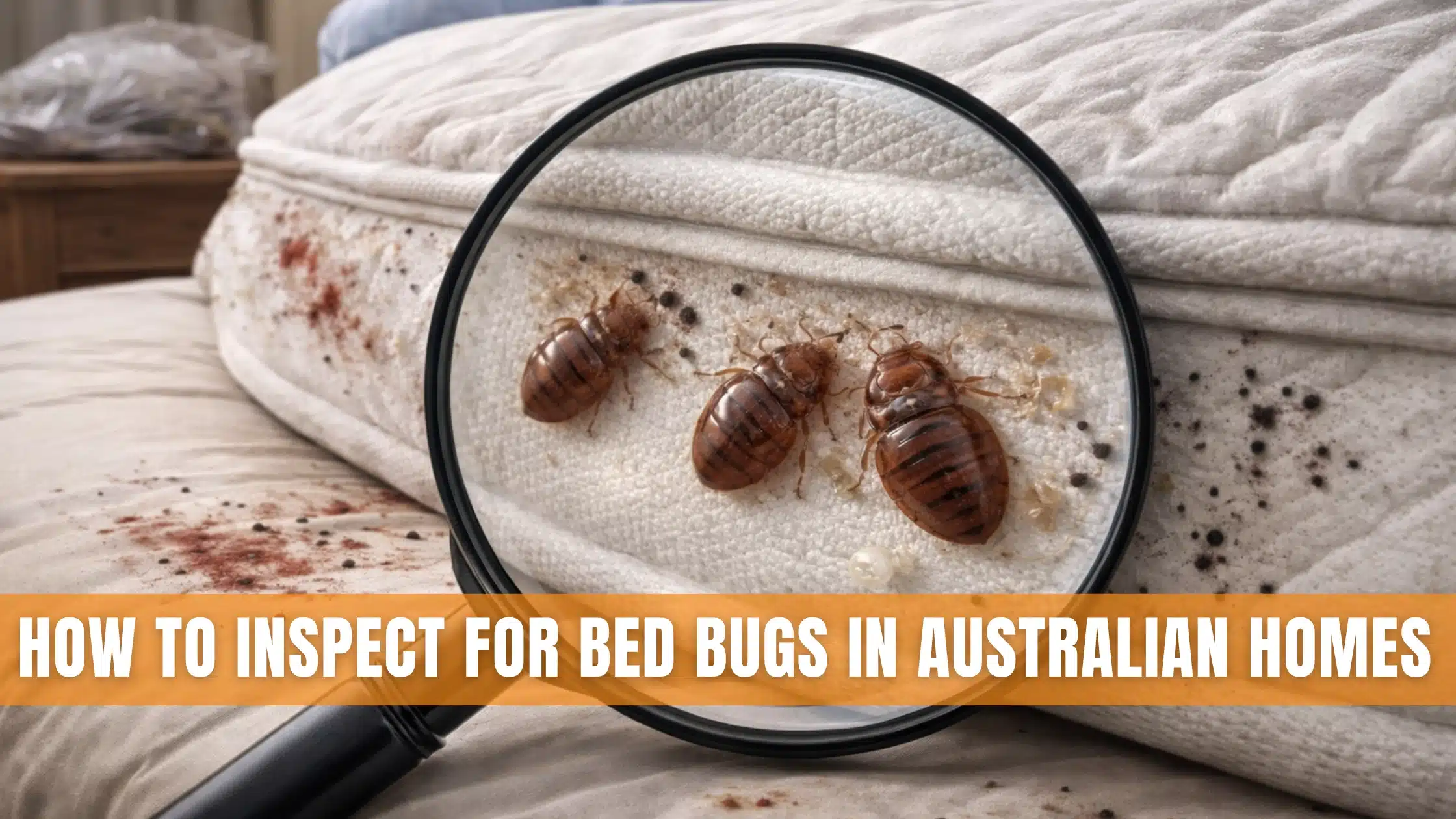
When inspecting your home, it’s important to check every nook and corner, including your bedroom, as this is one of the most common areas for infestations. Understanding how to inspect for bed bugs can help you detect the problem early before it spreads. Carefully examine your mattress seams, bed frames, headboards, and nearby furniture, as bed bugs tend to hide in small cracks and crevices close to where people sleep.
Many people don’t realise their bed may already be infested. Those itchy red marks on your skin are often mistaken for mosquito bites, but they could actually be caused by bed bugs feeding at night. Other signs include tiny blood spots on sheets, dark droppings, or shed skins around the bed area.
Early detection is crucial if you want to eliminate bed bugs effectively. Ignoring the problem can allow the infestation to grow quickly, making it harder to control. Regular inspections, maintaining cleanliness, and acting promptly at the first signs of activity can help prevent a larger issue.
If you suspect bed bugs, taking immediate action or consulting professionals can ensure complete removal and protect your home from recurring infestations.
What Are Bed Bugs and Why Early Detection Matters
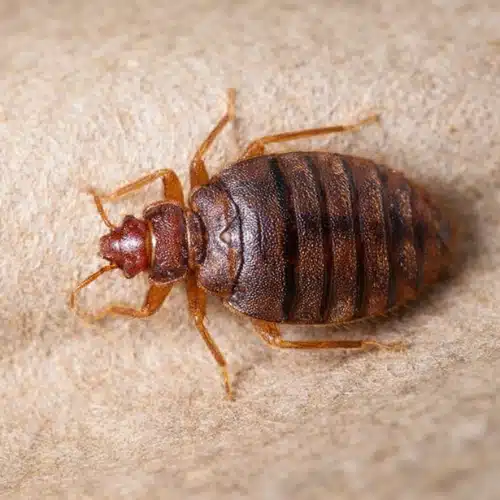
Bed bugs are small, flat insects that feed on human blood, typically at night while people sleep. They are reddish-brown, wingless, and about the size of an apple seed when fully grown. Contrary to popular belief, bed bugs are not linked to poor hygiene. They can easily enter even the cleanest homes by hitchhiking on luggage, second-hand furniture, clothing, or through visitors.
These pests are highly skilled at hiding in tiny cracks and crevices, such as mattress seams, bed frames, and nearby furniture, which makes early detection difficult. Understanding how to inspect for bed bugs is essential, as their small size and nocturnal habits mean infestations often go unnoticed until bites or visible signs appear.
Early detection is crucial because bed bugs reproduce quickly and can spread from one room to another in a short time. What starts as a minor issue can rapidly become a widespread infestation. The longer they remain undetected, the more complicated and disruptive treatment becomes.
Regular inspections, being aware of early warning signs, and taking prompt action are key to managing bed bugs effectively and preventing them from spreading throughout your home.
How to Inspect for Bed Bugs Properly
A thorough inspection requires patience and close attention to detail, as bed bugs hide in tight, dark spaces near where people sleep. Knowing how to inspect for bed bugs properly can help detect infestations early and prevent them from spreading.
Step 1: Inspect the Mattress and Bedding
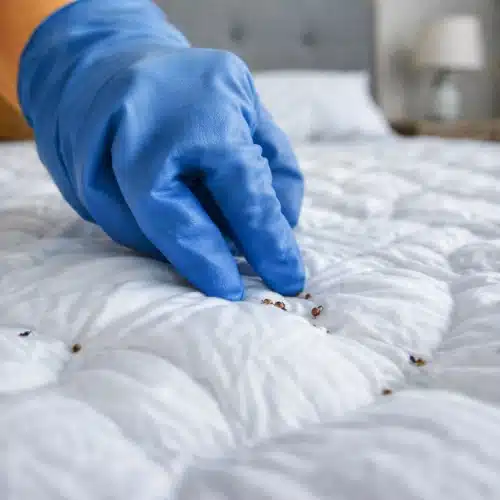
Start with the bed, the most common hiding spot. Check mattress seams, piping, corners, labels, and fitted sheet edges. Use a torch and inspect slowly, focusing on folds and stitched areas.
Step 2: Examine the Bed Frame and Headboard
Bed bugs often hide in wooden frames. Inspect joints, screw holes, cracks, and behind or under the headboard. If possible, remove it to check thoroughly.
Step 3: Check Nearby Furniture
Inspect items within one to two metres of the bed, including bedside tables, sofas, and curtains. Look inside drawers and along seams and hidden areas.
Step 4: Inspect Walls and Fixtures
In severe cases, check skirting boards, wall cracks, carpet edges, and power points. Bed bugs can hide behind wallpaper and frames.
Step 5: Check Luggage and Items
Inspect suitcases, bags, and recently moved items. Bed bugs often enter homes by hitchhiking on belongings.
Early and careful inspection is key to controlling infestations effectively.
What to Do If You Find Bed Bugs
Discovering bed bugs can feel overwhelming, but staying calm and acting quickly is essential to control the problem. Bed bugs spread rapidly, so early action can save time, money, and stress. Knowing how to inspect for bed bugs alongside taking immediate steps can help stop the infestation before it worsens.
Immediate Steps to Take:
Isolate the Infested Area:
Avoid moving bedding, clothes, or furniture to other rooms, as this can spread bed bugs. Keep everything contained within the affected space.
Wash on High Heat:
Wash all bedding, curtains, and soft items in hot water and dry them on high heat for at least one hour. Heat effectively kills bed bugs and their eggs.
Vacuum Thoroughly:
Vacuum mattresses, bed frames, carpets, and cracks in walls or furniture. Dispose of the vacuum contents in a sealed bag outside your home.
Declutter & Inspect:
Reduce clutter and carefully check furniture, drawers, books, and even electrical outlets where bed bugs may hide.
If detected early, these steps can help manage the issue. However, for larger infestations, professional pest control treatment is often required for complete and long-lasting elimination.
Signs of a Bed Bug Infestation
Not sure if you have bed bugs? Recognising early warning signs is essential, and understanding how to inspect for bed bugs can help you take action before the problem worsens.
- Bed Bug Bites
Bed bug bites often appear as small red welts in straight lines or zigzag patterns. They are usually found on exposed areas like arms, legs, neck, and back. Unlike mosquito bites, they may not itch immediately. Some people may not react at all, while others can experience irritation or allergic reactions. - Bloodstains and Droppings
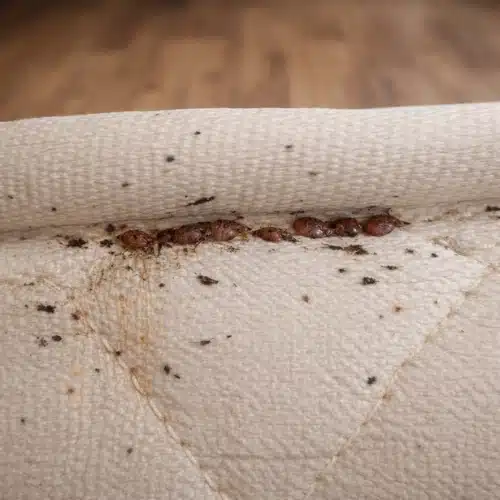
Rust-coloured stains on sheets or pillows may be caused by crushed bed bugs. You may also notice tiny dark spots, which are droppings, commonly found along mattress seams, bed frames, and nearby surfaces. - Musty Odour
A strong, musty smell in the bedroom can indicate a larger infestation. As bed bug numbers increase, they release a noticeable, unpleasant odour. - Eggs and Shed Skins
Bed bug eggs are small, white, and oval-shaped. Shed skins from growing bugs can be found in mattress seams, furniture cracks, and hidden areas.
Identifying these signs early allows for faster and more effective treatment.
How to Kill Bed Bugs Permanently
Getting rid of bed bugs for good requires the right approach. While some DIY methods can help, not all solutions are effective. To kill bed bugs permanently, you need a combination of proven treatments and consistency.
Effective Methods to Eliminate Bed Bugs:
- Heat Treatment
Heat is one of the most reliable ways to kill bed bugs at all life stages.
- Professional Heat Treatment: Experts use industrial heaters to raise room temperatures above 45–60°C, eliminating bugs and eggs.
- Hot Wash & Dry: Wash bedding, clothes, and fabrics on high heat, then tumble dry for at least one hour.
- Freezing Method: Seal small items and freeze them for 48 hours to kill hidden bugs.
- Steam Treatment
High-temperature steam is ideal for mattresses, furniture seams, and cracks. Use a proper steamer designed for pest control, not a basic clothing steamer. - Chemical Treatments
- Store Sprays: These sprays may kill visible bugs but often miss eggs and require repeated use.
- Professional Solutions: Licensed pest control treatments target all life stages for long-term results.
If the infestation is severe, DIY methods may not be enough. Professional pest control ensures complete elimination and prevents reinfestation.
How to Prevent Future Infestations
Getting rid of bed bugs is only part of the solution ,preventing them from returning is just as important. With consistent habits and regular checks, you can protect your home and avoid future infestations. Understanding how to inspect for bed bugs also plays a key role in early detection and long-term prevention.
How to Prevent Future Bed Bug Infestations:
At Home Prevention
Regular Inspections: Check mattresses, bed frames, and furniture seams regularly. Knowing how to inspect for bed bugs helps you spot issues early.
Seal Cracks & Crevices: Close gaps in walls, skirting boards, and furniture to remove hiding spots.
Use Mattress Protectors: Install zippered, bed bug-proof covers to prevent nesting.
Reduce Clutter: Keeping areas tidy limits places where bed bugs can hide and multiply.
While Traveling
Inspect Your Stay: Check hotel mattresses, seams, and headboards for stains or dark spots before settling in.
Keep Luggage Elevated: Use luggage racks instead of placing bags on beds or floors.
Wash Clothes Immediately: After returning home, wash clothes in hot water and dry on high heat to eliminate any hitchhikers.
By following these steps consistently, you can significantly reduce the risk of reinfestation and maintain a bed bug-free home.
When to Call a Professional Bed Bug Specialist
Dealing with bed bugs can quickly become overwhelming, especially when the infestation spreads. While early signs may be manageable, there are clear situations where professional help is necessary. Knowing when to act can prevent the problem from getting worse.
When to Call a Professional Bed Bug Specialist:
If you notice any of the following signs, it’s time to contact a licensed pest control expert:
- Live Bed Bugs: Seeing active bugs is a strong indication of an established infestation.
- Eggs or Shed Skins: These are signs that bed bugs are breeding and growing in your home.
- Repeated Bites with Evidence: Ongoing bites along with visible signs confirm active activity.
Bed bugs are highly resilient pests that can hide in tiny spaces and develop resistance to basic treatments. DIY methods often fail to eliminate the entire infestation, especially the eggs.
Why Professional Treatment Matters:
- Accurate Identification: Experts confirm the presence and severity of the infestation.
- Thorough Inspection: All affected and hidden areas are located and assessed.
- Targeted Treatment: Advanced methods are applied safely to eliminate all life stages.
- Prevention Guidance: Professionals help reduce the chances of reinfestation.
Acting early with expert support ensures faster and more effective results.
Final Thoughts
Checking for bed bugs requires careful inspection, attention to detail, and a clear understanding of where these pests hide. Learning how to inspect for bed bugs is essential, as early signs can be subtle and easy to miss. Acting quickly can make a significant difference in how easily the problem is managed.
If you suspect any bed bug activity or simply want peace of mind, a professional inspection is the most reliable way to confirm the issue and decide on the right treatment approach. Contact EMK Termite & Pest Control Sydney for expert inspections and customised solutions designed to eliminate bed bugs effectively.
Taking early action helps protect your home, your comfort, and your peace of mind.
About The Author

EMK Termite & Pest Control Team
EMK Termite & Pest Control Team is a licensed and experienced pest control service provider based in Sydney, Australia. Our team specialises in termite treatment, cockroach control, spider control, and general pest management for residential and commercial properties.
With years of hands-on experience, we follow Australian safety standards and use proven, eco-friendly pest control methods to deliver long-lasting results. All content published on this website is written and reviewed by trained pest control professionals to ensure accuracy, safety, and real-world expertise.