
Content Published : June 23, 2026
How to Get Rid of Gnats in Your Home: A Complete Guide
Gnats are tiny insects that can quickly take over your living space if left unchecked. Whether they’re hovering around your kitchen, circling houseplants, or invading your garden, knowing how to get rid of gnats effectively is essential for every homeowner.
These pests thrive in surprisingly common conditions. Neglecting to clean your kitchen drain, leaving overripe fruit on the counter, or overwatering indoor plants are all leading causes of gnat infestations. Small changes in your daily routine can make a significant difference.
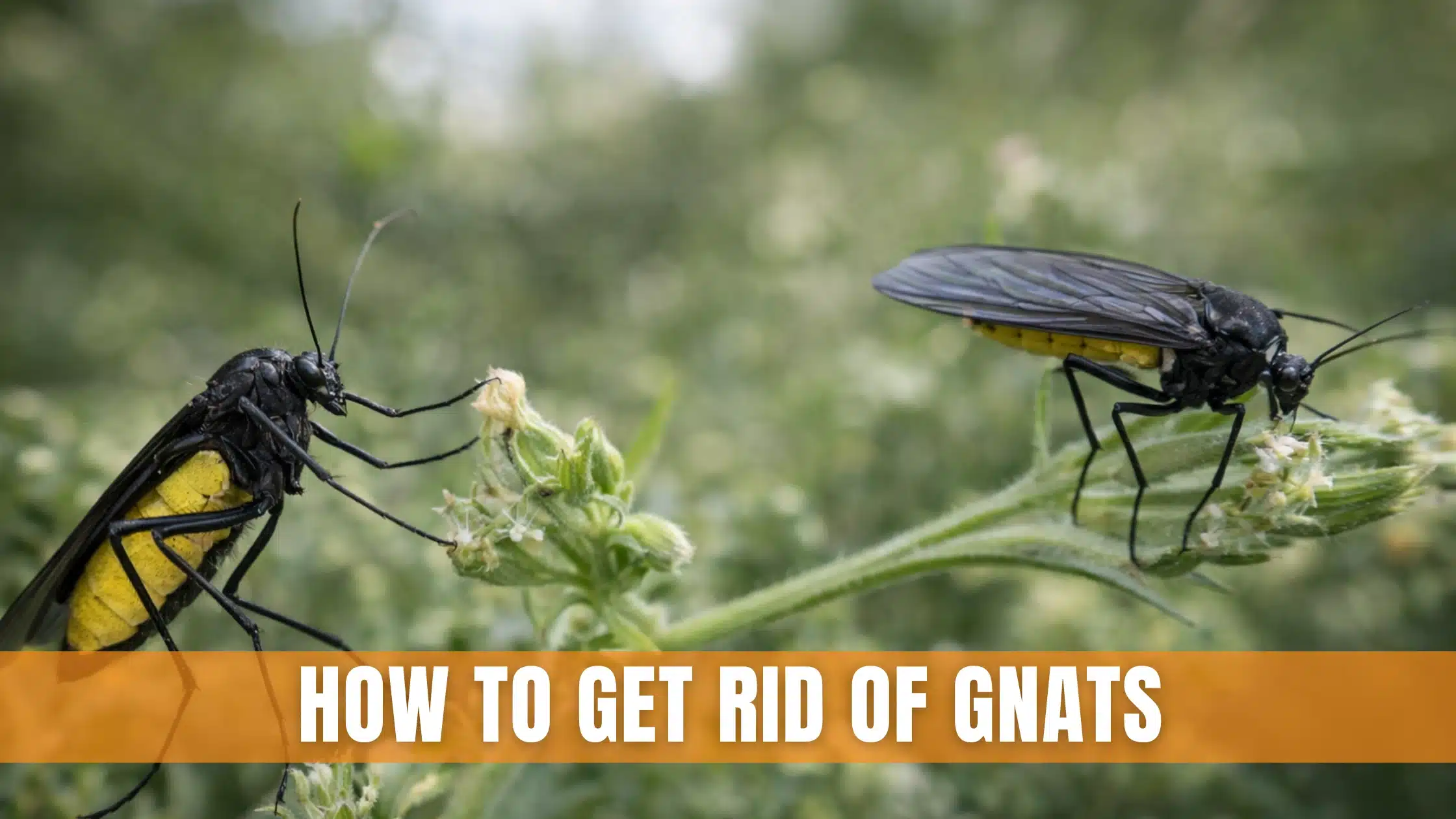
Among the most frequently encountered species are fungus gnats, a persistent problem for gardeners and plant lovers alike. These tiny flies target the moist soil of potted plants, causing root damage and stunting growth. They’re especially problematic in homes, greenhouses, and nurseries.
Identifying a fungus gnat infestation early is key to controlling the spread before it worsens. By learning to recognize the signs and apply the right treatments, you can protect your plants and reclaim your space. Early detection and professional Fly control services can help prevent infestations from becoming a larger problem.
Read on to discover proven, practical methods for eliminating gnats from your home and preventing them from coming back.
What Are Gnats? Types of Gnats You Need to Know
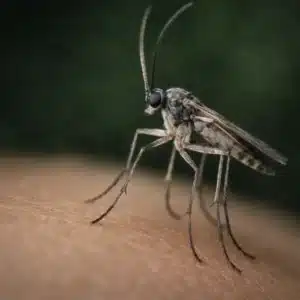
Gnats are tiny, winged insects commonly found swarming in damp, humid environments. From kitchen drains to freshly watered houseplants, these persistent pests tend to hover in clusters and identifying the type of gnat you’re dealing with is the first step toward effective removal.
Here are the three most common types of gnats found in and around the home:
- Fungus Gnats — Black-bodied with long legs, fungus gnats are frequently spotted near overwatered houseplants and garden soil. Excess moisture in potting mix is their primary breeding ground.
- Fruit Flies — Small, round, and brown with distinctive red eyes, fruit flies are attracted to overripe fruits and vegetables. Left unchecked, they can multiply rapidly in your kitchen.
- Drain Flies — Fuzzy, moth-like wings make drain flies easy to identify. They thrive in moist environments near drains, sewers, gutters, and outdoor puddles.
Knowing which gnat species has invaded your space helps you to get rid of gnats effectively from your home and surroundings.
How to Get Rid of Gnats in Your Home
No matter the type, fruit flies circling your kitchen or fungus gnats hovering over houseplants rarely disappear on their own. The longer you wait, the worse the infestation can get. Fortunately, there are several quick, effective ways to get rid of gnats at home without calling an exterminator. Here are the best methods to eliminate gnats fast and stop them from coming back.
1. Use A High-Tech Fly Trap
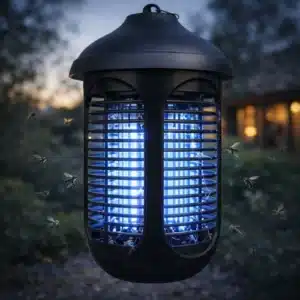
One of the most effective ways to get rid of gnats indoors is a plug-in insect trap. These devices use UV light to attract flying insects, then capture them on a disposable sticky backing no mess, no contact required. Simply plug one in near your gnat problem area for continuous, hands-free protection. Most plug-in traps are completely safe for indoor use, making them a convenient solution for kitchens, bathrooms, and plant rooms.
2. Make a vinegar trap
Vinegar is one of the best home remedies for getting rid of gnats , and you probably already have everything you need. Our Cleaning Lab experts tested and confirmed these three highly effective DIY gnat traps using vinegar:
1.Apple Cider Vinegar & Plastic Wrap Trap
Pour apple cider vinegar into a glass or use the bottle directly. Cover the opening with plastic wrap, secure with a rubber band, then poke a few small holes on top. Gnats fly in easily but can’t escape ,simple and surprisingly effective.
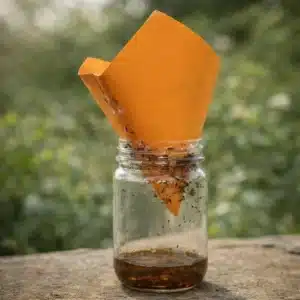
2.Paper Cone, Vinegar & Ripe Fruit Trap
Add a splash of vinegar and a chunk of overripe fruit to a jar. Roll paper into a cone and place it narrow-end down into the jar. The scent of rotting fruit lures gnats in, while the cone makes escape nearly impossible.
3.Vinegar & Dish Soap Bowl Trap
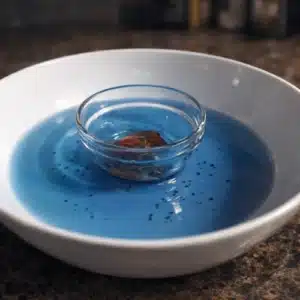
Mix three drops of dish soap into a bowl of vinegar and leave it uncovered near problem areas. The soap breaks the surface tension of the vinegar, causing gnats to sink and drown on contact.
3. Pour boiling water down the drain
Drains are one of the most common gnat breeding grounds in any home. To kill gnat eggs and destroy their habitat, pour boiling water directly down the drain , no special products needed. This simple method flushes out the organic buildup, bacteria, and food residue that gnats rely on to survive. For best results, repeat regularly as part of your drain cleaning routine to prevent future gnat infestations .
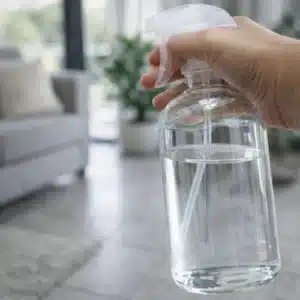
4. Try a spray solution
For fast, targeted relief, an indoor-safe insecticidal spray is a highly effective way to kill gnats on contact. Look for sprays formulated with natural ingredients like rosemary and cornmint oil, powerful enough to eliminate gnats without requiring EPA registration. Most are safe to use around people and pets, making them ideal for home use. Always avoid contact with eyes, skin, and electrical wiring, as some formulas contain flammable ingredients.
5. Rely on sticky traps
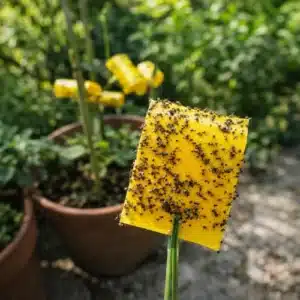
Sticky traps are one of the easiest and most affordable ways to catch and kill gnats quickly. Available in various styles , from hanging ribbons and cards to stands designed specifically for potted plants , these traps work by luring gnats with bright colors like yellow, then trapping them on a sticky surface. Simply place them near problem areas, monitor regularly, and replace once full for continuous, chemical-free gnat control.
6. Buy a natural trap
For a pet-safe, food-safe gnat solution, a ready-made gnat trap is an excellent choice. Look for formulas containing natural ingredients like sodium lauryl sulfate , a plant-derived surfactant and malic acid, commonly found in fruit. These ingredients work together to effectively attract and kill gnats without harsh chemicals. Simply open the container, place it on your counter near the problem area, and let it do the work for you.
7. Make a candle trap
A candle trap is a surprisingly simple and effective home remedy for killing gnats. Place a tall candle in a candlestick, set it in a shallow pan of water, and add a few drops of dish soap. Turn off the lights and light the candle , gnats are naturally attracted to flame and will either fly into it or fall into the soapy water and drown. Always stay in the room while the candle is lit for safety.
How to Get Rid of Gnats Outside
Several indoor gnat removal methods, particularly vinegar traps and sticky traps , work just as well for getting rid of gnats indoor space. However, outdoor spaces come with unique challenges that require additional prevention strategies. From garden beds to compost bins, gnats thrive wherever moisture and organic matter meet. Here are the most effective steps to eliminate gnats from your garden and other outdoor areas before they become a full infestation.
1. Address moisture issues
Gnats breed rapidly in stagnant water, making common outdoor features like bird baths, flower pot saucers, and puddles prime gnat breeding grounds. To prevent gnat infestations outdoors, address drainage issues promptly — clear blocked drains and gutters regularly to discourage standing water buildup. Additionally, position water features such as fountains and ponds as far from your home as possible to reduce the risk of gnats migrating indoors.
2. Replace outdoor lights
Your outdoor lighting could be attracting gnats without you realizing it. Gnats are naturally drawn to bright white light, making string lights and pathway lights common culprits in gnat-heavy entertaining areas. A simple but highly effective fix? Replace white bulbs with yellow or amber-colored LED lights, which are far less appealing to gnats and other flying insects. This small swap can significantly reduce outdoor gnat activity around your home.
3. Clear trash and debris
Decaying organic matter is one of the biggest outdoor gnat attractants. Rotting leaves, excessive mulch, and decomposing food waste create the perfect environment for gnats to congregate and breed in your backyard. Regularly clearing this type of debris is a simple yet powerful step toward preventing outdoor gnat infestations. Keep your yard clean, compost responsibly, and remove decaying plant material promptly to eliminate the conditions gnats need to thrive.
How to Prevent Gnats from Coming Back
Stopping a gnat problem before it starts is far easier than dealing with a full infestation. Here are the most effective ways to prevent gnats in your home:
- Minimize Moisture Indoors
Gnats thrive in damp, humid environments. Running a dehumidifier — particularly during humid summer months — keeps indoor humidity below 55%, the threshold at which gnats begin to multiply. Target moisture-prone areas like basements, bathrooms, and laundry rooms for best results.
- Don’t Let Garbage Build Up
Rotting food and overflowing trash cans are major gnat attractants. Wipe down counters daily and take out garbage regularly to eliminate the organic matter gnats need to survive.
- Avoid Overwatering Houseplants
Damp soil is a leading cause of fungus gnat infestations. Allow soil to dry completely between waterings and repot houseplants in fresh soil periodically to remove decaying roots that gnats feed on.
- Keep Drains Clean
Drain flies breed in the bacteria and organic buildup found in kitchen drains, garbage disposals, and bathroom pipes. Clean plumbing lines frequently — especially during summer — to prevent drain fly infestations.
- Store Fruit Properly
To prevent fruit flies, rinse and dry produce immediately after shopping. Store quick-ripening fruits like apples, grapes, and peaches in low-humidity crisper drawers, and transfer ripe bananas to the fridge or freezer to avoid attracting flies to your countertops.
When to Call a Professional for Gnat Control
DIY methods can be highly effective for minor gnat problems, but they’re not always enough — especially when dealing with biting gnats or a severe gnat infestation. If your efforts aren’t producing results, it may be time to call a professional pest control service.
Licensed exterminators can accurately identify gnat breeding sites, recommend targeted treatments, and create a customized gnat control plan tailored to your specific outdoor environment. Professional intervention offers more reliable, long-term protection compared to home remedies alone.
Contact EMK Termite & Pest Control Sydney to schedule an inspection and take the first step toward eliminating gnats from your home and yard for good.
What Our Customers Had To Say
 Posted on Google
 Rami Anwer
Trustindex verifies that the original source of the review is Google.
We had such a great experience with the pest control service. From start to finish, everything was quick, easy and completely hassle-free. The team were professional, friendly and made the whole process so simple. We’re really happy with the results and the quality of the service we received from Eevil. I would definitely recommend EMK to anyone looking for a reliable pest control company!Posted on Google Rena NajimReally happy with the service today. Professional, friendly and did a great job. Would definitely recommend!Posted on Google
 David DavidEMK provided excellent pest control service. He was professional, punctual, and knowledgeable, explained the process clearly, and ensured it was safe for our family and pets. We saw great results straight away. Friendly, reliable, and highly recommended.Posted on Google
 Ann TranWe highly recommend EMK Termite and Pest Control Sydney. Great service, great prices, friendly and very accommodating. They are very thorough and take pride in their work. Cannot rate them high enough. 5 stars 🌟Posted on Google
 Charlton DurieI had these guys come and sort a termite issue. They got the job done. Thanks again!Posted on Google
 David MarshSuper happy with EMK for getting rid of such a horrible termite infestation! Professional and very friendly.Posted on Google
 Michael ZammitJust had EMK come out to do a rodent control treatment. The service and professionalism was superb!Verified by TrustindexTrustindex verified badge is the Universal Symbol of Trust. Only the greatest companies can get the verified badge who has a review score above 4.5, based on customer reviews over the past 12 months. Read more
Frequently Asked Questions (FAQs)
What causes gnats in the house?
How do I get rid of gnats fast?
What is the best home remedy for gnats?
How do I get rid of fungus gnats in houseplants?
Are gnats harmful to humans?
How do I get rid of gnats outside?
When should I call an exterminator for gnats?
About The Author

EMK Termite & Pest Control Team
EMK Termite & Pest Control Team is a licensed and experienced pest control service provider based in Sydney, Australia. Our team specialises in termite treatment, cockroach control, spider control, and general pest management for residential and commercial properties.
With years of hands-on experience, we follow Australian safety standards and use proven, eco-friendly pest control methods to deliver long-lasting results. All content published on this website is written and reviewed by trained pest control professionals to ensure accuracy, safety, and real-world expertise.