
Content Published : August 27, 2026
Top 10 Common Pests Found in Australia
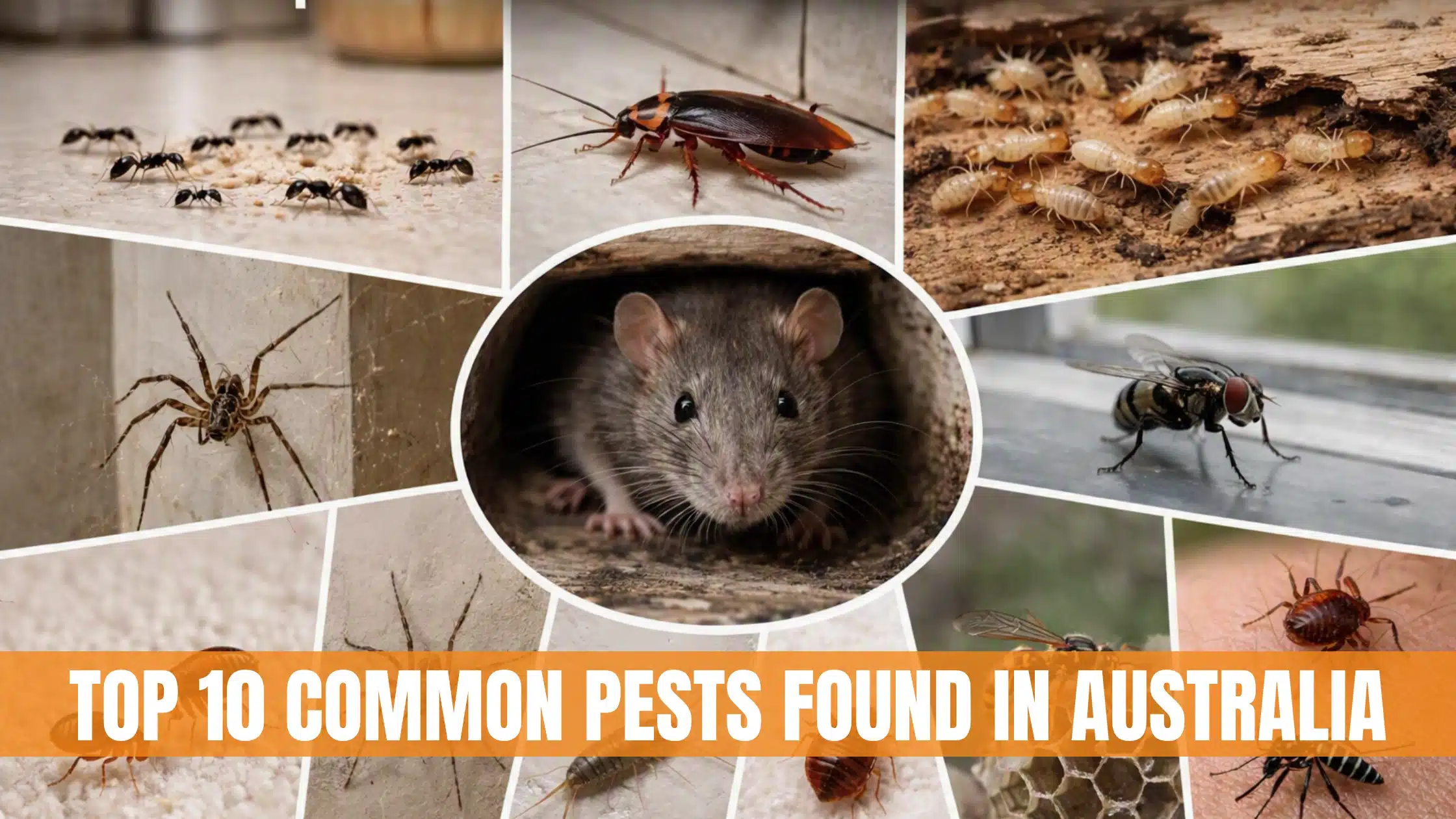
Australia is home to some of the world’s most diverse ecosystems and unique wildlife. However, this rich biodiversity also means that homes, farms, businesses, and public spaces can face a wide variety of pest problems. While many pests are a natural part of the environment, they can become troublesome when they enter human spaces or multiply rapidly.
Pest infestations can create serious concerns for Australian households and businesses. Some pests damage crops, gardens, timber structures, stored food, and other property, while others can contaminate surfaces or contribute to the spread of diseases. Certain invasive species can also threaten native plants, animals, and local ecosystems.
Understanding common pests is the first step toward effective prevention and control. Knowing what attracts pests, where they commonly hide, and what warning signs to look for can help property owners respond before a small problem becomes a major infestation.
In this guide, we’ll explore the impact of pests across Australia, introduce the 10 most common pest species found around homes and businesses, and look at notable pest problems in different Australian states. This information can help you recognise potential risks and take practical steps to keep your property protected.
The Impact of Pests in Australia
Pests are more than an occasional nuisance. When invasive or harmful species become established, they can affect Australia’s economy, natural environment, agriculture, and public health. Their impact can be significant for both urban communities and rural areas.
Key concerns include:
- Economic impact: Invasive species are estimated to cost Australia around $24.5 billion each year, representing approximately 1.26% of the country’s GDP. The financial burden has increased considerably over recent decades due to growing pest populations and control costs.
- Environmental damage: Pest species can place native wildlife and ecosystems under pressure. Feral rabbits, for example, destroy vegetation and contribute to habitat degradation, affecting hundreds of threatened native species. Plant diseases such as Phytophthora can also damage native vegetation and disrupt sensitive ecosystems.
- Health concerns: Certain pests can carry or transmit diseases that affect people. Mosquitoes are a major concern in warmer regions because they can spread illnesses such as dengue fever and Ross River virus.
- Agricultural threats: Invasive pests can damage crops, reduce agricultural productivity, and increase the cost of protecting farms and food supplies.
- Property damage: Termites, rodents, and other pests can damage buildings, electrical systems, timber, insulation, and stored materials when infestations are left untreated.
These impacts highlight why early identification, prevention, and responsible pest management are important across Australia.
Top 10 Most Common Pests in Australia
Termites: A Serious Threat to Australian Properties
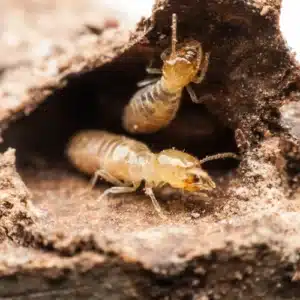
Termites are among the most damaging pests affecting Australian properties. Often called “white ants,” they can remain hidden inside walls, floors, and roof structures while feeding on timber and other cellulose-based materials.
Subterranean termites are particularly concerning because they can establish colonies around buildings and cause significant structural damage before obvious signs appear.
Common warning signs include:
- Mud tubes around foundations or walls
- Hollow-sounding or damaged timber
- Cracked or bubbling paint
- Doors and windows that become difficult to open
- Discarded wings near windows or entry points
Homes with timber structures, moisture issues, or landscaping close to foundations may require particular attention. Regular termite inspections can help identify activity before extensive damage occurs.
If termites are detected, professional termite treatment options may include targeted chemical treatments, baiting systems, or other management strategies based on the property and infestation.
Cockroaches: A Common Household Pest
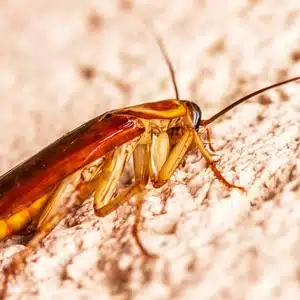
Cockroaches are among the most common pests found in Australian homes and businesses. German, Australian, and American cockroaches are frequently encountered indoors, particularly in warm, humid areas such as kitchens, bathrooms, and laundries. They are mainly active at night, making infestations easy to overlook.
Cockroaches can create hygiene concerns because they may carry bacteria and contaminate food preparation areas. Their droppings, shed skins, and other allergens can also contribute to allergic reactions and may aggravate asthma symptoms.
How to Prevent Cockroach Infestations
- Keep kitchen benches and floors clean and free from food crumbs.
- Store food, pet food, and pantry items in sealed containers.
- Empty household rubbish regularly and keep bins covered.
- Repair leaking taps and plumbing issues to reduce moisture.
- Seal cracks and gaps where cockroaches may enter or hide.
Because cockroaches reproduce quickly, professional cockroach treatment may be necessary when activity continues.
Ants: A Persistent Pest Problem in Australia
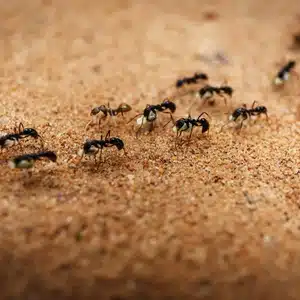
Ants are common household pests across Australia and can quickly become a nuisance once they discover a reliable source of food or water. Black house ants, coastal brown ants, bull ants, and Argentine ants are among the species commonly encountered around homes and businesses.
A few ants on the kitchen bench may seem harmless, but visible activity can indicate a nearby nest. Ant colonies can contain large numbers of workers, and simply spraying the ants you can see may not address the source.
How to Reduce Ant Activity
- Keep food stored in sealed containers and clean spills promptly.
- Wipe kitchen benches and floors regularly to remove food residue.
- Avoid leaving pet food out for long periods.
- Seal cracks and gaps around windows, doors, and walls.
- Remove standing water and fix leaking taps around the property.
For recurring or widespread infestations, professional ant control can help identify entry points and target areas where colonies are established.
Spiders: Understanding Spider Activity in Australian Homes
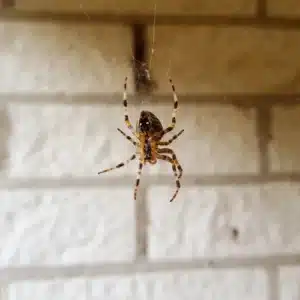
Australia is home to many spider species. While most are harmless, some can deliver bites that may require medical attention. Redback spiders are commonly found around homes, while huntsman spiders are large and fast but generally pose little threat to people.
Spiders often choose quiet, undisturbed areas where they can find shelter and prey. Common hiding and web-building locations include garages, sheds, roof eaves, outdoor furniture, storage areas, and garden spaces.
How to Reduce Spider Activity
- Remove webs regularly from indoor and outdoor areas.
- Keep garages, sheds, and storage spaces organised and free from clutter.
- Trim plants and branches away from walls, windows, and roof areas.
- Reduce outdoor lighting that attracts insects, which can provide spiders with a food source.
- Seal gaps around doors, windows, and other potential entry points.
If spider activity remains high despite regular maintenance, professional spider control can provide additional protection.
Rodents (Rats and Mice): Signs of an Infestation
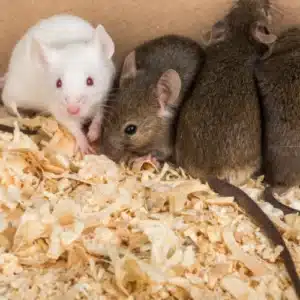
Rats and mice are common pests in Australian homes and businesses. Roof rats, Norway rats, and house mice can enter properties searching for food, warmth, and shelter, particularly when outdoor conditions become cooler.
How Do You Know If You Have Rodents?
Look for these common warning signs:
- Scratching or movement sounds, especially at night.
- Droppings inside cupboards, along walls, or near food storage areas.
- Gnaw marks on food packaging, furniture, or electrical wiring.
- Greasy marks or stains along walls and frequently used pathways.
- Damaged food containers or nesting materials in hidden areas.
Rodents can create hygiene and property risks by contaminating food with droppings and urine. Their habit of chewing materials, including electrical cables, can also cause expensive damage and increase fire risks.
To reduce entry, seal gaps around doors, pipes, vents, and other openings. Keep food securely stored and minimise clutter that could provide hiding places.
Wasps: What to Do About a Wasp Nest
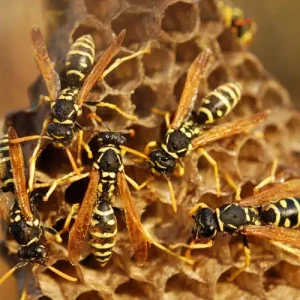
Wasps can become a serious nuisance around Australian homes, particularly during the warmer months. European wasps are known for their aggressive behaviour and can sting repeatedly when they feel threatened. They are often attracted to sweet foods, meat, rubbish, and sugary drinks, making outdoor gatherings especially vulnerable.
Wasp nests may be hidden in places that are difficult to notice, including:
- Wall cavities and roof spaces
- Retaining walls and garden areas
- Underground spaces
- Sheds and other sheltered locations
A mature nest can contain a large number of wasps, so disturbing or attempting to remove it yourself can increase the risk of multiple stings.
How to Deal With a Wasp Nest
If you notice increased wasp activity or find a nest near your home, keep children and pets away from the area. Avoid touching, spraying, or blocking the nest entrance.
EMK Termite & Pest Control Sydney provides professional wasp control and nest management using targeted treatment methods designed to reduce wasp activity and help protect your property.
Fleas: Why Are They Difficult to Eliminate?
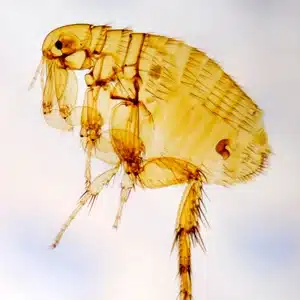
Fleas are common household pests, especially in homes with dogs, cats, or other pets. Although adult fleas feed on animals, their eggs, larvae, and pupae can spread throughout carpets, rugs, bedding, and upholstered furniture. Their bites can cause persistent itching, and sensitive pets or people may develop allergic reactions.
Fleas can be difficult to control because of their complex life cycle. Adult fleas may lay numerous eggs, while pupae can remain hidden in carpet fibres and emerge later when they detect warmth or movement.
How to Prevent Flea Infestations
- Use regular flea prevention recommended by your veterinarian.
- Vacuum carpets, rugs, furniture, and floor edges frequently.
- Wash pet bedding and washable fabrics thoroughly.
- Keep pets’ sleeping and resting areas clean.
- Treat the home as well as the pet when an infestation is established.
For persistent infestations, professional flea treatment can help target fleas at different stages of their life cycle.
Bed Bugs: How Do They Enter Australian Homes?
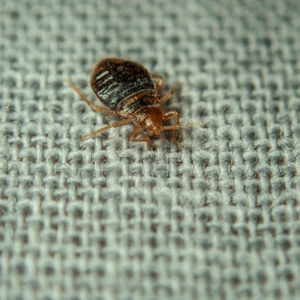
Bed bugs are small, reddish-brown insects that feed on blood and are usually most active at night. They can cause itchy bites, often appearing as small red marks in lines or clusters on exposed skin.
Unlike fleas, bed bugs do not fly or jump. Instead, they commonly spread by travelling unnoticed on personal belongings, clothing, luggage, and second-hand furniture. Hotels, shared accommodation, and other high-traffic places can also provide opportunities for them to hitchhike into homes.
Once inside, bed bugs can hide in:
- Mattress seams and bed frames
- Headboards and upholstered furniture
- Cracks and gaps around bedrooms
- Luggage, clothing, and other belongings
Because they can remain hidden for long periods, identifying an infestation early is important. If you suspect bed bugs, avoid moving mattresses, furniture, or bedding to other rooms, as this may spread the infestation.
EMK Termite & Pest Control Sydney provides professional bed bug treatment and targeted inspection help to identify affected areas and manage infestations effectively.
Silverfish: Can They Damage Your Home?
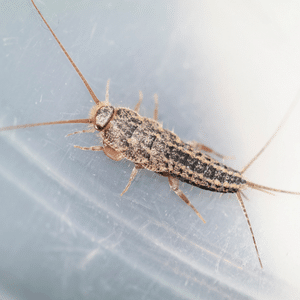
Silverfish are small, wingless insects that prefer dark, humid, and sheltered areas. They are commonly found in Australian homes, particularly in bathrooms, laundries, wardrobes, storage rooms, and other poorly ventilated spaces.
Although silverfish do not bite or spread diseases, they can damage household belongings by feeding on materials containing starches, cellulose, and adhesives.
Signs of Silverfish Activity
- Small holes in clothing, books, or wallpaper
- Yellow or damaged paper pages
- Chewed book bindings and cardboard
- Silverfish appearing around damp or cluttered areas
- Damage to stored documents and fabrics
How to Prevent Silverfish
Reducing moisture is one of the simplest ways to discourage silverfish. Improve ventilation, repair leaking pipes or taps, and use suitable dehumidification where necessary. Store important documents, books, and clothing in sealed containers to limit access.
If silverfish continue to appear despite these measures, professional silverfish treatment may be helpful.
Mosquitoes: Can They Spread Diseases in Australia?
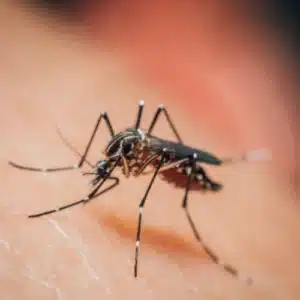
Mosquitoes are a common seasonal pest across Australia and can be more than a simple nuisance. Some species can transmit illnesses, including Ross River virus and Barmah Forest virus, which may cause flu-like symptoms, fatigue, and joint discomfort.
Mosquitoes breed in standing water, making small areas around your property potential breeding sites.
Common Breeding Areas
- Pot plant saucers, buckets, and containers
- Blocked gutters and drains
- Birdbaths and unused outdoor equipment
- Old tyres and water-holding items
- Areas near ponds, wetlands, and waterways
How to Reduce Mosquito Activity
- Empty or remove containers that collect standing water.
- Keep gutters clean and ensure proper drainage.
- Install insect screens on windows and doors.
- Wear long clothing when outdoors during peak activity.
- Use suitable insect repellent when necessary.
Mosquitoes are often most active around dawn and dusk, particularly during warmer weather. Regularly checking your property for standing water can help reduce breeding areas and minimise mosquito activity around your home.
Knowing the top 10 most common pests, their appearance, habits, and potential risks can help you take timely steps to protect your property. By identifying early signs of infestation, following practical prevention methods, and getting professional help when needed, you can reduce pest problems and maintain a cleaner, healthier environment for your family. Regular inspections and simple preventive measures can make a significant difference in keeping unwanted pests away. Remember, early identification and prompt action are essential for controlling infestations before they become more serious, costly, or difficult to manage.
Final Thoughts
Pests can cause serious problems for your property, belongings, and household wellbeing when an infestation is left untreated. Learning to recognise early warning signs can help you take action before a minor pest issue becomes a larger and more expensive problem.
Whether you are dealing with cockroaches, ants, spiders, rodents, termites, or other common household pests, timely treatment is essential. Simple preventive measures combined with professional pest management can help keep your home protected throughout the year.
If you notice signs of pest activity, don’t wait for the problem to worsen. Contact EMK Termite & Pest Control Sydney for reliable pest management solutions tailored to your property. Our experienced team can help identify the problem, treat the infestation, and provide practical advice to help prevent future pest issues.
What Our Customers Had To Say
 Posted on Google
 Rami Anwer
Trustindex verifies that the original source of the review is Google.
We had such a great experience with the pest control service. From start to finish, everything was quick, easy and completely hassle-free. The team were professional, friendly and made the whole process so simple. We’re really happy with the results and the quality of the service we received from Eevil. I would definitely recommend EMK to anyone looking for a reliable pest control company!Posted on Google Rena NajimReally happy with the service today. Professional, friendly and did a great job. Would definitely recommend!Posted on Google
 David DavidEMK provided excellent pest control service. He was professional, punctual, and knowledgeable, explained the process clearly, and ensured it was safe for our family and pets. We saw great results straight away. Friendly, reliable, and highly recommended.Posted on Google
 Ann TranWe highly recommend EMK Termite and Pest Control Sydney. Great service, great prices, friendly and very accommodating. They are very thorough and take pride in their work. Cannot rate them high enough. 5 stars 🌟Posted on Google
 Charlton DurieI had these guys come and sort a termite issue. They got the job done. Thanks again!Posted on Google
 David MarshSuper happy with EMK for getting rid of such a horrible termite infestation! Professional and very friendly.Posted on Google
 Michael ZammitJust had EMK come out to do a rodent control treatment. The service and professionalism was superb!Verified by TrustindexTrustindex verified badge is the Universal Symbol of Trust. Only the greatest companies can get the verified badge who has a review score above 4.5, based on customer reviews over the past 12 months. Read more
Frequently Asked Questions About Top 10 Common Pests
What are the most common pests found in Australian homes?
What are the early signs of a pest infestation?
How often should I arrange professional pest control?
When should I call a professional pest controller?
Can I prevent pests without professional treatment?
Are termites a serious threat to Australian properties?
Are pest control treatments safe for families and pets?
Do commercial properties need regular pest inspections?
About The Author

EMK Termite & Pest Control Team
EMK Termite & Pest Control Team is a licensed and experienced pest control service provider based in Sydney, Australia. Our team specialises in termite treatment, cockroach control, spider control, and general pest management for residential and commercial properties.
With years of hands-on experience, we follow Australian safety standards and use proven, eco-friendly pest control methods to deliver long-lasting results. All content published on this website is written and reviewed by trained pest control professionals to ensure accuracy, safety, and real-world expertise.