
Content Published : September 8, 2026
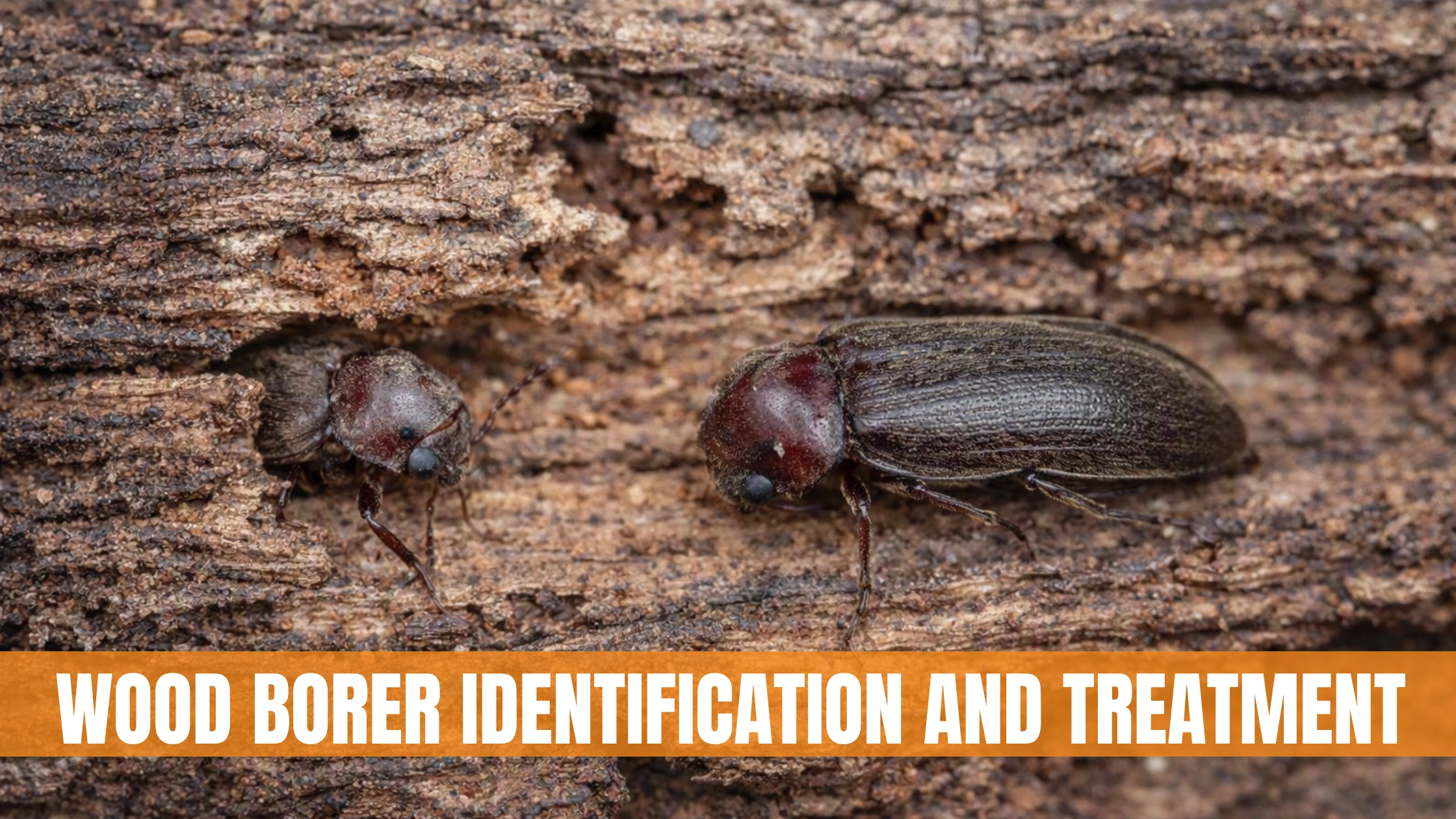
Wood Borer Identification and Treatment
Timber damage in Sydney homes is not always caused by termites. Wood borer beetles, particularly their larvae, can also damage wooden furniture, flooring, beams, and other timber structures. Because the larvae develop and feed inside the wood, an infestation can remain unnoticed for a long time. Small exit holes, fine bore dust, weakened timber, or surface damage may only become visible once the infestation has progressed.
Sydney’s coastal climate, humidity, and widespread use of timber in older homes and furniture can create favourable conditions for wood-boring insects. Antique furniture and untreated or ageing timber can be especially vulnerable.
If you live in Sydney or surrounding suburbs, own older wooden furniture, or have noticed tiny holes or powder-like dust around timber, it is worth investigating the problem early. Identifying the pest correctly is important because treatment depends on the beetle species, the extent of damage, and whether the infestation is active.
At EMK Termite & Pest Control Sydney, our team provides professional Pest Control Sydney services, including inspections and targeted solutions for wood borer activity. Our pest professionals can assess affected timber, identify signs of infestation, and recommend suitable treatment options. Early attention can help prevent further deterioration and protect valuable timber around your property.
If you have noticed unusual holes or damage in your timber, don’t ignore the signs—professional inspection can help determine the cause.
What Is a Wood Borer?
A wood borer is a type of beetle whose larvae spend much of their development inside timber. Australia is home to several species of wood-boring beetles, and their impact can range from minor cosmetic damage to serious deterioration of wooden structures and furniture.
The life cycle begins when an adult female lays eggs in cracks, crevices, existing tunnels, or directly on suitable timber. After hatching, the larvae burrow into the wood and feed as they create narrow tunnels. This larval stage can continue for months or even years, making wood borers particularly difficult to detect during the early stages of an infestation.
As the larvae mature, they eventually develop into adult beetles and make their way out of the timber. This leaves behind small, round exit holes and sometimes fine powdery material known as frass. These visible signs may be the first indication that wood-boring beetles have been active inside the timber.
Older homes, antique furniture, hardwood items, flooring, and other timber structures can be vulnerable. However, different wood borer species prefer different types of wood and environmental conditions.

How to Identify Wood Borers
Wood borers can be challenging to detect because their larvae spend most of their development hidden inside timber. By the time adult beetles emerge, they may leave visible clues on the surface. Knowing these signs can help you identify an infestation before the damage becomes extensive.
Common Signs of Wood Borers
- Small Exit Holes: Look for round or oval holes across timber surfaces. Their size can vary from approximately 1 to 10 mm depending on the species.
- Fine Bore Dust: Powdery material known as frass may appear beneath holes or collect inside tunnels. Fresh frass is usually pale and loose, while older material can become darker and compact.
- Tunnels Inside Timber: Cutting or breaking affected wood may reveal narrow tunnels created by feeding larvae. These tunnels can indicate prolonged activity.
- Weak or Damaged Wood: Infested timber may become soft, crumbly, or noticeably weaker. Floors, joists, beams, and roof timbers should be checked carefully if they feel unusually flexible.
- Raised or Blistered Surfaces: Timber can sometimes develop raised areas when tunnels are formed just underneath the outer surface.
- Larvae or Adult Beetles: During warmer weather, you may occasionally find pale, curved larvae, eggs, or adult beetles around affected timber.
Wood borers are beetles that develop through four main life stages: egg, larva, pupa, and adult. Depending on the species and environmental conditions, the complete wood borer life cycle can take several years. Most timber damage occurs during the larval stage because the larvae remain hidden inside the wood while feeding.
Stages of the Wood Borer Life Cycle
- Egg Stage: Adult females usually lay their eggs in cracks, crevices, old exit holes, or other suitable areas of timber.
- Larval Stage: After hatching, the larvae burrow into the timber and begin feeding. As they grow, they create tunnels throughout the wood, which can gradually weaken affected furniture or structural timber.
- Pupal Stage: Once mature, the larvae move closer to the timber surface and develop into pupae before becoming adult beetles.
- Adult Stage: Adult wood borers chew through the timber surface to emerge, leaving behind characteristic exit holes. They then mate and lay eggs, allowing the infestation cycle to continue.
Adult beetles generally live for a much shorter period than larvae. In Sydney, warmer conditions may encourage increased insect activity, although timing varies between species.

Common Wood Borer Species Found in Sydney
Sydney properties can be affected by several types of wood-boring beetles. These pests differ in appearance, preferred timber, and the type of damage they cause. Identifying the species correctly is important because treatment depends on the beetle involved and whether the infestation is still active.
1.Common Furniture Beetle
The common furniture beetle is associated with timber furniture and wooden structures. Its larvae can remain inside wood for an extended period, creating tunnels as they feed.
Signs to watch for:
Small, round exit holes
Fine powder or frass around damaged timber
Weak or deteriorating wood
Activity around older furniture

2. Lyctid Borer
Lyctid borers, often called powderpost beetles, commonly attack suitable hardwoods. Their larvae feed within the timber and can produce significant amounts of fine powder.
Typical signs include:
Numerous small exit holes
Fine, flour-like frass
Damage to hardwood furniture, flooring, and timber products
These beetles are particularly worth watching for in properties containing susceptible hardwood materials.

3.Anobiid Borers
Anobiid beetles can attack timber in older buildings and furniture. Their larvae develop within the wood, where they create tunnels that may gradually weaken the material.
Possible warning signs include:
Small exit holes
Powdery frass
Surface deterioration
Timber that feels weaker than expected

4.Longhorn Beetles
Longhorn beetles are recognised by their relatively long antennae, and some species can attack structural or recently processed timber. Their larvae can create larger tunnels than smaller wood-boring beetles.
Look for:
Larger exit holes
Coarse bore dust
Extensive internal tunnelling
Damaged or weakened timber

Why Identification Matters
Different wood borer species have different habits and treatment requirements. A few holes do not always mean an infestation is currently active, as old damage can remain visible for years.
What Does Borer Damage Look Like?
Wood borer damage can be difficult to notice at first because the larvae spend most of their time hidden inside the timber. By the time visible signs appear, the wood may already have experienced internal damage. Knowing what to look for can help you identify a potential infestation early.
Common Signs of Wood Borer Damage
- Small Exit Holes: Round or oval holes on wooden surfaces are one of the most recognisable signs. Fresh holes may indicate recent or ongoing activity, although old holes can remain visible for years.
- Frass or Bore Dust: Fine, powdery material around holes, cracks, or beneath timber may be frass produced by feeding larvae. Fresh frass is often a useful indication that activity may still be occurring.
- Damaged Floorboards: Infested timber flooring may develop small holes, surface deterioration, or weakened sections. Some boards can feel unusually soft, unstable, or spongy underfoot.
- Crumbling Timber: Furniture, beams, skirting boards, and other wooden structures may become brittle or crumble around edges and corners when damage is extensive.
- Internal Tunnels: If damaged timber is opened, you may find narrow tunnels created by developing larvae.

How to Treat a Wood Borer Infestation
Treating a wood borer infestation effectively starts with identifying the source and understanding how active the problem is. Because larvae can remain hidden inside timber for a long time, prevention and early detection are important for protecting wooden structures and furniture.
Effective Ways to Manage Wood Borers
- Control Moisture: Keep sub-floor and roof spaces well ventilated and address unnecessary dampness. Moist conditions can make timber more vulnerable to wood-boring insects.
- Inspect Second-Hand Furniture: Before bringing used furniture or timber indoors, carefully check it for small exit holes, frass, or other signs of borer activity. Early inspection can prevent pests from spreading to other wooden items.
- Protect Exposed Timber: During construction or renovation, suitable borate-based timber treatments may help protect exposed wood from certain wood-boring pests. Always follow the product label and obtain professional advice where appropriate.
- Arrange Regular Inspections: Periodic inspections can help identify early signs of timber pests before damage becomes extensive. This is particularly useful for older properties and homes containing substantial amounts of timber.
- Seal Suitable Entry Points: Once inactive damage has been assessed, sealing cracks and old exit holes in appropriate non-structural timber can reduce potential places where adult beetles may lay eggs. However, sealing holes alone will not eliminate larvae already inside the wood.
If you notice recurring holes, fresh frass, or weakening timber, professional assessment can help determine whether treatment is required.
What’s the Difference Between Termites and Borers?
Termites and wood borers can both damage timber in Sydney homes, making them easy to confuse when you notice holes, powder, or deterioration. However, these pests differ in appearance, life cycle, and behaviour.
Wood Borers
Wood borers are beetles, and their larvae cause most of the damage. The larvae spend much of their development inside timber, creating tunnels as they feed.
Common signs include:
- Small round or oval exit holes
- Fine, powdery frass around timber
- Tunnels inside wooden materials
- Weak or deteriorating timber
Adult beetles eventually emerge from the wood, leaving characteristic exit holes behind.
Termites
Termites are social insects with soft, pale-coloured bodies. They are sometimes called “white ants,” but they are not ants. Termites are more closely related to cockroaches.
Unlike wood borers, termites live in colonies and can travel to buildings through concealed pathways. Subterranean termites commonly access properties through soil or suitable entry points.
| Feature | Termites | Wood Borers |
|---|---|---|
| Type of Pest | Social insects related to cockroaches | Beetles whose larvae develop inside timber |
| Appearance | Usually pale or creamy with soft bodies | Adult beetles vary in colour and size depending on the species |
| Life Cycle | Develop through egg, nymph and adult stages within a colony | Develop through egg, larva, pupa and adult stages |
| Where They Live | Usually live in colonies, often in soil, timber or concealed areas | Larvae live and feed inside timber |
| Main Damage | Can consume and weaken structural timber | Larvae create tunnels inside timber as they feed |
| Common Signs | Mud tubes, damaged timber, discarded wings and other colony evidence | Small exit holes, frass, tunnels and weakened timber |
| Colony Behaviour | Live and work together in organised colonies | Do not form large social colonies like termites |
| Typical Target | Structural timber and other cellulose-containing materials | Specific types of timber, furniture and wooden structures depending on species |
| Treatment | Requires pest identification and an appropriate termite management strategy | Treatment depends on the species, timber type and extent of infestation |

How to Get Rid of Wood Borers: Treatment and Control Options
Treating wood borers requires the right approach based on the beetle species, level of infestation, timber type, and whether the activity is still ongoing. A professional inspection should generally come before selecting a treatment method.
Common Wood Borer Treatment Options
- Penetrating Insecticide Treatment: A suitable registered insecticide can be applied to accessible timber to penetrate the surface and target larvae within shallow tunnels. This approach may work well for localised infestations.
- Boron-Based Treatment: Water-based boron products can be applied to or, where appropriate, introduced into timber to help control certain wood-boring insects and provide ongoing protection. Product directions and safety requirements should always be followed.
- Fumigation: For extensive infestations affecting larger areas, specialist fumigation may be considered. This method requires professional handling and temporary evacuation of the property. Suitability depends on the pest, property, and treatment requirements.
- Inspection and Treatment Planning: A detailed assessment helps determine the extent of timber damage and whether the infestation is active. The technician can then recommend the most appropriate treatment for the affected areas.
Conclusion
Wood borer infestations can develop quietly inside timber, making early detection important for protecting furniture, flooring, beams, and other wooden structures. Look for warning signs such as small exit holes, fine frass, tunnels, crumbling timber, or weakened surfaces. If you suspect an infestation, professional assessment can help identify the pest, determine whether the activity is ongoing, and select a suitable treatment approach. At EMK Termite & Pest Control Sydney, we provide reliable timber pest inspections and effective pest management solutions for Sydney homes and businesses. Don’t let hidden wood borers cause further damage. Contact EMK Termite & Pest Control Sydney today to arrange a professional inspection and protect your property.
What Our Customers Had To Say
 Posted on Google
 Rami Anwer
Trustindex verifies that the original source of the review is Google.
We had such a great experience with the pest control service. From start to finish, everything was quick, easy and completely hassle-free. The team were professional, friendly and made the whole process so simple. We’re really happy with the results and the quality of the service we received from Eevil. I would definitely recommend EMK to anyone looking for a reliable pest control company!Posted on Google Rena NajimReally happy with the service today. Professional, friendly and did a great job. Would definitely recommend!Posted on Google
 David DavidEMK provided excellent pest control service. He was professional, punctual, and knowledgeable, explained the process clearly, and ensured it was safe for our family and pets. We saw great results straight away. Friendly, reliable, and highly recommended.Posted on Google
 Ann TranWe highly recommend EMK Termite and Pest Control Sydney. Great service, great prices, friendly and very accommodating. They are very thorough and take pride in their work. Cannot rate them high enough. 5 stars 🌟Posted on Google
 Charlton DurieI had these guys come and sort a termite issue. They got the job done. Thanks again!Posted on Google
 David MarshSuper happy with EMK for getting rid of such a horrible termite infestation! Professional and very friendly.Posted on Google
 Michael ZammitJust had EMK come out to do a rodent control treatment. The service and professionalism was superb!Verified by TrustindexTrustindex verified badge is the Universal Symbol of Trust. Only the greatest companies can get the verified badge who has a review score above 4.5, based on customer reviews over the past 12 months. Read more
Frequently Asked Questions About Wood Borer
How can I tell if a wood borer infestation is active or old?
Are wood borers as damaging as termites?
What timber is most at risk?
How do you get rid of wood borers?
Does wood borer spread?
How long do wood borers last?
What kills wood borers naturally?
How can I control wood borers?
What do wood borers look like?
What are the four types of wood borers?
About The Author

EMK Termite & Pest Control Team
EMK Termite & Pest Control Team is a licensed and experienced pest control service provider based in Sydney, Australia. Our team specialises in termite treatment, cockroach control, spider control, and general pest management for residential and commercial properties.
With years of hands-on experience, we follow Australian safety standards and use proven, eco-friendly pest control methods to deliver long-lasting results. All content published on this website is written and reviewed by trained pest control professionals to ensure accuracy, safety, and real-world expertise.