
Content Published : June 11, 2026
What Do Termites Look Like in Australia?
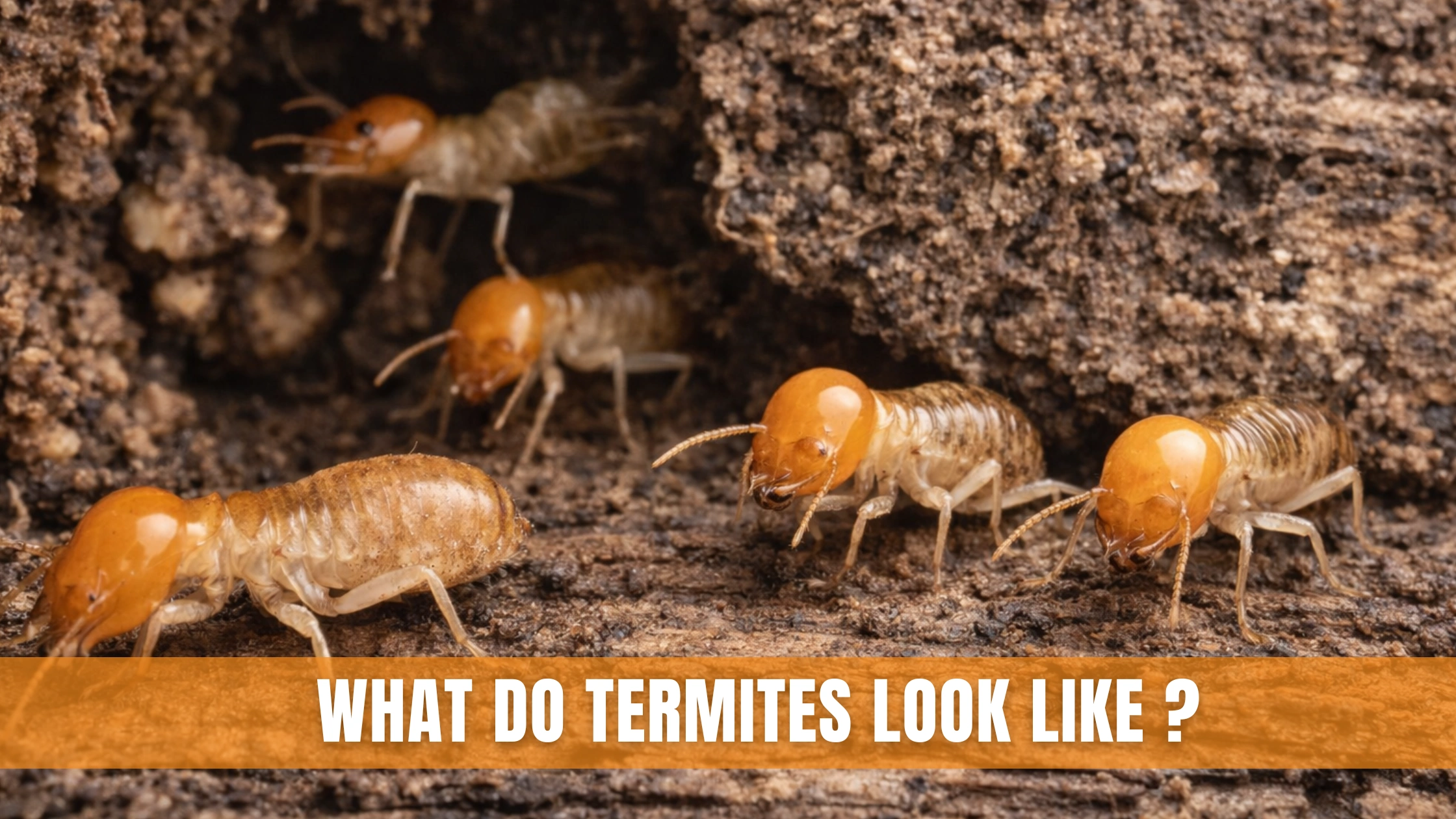
Noticed unusual activity in your home and wondering if you have a termite infestation? You’re not alone ,termites commonly mistaken for white ants, are one of the most destructive household pests in Australia. Unlike the common black ants you see around your home, termites are slightly larger, ranging from 0.7mm to 1cm in length, with pale bodies that make them easy to misidentify. If you’ve recently disturbed an area where termites were present, don’t panic and most importantly, do not spray them with fly spray or DIY termite treatments, as this scatters the colony and makes professional termite treatment far more difficult. Early and correct identification is the key to protecting your home from costly structural damage. Read on to learn exactly what to look for, or contact our expert team today for a professional on-site termite inspection.
What Do Termites Look Like? How to Identify Them in Your Home
Termite size varies depending on the species and their role within the colony. Worker termites, which are responsible for feeding and maintaining the colony, typically measure between 0.7 mm and 1 cm in length. Soldier termites are generally larger and can be identified by their broad heads and strong mandibles used to defend the colony. The termite queen is the largest member of the colony and can grow up to 2–3 inches long, producing thousands of eggs throughout her lifetime.
Many homeowners ask whether termites are bigger than ants. In most cases, termites are larger than common household ants, although some ant species can also reach considerable sizes. Black termites, which are often mistaken for black garden ants, are usually noticeably larger and have straight antennae, thick waists, and equal-sized wings.
Understanding termite appearance can help homeowners identify potential infestations early. Common signs of termites include mud tubes along walls or foundations, hollow-sounding timber, discarded termite wings, termite droppings (frass), blistered paint, and doors or windows that suddenly become difficult to open. If you notice these warning signs, arranging a professional termite inspection is essential to prevent costly structural damage and protect your property from an active termite infestation.
What are the different colours of termites?
Termites can often be identified by their colour, appearance, and role within the colony. Understanding the different types of termites can help homeowners recognise an infestation early and take action before significant property damage occurs.
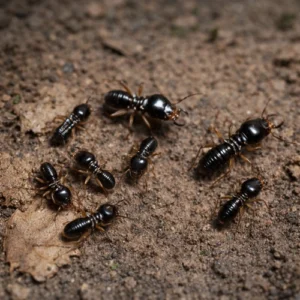
Black Termites
Black termites are typically reproductive termites, also known as swarmers. During late spring and early summer, they develop wings and leave their existing colony to establish new colonies. If you notice flying black termites around your home, especially near lights, it may be one of the first signs of termite activity nearby.
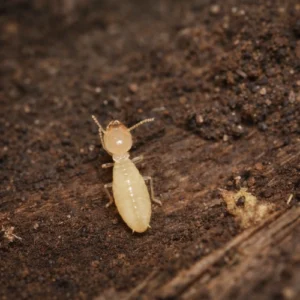
White Termites
Commonly referred to as “white ants,” white termites are actually worker termites. These termites are responsible for feeding the colony and causing most of the timber damage. They are usually hidden inside wood, walls, or mud tubes and are rarely seen unless their nesting areas are disturbed.
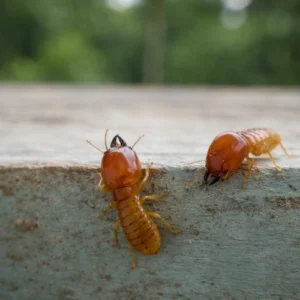
Brown (Amber) Termites
Brown or amber termites are often soldiers or reproductive termites. Their role is to protect the colony or establish new nests. Because they frequently move outside the nest, homeowners are more likely to spot them around the property.
Types of Termites and Their Characteristics
A termite colony is a highly organised social structure made up of several termite castes, each with a specific role that helps the colony survive, grow, and reproduce. From workers and soldiers to reproductive termites and the queen, every termite plays an important part in the colony’s success.
The main types of termites found within a colony include:
- Worker Termites
- Soldier Termites
- Elates / Winged Reproductive
- King
- Queen and Nymphs (Babies)
Let’s show you exactly what each termite type looks like.
Worker Termites
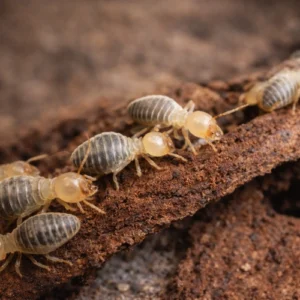
Worker termites are responsible for the daily operation and survival of the termite colony. These highly active termites work around the clock, gathering food, feeding other colony members, constructing mud tubes, and expanding underground galleries in search of new food sources. They primarily feed on cellulose found in timber, wood, paper, and other plant-based materials, making homes and buildings vulnerable to termite damage.
Typically creamy white in colour, worker termites have soft bodies but possess strong mouthparts that allow them to chew through both softwood and hardwood. Despite being the most active members of the colony, worker termites are completely blind and can be either male or female. They often travel through the top layers of soil while searching for food and can easily enter homes through small cracks or hidden entry points. Once inside, they feed continuously on timber structures, causing significant structural damage if left untreated. Early termite inspections are essential to detect worker termite activity before costly repairs become necessary.
Soldier Termites
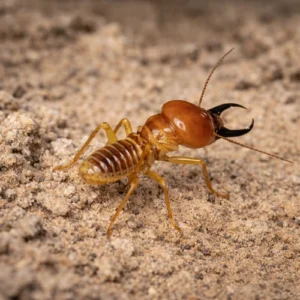
Soldier termites play a vital role in protecting the termite colony from predators and external threats. They are easily recognised by their large heads and powerful dark mandibles (jaws), which they use to defend the colony against enemies such as ants and other insects. If a termite nest or mud tube is disturbed, worker termites quickly retreat to safety while soldier termites move in to protect the colony.
Typically gold, amber, or brown in colour, soldier termites are blind, wingless, and have soft bodies. Unlike worker termites, they cannot effectively chew wood or gather food because their large jaws are specialised for defence. Instead, worker termites feed them a nutrient-rich liquid produced from digested wood and cellulose. The presence of soldier termites is often a strong indicator of active termite activity. Identifying these termites early through regular termite inspections can help detect infestations before they cause significant structural damage to your property.
Reproductive Termites (Elates/Swarmers)
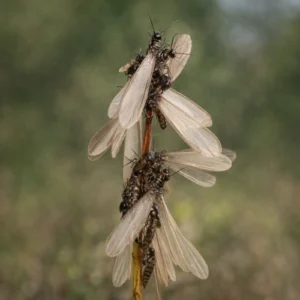
As a termite colony matures, usually during the warmer months and towards the end of summer, it begins producing large numbers of reproductive termites known as alates or swarmers. These termites are larger than worker and soldier termites and can be identified by their developing wing buds, which eventually grow into fully formed wings.
After reaching maturity, alates leave the colony in large swarms to find mates and establish new termite colonies. These winged termites are often seen around windows, doors, and outdoor lights, making them one of the most visible signs of termite activity. Once they land, they shed their wings and begin creating new nests. Spotting flying termites or discarded wings around your property may indicate a nearby termite infestation and should prompt an immediate professional termite inspection to prevent potential structural damage.
Swarming Termites
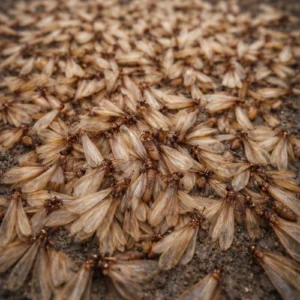
At certain times of the year, particularly during warm and humid conditions, mature termite colonies release thousands of winged reproductive termites known as swarmers or alates. Their purpose is to leave the existing colony, find a mate, and establish new termite colonies. These flying termites can travel considerable distances and are one of the most visible signs of termite activity around a property.
Termite swarms can be enormous, sometimes involving thousands or even millions of termites emerging at the same time. Because swarmers are attracted to light, they are often seen around windows, doors, outdoor lighting, and roof spaces. Homeowners may also notice them entering through gutters, vents, or ceiling light fittings.
Although large numbers of termites take part in a swarm, only a small percentage survive to establish new colonies. Many fall prey to birds, bats, lizards, frogs, spiders, and ants. If you notice flying termites or piles of discarded wings around your home, it may indicate a nearby termite infestation. Scheduling a professional termite inspection can help identify active colonies and prevent costly structural damage
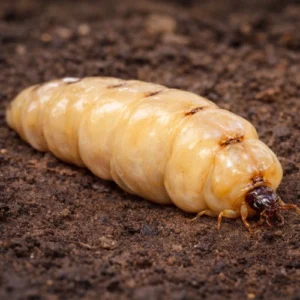
Queen Termites
The termite queen is the largest and most important member of a termite colony. In well-established colonies, a queen termite can grow up to 2–3 inches in length and is rarely seen because she remains protected deep within the nest, typically underground or inside tree roots. Her primary role is reproduction, and she can lay more than 2,000 eggs per day, ensuring the continuous growth of the colony.
Worker termites constantly care for and feed the queen, allowing her to focus solely on egg production. With a lifespan that can exceed 10 years, a single queen termite is capable of producing millions of termites over her lifetime. This remarkable reproductive ability is one of the main reasons termite infestations can grow rapidly and cause significant structural damage if not detected and treated early through regular termite inspections and professional termite control services.
How Big Are Termites Compared to Ants?
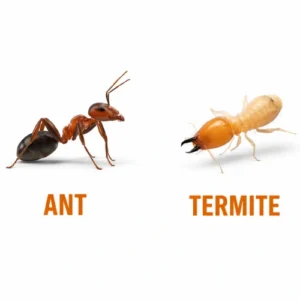
Many homeowners mistakenly confuse termites with ants because of their similar appearance, especially during termite swarming season. However, there are several important differences that can help you identify these pests correctly. In Australia, termites are generally larger than most common household ants. Worker termites typically measure between 0.7 mm and 1 cm in length, while many ant species are only 1–2 mm long. Soldier termites are even larger and can be easily recognised by their broad heads and powerful jaws.
Black termites are often mistaken for black garden ants, particularly when they are swarming around lights, windows, or doors. However, termites have thicker, straighter bodies, straight antennae, and a broad waist. In contrast, ants have a narrow pinched waist and bent or elbowed antennae. Flying termites also have two pairs of wings that are equal in size, while flying ants have wings of different lengths.
Thorough termite inspection is important because they can cause serious structural damage to homes and buildings. If you notice flying termites, discarded wings, mud tubes, or hollow-sounding timber, it may indicate termite activity and should be investigated with a professional termite inspection.
Do Termites Fly?
Yes, termites can fly, but only during specific periods of the year, typically in warm and humid conditions after rainfall. These flying termites, known as swarmers or alates, leave their existing colony to find mates and establish new termite colonies. Swarming is a natural part of the termite life cycle and is one of the most visible signs of termite activity.
Flying termites are strongly attracted to light, which is why they are often seen around windows, doors, outdoor lighting, and ceiling lights. Although termite swarms can contain thousands of individuals, only a small percentage survive long enough to form new colonies.
If you notice flying termites or piles of discarded wings around your property, it may indicate the presence of a nearby termite colony. Early detection is essential, as active termite infestations can lead to significant structural damage. Scheduling a professional termite inspection can help identify termite activity and protect your home from costly repairs.
Termite Treatment and Prevention
The most effective way to deal with a termite infestation is through professional termite inspection and treatment. Early detection can prevent extensive structural damage and significantly reduce repair costs. Regular termite inspections help identify hidden termite activity before it becomes a serious problem. Homeowners can also reduce the risk of infestations by eliminating wood-to-soil contact, removing damp or decaying timber, fixing moisture issues, and sealing potential termite entry points around the property. Professional termite barriers and baiting systems provide long-term protection against future infestations.
At EMK Termite & Pest Control Sydney, our experienced technicians provide comprehensive termite inspections, advanced termite treatments, and tailored termite management solutions to safeguard your property. Don’t wait until termites cause costly damage to your home. Contact EMK Termite & Pest Control Sydney today on 0402 343 590 for a FREE quote and professional termite inspection. Protect your biggest investment before it’s too late!
What Our Customers Had To Say
 Posted on Google
 Rami Anwer
Trustindex verifies that the original source of the review is Google.
We had such a great experience with the pest control service. From start to finish, everything was quick, easy and completely hassle-free. The team were professional, friendly and made the whole process so simple. We’re really happy with the results and the quality of the service we received from Eevil. I would definitely recommend EMK to anyone looking for a reliable pest control company!Posted on Google Rena NajimReally happy with the service today. Professional, friendly and did a great job. Would definitely recommend!Posted on Google
 David DavidEMK provided excellent pest control service. He was professional, punctual, and knowledgeable, explained the process clearly, and ensured it was safe for our family and pets. We saw great results straight away. Friendly, reliable, and highly recommended.Posted on Google
 Ann TranWe highly recommend EMK Termite and Pest Control Sydney. Great service, great prices, friendly and very accommodating. They are very thorough and take pride in their work. Cannot rate them high enough. 5 stars 🌟Posted on Google
 Charlton DurieI had these guys come and sort a termite issue. They got the job done. Thanks again!Posted on Google
 David MarshSuper happy with EMK for getting rid of such a horrible termite infestation! Professional and very friendly.Posted on Google
 Michael ZammitJust had EMK come out to do a rodent control treatment. The service and professionalism was superb!Verified by TrustindexTrustindex verified badge is the Universal Symbol of Trust. Only the greatest companies can get the verified badge who has a review score above 4.5, based on customer reviews over the past 12 months. Read more
Frequently Asked Questions (FAQs) About Termites
Termites typically have soft bodies, straight antennae, and a broad waist. Their appearance varies depending on whether they are worker, soldier, or reproductive termites.
Common signs of termites include mud tubes, hollow-sounding timber, discarded wings, termite droppings (frass), blistered paint, damaged wood, and flying termites around your property.
Termites are attracted to moisture, timber, wood-to-soil contact, and cellulose-based materials. Damp areas and untreated timber can increase the risk of infestation.
Termites work continuously and can cause significant structural damage over time. The longer an infestation remains undetected, the more costly the repairs can become.
Worker termites gather food, build tunnels, and damage timber, while soldier termites protect the colony using their large heads and powerful jaws.
Termite swarmers are winged reproductive termites that leave a mature colony to mate and establish new termite colonies.
Yes. Termites feed on timber and other cellulose materials, which can weaken walls, flooring, support beams, and other structural components of a property.
Reducing moisture, removing timber debris, eliminating wood-to-soil contact, sealing entry points, and scheduling regular termite inspections can help prevent infestations.
Avoid disturbing the termites and arrange a professional termite inspection immediately. Disturbing them may cause the colony to relocate and become harder to treat.
EMK Termite & Pest Control Sydney provides professional termite inspections, advanced termite treatments, termite barriers, baiting systems, and long-term termite protection solutions. Our experienced team helps homeowners identify termite activity early and protect their properties from costly termite damage.
Simply contact EMK Termite & Pest Control Sydney on 0402 343 590 for a FREE quote and professional termite inspection. Our experts will assess your property and recommend the most effective termite treatment solution.
About The Author

EMK Termite & Pest Control Team
EMK Termite & Pest Control Team is a licensed and experienced pest control service provider based in Sydney, Australia. Our team specialises in termite treatment, cockroach control, spider control, and general pest management for residential and commercial properties.
With years of hands-on experience, we follow Australian safety standards and use proven, eco-friendly pest control methods to deliver long-lasting results. All content published on this website is written and reviewed by trained pest control professionals to ensure accuracy, safety, and real-world expertise.
One Response