
Content Published : October 22, 2026
What Do Cockroaches Eat ? A Sydney Homeowner’s Guide
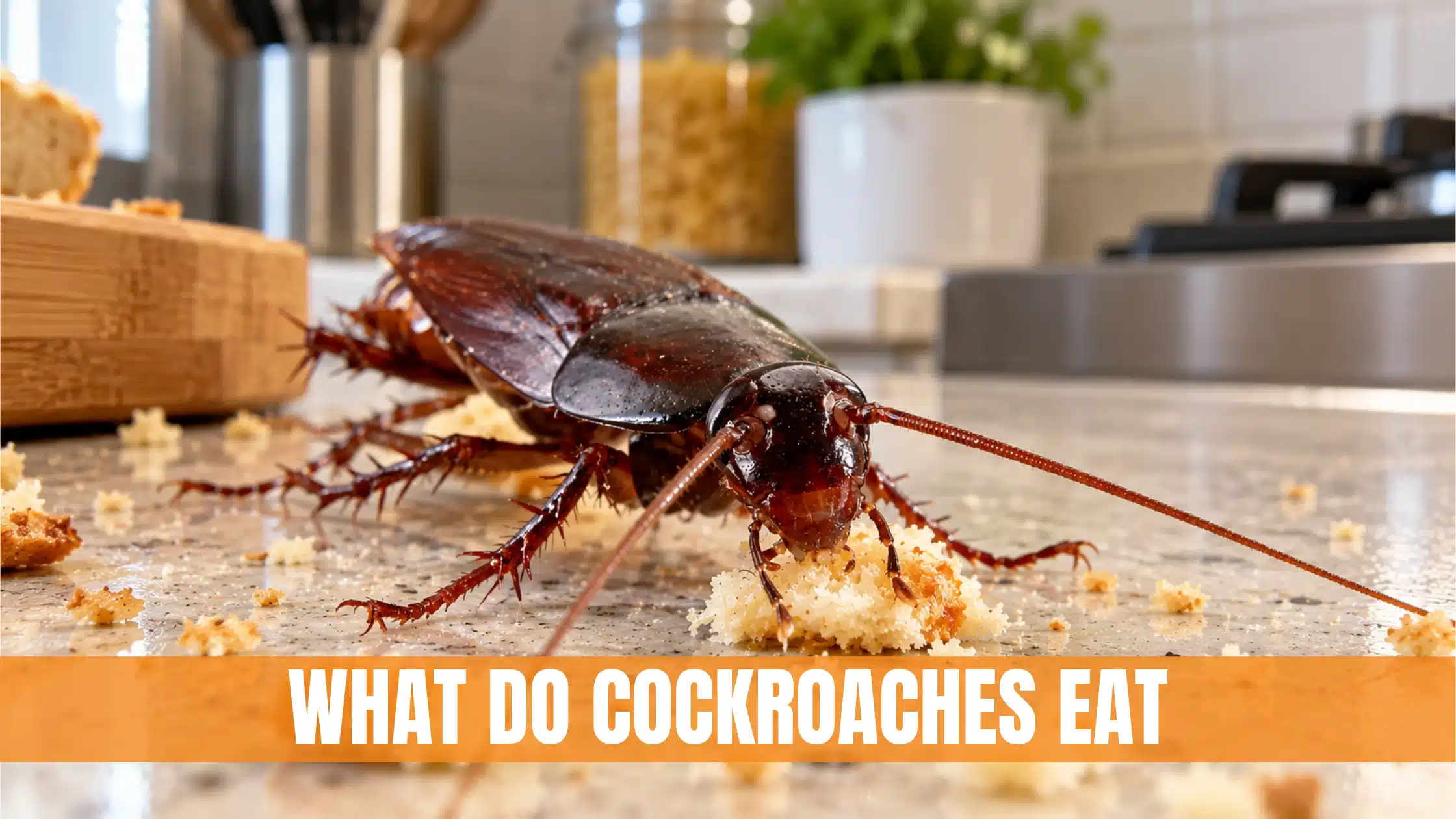
Cockroaches are common household pests that can survive in a variety of environments. They are attracted to food, moisture, and shelter, making kitchens, bathrooms, and storage areas ideal places to hide. But what do cockroaches eat, and why do they keep coming back to your home?
Cockroaches are scavengers that feed on almost anything available. Crumbs, leftover meals, greasy surfaces, sugary spills, pet food, and rubbish can provide an easy food source. When food is scarce, some species may also consume cardboard, paper, glue, and other organic materials.
The problem goes beyond damaged food. Cockroaches can carry harmful microorganisms and contaminate food preparation areas as they move around your property. Cockroach droppings, their shed skins, and body fragments may also trigger allergies or worsen asthma symptoms in sensitive individuals.
If you have ever switched on the kitchen light late at night and watched a cockroach disappear behind the fridge, you are not alone. From Sydney’s older terrace houses to modern family homes, these pests can thrive wherever food and moisture are readily available.
Understanding what attracts cockroaches is an important step towards preventing an infestation. Store food in sealed containers, clean kitchen surfaces regularly, fix leaking taps, and empty rubbish bins frequently. If cockroaches keep appearing despite your efforts, professional cockroach pest control can help identify problem areas and recommend suitable treatment options for your Sydney property.
What Attracts Cockroaches?
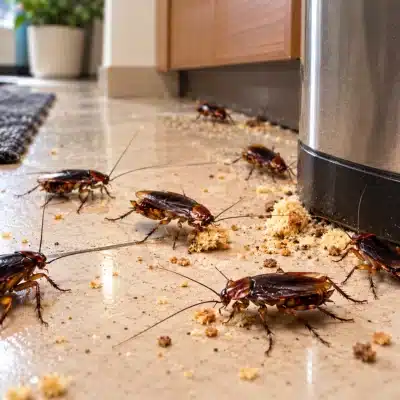
Cockroaches are commonly found in kitchens, restaurants, grocery stores, and other places where food is readily available. Like other pests, they need food, water, and shelter to survive. Even small amounts of leftover food can attract cockroaches into your home and encourage them to return.
These pests are particularly attracted to sugary foods, starches, grease, meat, and cheese. Food crumbs, cooking oil splashes, unwashed dishes, and pet food can provide easy meals. Overripe fruits, rotting vegetables, and food scraps in rubbish bins can also attract cockroaches because of their strong odours.
Fortunately, a few simple habits can help make your home less appealing to these unwanted visitors.
- Store food securely: Keep cereals, flour, snacks, leftovers, and pet food in airtight containers to prevent cockroaches from accessing them.
- Clean regularly: Wipe kitchen benches, sweep floors, and clean spills promptly. Avoid leaving dirty dishes overnight.
- Manage rubbish properly: Use bins with tight-fitting lids and remove food waste regularly to prevent unpleasant smells from building up.
- Check hidden areas: Clean behind refrigerators, ovens, and cupboards where crumbs and grease can accumulate.
Although good hygiene helps reduce cockroach activity, it may not eliminate an established infestation.
Why Sydney Is Such a Good Home for Cockroaches
Sydney’s warm climate, humidity, and diverse buildings create favourable conditions for cockroaches to survive and multiply. From older terrace houses in the Inner West to modern apartments across Western Sydney, these pests can find everything they need to thrive.
Sydney’s Climate Encourages Cockroach Activity
Cockroaches generally thrive in warm environments, where they can remain active, feed, and reproduce. Sydney’s humid summers and relatively mild winters allow many species to stay active throughout much of the year. Heavy rainfall can also drive outdoor cockroaches towards sheltered, drier areas, including kitchens, laundries, and garages.
Moisture is another important factor. Leaking taps, damp cupboards, and poorly ventilated spaces provide conditions that attract cockroaches into residential properties.
Buildings Provide Plenty of Hiding Places
Sydney’s buildings offer numerous places for cockroaches to hide and breed. Older homes may have cracks, gaps beneath floorboards, and spaces behind kitchen cabinets. In apartment complexes, shared pipes, wall cavities, rubbish rooms, and service areas can allow cockroaches to move between different spaces.
Even newer properties can have gaps around plumbing, doors, and roof cavities that provide easy access.
Regular cleaning, moisture control, and sealing entry points can help reduce cockroach activity.
Common Foods That Attract Cockroaches in Sydney Homes
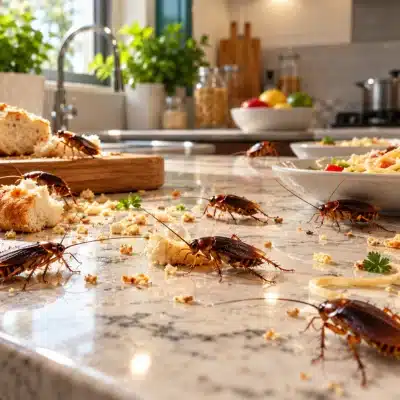
Your kitchen can provide cockroaches with plenty of food, even when it looks clean. Understanding what attracts these pests can help you prevent an infestation and know when to consider professional cockroach pest control.
Starchy Foods
Bread, rice, pasta, flour, and breakfast cereals are common food sources for cockroaches. Keep pantry items in airtight containers, as cardboard boxes and loosely sealed packets offer little protection.
Sugary Foods and Spills
Cockroaches are attracted to sugar, including juice spills, soft drink residue, honey, cake crumbs, and sweet food waste. Clean sticky surfaces promptly to avoid attracting unwanted pests.
Grease and Cooking Residue
Grease around stovetops, range hoods, ovens, and splashbacks can provide an easy meal. Regularly cleaning these hidden areas is particularly important for preventing German cockroach activity.
Meat, Cheese, and Leftovers
Food scraps, leftover meals, and crumbs containing meat or cheese can attract cockroaches. Avoid leaving dirty dishes or uncovered food on benches overnight.
Pet Food and Water
Pet kibble left out overnight provides an accessible food source, while water bowls offer the moisture cockroaches need. Store pet food securely and clean feeding areas regularly.
Rubbish and Compost
Uncovered bins and food scraps can attract cockroaches, especially in warm weather. Use tightly sealed lids and empty rubbish regularly.
By removing accessible food and moisture, you can make your kitchen less attractive to cockroaches and reduce the risk of an infestation.
What Do Cockroaches Eat If There Is No Food Anywhere?
Even when your kitchen is spotless, cockroaches can find other things to eat around your home. These adaptable pests survive on a variety of organic materials, allowing them to remain active when traditional food sources are limited.
Some unusual things cockroaches may consume include:
- Paper and cardboard: Damp books, cardboard boxes, and paper products can provide food, particularly when they contain starch or glue.
- Soap and toothpaste residue: Leftover residue around bathroom sinks can attract cockroaches.
- Hair and dead skin: Hair and flakes of dead skin can provide small amounts of organic material.
- Glue and wallpaper paste: Certain adhesives contain ingredients that cockroaches can feed on.
- Fabric and leather: These materials may attract cockroaches when contaminated with sweat, food, or other organic residue.
- Dead insects and other cockroaches: Cockroaches may feed on dead insects, while some also consume weaker or dead members of their own species.
- Mould and fungi: Damp areas can encourage mould growth, creating another potential food source.
This is particularly relevant in Sydney, where humid weather can leave bathrooms, laundries, and poorly ventilated corners damp. These areas provide moisture, hair, soap residue, and sometimes mould, making them attractive hiding places.
And yes, they eat each other. Weak, injured or dead roaches get eaten by the rest, and baby cockroaches often munch on their own shed skins. It’s grim but efficient.
Common Sydney Cockroaches and Their Diets
Sydney is home to several cockroach species, and each has different feeding habits and hiding places. Identifying the type of cockroach in your property can help you understand what attracts it and how to manage the problem effectively.
German Cockroach
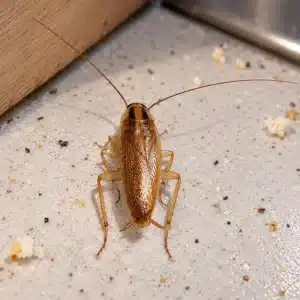
German cockroaches are small, light brown insects with two dark stripes behind their heads. They commonly infest kitchens and bathrooms, feeding on crumbs, sugary foods, starches, grease, and food residue. Their rapid breeding makes early detection important, as a small infestation can grow quickly.
American Cockroach
American cockroaches are large, reddish-brown insects often found around drains, sewers, rubbish areas, and damp spaces. They feed on a wide range of materials, including food scraps and decaying organic matter, and may enter homes while searching for food or shelter.
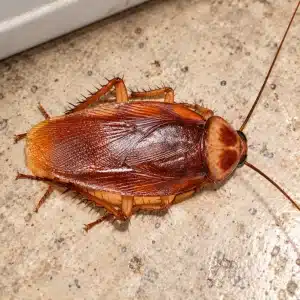
Australian Cockroach
Australian cockroaches are generally outdoor pests, recognisable by pale yellow markings around the edges of their wings. They feed on decaying plants, leaf litter, and other organic matter. They may enter homes through open doors, windows, or gaps.
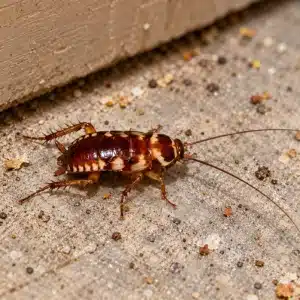
Smokybrown Cockroach
Smokybrown cockroaches have dark, glossy bodies and often shelter in trees, gutters, and garden areas. They feed on decaying vegetation but may also be attracted to pet food and discarded food scraps.
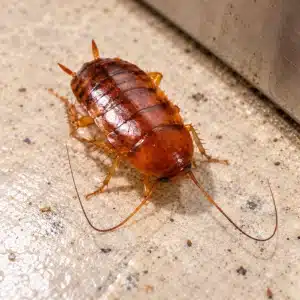
Understanding these differences helps you identify potential food sources and hiding places.
How Long Can a Cockroach Survive Without Food?
Cockroaches are remarkably resilient pests that can survive for surprisingly long periods without food. An adult cockroach may live for around a month without eating, depending on the species and environmental conditions. However, access to water is much more critical, as many cockroaches can survive for only about a week without it.
This is why controlling moisture is just as important as keeping your home clean. Even if your kitchen surfaces are spotless, hidden water sources can provide cockroaches with the conditions they need to survive and multiply.
Common sources of moisture that attract cockroaches include:
- Leaking taps and pipes: Small leaks under kitchen or bathroom sinks can provide a steady water supply.
- Refrigerator condensation: Moisture collecting behind or beneath appliances can create suitable conditions for pests.
- Damp bathrooms: Wet bath mats, standing water, and poorly ventilated corners can attract cockroaches.
- Water around pet bowls: Spilled water can become an overlooked source of moisture.
To reduce cockroach activity, repair plumbing leaks, dry wet surfaces, and improve ventilation in damp areas. Store food in sealed containers and clean regularly to remove crumbs and food residue.
How to Make Your Home Less Attractive to Cockroaches
Knowing how to get rid of cockroaches starts with removing the food, water, and hiding places they need to survive. Good hygiene, simple preventive measures, and suitable treatments can help control cockroach activity and reduce the risk of future infestations.
- Store food securely: Keep flour, rice, cereal, pasta, and pet food in airtight containers to prevent cockroaches from accessing them.
- Clean your kitchen daily: Wipe benches, sinks, and stovetops before bedtime. Remove grease around the oven and chimneys regularly.
- Wash dishes promptly: Avoid leaving dirty plates, pans, and food scraps in the sink overnight, as these can attract cockroaches.
- Manage rubbish and pet food: Use bins with tight-fitting lids, dispose of food waste regularly, and remove uneaten pet food at night.
- Eliminate moisture: Repair leaking taps, dry wet surfaces, and use bathroom exhaust fans to reduce dampness.
- Seal entry points: Close gaps around pipes, skirting boards, cupboards, and external doors to limit cockroach access.
- Maintain outdoor areas: Clear leaf litter, clean gutters, trim plants, and store firewood away from your home’s walls.
- Use appropriate treatments: Cockroach baits and products labelled for indoor use can help control pests when applied according to their instructions. Keep them away from children and pets.
If cockroaches keep returning despite these steps, professional cockroach pest control can help locate hiding places and recommend effective treatment options for your property.
When to Call a Licensed Pest Controller
If you’re seeing roaches in daylight, that usually means the hiding spots are overcrowded. Other warning signs include small brown egg cases (called oothecae), a musty smell, or dark pepper-like droppings in cupboards and along the back of drawers. At that point, supermarket sprays rarely solve it, and sprays can even scatter the colony and make things worse.
A licensed pest technician will identify the species, find where it’s feeding and nesting, and usually use gel baits. Those work precisely because they use food the roaches actually want, and they carry it back to the rest of the nest.
A few local tips:
- Apartment owners: tell your strata manager or body corporate. Treating one unit while the neighbours’ units stay untreated tends to fail.
- Renters: let your agent or landlord know early and in writing. Check your lease for who handles pest control.
- Restaurants and cafes: NSW food safety rules make regular pest management a must, so keep records of every treatment.
Conclusion
Understanding what cockroaches eat can help you prevent infestations and keep your home cleaner. These persistent pests feed on crumbs, grease, pet food, leftover meals, and even materials such as damp paper, soap residue, and mold. Sydney’s warm, humid climate and variety of homes provide plenty of opportunities for cockroaches to find food, water, and shelter.
The good news is that simple preventive measures can make your property less attractive to these unwanted visitors. Store food in airtight containers, clean kitchen surfaces regularly, repair leaking taps, secure rubbish bins, and seal gaps around doors and pipes. Keeping your garden tidy can also help reduce potential hiding places.
If cockroaches continue appearing despite your efforts, professional cockroach pest control may be necessary to address the infestation before it worsens.
Need help getting rid of cockroaches? Contact EMK Termite & Pest Control Sydney today to discuss suitable pest control solutions for your home or business. Take action now to protect your property from unwanted pests!
What Our Customers Had To Say


Frequently Asked Questions About What Do Cockroaches Eat
1. What do cockroaches eat the most?
Cockroaches are omnivorous scavengers that feed on a variety of organic materials. Common food sources include bread, rice, cereal, sugary foods, grease, meat scraps, pet food, and food waste. Their diet depends on what is available in their surroundings.
2. What is a cockroach’s favourite food?
Cockroaches commonly prefer sugary foods, starchy products, and greasy leftovers. Bread, cereal, rice, sweets, and cooking grease can attract them into kitchens. However, their preferences may vary depending on the species and available food sources.
3. Do cockroaches eat paper and cardboard?
Yes, cockroaches may feed on paper, cardboard, book bindings, and wallpaper paste. They are particularly attracted to materials containing starch or glue. Cardboard boxes stored in damp cupboards, garages, and storage rooms can also provide hiding places.
4. Do cockroaches eat soap and toothpaste?
Cockroaches can consume soap residue, toothpaste, and other organic materials when these are available. This helps explain why they sometimes appear in bathrooms, where moisture, hair, toothpaste residue, and other potential food sources may be present.
5. Do cockroaches eat other cockroaches?
Yes, some cockroaches may eat dead or weakened cockroaches, particularly when food is scarce. This behaviour, known as cannibalism, can occur among certain species. Cockroaches may also consume their own shed skins after moulting.
6. What do cockroaches eat when there is no food around?
When their preferred food is unavailable, cockroaches can survive on other organic materials, including paper, glue, hair, dead insects, and decaying matter. However, they still need suitable environmental conditions and access to water to survive.
7. What attracts cockroaches to your kitchen?
Food crumbs, uncovered leftovers, sugary spills, cooking grease, pet food, and overflowing rubbish bins can attract cockroaches. Moisture from leaking taps and damp areas also encourages activity. Keeping food sealed and cleaning regularly can help reduce these attractions.
8. What do cockroaches eat in the wild?
Wild cockroaches may feed on decaying leaves, bark, rotting wood, fungi, and other organic material. Some species also consume plant matter and pollen. Their diets depend on their natural habitat and the food sources available.
9. How long can a cockroach survive without food?
Some cockroaches can survive for around a month without food if water is available. Survival time varies according to species and environmental conditions. Because moisture is essential, removing standing water and fixing leaks can help make your home less suitable for cockroaches.
10. How can I stop cockroaches from eating food in my home?
Store food in airtight containers, clean crumbs and spills promptly, wash dishes regularly, and keep rubbish bins tightly covered. Remove uneaten pet food and eliminate leaks to reduce available food and water. Seal gaps around pipes and cupboards to limit potential hiding places.
11. What is the best bait for cockroaches?
Commercial cockroach gel baits and bait stations can help control cockroach activity when used according to the product instructions. Place baits near suspected hiding places and along cockroach travel routes, while keeping them away from children and pets.
12. When should I consider professional cockroach pest control?
Consider professional cockroach pest control if you continue seeing cockroaches despite regular cleaning and preventive measures. Frequent sightings, droppings, egg cases, and activity around kitchen appliances may indicate an established infestation that needs targeted treatment.
About The Author
