
Content Published : July 21, 2026
Baby Cockroach : What They Look Like And Nymph Identification
Finding baby cockroach in your home is a strong indication of an active cockroach infestation. Often referred to as cockroach nymphs, these young cockroaches hatch from egg cases laid by adult females, meaning a breeding colony has likely already been established inside your property. Although smaller than adult cockroaches, nymphs can quickly multiply and become a serious pest problem if left untreated.
Baby cockroaches are commonly found in dark, warm, and humid areas where food and water are easily accessible. Kitchens, bathrooms, laundries, cupboards, under sinks, behind appliances, and wall voids are some of their favourite hiding places. Like adult cockroaches, they can contaminate food, spread bacteria, and trigger allergies, making early detection essential for protecting your family’s health.
Recognising the signs of cockroach nymphs early allows you to act before the infestation worsens. While DIY treatments may reduce visible cockroaches, they often fail to eliminate hidden nests and breeding sites. Professional cockroach pest control is the most effective solution for removing both adult cockroaches and their young while preventing future infestations. In this guide, you’ll learn how to identify baby cockroaches, where they hide, and the best methods to eliminate them from your home for long-term protection.
What Do Baby Cockroaches Look Like?
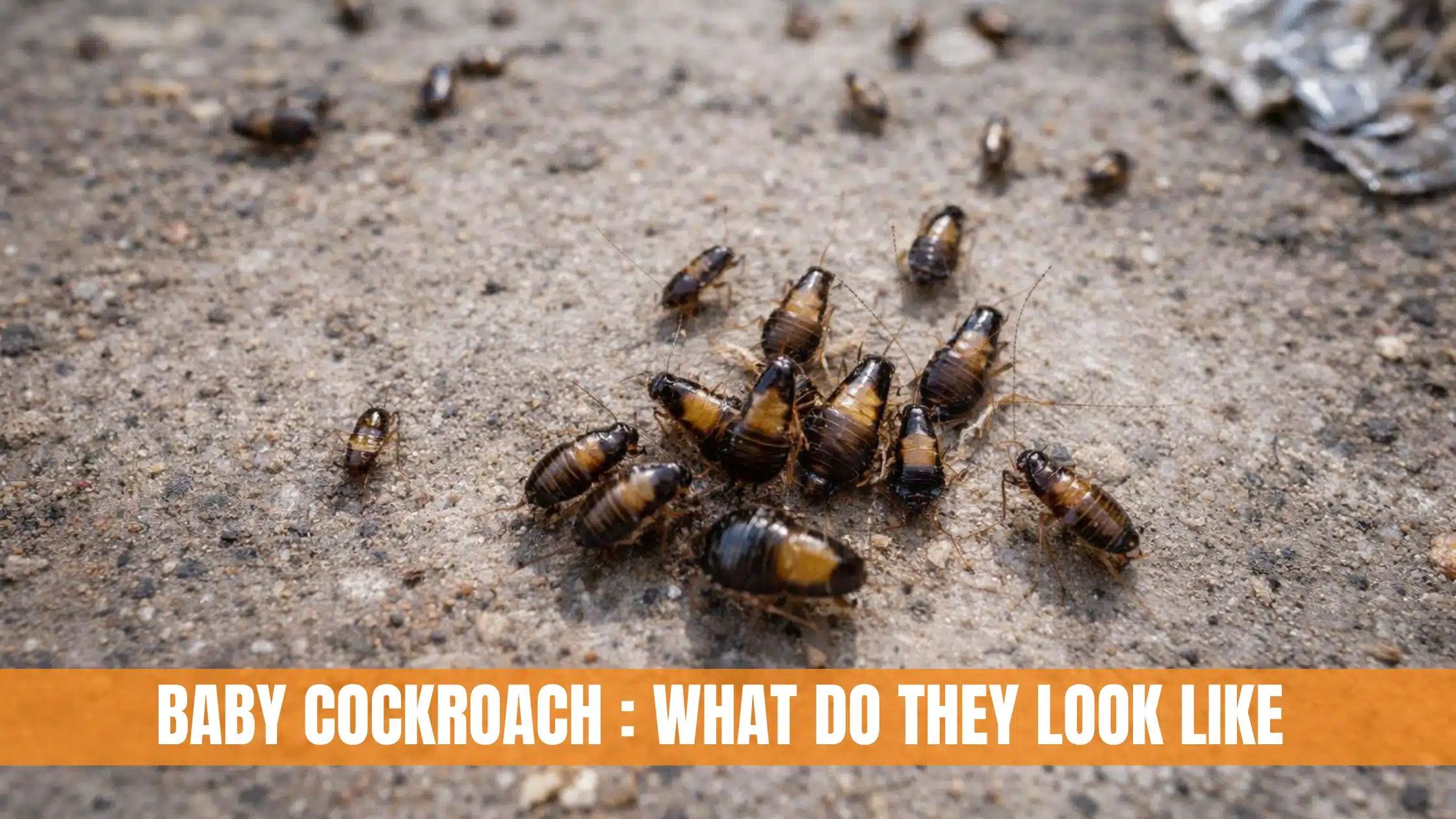
Baby cockroaches, also known as cockroach nymphs, vary slightly in appearance depending on the species, but they share several characteristics that make them easier to identify. They are much smaller than adult cockroaches and do not have fully developed wings, giving them a compact, oval-shaped body. Newly hatched nymphs are often white or light grey because their exoskeleton is still soft after molting. Within a few hours, their outer shell hardens and gradually changes to brown, reddish-brown, or black, depending on the species.
As baby cockroaches grow, they shed their exoskeleton multiple times through a process known as molting. Most species pass through five to ten nymphal stages (instars) before reaching adulthood, becoming larger and darker with each molt. These changes in appearance can sometimes make identification more challenging.
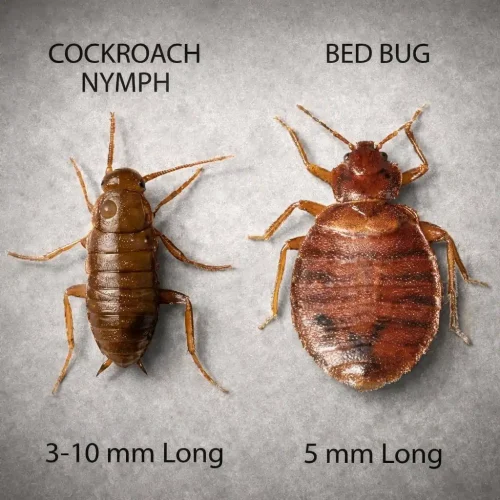
Baby cockroaches are often mistaken for other household pests, particularly bed bugs. However, cockroach nymphs have a longer, narrower, and more oval-shaped body, along with long antennae and quick movement, while bed bugs are flatter, rounder, and slower-moving. Correctly identifying baby cockroaches is essential for choosing the right treatment, as their presence usually indicates an established infestation that requires prompt and effective cockroach pest control to prevent further breeding.
Where Do Baby Cockroaches Come From?
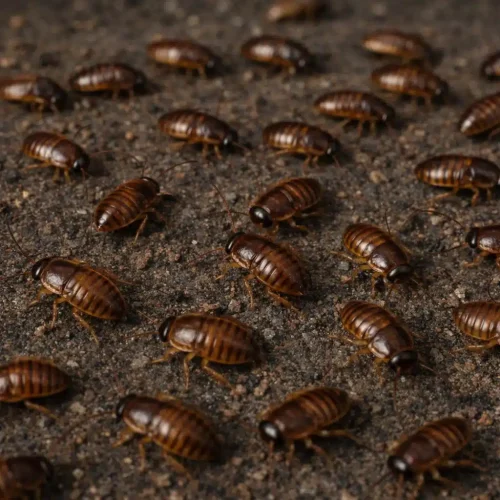
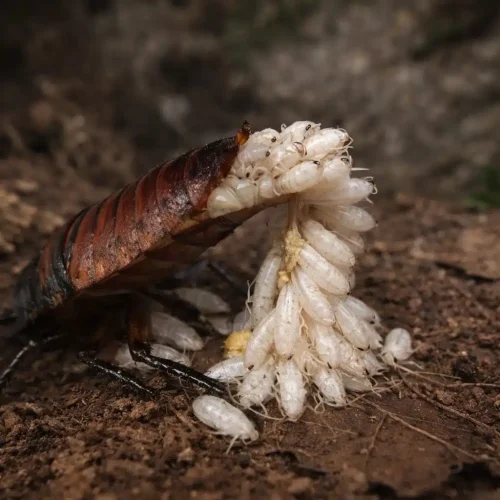
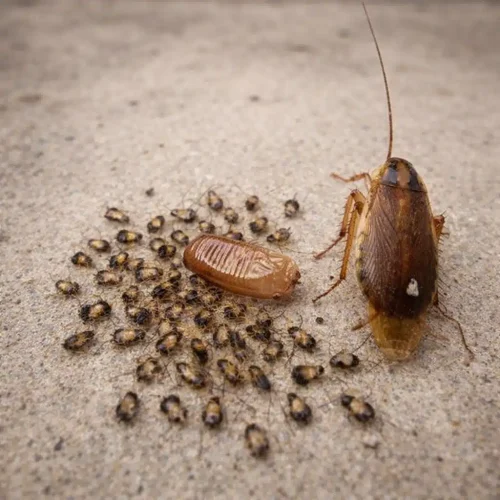
A baby cockroach, also known as a cockroach nymph, emerges when a cockroach egg hatches. Unlike adult cockroaches, nymphs are smaller, wingless, and continue to develop through a series of growth stages before reaching maturity. As they grow, they repeatedly shed their outer shell in a process called molting. Most cockroach species undergo five to ten molts, with each stage making them larger and gradually developing adult characteristics.
Immediately after molting, a baby cockroach has a soft, pale white or grey exoskeleton that is highly vulnerable to dehydration, predators, and harsh environmental conditions. Within a short time, the new outer shell hardens and darkens, changing to its typical brown, reddish-brown, or black colour depending on the species. This transformation continues until the cockroach reaches adulthood.
The nymph stage is one of the most active periods in a cockroach’s life, as young cockroaches constantly search for food, water, and shelter to support their rapid growth. Finding baby cockroaches inside your home is often a warning sign of an established breeding colony nearby. Early identification and prompt cockroach pest control are essential to stop the infestation from spreading and to eliminate both cockroach nymphs and adult cockroaches before they multiply further.
Baby Cockroaches of Different Species
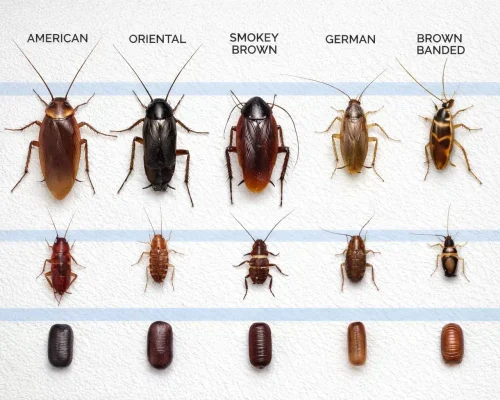
The appearance of baby cockroaches varies depending on the species, but each type has unique features that aid identification. Cockroach nymphs differ in size, colour, markings, and body shape as they develop. Correctly identifying the species is essential for choosing the most effective pest control method. Below are the key characteristics to help you recognise the most common baby cockroach species found in homes and commercial properties.
Baby American Cockroaches
Baby American cockroaches are one of the largest cockroach nymphs found in homes. They have an elongated, oval-shaped body, a reddish-brown colour, and lack fully developed wings. A distinctive halo-shaped marking behind the head helps identify this species. Newly hatched nymphs are less than 6 mm (¼ inch) long and appear pale white or grey before gradually turning reddish-brown as their exoskeleton hardens. As they grow, they molt several times, eventually reaching up to 50 mm (2 inches) in adulthood.
Baby German Cockroaches
Baby German cockroaches are among the most common cockroach nymphs found in homes and businesses. They have a small, oval-shaped body, are wingless, and range from 3–4 mm (⅛ inch) when newly hatched. Their colour changes from pale white or grey after molting to tan or light brown as the exoskeleton hardens. German cockroach nymphs typically pass through 6–7 instar stages before becoming adults, reaching only 13–16 mm (½–⅔ inch) in length. A key identifying feature is the two dark, parallel stripes running down the pronotum behind the head. Early identification is vital for effective cockroach pest control, as German cockroaches reproduce rapidly and can quickly establish large infestations.
Baby Oriental Cockroaches
Baby Oriental cockroaches are larger than German cockroach nymphs and have an elongated, oval-shaped body. They are wingless and typically measure around 6 mm (¼ inch) when they hatch, eventually growing to 25–38 mm (1–1.5 inches) as adults. Newly emerged nymphs are pale white or cream in colour, but their exoskeleton quickly hardens and changes to a reddish-brown shade as they mature. One of their most distinctive features is the alternating light and dark horizontal bands across their backs, making them easier to identify. Early detection of baby Oriental cockroaches is essential for effective cockroach pest control, as their presence often signals an established infestation requiring professional treatment.
Baby Brown-Banded Cockroaches
Baby Brown-Banded cockroaches are among the smallest cockroach nymphs, measuring approximately 3 mm (⅛ inch) when they hatch. They have a compact, oval-shaped body, are wingless, and gradually develop into adults through several molting stages. Their colour changes from pale white or cream after molting to light brown or tan as their exoskeleton hardens. A key identifying feature is the two broad, light-brown bands that run across their body, making them easy to distinguish from other cockroach species.
| Species | Starting Size | Key Marking |
|---|---|---|
| German Cockroach | ~3 mm | Two dark lengthwise stripes on the pronotum |
| American Cockroach | ~5–6 mm | Reddish-brown body with a halo-shaped marking behind the head |
| Oriental Cockroach | ~6 mm | Glossy dark body with light and dark horizontal bands in the nymph stage |
| Brown-Banded Cockroach | ~3 mm | Two light-brown bands across the body |
Baby Cockroaches vs Bed Bugs: How to Tell the Difference
At first glance, baby cockroaches (cockroach nymphs) and bed bugs can look similar because they are both small, brown, and wingless. However, they differ in appearance, behaviour, and preferred hiding places. Identifying the pest correctly is essential, as cockroach pest control and bed bug treatments require different methods. Understanding these differences can help you choose the right solution before the infestation worsens.
Key Differences Between Baby Cockroaches and Bed Bugs
- Body Shape: Baby cockroaches have a long, narrow, oval-shaped body that resembles a grain of rice, while bed bugs are flatter, wider, and more rounded, similar to an apple seed.
- Antennae: Cockroach nymphs have long, thin antennae that are almost as long as their body. Bed bugs have much shorter antennae that are less noticeable.
- Eyes: Baby cockroaches have small eyes that blend into their head, whereas bed bugs have larger, dark eyes that are easier to see.
- Colour and Movement: Baby cockroaches are usually tan, reddish-brown, or dark brown and move very quickly when disturbed. Bed bugs are reddish-brown, flatter, and crawl much more slowly.
- Hiding Places: Baby cockroaches prefer kitchens, bathrooms, cupboards, behind appliances, wall voids, and other warm, damp areas with food and water. Bed bugs, on the other hand, hide in mattresses, bed frames, furniture, headboards, and cracks near sleeping areas because they feed on human blood.
If you’re unsure whether you’ve found baby cockroaches or bed bugs, a professional pest inspection can accurately identify the pest and recommend the most effective treatment. Early identification helps prevent the infestation from spreading and protects your home from further damage and health risks.
| Feature | Baby Cockroaches | Bed Bugs |
|---|---|---|
| Body Shape | Long, oval, rice-shaped body | Flat, round, apple seed-shaped body |
| Antennae | Long and thin, almost as long as the body | Short and less noticeable |
| Eyes | Small and less visible | Large, dark, and prominent |
| Movement | Fast runners that quickly hide when disturbed | Slow crawlers with limited speed |
| Hiding Places | Kitchens, bathrooms, cupboards, behind appliances, drains, and wall voids | Mattresses, bed frames, furniture, headboards, and cracks near sleeping areas |
How Dangerous Are Baby Cockroaches?
Spotting cockroach nymph in your home is a clear warning sign of an active cockroach infestation. While infant cockroaches are smaller than adults, they pose many of the same health and hygiene risks. Because they hatch from eggs laid by breeding adults, their presence usually means a hidden colony is already established inside your property.
Baby cockroaches frequently travel through unsanitary areas such as drains, sewers, rubbish bins, and wall voids before entering kitchens, bathrooms, and food storage areas. As they move around your home, they can contaminate surfaces and spread harmful bacteria.
Health Risks of Baby Cockroaches
- Spread harmful bacteria: Baby cockroaches can carry bacteria such as Salmonella and E. coli, increasing the risk of food poisoning and stomach illnesses.
- Contaminate food and utensils: They crawl over food preparation areas, cupboards, dishes, and kitchen benches, leaving behind germs and droppings.
- Trigger allergies: Cockroach droppings, saliva, and shed exoskeletons contain allergens that may cause allergic reactions.
- Worsen asthma symptoms: Airborne cockroach allergens can trigger asthma attacks and breathing problems, especially in children, older adults, and people with respiratory conditions.
- Multiply rapidly: Cockroach nymphs develop quickly into breeding adults, allowing infestations to grow within a short period if left untreated.
Because baby cockroaches reproduce rapidly and often remain hidden, DIY treatments rarely eliminate the entire colony. Professional cockroach pest control is the most effective solution to remove both adult cockroaches and cockroach nymphs, eliminate hidden breeding sites, and prevent future infestations, keeping your home safe, hygienic, and pest-free.
How To Get Rid Of Baby Cockroaches
If you discover baby cockroaches in your home, immediate action is essential. Cockroach nymphs mature quickly into breeding adults, allowing infestations to grow rapidly if left untreated. The most effective solution is a combination of targeted treatments, good hygiene practices, and preventive measures to eliminate both young and adult cockroaches while stopping future infestations.
Effective Ways to Eliminate Baby Cockroaches
1. Apply Insecticide Sprays
- Use residual insecticide sprays to treat cracks, crevices, and common hiding places.
- Target kitchens, bathrooms, cupboards, garages, and behind appliances.
- Follow all safety instructions and wear appropriate protective equipment.
2. Use Cockroach Baits
- Gel, liquid, and granular baits are highly effective against hidden colonies.
- Place baits near nesting areas, under sinks, behind appliances, and inside cupboards.
- Cockroaches carry the bait back to the nest, helping eliminate the entire colony.
3. Reduce Food and Water Sources
- Clean food spills and crumbs immediately.
- Store food in airtight containers.
- Repair leaking taps and pipes.
- Empty rubbish bins regularly and seal entry points around your home.
4. Try Boric Acid for Minor Infestations
- Boric acid can help control small infestations when used correctly.
- Apply it carefully in cracks and areas inaccessible to children and pets.
5. Choose Professional Cockroach Pest Control
For severe or recurring infestations, professional cockroach pest control provides the most reliable, long-lasting results. Pest control experts can accurately identify the cockroach species, locate hidden nests and egg cases, apply safe and targeted treatments, and provide ongoing prevention advice. Professional services ensure complete elimination of baby cockroaches and help keep your home protected from future infestations.
Conclusion
If you continue to see baby cockroaches after DIY treatments, it usually indicates a hidden breeding colony. Professional cockroach pest control offers the safest and most effective way to eliminate the entire infestation and keep your home clean, healthy, and cockroach-free.
Finding baby cockroaches in your home is a clear sign of an active infestation that requires immediate attention. Early identification, proper sanitation, sealing entry points, and using effective treatments can help stop cockroach nymphs from developing into breeding adults. However, DIY methods may not eliminate hidden nests or egg cases. For complete and long-lasting protection, professional cockroach pest control is the most effective solution.
EMK Termite & Pest Control Sydney provides safe, reliable, and affordable cockroach pest control for residential and commercial properties across Sydney. Contact our expert team today for a thorough inspection and customised treatment plan to eliminate baby cockroaches and keep your property pest-free year-round.
What Our Customers Had To Say
 Posted on Google
 Rami Anwer
Trustindex verifies that the original source of the review is Google.
We had such a great experience with the pest control service. From start to finish, everything was quick, easy and completely hassle-free. The team were professional, friendly and made the whole process so simple. We’re really happy with the results and the quality of the service we received from Eevil. I would definitely recommend EMK to anyone looking for a reliable pest control company!Posted on Google Rena NajimReally happy with the service today. Professional, friendly and did a great job. Would definitely recommend!Posted on Google
 David DavidEMK provided excellent pest control service. He was professional, punctual, and knowledgeable, explained the process clearly, and ensured it was safe for our family and pets. We saw great results straight away. Friendly, reliable, and highly recommended.Posted on Google
 Ann TranWe highly recommend EMK Termite and Pest Control Sydney. Great service, great prices, friendly and very accommodating. They are very thorough and take pride in their work. Cannot rate them high enough. 5 stars 🌟Posted on Google
 Charlton DurieI had these guys come and sort a termite issue. They got the job done. Thanks again!Posted on Google
 David MarshSuper happy with EMK for getting rid of such a horrible termite infestation! Professional and very friendly.Posted on Google
 Michael ZammitJust had EMK come out to do a rodent control treatment. The service and professionalism was superb!Verified by TrustindexTrustindex verified badge is the Universal Symbol of Trust. Only the greatest companies can get the verified badge who has a review score above 4.5, based on customer reviews over the past 12 months. Read more
Frequently Asked Questions (FAQ) About Baby Cockroach
What are baby cockroaches?
Does seeing a baby cockroach mean I have an infestation?
Where do baby cockroaches usually hide?
Under sinks
Behind refrigerators and ovens
Inside cupboards
Bathrooms and laundries
Wall voids and cracks
Near food and water sources
Are baby cockroaches dangerous?
What do baby cockroaches look like?
Why am I seeing baby cockroaches in my kitchen?
Can I get rid of baby cockroaches myself?
Does EMK Termite & Pest Control Sydney treat baby cockroach infestations?
About The Author

EMK Termite & Pest Control Team
EMK Termite & Pest Control Team is a licensed and experienced pest control service provider based in Sydney, Australia. Our team specialises in termite treatment, cockroach control, spider control, and general pest management for residential and commercial properties.
With years of hands-on experience, we follow Australian safety standards and use proven, eco-friendly pest control methods to deliver long-lasting results. All content published on this website is written and reviewed by trained pest control professionals to ensure accuracy, safety, and real-world expertise.