
Content Published : October 28, 2026
Why Are Pests More Active During the Summer? A Sydney Homeowner’s Guide
Summer in Sydney brings warm weather, longer days, and more outdoor activities, but it can also increase pest activity in homes and businesses. Ants often enter kitchens searching for food, cockroaches thrive in warm, sheltered spaces, mosquitoes breed near standing water, and rodents look for easy access to food and shelter.
So, why are pests more active during the summer? Warmer temperatures, increased humidity, seasonal rainfall, and favourable breeding conditions can encourage many pests to become more active. However, the impact varies depending on the species and local weather conditions.
Understanding these seasonal changes can help Sydney property owners identify potential pest problems early and take preventive measures. Simple steps, such as sealing entry points, storing food securely, removing stagnant water, and keeping outdoor areas clean, can reduce the risk of infestations.
When preventive measures are not enough, professional pest control Sydney services can help identify pest activity, address the source of an infestation, and recommend suitable treatment options.
In this guide, we explore the main reasons pest activity can increase during Sydney’s summer, the common pests to watch for, and the steps you can take to protect your property.
What Makes Summer The Peak Season for Pests?
Summer often brings increased pest activity across Sydney because warmer temperatures, moisture, and readily available food create favourable conditions for many pests. Understanding these seasonal factors can help homeowners prevent infestations before they become difficult to manage.
Several factors contribute to higher pest activity during summer:
Warmer Temperatures: Heat encourages many insects to become more active and can speed up their breeding and development cycles. As a result, ants, cockroaches, and other pests may become more noticeable around homes and businesses.
Humidity and Moisture: Humid weather and summer rainfall can provide the moisture pests need to survive and reproduce. Standing water around gardens, drains, and outdoor containers can also attract mosquitoes.
Open Doors and Windows: People often leave doors and windows open to improve ventilation during hot weather. Without suitable screens, this creates easy entry points for flies, ants, cockroaches, and other unwanted pests.
Food Waste and Outdoor Activities: Summer barbecues, picnics, and family gatherings can leave behind food scraps and sugary spills. These attract ants, flies, and other scavenging pests, particularly when rubbish bins are not properly covered.
Overgrown Gardens and Clutter: Dense plants, leaf litter, woodpiles, and untidy outdoor areas provide shelter and hiding places for spiders, rodents, and insects.
Although pest activity varies across Australia, these conditions can encourage seasonal infestations.
How the Weather Affects Pest Behaviour
Summer weather can significantly influence pest behaviour, making some insects and rodents more active around Sydney homes and businesses. Warm temperatures, changing moisture levels, and longer daylight hours can affect how pests reproduce, search for resources, and spread.
1. Faster Reproduction Rates
Warm conditions can speed up the development and breeding cycles of many insects, including flies, mosquitoes, and cockroaches. When food and moisture are readily available, their populations may grow quickly, increasing the risk of infestations if early signs are ignored.
2. Increased Food and Water Searching
Hot weather can dry out natural water sources, encouraging ants and rodents to explore buildings in search of food and moisture. Leaking taps, uncovered pet bowls, food crumbs, and poorly sealed rubbish bins can make your property more attractive to these pests.
3. Termite Swarming Season
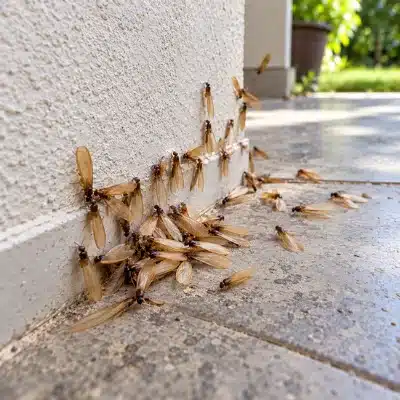
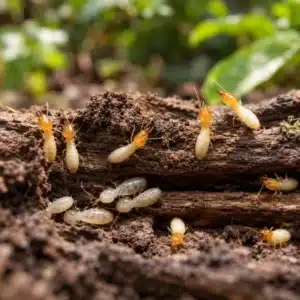
Warm, humid conditions and rainfall can trigger swarming in certain termite species. Winged reproductive termites, known as alates or flying termites, leave established colonies to find mates and start new colonies. Their sudden appearance near windows and lights may indicate nearby termite activity.
4. Changes in Daily Activity
Higher temperatures and longer daylight hours can influence when pests search for food and shelter. Cockroaches often remain hidden during the day but may become more noticeable at night in warm kitchens, garages, and other sheltered areas.
Most Common Summer Pests Found In Australian Homes
Summer often brings increased pest activity across Sydney as warmer temperatures, humidity, and seasonal rainfall create favourable conditions for many species. Understanding why each pest becomes more active during summer can help homeowners recognise early warning signs and prevent infestations.
Ants
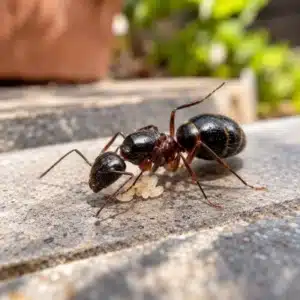
Ants, including black house ants, coastal brown ants, and white-footed house ants, become more active as temperatures rise. Warm conditions encourage foraging and colony development, while summer rain can flood nests and drive ants indoors. Kitchens and pantries are attractive because they provide easy access to sugary foods, grease, and water. Following an ant trail may reveal an entry point, but eliminating the colony often requires addressing the nest.
Cockroaches
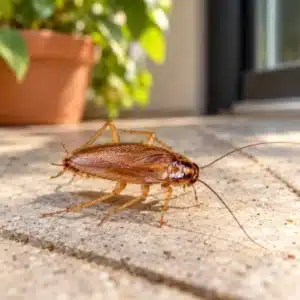
Cockroaches thrive in warm environments, and summer temperatures can accelerate their growth and reproduction. German cockroaches often gather in humid kitchens and bathrooms, where food and moisture are readily available. Larger Australian and American cockroaches may emerge from drains, gardens, and roof spaces during hot or stormy weather. Because they hide during the day, frequent sightings may indicate a developing infestation.
Mosquitoes
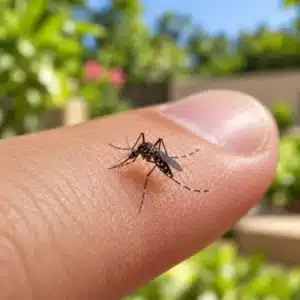
Warm temperatures can speed up mosquito development, while summer rainfall creates breeding sites in stagnant water. Buckets, plant saucers, blocked gutters, and uncovered water containers can become suitable places for eggs and larvae. Mosquitoes are often more noticeable around dusk and near wetlands or waterways. Some NSW species can transmit diseases, including Ross River virus, making prevention important.
Termites
Termites remain active underground throughout the year, but warm, humid weather and suitable soil moisture can trigger swarming in certain species. Winged reproductive termites emerge to establish new colonies, often appearing near lights after rainfall. Summer swarms can reveal termite activity that has otherwise remained hidden. Since termites can damage timber internally, regular inspections are important even when no visible signs are present.
Spiders
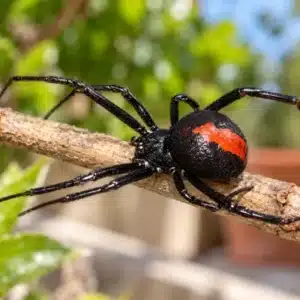
Many spiders become more noticeable during warmer months because insect prey becomes more abundant. Redbacks may be found in sheltered outdoor areas such as sheds, letterboxes, and beneath furniture. Male Sydney funnel-web spiders may also wander during warm, humid conditions while searching for mates. Check shoes and outdoor items before use, and avoid handling unfamiliar spiders. A suspected funnel-web bite is a medical emergency: apply a pressure-immobilisation bandage if possible, keep the person still, and call 000 immediately.
Flies and Fleas
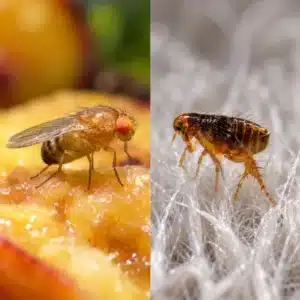
Flies reproduce faster in warm weather, particularly where rubbish, compost, or animal waste provides food and breeding sites. Fleas also develop more quickly under suitable warm, humid conditions, especially around pet bedding, carpets, and shaded garden areas. Regular cleaning, secure rubbish storage, and appropriate pet flea treatments can help prevent their populations from increasing.
Rodents
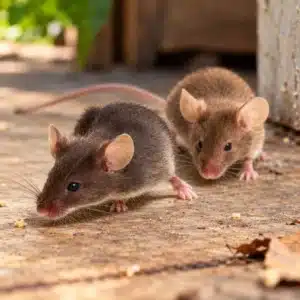
Rats and mice may become more noticeable during summer when outdoor dining, food scraps, and accessible rubbish provide easy meals. Hot, dry conditions can also encourage them to seek water and sheltered spaces indoors. Roof voids, garages, and wall cavities offer protected nesting sites. Sealing entry gaps and storing food securely can reduce the likelihood of rodents settling inside.
Wasps
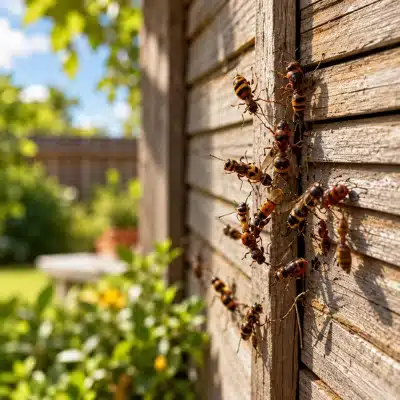
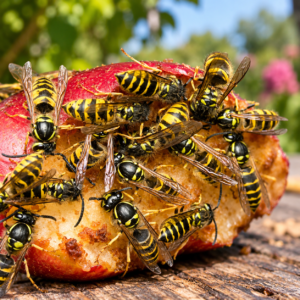
Many wasp colonies grow throughout spring and summer as warmer conditions support worker activity and nest development. By late summer, some colonies are larger, making wasps more noticeable around outdoor meals, sugary drinks, rubbish bins, and gardens. Nests may be built beneath eaves, in wall cavities, or around garden structures. Avoid disturbing a nest, as defensive wasps can sting repeatedly. Contact a professional wasp nest removal if needed.
Why Are Pests More Active During the Summer? Food, Water and Shelter
Warm temperatures are a major reason pest activity increases during summer, but food, water, and shelter also play an important role. In Sydney, these resources can become easier for pests to access, making homes and gardens attractive places to settle.
Food Becomes More Accessible
Summer often means barbecues, outdoor dining, family gatherings, and more food waste. Crumbs on patios, uncovered rubbish bins, leftover food, and pet bowls can attract ants, flies, cockroaches, rats, and mice. Fallen fruit from garden trees can also provide an easy food source. Keeping food sealed, cleaning outdoor dining areas, and emptying bins regularly can help reduce pest activity.
Water Sources Attract Pests
During hot, dry weather, pests may search for moisture around leaking taps, air-conditioner drainage areas, pet bowls, and damp bathrooms. After rainfall, puddles and containers holding stagnant water can create additional breeding opportunities for mosquitoes. Fixing leaks, emptying standing water, and keeping drains clear can make your property less appealing to pests.
Shelter Offers Relief from the Heat
High summer temperatures can drive pests towards cooler, shaded areas. Subfloors, roof voids, garages, garden sheds, and cluttered storage spaces provide protection from heat and changing weather. These sheltered locations can also offer safe places for pests to hide or nest.
When food, moisture, and shelter are readily available, pest activity can increase quickly. Good sanitation and regular maintenance help reduce the risk
How Sydney Homeowners Can Prevent Summer Pest Infestations
Now that you understand why are pests more active during the summer, the prevention side makes much more sense. You’re basically removing the three things they came for: food, water and shelter.
1. Lock down your food. Store pantry items such as sugar, flour, cereal and pet food in airtight containers. Wipe benchtops after meals, and don’t leave dirty dishes overnight. Rinse recycling before it goes in the bin.
2. Fix moisture problems. Repair dripping taps and leaky pipes, empty pot plant saucers, and clean out gutters so water doesn’t pool. Check the drip tray under your air conditioner and make sure bathrooms and laundries get proper ventilation.
3. Seal the gaps. Check door seals, window screens and the small gaps around pipes. A tube of sealant and some fresh weather strips cost far less than a treatment bill. Consider fitting flyscreens on every window you open in summer.
4. Tidy the garden. Trim shrubs and branches so they don’t touch the walls or roof. Keep mulch a little away from the house, stack firewood off the ground and away from the building, and remove dead wood and old pots where spiders and roaches like to hide.
5. Manage your bins. Use tight-fitting lids, wash them out every few weeks and keep them away from doors and windows. Hot Sydney days make a bin smell worse and attract flies fast.
6. Look after pets. Wash pet bedding often, vacuum carpets and furniture regularly, and keep your vet’s flea prevention up to date. Pick up pet waste from the yard promptly.
7. Schedule a termite inspection. Australian standards recommend a professional termite inspection at least once a year. Termites are quiet, and damage is often well advanced by the time it’s obvious. An inspection is cheap insurance for what’s probably your biggest asset.
Why DIY Pest Control Isn’t Enough During Summer
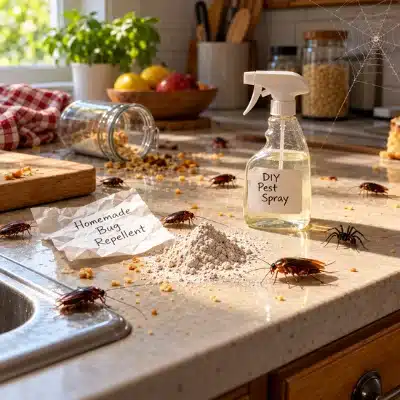
DIY pest control products may seem like a convenient solution when ants, cockroaches, mosquitoes, and rodents become more active during Sydney’s summer. However, supermarket sprays and household treatments often provide temporary relief without addressing the source of an infestation. Hidden nests, breeding sites, and entry points can allow pests to return even after visible insects have been eliminated.
Common Problems with DIY Pest Treatments
They may not eliminate the source: Sprays can kill visible pests but often fail to reach hidden nests, eggs, or colonies concealed in walls, cupboards, and roof spaces.
Incorrect product use can cause health risks: Overusing pesticides or applying them incorrectly may irritate the skin, eyes, and respiratory system. Children and pets may also be exposed if treated areas are not handled according to label instructions.
Pests may spread to other areas: Some treatments can disturb pests or cause them to move into nearby rooms, making the infestation harder to manage.
Resistance can reduce effectiveness: Repeated use of certain insecticides may contribute to pesticide resistance in some pest populations, reducing the effectiveness of future treatments.
Property conditions may remain unchanged: DIY sprays cannot fix leaking pipes, seal entry gaps, or remove food sources that attract pests
When Should You Contact a Professional Pest Control Service?
Not every summer pest sighting requires professional treatment. A few ants outdoors or an occasional fly may be managed with simple cleaning and exclusion measures. However, recurring or widespread activity can indicate a problem that needs closer attention.
Consider seeking professional advice if you notice:
- Cockroaches repeatedly appear inside kitchens or bathrooms.
- Ant trails returning despite removing food sources.
- Rats or mice leaving droppings or damaging stored items.
- Termite activity or signs of possible timber damage.
- Wasps nesting close to frequently used areas.
- Persistent pest activity despite reasonable prevention efforts.
A professional can inspect affected areas, help identify the pest, explain treatment options, and recommend practical prevention measures. Treatment should be selected according to the pest and used in accordance with product directions and relevant safety requirements.
For Sydney homeowners and businesses, EMK Termite & Pest Control Sydney provides pest management services for a range of common pest concerns. If seasonal pest activity is becoming difficult to manage, contacting a suitable provider can help you understand the options available for your property.
Conclusion
Summer can create favourable conditions for many pests across Sydney, particularly when warm temperatures combine with humidity, rainfall, accessible food, and sheltered hiding places. Ants, cockroaches, mosquitoes, flies, and other pests may become more noticeable, although their behaviour depends on the species and local conditions.
Understanding why are pests more active during the summer helps homeowners take preventive action before minor sightings develop into persistent problems. Keep food sealed, remove standing water, repair leaks, maintain your garden, and close gaps that allow pests indoors.
Regular inspections and good hygiene can make a meaningful difference. If pests continue returning or an infestation becomes difficult to manage, consider professional advice from EMK Termite & Pest Control Sydney to discuss suitable options for your home or business.
What Our Customers Had To Say


Frequently Asked Questions
1.Why are pests more active during the summer in Sydney?
Warmer temperatures can increase the activity and development of many insects. Humidity, rainfall, standing water, and readily available food may also support certain pest populations, making ants, cockroaches, mosquitoes, and flies more noticeable.
2. Which pests are most common in Sydney during summer?
Common summer pests include ants, cockroaches, mosquitoes, flies, spiders, wasps, and some rodents. The pests you encounter will depend on your property’s location, surrounding vegetation, moisture levels, and access to food and shelter.
3. Does heavy rain increase pest activity?
It can. Rain may create mosquito breeding sites and alter conditions in outdoor hiding places, prompting some pests to move. However, the effect varies by species, and rainfall does not automatically cause every type of pest infestation.
4. How can I prevent pests from entering my home in summer?
Keep food sealed, clean up spills, secure rubbish bins, remove standing water, repair leaks, maintain flyscreens, and seal gaps around doors and pipes. Regularly inspect gardens and storage areas for conditions that may attract pests.
5. When should I arrange professional pest control?
Consider professional assistance when pest sightings are frequent, signs of an infestation continue despite prevention efforts, or the source is difficult to identify. Termite concerns, persistent cockroach activity, and rodent evidence deserve prompt attention.
6. Is summer pest control necessary for every Sydney home?
Not every property needs a scheduled treatment solely because it is summer. The appropriate approach depends on the pest, property conditions, previous activity, and level of risk. Preventive maintenance and inspections can help determine whether further treatment is needed.
7. Do pests go away on their own when it cools down?
Some populations drop in autumn, but established colonies and nests usually survive indoors or underground. Termites, in particular, never really switch off. Treating the problem early is better than hoping the weather solves it.
8. What’s the best time to book pest control in Sydney?
Late winter or early spring is ideal, because you can stop breeding before the summer surge. That said, if you already have a problem, the best time is now.
9. Are summer pests a health risk?
Some are. Mosquitoes can spread viruses, cockroaches can trigger allergies and asthma, and certain spiders have dangerous bites. Even minor pests can contaminate food, so it’s worth acting quickly.
About The Author
