
Content Updated: April 21, 2026
Flying Termites – What do they look like?
Flying termites, commonly known as termite alates, play a crucial role in reproduction and the formation of new colonies. They originate from one of three main castes within a termite colony and have the potential to become future kings and queens.
Castes in a termite colony:
• Termite workers
• Termite soldiers
• Termite reproductives (alates)
When environmental conditions such as warmth and humidity are ideal, mature colonies release thousands of alates in a process called swarming. These winged termites leave the nest to find a mate and a suitable location to establish a new colony. Shortly after flight, they shed their wings, and those that fail to find a partner usually die.
Flying termites have a very short lifespan ,often surviving only around twenty minutes making their window for successful reproduction extremely limited. However, if a pair successfully mates, they move underground, begin reproducing, and form a new colony.
Understanding the behaviour of flying termites is essential for early detection and prevention. This guide covers everything you need to know about flying termites in Australia, including how to identify them, when swarming occurs, and effective methods for prevention and treatment.
Spotting Flying Termites in Australia: Early Warning Signs of Winged Termites
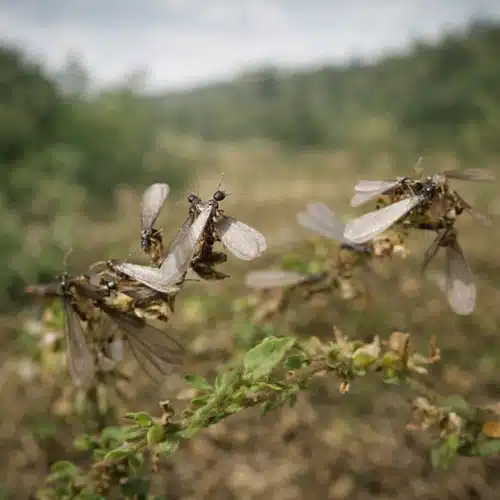
Identifying flying termites early is crucial to preventing serious structural damage. One of the most noticeable warning signs is the presence of winged termites, also known as alates, swarming in large numbers around your home. These swarms usually occur when environmental conditions are ideal, particularly when rising temperatures combine with increased humidity after rainfall.
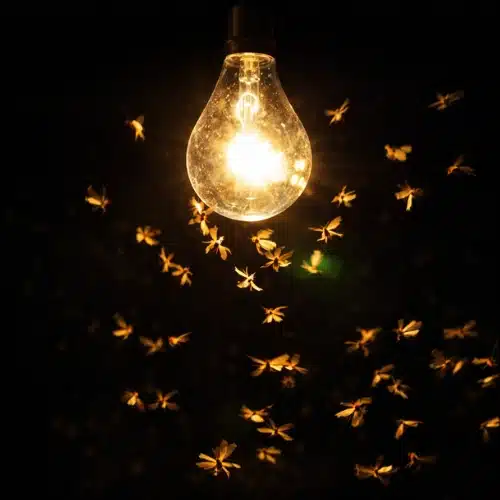
Flying termites are often attracted to light sources, so you may spot them near windows, doors, or outdoor lighting during the evening. After swarming, they shed their wings, so finding small piles of discarded wings around your property is another strong indication of termite activity.
If you notice swarms of flying termites, it’s important to act quickly, as this signals two major risks. Firstly, there could already be an active termite colony within or near your property. Secondly, your home may be highly vulnerable to a new infestation, as these termites are actively searching for a place to establish a nest.
Early detection and timely action can help minimize damage and prevent costly repairs, making it essential to stay alert to these warning signs.
Do Termites Fly?
Many homeowners often ask, “Do termites fly?” The answer is yes ,but only during a specific stage of their lifecycle. Not all termites have wings or the ability to fly. The ones you see flying are part of the reproductive caste, known as alates or swarmers. These termites are future kings and queens responsible for starting new colonies.
To clarify “Do termites fly?”, their flight is temporary and occurs during what is called the nuptial flight. This happens when conditions are ideal, allowing them to leave an existing colony, find a mate, and locate a suitable place to establish a new nest. After this brief flight, they shed their wings and move into soil or hidden areas to begin building a colony.
One of the most common signs of termite activity is the presence of discarded wings around your home. You may find these near windows, doors, or light fixtures where termites are attracted to light. This is a strong indication that flying termites have already entered your property and may be attempting to form a new colony nearby. Early detection is key to preventing serious damage.
Should I Be Worried About Flying Termites?
How concerned you should be about flying termites largely depends on the level of protection and maintenance in place for your property. These winged termites are a clear sign of nearby termite activity, but the risk they pose varies based on how well your home is protected.
If you have an active termite management system, such as a maintained termite barrier and regular professional inspections, the risk is significantly reduced. These preventative measures help detect termite activity early and stop colonies from establishing within your property. In such cases, occasional sightings of flying termites may not be a major concern, as your home already has protection in place.
However, if your termite barrier has weakened over time or you have not conducted regular inspections, the presence of flying termites should be taken seriously. It may indicate that termites are nearby or even attempting to establish a new colony within your property. Without proper protection, your home becomes more vulnerable to structural damage.
Regular inspections, timely maintenance, and proactive treatment are essential to minimise risks. Taking early action when you notice flying termites can help prevent costly infestations and ensure long-term protection for your property.
What Do Flying Termites Look Like? Identification for Australian Homes
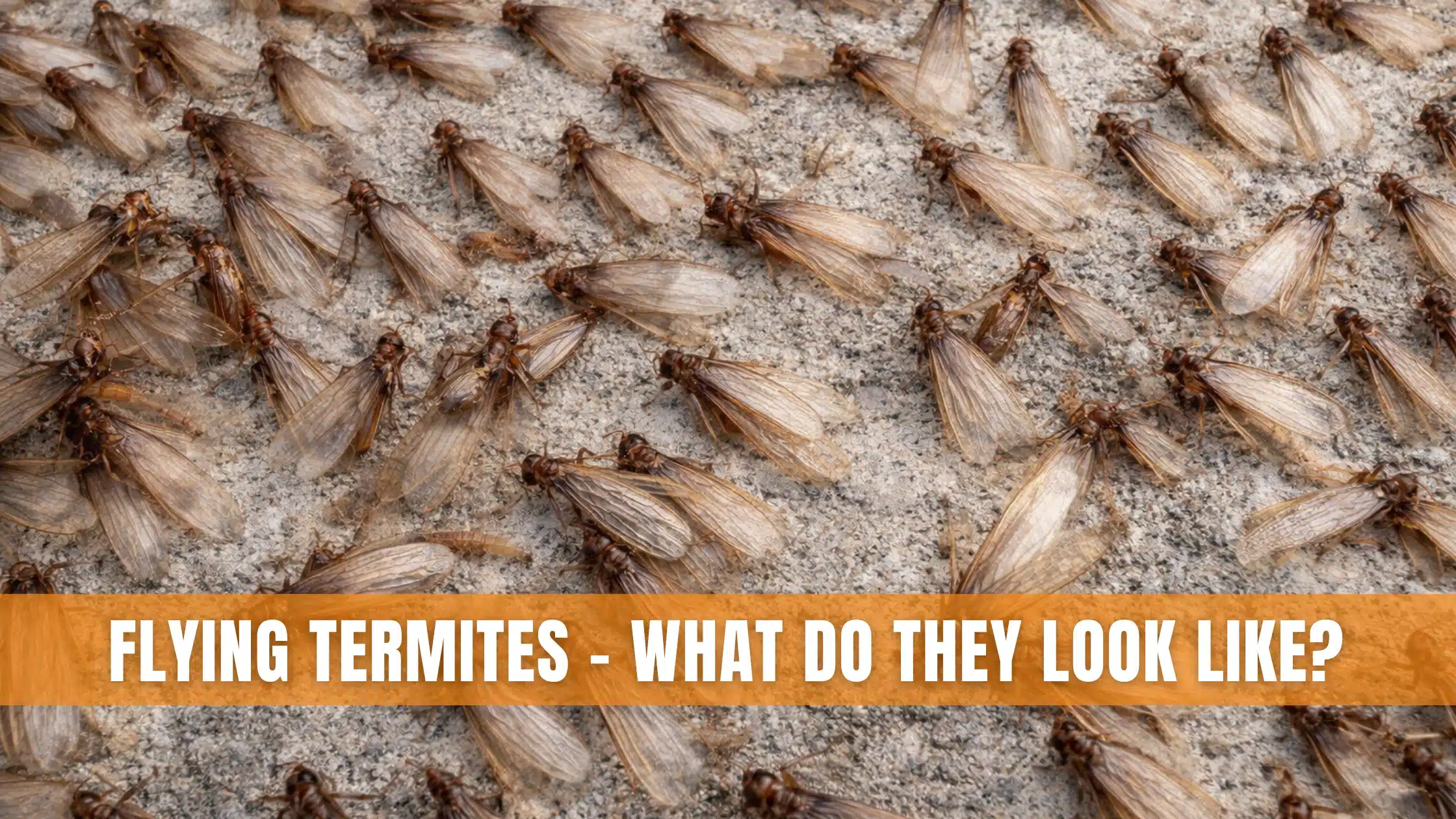
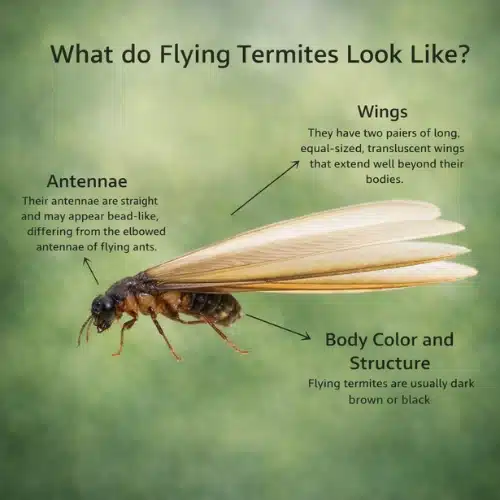
Flying termites, also known as winged termites or alates, have distinct physical features that make them identifiable in Australian homes. They are typically light gold to brown in colour and have six legs, like most insects. One of their key identifying traits is their straight or slightly curved antennae, which differ from the bent antennae seen in ants.
Their body structure is another important clue. Unlike ants, flying termites have a thick, uniform body without a clearly defined waist, giving them a more solid and straight appearance. This single, consistent body shape helps distinguish them from other flying insects.
Flying termites also have two pairs of large, translucent wings that are equal in size and extend beyond their body. These wings can measure up to 3 centimetres in length and often have a veiny, delicate appearance. During swarming, these wings allow them to travel short distances in search of a mate and a suitable nesting site.
After their flight, termites shed their wings, so finding discarded wings around your home is a strong sign of termite activity. Recognising these features early can help you take timely action and prevent potential infestations.
Do Termites Have Wings? Winged Termites Explained
Many people ask, “Do termites have wings?” The answer is yes ,but only certain termites within a colony develop wings. These winged termites, known as alates or swarmers, are the reproductive members responsible for forming new colonies. They eventually become future kings and queens.
Winged termites are commonly found across Australia, especially in warm climates where temperatures range between 25–28°C. As summer approaches, increased humidity and rainfall create ideal conditions for termite activity and breeding. A typical termite colony consists of three castes, but only subterranean termites develop wings and participate in reproduction.
During swarming season, usually in warm and humid conditions, thousands to millions of winged termites leave their nest in search of a mate and a suitable place to start a new colony. This flight often occurs during the hottest part of the day. While many termites take flight, only a small percentage successfully pair up and survive.
Interestingly, all subterranean termites begin life with wings. Once they find a mate, they shed their wings and move underground to establish a colony. The remaining termites either perish or become part of the worker or soldier caste. A single swarm can release tens of thousands of termites, but only about 10% succeed in forming new colonies.
What’s the Difference Between Flying Ants and Flying Termites?
Flying termites are often mistaken for flying ants, including the commonly seen carpenter ant, as they can appear similar in size, shape, and colour at first glance. However, there are several key differences that can help you correctly identify them.
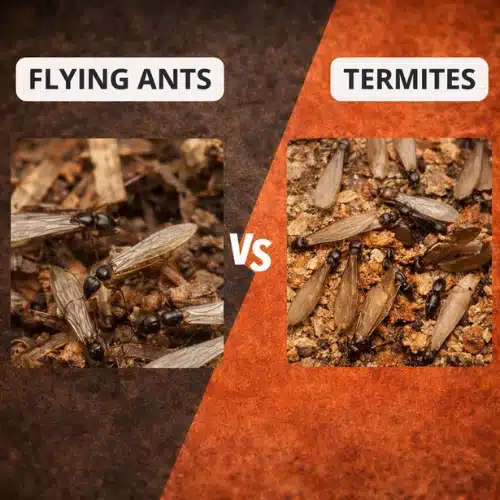
One of the most noticeable distinctions is in their wings. Flying termites have two pairs of wings that are equal in length and width, giving them a uniform appearance. In contrast, flying ants have uneven wings, where the front pair is significantly larger than the rear pair. This difference becomes clearer when you observe them closely.
Antennae shape is another important feature. Termites have straight antennae with a slight curve at the ends, while ants, including carpenter ants, have distinctly bent or elbowed antennae at about a 90-degree angle.
Colour and body structure also vary. Flying termites are usually light beige or golden with translucent, veiny wings. Ants tend to be darker in colour, often brown or black. Additionally, termites have a thicker, more uniform body with only two visible sections, whereas ants have three distinct segments head, thorax, and abdomen.
Recognising these differences early can help you identify potential termite activity and take timely action to prevent infestations.
Are Flying Termites Attracted to Light?
Like many flying insects, termites are strongly attracted to light sources. During swarming periods, you may notice large numbers of flying termites gathering around indoor lights, outdoor lamps, or illuminated windows. In some cases, they can enter homes in large groups, even coming through downlights and ceiling fixtures, which can be alarming for homeowners.
Although the situation may seem overwhelming, it’s important to stay calm and act quickly. The most effective approach is to turn off all lights inside and outside your home. Then, open doors and windows to create an exit path. Since termites are drawn to light, removing it encourages them to move away and exit the property naturally.
One of the biggest mistakes people make is trying to spray the termites with insecticides. This is usually ineffective during a swarm and can delay the process of getting them out. The priority should be to guide them outside as quickly as possible before they shed their wings and attempt to settle.
Once the swarm has passed, it’s important to inspect your home for signs of termite activity. Taking prompt action can help prevent potential infestations and protect your property from long-term damage.
How Are Flying Termites Treated? Professional Termite Control Options
Flying subterranean termites are among the most challenging pests to control, which is why prevention is the most effective strategy. These termites travel underground and can easily enter properties without visible signs, making early protection essential. Installing a reliable termite management system and a protective barrier around your home can significantly reduce the risk of infestation.
Without proper protection, flying termites can land, find a mate, and begin establishing a new colony beneath your property. Once a queen termite starts reproducing, she can lay tens of thousands of eggs each day. This rapid growth means a colony can expand quickly, and within a short time, termites may begin invading your home. They often remain hidden while causing serious structural damage by feeding on timber and other materials.
The good news is that this situation can be prevented with the right precautions. Regular termite inspections help detect early signs of activity, while a professionally installed perimeter barrier creates a strong defence against termite entry.
To protect your home and avoid costly damage, it’s best to consult a trained pest control expert. Professional guidance ensures effective treatment, long-term protection, and peace of mind for your property.
How to Get Rid of Flying Termites in Australia: Prevention & Treatment Tips
While you can’t completely stop flying termites from swarming onto your property, you can take smart precautions to minimize the chances of them entering your home and starting a colony.
- Install and Maintain Screens
Fit high-quality screens on windows and doors, and regularly check for holes or tears to prevent termites from getting inside. - Control Moisture Levels
Termites thrive in damp conditions. Fix leaks, repair plumbing issues, and reduce moisture around bathrooms, kitchens, and foundations. - Avoid Damp Soil Near Your Home
Even small issues, like a leaking tap, can create moist soil that attracts termites and encourages nesting nearby. - Manage Wood and Mulch Placement
Keep mulch, firewood, and untreated timber away from your home’s foundation to reduce attraction points. - Ensure Proper Ventilation
Keep basements, crawl spaces, and attics dry and well-ventilated to prevent moisture buildup. - Be Mindful of Outdoor Lighting
Lights can attract flying termites, but they also serve as an early warning sign of activity around your property. - Maintain Regular Inspections
Combine good housekeeping with annual termite inspections and a protective barrier system to reduce infestation risks.
Taking these preventive steps can significantly lower the chances of termite activity and protect your home long-term.
When to Call a Professional
Not every sighting of flying termites or a small swarm means immediate danger, but certain situations require prompt action. If you notice repeated swarms, discarded wings, or signs of damage, it’s essential to contact a licensed professional like EMK Termite & Pest Control Sydney. Their experts can assess the severity of the issue and recommend the most effective treatment.
Common termite control solutions include:
- Chemical Barrier Treatments
Specialised treatments are applied to the soil around your home, creating a protective zone that repels termites and prevents entry. - Baiting Systems
Strategically placed bait stations attract termites to a poisoned food source, gradually eliminating the entire colony over time. - Localised Treatments
Dusting or foam applications are used in targeted areas where termite activity is detected, providing quick and effective control. - Advanced Infestation Management
For severe cases, professionals may remove termite nests or combine multiple treatment methods for complete protection.
Acting early with EMK Termite & Pest Control Sydney ensures not only effective eradication but also long-term prevention. Their team provides expert guidance on protecting your home, helping you stay ahead of future termite activity and avoid costly structural damage.
About The Author

EMK Termite & Pest Control Team
EMK Termite & Pest Control Team is a licensed and experienced pest control service provider based in Sydney, Australia. Our team specialises in termite treatment, cockroach control, spider control, and general pest management for residential and commercial properties.
With years of hands-on experience, we follow Australian safety standards and use proven, eco-friendly pest control methods to deliver long-lasting results. All content published on this website is written and reviewed by trained pest control professionals to ensure accuracy, safety, and real-world expertise.