
Content Published : November 2, 2026
Flying Ants: Identification, Causes, Prevention and Control
Flying ants can suddenly appear around windows, garden lights, patios, and outdoor entertaining areas across Sydney, especially during warm and humid weather. Although a swarm may seem alarming, these insects are usually reproductive ants leaving their colony to mate and establish new nests. Understanding their behaviour can help homeowners manage the problem and prevent recurring activity.
One important concern is distinguishing flying ants from winged termites. Both insects may emerge after warm weather or rainfall, making identification difficult. However, termites can cause significant damage to timber structures, while most flying ants are primarily a nuisance. Checking their body shape, antennae, and wings can help determine which insect you are dealing with.
Sydney properties with gardens, damp soil, decaying timber, and accessible food sources may attract ant activity. Sealing entry points, maintaining outdoor areas, and keeping kitchens clean can help reduce the chances of ants entering your home. If swarms appear repeatedly or insects emerge from walls and timber, professional inspection may be worthwhile.
Effective ant pest control starts with identifying the species and locating the nest rather than simply spraying visible insects. Understanding why flying ants appear, where they nest, and how to manage them can help protect your property and maintain a comfortable, pest-free home.
What Are Flying Ants?
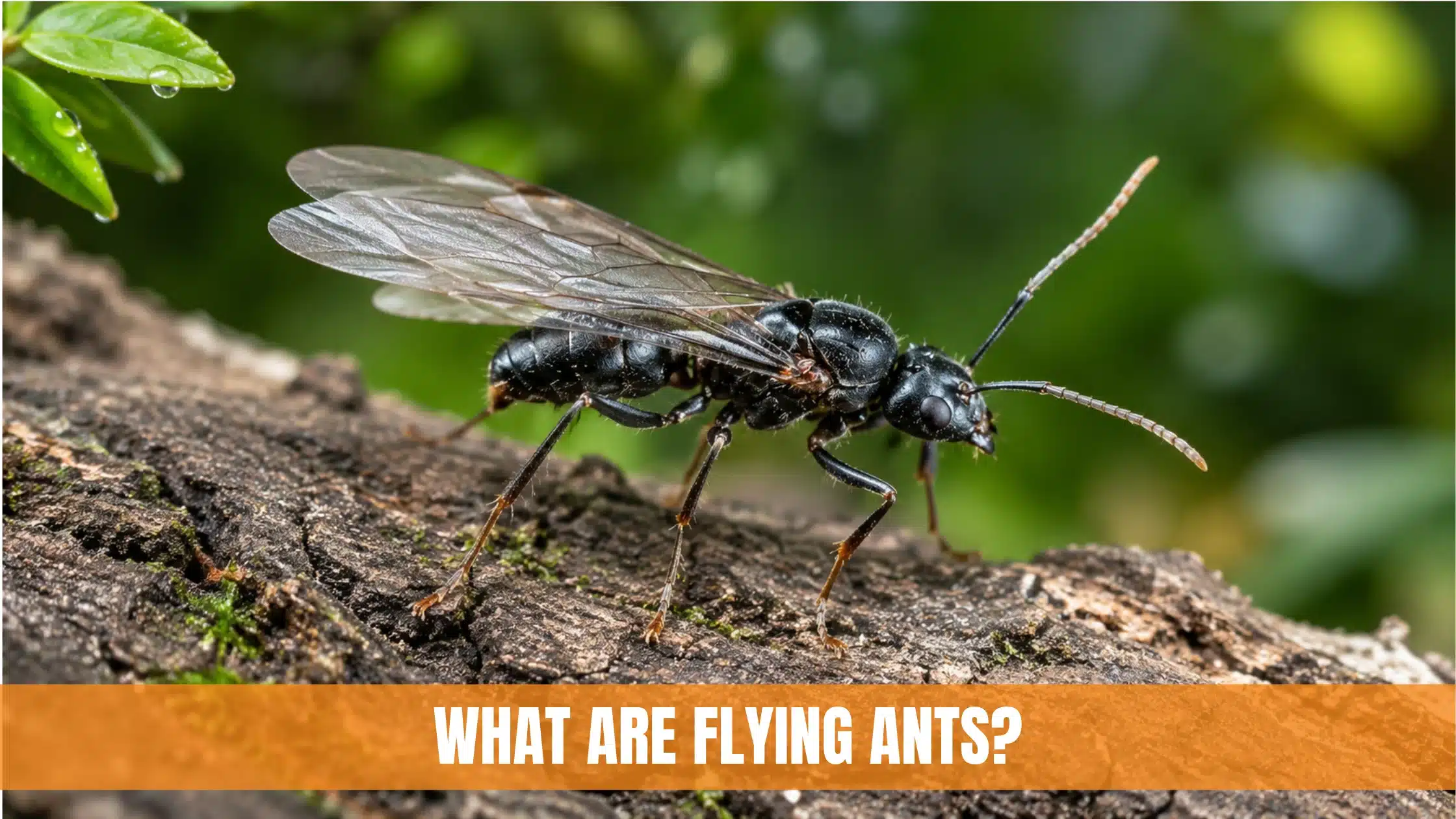
Flying ants are reproductive members of certain ant colonies. Unlike worker ants, which generally search for food and maintain the nest, these winged males and females leave the colony during a reproductive flight. Their purpose is to mate and establish new colonies.
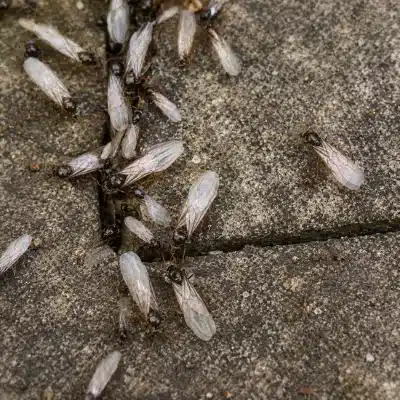
Not every ant species produces winged individuals at the same time. Swarming depends on the species, colony maturity and environmental conditions. In Sydney, residents may notice groups of winged ants around gardens, lawns, paved areas and outdoor lights when conditions are suitable.
After mating, males generally die, while successfully mated females may shed their wings and search for a suitable nesting location. Most potential queens will not establish a surviving colony, but those that do can eventually produce a new population.
Seeing a few winged ants outdoors does not automatically mean your home is infested. However, repeated swarms indoors or insects emerging from cracks, walls or timber deserve closer attention.
Why Do Flying Ants Appear in Sydney Homes?
Sydney’s changing weather can create suitable conditions for ant activity. Warm temperatures, humidity and rainfall may encourage certain species to become more active and undertake reproductive flights.
Warm and humid weather
Many ant species become more active when temperatures rise. Warm, humid conditions can coincide with swarming, particularly during spring and summer, although the timing varies by species and local conditions.
Rainfall and moist soil
Rain can influence where ants forage and nest. Depending on the species and the condition of the nest, changes in soil moisture may encourage ants to relocate or emerge. Gardens, lawns and areas beneath paving can provide suitable nesting sites.
Outdoor and indoor lighting
Winged insects may gather around bright lights at night. In Sydney homes, this can make swarms particularly noticeable near porch lights, sliding glass doors, windows and outdoor entertaining spaces.
Accessible food and water
Ant colonies may thrive where food scraps, sugary drinks, pet food and moisture are readily available. These resources do not necessarily trigger reproductive flights, but they can make residential properties more attractive to foraging ants.
Flying Ants vs Flying Termites : How To Tell The Difference
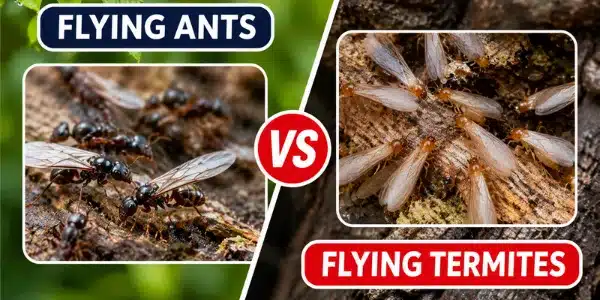
This is the comparison that matters most, because the two are frequently confused and the consequences are very different. Termites cause serious structural damage to Australian homes, and Sydney is a high-risk area for subterranean species. Ants, by comparison, are mostly a nuisance.
Here’s how to tell them apart by looking closely at one of the insects, ideally a dead one you can pick up:
Waist: Ants have a clearly pinched, narrow waist. Termites have a thick, straight body with no obvious waist.
Antennae: Ant antennae are bent, like an elbow. Termite antennae are straight, often with a beaded look.
Wings: Ant wings are two different sizes, with the front pair larger. Termite wings are four equal-length wings, often much longer than the body, and they fall off easily, so you may find piles of shed wings near windowsills.
Colour: Ants are usually dark brown or black. Termite swarmers are often paler, sometimes creamy or light brown.
If you find discarded wings in a drift on a sill or floor, treat that as a warning sign. It can mean termites have been emerging from somewhere inside or right beside your home.
Flying Ants vs Flying Termites: Key Differences
| Feature | Flying Ants | Flying Termites |
|---|---|---|
| Waist | Narrow and pinched | Broad, without a distinct pinch |
| Antennae | Bent or elbow-shaped | Straight and bead-like |
| Wings | Front wings are usually longer than rear wings | Four wings of approximately equal length |
| Body | Clearly segmented, with a distinct waist | More uniform in shape, without a narrow waist |
| Main Concern | Nuisance and possible nearby nesting | Potential termite colony and timber damage |
Where Do Flying Ants Nest?
The nesting habits of flying ants vary depending on their species and the surrounding environment. In Sydney, these insects may establish colonies in gardens, lawns, and sheltered areas around residential properties. Understanding their preferred nesting locations can help homeowners identify potential problems and take suitable prevention measures.
Common nesting locations include:
- Garden beds and lawns: Many ant species build underground nests in soil, particularly where food and shelter are readily available.
- Beneath paving and concrete: Small gaps under paving stones, driveways, and pathways can provide protected spaces for colonies.
- Retaining walls and cracks: Ants may use narrow openings in walls, foundations, and concrete structures to establish nests.
- Tree stumps and decaying timber: Some species prefer damp or deteriorating wood because it offers shelter and suitable nesting conditions.
- Wall cavities and sheltered spaces: Certain ants may nest in concealed areas around buildings, making their colonies difficult to locate.
Moisture, food availability, and protection from predators can influence where colonies develop. Overgrown vegetation, damp timber, and untidy garden edges may also create favourable conditions.
If you notice flying ants repeatedly emerging from the same indoor location, investigate the source rather than simply removing visible insects. Cleaning alone will not eliminate a hidden colony.
Are Flying Ants Dangerous?
For most Sydney homeowners, flying ants are more of a nuisance than a serious threat. These winged insects usually emerge to mate and establish new colonies rather than to attack people or pets. They generally avoid contact with humans, although some species may bite or sting when disturbed.
However, there are a few things worth keeping in mind when dealing with flying ants around your property.
- Bites and discomfort: Some ant species have strong jaws and may bite if handled or threatened. The discomfort is usually mild, but reactions can vary depending on the species.
- Allergic reactions: Although uncommon, some people may experience allergic reactions to ant bites or stings. Seek urgent medical attention if you develop breathing difficulties or severe swelling.
- Food contamination: Ants can travel across bins, garden soil, and other surfaces before reaching kitchen benches or stored food. Keep food covered and clean spills promptly to maintain good hygiene.
- Potential timber damage: Most flying ants do not cause structural damage. However, carpenter ants can excavate damp or decaying timber to create nesting spaces, potentially worsening existing damage.
Although flying ants rarely pose a major health risk, repeated activity may indicate a nearby colony.
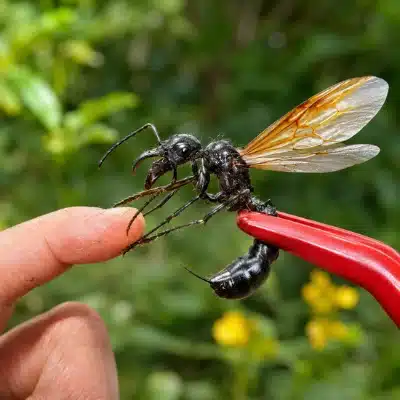
How to Prevent Flying Ants Infestation Around Your Sydney Property
Preventive measures can make your property less attractive to ants and reduce opportunities for them to enter your home. Although no single method will prevent every swarm, consistent maintenance can help manage ant activity.
Keep kitchens and dining areas clean
Wipe benches regularly, clean food spills promptly and avoid leaving sugary drinks or uncovered food on tables overnight. Store pantry items in sealed containers and remove rubbish before it accumulates.
Pay particular attention to outdoor dining areas, where crumbs and leftover food can attract foraging ants.
Seal entry points
Inspect gaps around doors, windows, utility pipes and other openings. Repair damaged weatherstripping and use appropriate sealants where suitable.
These measures can reduce access for crawling insects, although winged insects may still enter through open doors and windows during a swarm.
Maintain your garden
Trim vegetation away from exterior walls, remove decaying timber where appropriate and keep garden beds tidy. Check beneath loose paving and around retaining walls for signs of ant activity.
Avoid disturbing an unidentified nest until you understand which insect you are dealing with, particularly if there is a possibility of a regulated invasive ant species.
Address moisture problems
Repair leaking outdoor taps and pipes, improve drainage where needed and investigate persistent dampness around the home. Moisture management helps reduce favourable conditions for various household pests.
However, not every ant species requires damp nesting conditions, so moisture control should form part of a broader prevention plan.
Manage outdoor lighting
If swarms gather around your entrance, consider reducing unnecessary outdoor lighting during periods of heavy insect activity. Where practical, use suitable warm-coloured outdoor bulbs and keep doors and windows closed when large numbers of insects are flying nearby.
Lighting changes may reduce the number of insects gathering near entry points, but they will not eliminate the colony.
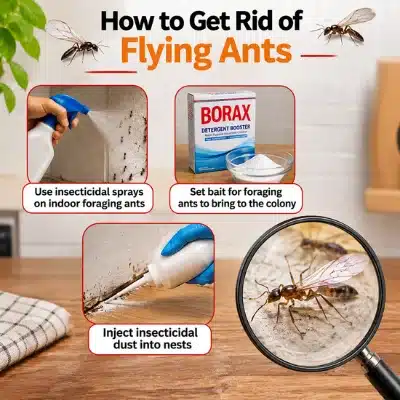
How to Get Rid of Flying Ants
Getting rid of flying ants depends on whether they have entered your home accidentally or are emerging from an established colony. In Sydney, identifying the source of the activity can help you choose the most effective control method and prevent recurring swarms.
Here are some practical ways to manage flying ants around your property:
- Remove visible ants: If a small number enter your home, use a vacuum cleaner or suitable cleaning method to remove them. Empty the vacuum outdoors and clean the affected area afterwards.
- Locate the source: Look for ant trails, repeated activity around garden beds, or insects emerging from cracks. Finding the nesting area can help address the underlying problem.
- Consider ant baits: Suitable ant baits may help control certain species because worker ants can carry the bait back to their colony. Choose products appropriate for the identified species and follow the label instructions.
- Keep treatments safe: Place baits and other pest control products away from children, pets, food, and food preparation surfaces.
- Avoid relying on sprays alone: Surface sprays may kill visible insects without eliminating the nest, allowing the problem to return.
If flying ants continue appearing indoors or you cannot identify the species, consider professional ant pest control. A qualified technician can assess the activity, identify potential nesting sites, and recommend an appropriate treatment for your Sydney property.
How to Prevent the Return of Winged Ants
Preventing winged ants from returning starts with making your Sydney home less attractive to nesting colonies. Simple maintenance habits can reduce potential nesting sites, limit food sources, and help keep unwanted insects outdoors.
Here are some practical prevention tips to follow:
- Fix moisture problems: Repair leaking taps, clear blocked gutters, and address damp areas around your property. Good drainage and ventilation can help reduce favourable nesting conditions.
- Store food properly: Keep pantry items in airtight containers, clean spills promptly, and avoid leaving pet food bowls out overnight.
- Trim nearby vegetation: Cut back branches touching your roof or walls, and maintain garden beds to reduce easy access to your home.
- Remove timber and garden debris: Store firewood away from exterior walls and clear old timber, fallen branches, and unnecessary clutter that may provide shelter for ants.
- Seal entry points: Check door sweeps, window screens, and gaps around pipes. Repair damaged seals to reduce the chances of insects entering your home.
- Inspect your property regularly: During spring and summer, check garden edges, exterior walls, and paved areas for ant trails or signs of nesting activity.
These measures are particularly useful for Sydney properties near bushland, parks, and established gardens, where ant colonies may be common. While prevention cannot stop every swarm, consistent maintenance can help reduce recurring activity.
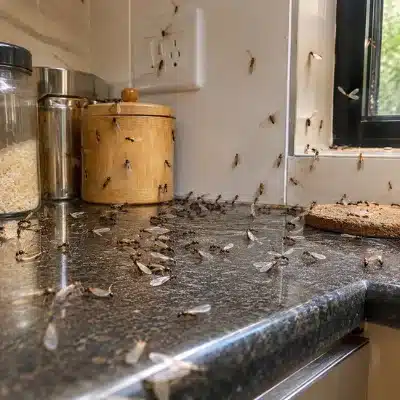
Common Mistakes to Avoid When Dealing with Flying Ants
Managing flying ants around your Sydney property requires the right approach. Some common mistakes can make the problem harder to resolve or allow pest activity to continue.
Here are a few issues homeowners should avoid:
- Misidentifying termites as ants: Flying ants and winged termites can look similar, but termites may cause serious timber damage. Check their waist, antennae, and wing structure. If you are unsure, arrange a professional inspection before applying treatment.
- Spraying without finding the nest: Insecticide sprays may kill visible insects but often fail to eliminate the colony. Repeated swarms can occur if the nesting site remains active.
- Ignoring food and rubbish: Uncovered food, crumbs, overflowing bins, and sugary spills can attract foraging ants. Maintain good hygiene and store food in sealed containers.
- Overlooking entry points: Gaps around doors, windows, pipes, and walls can allow insects to enter. Seal suitable openings and repair damaged screens to reduce access.
- Misusing pesticides: Applying excessive amounts, mixing products, or ignoring label instructions can create unnecessary risks for people and pets without improving results.
Effective ant pest control begins with correct identification and an understanding of where the insects are coming from. Instead of repeatedly treating visible ants, investigate the source and address the conditions supporting their activity.
When Should You Call a Professional Pest Control Service?
Occasional winged ants outdoors are usually a normal part of their reproductive cycle and may not require treatment. However, repeated swarms or signs of nesting around your Sydney property may indicate a problem that needs professional attention.
Consider contacting a pest control specialist if you notice the following:
- Recurring indoor swarms: Winged insects repeatedly appear around windows, doors, or indoor lights.
- Persistent ant trails: Ants continue entering your kitchen, pantry, or other areas despite regular cleaning.
- Hidden nesting activity: Insects emerge from wall cavities, cracks, or timber structures.
- Unsuccessful DIY treatments: Ant activity returns after using baits or other suitable control methods.
- Possible termite activity: You find discarded wings, mud tubes, or unexplained timber damage.
Professional Sydney pest control services typically involve identifying the insect, inspecting accessible nesting areas, and selecting a suitable treatment. Depending on the situation, this may include targeted baiting, nest treatment, entry-point recommendations, or follow-up monitoring.
For Sydney homeowners, distinguishing flying ants from termites is particularly important. Ant treatments will not resolve a termite infestation, so suspected termite activity should be assessed by a qualified termite pest control.
Conclusion
Understanding ant behaviour is the first step towards managing unwanted insect activity around your property. Cleanliness, sealed entry points, sensible garden maintenance and appropriate treatment can help reduce the conditions that encourage ants to settle near your home.
If you notice recurring swarms, focus on identifying the insect and locating its source rather than treating visible activity alone. In particular, remember that termites can resemble winged ants and require a different response.
For reliable advice and practical pest management, contact EMK Termite & Pest Control Sydney to discuss your property’s needs and arrange an appropriate assessment.
What Our Customers Had To Say


Frequently Asked Questions About Flying Ants
Why do I suddenly have flying ants in my house?
A sudden appearance may coincide with a reproductive flight outdoors. Warm, humid weather can make swarms more noticeable, while open windows, doors and bright lights may draw insects indoors. Repeated emergence from the same indoor location deserves investigation.
What time of year do flying ants appear in Sydney?
Activity varies by species and weather conditions. Some swarms occur during warmer months, particularly when humidity and rainfall create suitable conditions. There is no single date or season that applies to every ant species.
Do flying ants mean there is a nest in my house?
Not necessarily. They may have flown in from a nearby outdoor colony. However, repeated sightings or insects emerging from walls, floors or timber can indicate a nest nearby and should be assessed.
Can flying ants damage my house?
Most flying ants do not cause the same structural timber damage associated with termites. However, some ants nest in timber, especially wood that is already decaying. Correct identification is important before deciding whether treatment is necessary.
Should I use insecticide on a swarm?
For a small number of confirmed ants, basic removal may be sufficient. For recurring activity, identify the source and choose an appropriate control method. If termites are suspected, avoid spraying or disturbing the area before professional assessment.
How can I stop ants from coming back?
Keep food sealed, clean spills promptly, manage rubbish, repair gaps and maintain garden areas. If a colony is established nearby, professional treatment may be needed to address the source.
About The Author
