
Content Published : November 24, 2026
How Often Do You Need Pest Control? A Complete Guide for Sydney Homes
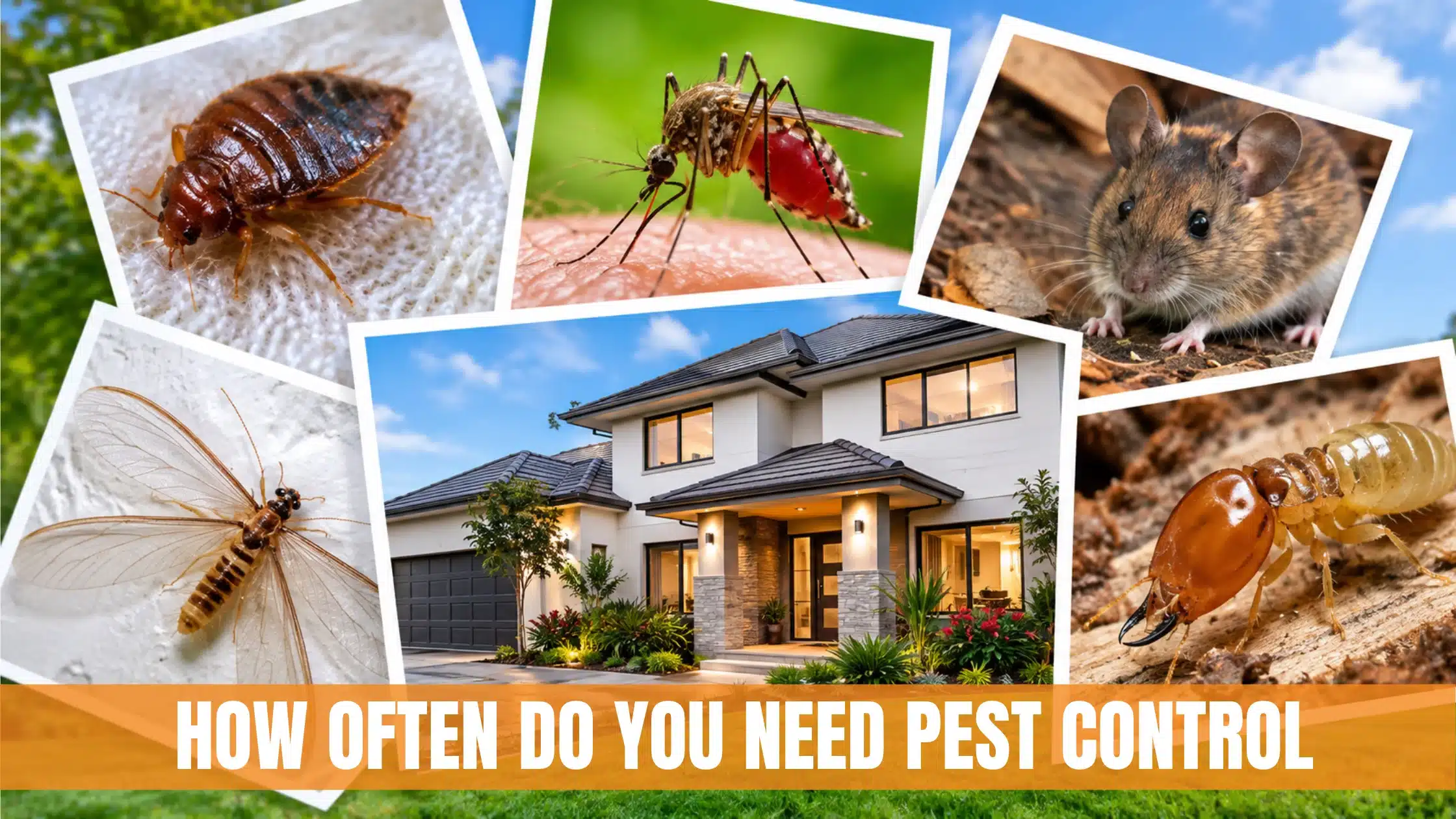
Pests can affect any property, regardless of how clean or well-maintained it may be. From ants and cockroaches to rats, mice, spiders and termites, unwanted pests can create hygiene concerns, damage belongings and make everyday living uncomfortable. In Sydney, changing weather conditions and a generally mild climate can encourage different pests to remain active throughout the year, increasing the chances of infestations in homes and businesses.
One question many property owners ask is, how often do you need pest control to keep their properties protected from unwanted pests ?The answer depends on several important factors, including the type of pest, the property’s location, its condition and any history of previous infestations. For example, a home experiencing recurring cockroach activity may need a different treatment schedule from a property with occasional ant problems.
Choosing suitable pest control Sydney services can help identify potential risks, manage existing infestations and reduce the chances of pests returning. Regular inspections, timely treatments and simple preventive measures can make a real difference. Understanding your property’s specific pest risks allows you to plan effective pest management rather than waiting for a small pest problem to develop into a larger and more difficult infestation.
How Often Should You Schedule General Pest Control in Sydney?
For many Sydney homes, arranging general pest control every 6 to 12 months can be a practical starting point. An annual treatment may suit properties with occasional pest activity, while homes experiencing recurring problems may benefit from more frequent attention.
However, there is no single schedule that works for every property. A professional pest inspection can help determine whether your home needs preventive treatment, targeted pest removal or ongoing monitoring.
Several factors influence the recommended frequency:
- Property location: Homes near bushland, parks, gardens or waterways may experience more pest activity.
- Previous infestations: Properties with recurring cockroach, ant or rodent problems may require additional visits.
- Building condition: Cracks, damaged screens, gaps around pipes and poor drainage can create easy access for pests.
- Surrounding environment: Overgrown vegetation, damp areas and accumulated garden waste can attract unwanted insects and rodents.
- Property usage: Restaurants, offices and other commercial premises may require a more structured pest management schedule.
The best approach is to select a service frequency based on actual pest risks rather than following an unnecessary fixed routine.
How Often Do Different Pests Require Treatment?
Different pests have different breeding habits, hiding places and levels of activity. As a result, their treatment requirements can vary considerably.
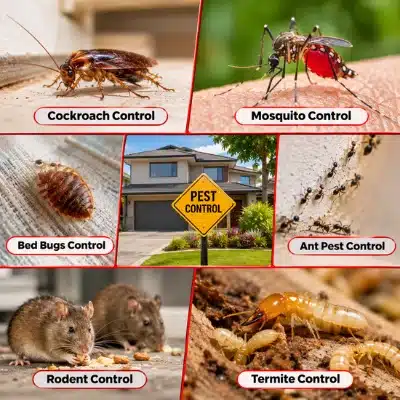
1. Cockroach Control
Cockroaches are common in Sydney kitchens, bathrooms, laundries and commercial food preparation areas. German cockroaches, in particular, can multiply quickly when they have access to food, moisture and sheltered spaces.
Properties with recurring cockroach activity may need targeted cockroach control treatments and follow-up inspections. A general preventive service may be suitable for other properties, but an established German cockroach infestation usually requires a specific treatment plan.
2. Ant Control
Ants often become more noticeable during warmer months when they search for food and water. They can enter through small openings around doors, windows and plumbing.
If ants repeatedly appear in kitchens, gardens or wall cavities, professional ant pest control may be necessary to locate and manage the ant colony. Sealing entry points and keeping food in airtight containers can help reduce their return.
3. Rodent Control
Rats and mice can enter Sydney properties through small gaps, roof spaces, garages and wall openings. Their activity may increase when weather conditions change or outdoor food sources become limited.
Rodent control frequency depends on the infestation, access points and surrounding environment. Active infestations may require monitoring, bait station checks, trapping and follow-up visits. Sealing entry points is also important for long-term management.
4. Spider Control
Spiders can become more noticeable in gardens, garages, sheds and around outdoor lighting. Properties near bushland or with dense vegetation may experience greater activity.
Periodic inspections and targeted spider control treatments can help manage recurring spider problems. Reducing clutter, clearing webs and trimming vegetation near the building can also make outdoor areas less attractive to spiders.
5. Termite Inspections and Treatment
Termites require a different approach from general pest control because they can remain hidden while damaging timber structures. In Sydney, regular termite inspections are particularly important for properties with timber construction, garden beds close to walls or conditions that encourage moisture.
A professional termite treatment is generally recommended at least once every 12 months, with more frequent inspections considered for higher-risk properties. If termite activity is discovered, the treatment and monitoring schedule should be based on the inspection findings and the recommended management system.
Does Sydney's Weather Affect Pest Control Frequency?
Yes. Sydney’s weather can influence when different pests become active and how easily they enter buildings.
Warm conditions often encourage insects such as ants, cockroaches and mosquitoes to become more active. Pest activities increase during the summer season. Rainfall can also affect pest behaviour by creating damp conditions or disturbing outdoor nesting areas. During cooler months, rats and mice may seek shelter inside homes, garages and commercial buildings.
Seasonal changes can influence your pest management routine:
- Spring: Ants, spiders and other insects may become more active as temperatures rise.
- Summer: Warm conditions can support increased cockroach and mosquito activity.
- Autumn: Rodents may begin looking for warmer indoor shelter.
- Winter: Check roof spaces, storage areas and wall openings for signs of rodent activity.
Rather than relying on seasonal treatments alone, monitor your property throughout the year and arrange professional assistance when signs of activity appear.
How Often Do You Need Pest Control for Commercial Properties?
Commercial properties often have different pest management requirements from residential homes. Restaurants, cafes, warehouses, offices, retail stores and food storage facilities may experience pest risks because of their operations, waste management practices and building layouts.
Businesses handling food generally need more structured pest monitoring to maintain hygiene standards and meet applicable requirements. Depending on the premises and risk assessment, inspections may be scheduled monthly, quarterly or at another suitable interval.
A commercial pest control program may include:
- Routine inspections of kitchens, storage rooms and waste areas.
- Monitoring for cockroaches, ants, rodents and other pests.
- Checking bait stations and identifying potential entry points.
- Reviewing cleaning, waste disposal and storage practices.
- Maintaining service records and recommending corrective measures.
The frequency should reflect the business type, pest history, site conditions and relevant compliance obligations.
Signs Your Property Needs Pest Control Sooner
Even if your next scheduled service is months away, certain warning signs should not be ignored. Early action can help prevent pests from spreading into other parts of your property.
Look out for:
- Live insects appear repeatedly in kitchens, bathrooms or bedrooms.
- Droppings, gnaw marks or scratching sounds indicating rodent activity.
- Mud tubes, damaged timber or hollow-sounding wooden structures that may suggest termites.
- Ant trails or nests around walls, gardens and entry points.
- Spider webs or repeated sightings in indoor and outdoor areas.
- Unusual odours or visible signs of pest nesting.
If you notice these signs, arrange an inspection instead of waiting for your next routine appointment.
How Can You Reduce Pest Activity Between Professional Treatments?
Keeping pests away requires more than occasional professional treatment. Regular cleaning and simple property maintenance can help prevent infestations by removing the food, water and shelter that attract unwanted pests. While professional pest control addresses existing problems, everyday preventive habits can make a significant difference between treatments.
Here are some practical ways to reduce pest activity around your Sydney property:
- Keep kitchens clean: Wipe benches, sweep floors and avoid leaving food crumbs or dirty dishes overnight.
- Store food properly: Keep dry food, groceries and pet food in airtight containers to prevent attracting ants, cockroaches and rodents.
- Manage household waste: Empty rubbish bins regularly and use tightly fitted lids to limit food sources for pests.
- Maintain your garden: Trim shrubs, remove fallen leaves and keep branches away from walls and windows.
- Control moisture: Repair leaking taps, improve drainage and avoid allowing water to collect around your property.
- Seal entry points: Check door seals, window screens, wall cracks and gaps around pipes to prevent pests from entering.
These simple habits, combined with regular inspections and suitable pest control Sydney services, can help reduce pest activity and keep your home or business better protected throughout the year.
Why Is Ongoing Pest Management Important?
Ongoing pest management helps prevent small pest problems from developing into serious infestations. Regular servicing and inspections can identify hidden activity early, reduce the risk of property damage and maintain a healthier, more comfortable living environment. This is particularly important for pests such as termites and rodents, which can cause damage before their presence becomes obvious.
There are several benefits to maintaining a regular pest management routine:
- Early detection: Inspections can uncover hidden pests before visible signs or extensive infestations appear.
- Property protection: Termites can damage timber, while rodents may chew electrical wiring and other materials. Timely attention helps minimize these risks.
- Seasonal prevention: Ants, cockroaches and other pests may become more active during warmer months. Ongoing management helps keep their activity under control throughout the year.
By combining routine inspections with suitable treatments and preventive measures, property owners can manage pest risks more effectively and avoid costly problems in the future.
Choosing the Right Pest Control Schedule for Your Sydney Property
Choosing the right pest control schedule depends on your property’s condition, pest history and surrounding environment. While a home with occasional ant activity may only need periodic treatment, properties experiencing recurring cockroach or rodent problems may require more frequent attention.
Before deciding on a service schedule, consider these important factors:
- Previous pest activity: Recurring infestations may indicate the need for regular inspections and targeted treatments.
- Property surroundings: Homes near gardens, bushland or damp areas may face a higher risk of pest activity.
- Type of pest: Termites, rodents and cockroaches have different treatment and monitoring requirements.
- Building condition: Cracks, gaps, leaks and poor drainage can create entry points and attract unwanted pests.
Remember, more frequent chemical treatments are not always necessary. Effective pest management starts with identifying the source of the problem and choosing suitable treatment methods. For Sydney homeowners and businesses, regular inspections, proper maintenance and timely pest control can help prevent recurring infestations and keep properties protected.
Conclusion
So, how often do you need pest control? For most Sydney homes, a general pest control service every 6 to 12 months can be a good starting point. However, the ideal schedule depends on your property’s condition, surrounding environment and the type of pests you encounter. Issues involving termites, rodents or recurring cockroach infestations may require more frequent inspections, targeted treatments and follow-up visits.
Regular pest management can help identify problems early, minimise potential property damage and keep unwanted pests under control. Don’t wait until a minor pest issue turns into a major infestation. Contact EMK Termite & Pest Control Sydney for professional assistance and a suitable pest management plan for your property. Get in touch today to arrange an inspection and help keep your home or business protected throughout the year!
What Our Customers Had To Say


 Trustindex verifies that the original source of the review is Google.
 Trustindex verifies that the original source of the review is Google.
 Trustindex verifies that the original source of the review is Google.
 Trustindex verifies that the original source of the review is Google.
 Trustindex verifies that the original source of the review is Google.
 Trustindex verifies that the original source of the review is Google.
 Trustindex verifies that the original source of the review is Google.
Frequently Asked Questions About Pest Control
1. How often should you get pest control for your home?
2. Is pest control necessary every year?
3. How often should you get termite inspections in Sydney?
4.How long does a general pest control treatment last?
5. Should I get pest control before summer?
6. Do commercial properties need more frequent pest control?
7. When should I arrange pest control before my next scheduled service?
8. Can regular pest control prevent infestations completely?
9. Is professional pest control better than DIY treatments?
10.How do I choose the right pest control schedule for my property?
11.Does pest control frequency differ for ants, cockroaches and rodents?
12. Who should I contact for reliable pest control in Sydney?
About The Author

EMK Termite & Pest Control Team
EMK Termite & Pest Control Team is a licensed and experienced pest control service provider based in Sydney, Australia. Our team specialises in termite treatment, cockroach control, spider control, and general pest management for residential and commercial properties.
With years of hands-on experience, we follow Australian safety standards and use proven, eco-friendly pest control methods to deliver long-lasting results. All content published on this website is written and reviewed by trained pest control professionals to ensure accuracy, safety, and real-world expertise.