
Content Published : August 3, 2026
What Are Army Worms?
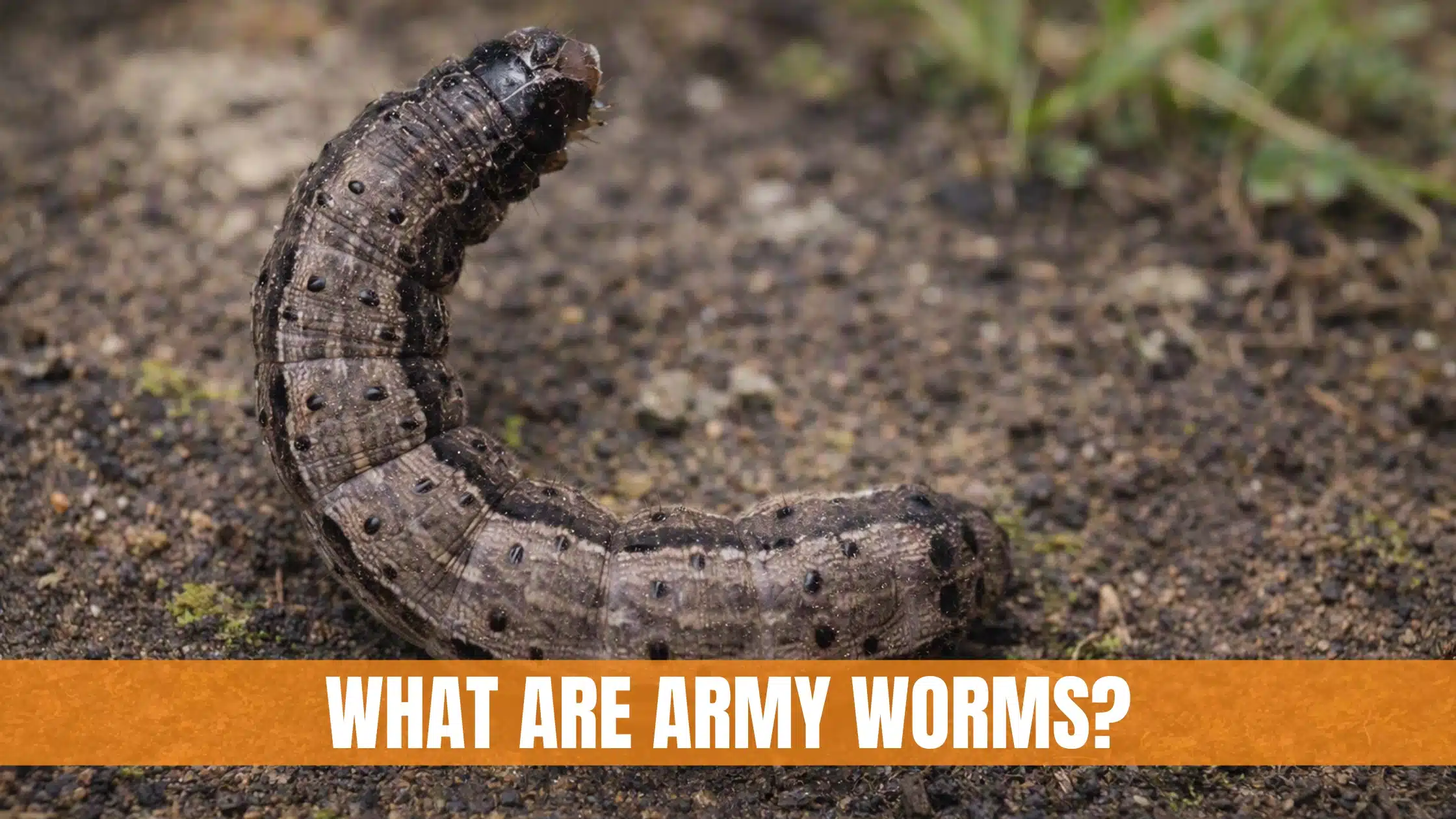
Army worms are the caterpillar larvae of several moth species and are among the most destructive lawn and agricultural pests in Australia. They are known for feeding in large groups, moving across grass and crops like an “army” while rapidly consuming everything in their path. Their feeding activity can quickly destroy healthy lawns, sports fields, pastures, and a wide variety of crops.
In Australia, army worms are a significant concern for homeowners, landscapers, farmers, and turf managers. They thrive during warm weather and can cause extensive damage within just a few days if left untreated. Early signs of an infestation include brown patches on lawns, chewed grass blades, and increased bird activity feeding on the caterpillars. Army worms are among the most destructive lawn and garden pests found in Australia, capable of causing extensive damage to turf, pastures, and crops within days. While many Sydney homeowners are familiar with household pests such as cockroaches, termites, ants, rodents, spiders, and bed bugs, army worms present a unique challenge by attacking outdoor landscapes instead of indoor living spaces. Whether you’re dealing with lawn pests or household infestations, early detection and professional Sydney Pest Control are essential for protecting your property, reducing repair costs, and preventing long-term pest problems.
What Do Army Worms Look Like?
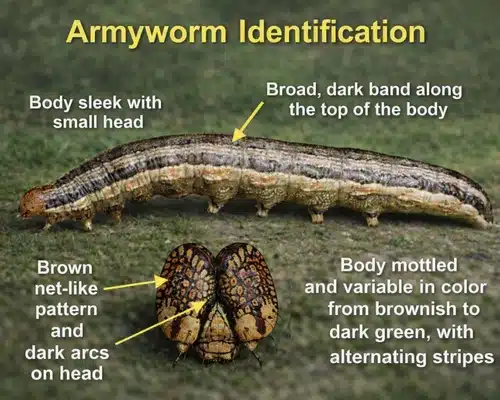
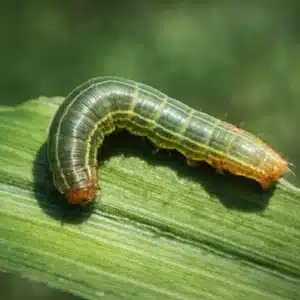
Army worms are the caterpillar stage of several moth species and are easily recognised by their long, smooth, cylindrical bodies. They typically measure 30–40 mm in length when fully grown and vary in colour from green and brown to grey, depending on their species and stage of development. Most army worms have distinctive light and dark longitudinal stripes running along their bodies, while their heads are usually darker with mottled or patterned markings.
Key Identification Features
- It grows up to 40 mm long.
- Smooth, cylindrical body with no dense hairs.
- Colours range from green, brown, and grey.
- Distinctive stripes running the length of the body.
- Dark brown or black patterned head capsule.
- Curl into a “C” shape when disturbed.
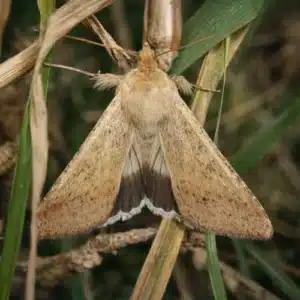
Army worms are primarily nocturnal, feeding aggressively on lawns, turf, pasture, and crops during the night. During the day, they hide beneath soil, thatch, leaf litter, or other sheltered areas to avoid predators and hot temperatures. After completing their larval stage, they pupate in the soil before emerging as brown moths, which lay eggs and begin the next generation. Early identification of army worms is essential to prevent widespread lawn and crop damage and to ensure timely, effective pest control.
Life Cycle Of Army Worms Explained
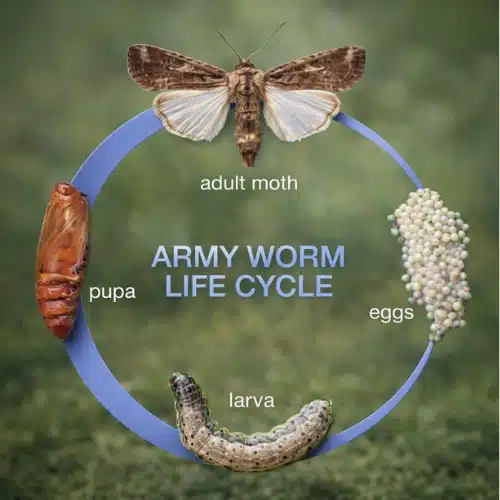
Understanding the army worm life cycle is essential for early detection and effective pest control. Army worms develop through four distinct life stages, and knowing when they are most active can help prevent serious damage to lawns, turf, gardens, and crops. During warm Australian conditions, the complete life cycle can be completed in just 4–6 weeks, allowing multiple generations to develop in a single season.
The Four Stages of the Army Worm Life Cycle
- Egg Stage (2–10 Days): Adult female moths lay clusters of eggs on grass blades, leaves, or nearby surfaces. The eggs are often covered with fuzzy scales from the female’s body for protection.
- Larval Stage (14–30 Days): This is the most destructive stage. Newly hatched larvae feed aggressively on grass, turf, and crops, growing rapidly while shedding their skin several times before reaching maturity.
- Pupal Stage (10–14 Days): Mature larvae burrow into the soil and form brown pupae, where they undergo metamorphosis into adult moths.
- Adult Stage (7–14 Days): Adult brown moths emerge, mate, and lay new egg clusters. While adult moths do not damage lawns, they begin the next infestation cycle.
Because army worms reproduce quickly during warm weather, early identification and prompt treatment are crucial to preventing widespread lawn and crop damage.
Where Do Army Worms Live?
Army worms thrive in warm, humid environments and are most active during the warmer months, particularly after periods of rainfall. They prefer areas with abundant vegetation, making lawns, sports fields, golf courses, parks, pastures, and agricultural crops ideal habitats. In Australia, army worms are commonly found feeding on turfgrass, cereal crops, maize, and various leafy plants.
Common Places Where Army Worms Live
- Residential lawns and gardens
- Sports fields and golf courses
- Pastures and grazing land
- Cereal crops, including wheat, barley, and maize
- Vegetable gardens and ornamental plants
- Parks and landscaped areas
Army worms are primarily nocturnal, feeding on grass blades and plant foliage during the night. Throughout the day, they remain hidden beneath soil, lawn thatch, mulch, leaf litter, or other sheltered areas, making infestations difficult to detect in the early stages. As they mature, the larvae often move together in large groups, rapidly spreading across lawns and crops while consuming everything in their path. Under favourable weather conditions, the complete life cycle can occur several times in a single season, resulting in repeated infestations. Regular lawn inspections and early pest control are essential to detect army worms before they cause significant damage to turf, gardens, or agricultural crops.
Common Types of Army Worms in Australia
Australia is home to several army worm species that pose a serious threat to lawns, sports fields, pastures, and agricultural crops. These destructive caterpillars feed in large groups, rapidly stripping grass and plant foliage, often leaving behind severe damage within just a few days. Army worm infestations are most common during late summer and autumn, especially after rainfall when warm, humid conditions encourage breeding and feeding activity.
Early identification of the species is essential for effective treatment and preventing widespread lawn or crop damage.
1. Common Army Worm (Mythimna convecta)
Identification
- Green to brown caterpillar
- Three light-coloured stripes along the back
- Grows up to 40 mm long
Where They Live
- Found throughout Australia
- Common in wheat, barley, oats, maize, pastures, and residential lawns
Why They’re a Problem
- Feed heavily on cereal crops and pasture grasses
- Damage leaves and stems, reducing crop yields
- Can quickly destroy lawns during severe infestations
2. Fall Army Worm (Spodoptera frugiperda)
Identification
- Brownish-green body
- Distinctive inverted “Y” marking on the head
- Four dark spots near the rear of the body
- Reaches up to 40 mm in length
Where They Live
- Originally detected in northern Queensland
- Now found across many parts of Australia
- Infests maize, sorghum, sugarcane, vegetables, and more than 350 plant species
Why They’re a Problem
- Extremely aggressive feeders
- Cause severe crop damage within days
- Reproduce rapidly and have developed resistance to some insecticides
- Considered one of Australia’s most destructive agricultural pests
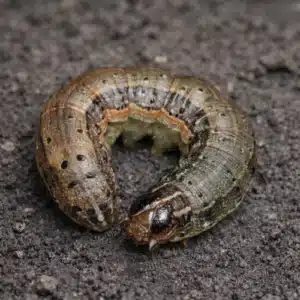
3. Lawn Army Worm (Spodoptera mauritia)
Identification
- Greenish-brown caterpillar
- Dark longitudinal stripes along the body
- Mature larvae grow to approximately 35 mm
Where They Live
- Residential lawns
- Parks and gardens
- Golf courses
- Sports fields
- Well-watered pastures
Why They’re a Problem
- Feed aggressively on turfgrass
- Create large brown or bare patches on lawns
- Can destroy healthy turf almost overnight
- Severe infestations may require complete lawn restoration
Why Early Identification Matters
Regardless of the species, army worms reproduce quickly and can spread rapidly during favourable weather conditions. Watch for these common warning signs:
- Brown or thinning patches in lawns
- Grass blades chewed down to the stems
- Increased bird activity feeding on caterpillars
- Caterpillars hiding beneath thatch or soil during the day
- Rapid deterioration of turf after rainfall
Prompt identification and professional pest control treatment can prevent extensive damage to lawns, gardens, sports fields, and agricultural crops, helping protect your landscape from costly repairs and recurring infestations.
How to Identify Army Worms Infestations
Early detection of an army worm infestation is essential to minimise damage to lawns, gardens, sports fields, and agricultural crops. Because army worms feed mainly at night and hide during the day, infestations often go unnoticed until significant damage has already occurred. Knowing the warning signs can help you take prompt action and protect your property.
Common Signs of an Army Worm Infestation
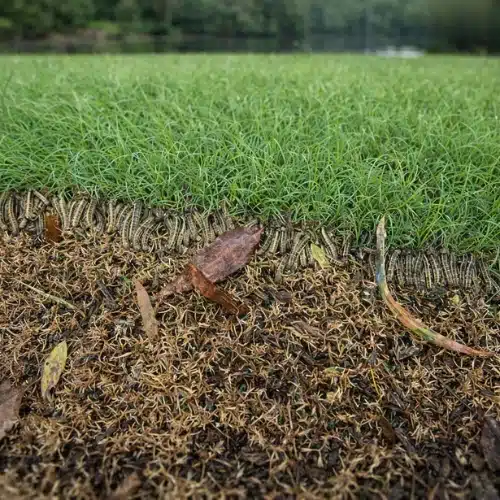
- Rapid Lawn or Crop Damage: Healthy grass or crops suddenly develop brown, bare, or scalped patches as army worms feed aggressively on leaves and stems, often causing noticeable damage overnight.
- Visible Caterpillars: During the evening or at night, green, brown, or grey striped caterpillars measuring up to 40 mm long can be seen feeding in groups. During the day, they hide beneath soil, lawn thatch, mulch, or leaf litter.
- Increased Moth Activity: A rise in brown moths around your lawn or garden, particularly at dusk, may indicate that eggs have recently been laid and an infestation is about to develop.
- Frass (Droppings): Small black or dark green pellet-like droppings scattered across the lawn or around damaged plants are a strong sign of active feeding.
- Large-Scale Movement: Army worms move together in large groups, quickly spreading from one section of lawn or crop to another as food sources become depleted.
- Extensive Turf and Crop Damage: Severe infestations can destroy lawns, sports fields, golf courses, pastures, maize, sugarcane, and cereal crops within just a few days, resulting in costly repairs and reduced yields.
How to Prevent Army Worms Infestations
Army worms are among the most destructive lawn and crop pests in Australia, capable of causing significant damage to turf, gardens, sports fields, and agricultural crops within a short period. Since these caterpillars reproduce rapidly during warm, humid conditions, prevention is the most effective way to protect your property. Regular lawn maintenance, early monitoring, and prompt action can greatly reduce the risk of an infestation.
Tips to Prevent Army Worm Infestations
- Maintain a Healthy Lawn: Keep your lawn well-watered, fertilised, and regularly mowed. Healthy, dense turf is more resistant to army worm damage and provides fewer places for moths to lay eggs.
- Reduce Outdoor Lighting: Adult moths are attracted to bright lights at night. Minimising unnecessary outdoor lighting near lawns and gardens can help reduce egg-laying activity.
- Inspect Your Lawn Regularly: Check your lawn, gardens, and crops after rainfall, especially during late summer and autumn. Look for brown patches, chewed grass blades, caterpillars, or unusual bird activity.
- Remove Thatch and Garden Debris: Regularly dethatch lawns and clear away fallen leaves, mulch, and plant debris where army worms hide during the day.
- Monitor Moth Activity: Increased moth activity around your property at dusk may indicate that eggs are being laid. Early detection allows for quicker treatment before larvae begin feeding.
- Act Quickly: If you notice caterpillars or fresh lawn damage, take immediate action. Army worms feed and spread rapidly, so early treatment helps prevent extensive lawn, turf, and crop damage.
How to Get Rid of an Army Worm Infestation
Army worms can cause extensive damage to lawns, sports fields, gardens, and agricultural crops within just a few days. Because these destructive caterpillars feed mainly at night and hide in soil or lawn thatch during the day, infestations are often discovered only after noticeable damage has occurred. Acting quickly is essential to minimise losses and prevent the infestation from spreading.
Effective Ways to Get Rid of Army Worms
- Apply Suitable Lawn Insecticides: For small infestations, use a registered lawn or garden insecticide according to the manufacturer’s instructions. Apply treatments during the late afternoon or evening when army worms are actively feeding for the best results.
- Water and Restore Damaged Turf: Deep watering, proper fertilisation, and regular lawn care help strengthen grass and encourage recovery after feeding damage. Severely affected areas may require reseeding or turf replacement.
- Encourage Natural Predators: Birds, parasitic wasps, spiders, and beneficial beetles naturally feed on army worms. Creating a healthy garden ecosystem can help reduce future infestations.
- Inspect Your Property Frequently: During warm and wet seasons, regularly check lawns, gardens, and crops for chewed grass, brown patches, caterpillars, or frass (droppings). Early detection allows faster treatment and limits damage.
- Seek Professional Pest Control: If the infestation is widespread or continues after DIY treatments, contact a licensed pest control professional. Expert treatments target army worms at every life stage, helping eliminate infestations quickly and protect your lawn from recurring outbreaks.
Professional Army Worms Treatments
When an army worm infestation becomes widespread or causes significant lawn or crop damage, professional pest control is often the most effective solution. Licensed pest control technicians use advanced treatment methods and commercial-grade products to eliminate army worms quickly while reducing the risk of future outbreaks. Professional treatments are tailored to the severity of the infestation and the type of property, ensuring safe and long-lasting results.
Professional Army Worm Treatment Options
- Targeted Insecticide Applications: Pest control specialists apply commercial-grade insecticides that penetrate turf, soil, and lawn thatch more effectively than most DIY products. These treatments target active larvae while minimising the impact on beneficial insects and the surrounding environment.
- Large-Scale Lawn and Crop Management: For farms, sports fields, golf courses, and commercial properties, professionals may use specialised spraying or baiting programs to control large infestations efficiently and prevent widespread damage.
- Integrated Pest Management (IPM): Experts combine chemical treatments with preventive strategies such as lawn maintenance, thatch reduction, improved drainage, and regular monitoring to reduce the likelihood of recurring infestations.
- Follow-Up Inspections and Monitoring: Since multiple generations of army worms can develop during warm weather, follow-up visits help detect new activity early, apply additional treatments if required, and provide expert advice to keep your lawn, garden, or crops healthy and protected throughout the season.
When To Call a Pest Control Professional
Army worms can rapidly destroy lawns, sports fields, gardens, and crops if left untreated. Acting quickly is essential to minimise damage and prevent costly repairs. While minor infestations may respond to early treatment, severe outbreaks often require professional pest control for complete eradication.
EMK Termite & Pest Control Sydney provides safe, effective, and long-lasting army worm treatments tailored to residential, commercial, and agricultural properties. Our experienced technicians accurately identify the infestation, apply targeted treatments, and offer practical prevention strategies to reduce the risk of future outbreaks.
Don’t let army worms destroy your lawn or crops. Contact EMK Termite & Pest Control Sydney today on 402-343-590 to book a professional inspection and protect your property with reliable, expert pest control solutions.
What Our Customers Had To Say
 Posted on Google
 Rami Anwer
Trustindex verifies that the original source of the review is Google.
We had such a great experience with the pest control service. From start to finish, everything was quick, easy and completely hassle-free. The team were professional, friendly and made the whole process so simple. We’re really happy with the results and the quality of the service we received from Eevil. I would definitely recommend EMK to anyone looking for a reliable pest control company!Posted on Google Rena NajimReally happy with the service today. Professional, friendly and did a great job. Would definitely recommend!Posted on Google
 David DavidEMK provided excellent pest control service. He was professional, punctual, and knowledgeable, explained the process clearly, and ensured it was safe for our family and pets. We saw great results straight away. Friendly, reliable, and highly recommended.Posted on Google
 Ann TranWe highly recommend EMK Termite and Pest Control Sydney. Great service, great prices, friendly and very accommodating. They are very thorough and take pride in their work. Cannot rate them high enough. 5 stars 🌟Posted on Google
 Charlton DurieI had these guys come and sort a termite issue. They got the job done. Thanks again!Posted on Google
 David MarshSuper happy with EMK for getting rid of such a horrible termite infestation! Professional and very friendly.Posted on Google
 Michael ZammitJust had EMK come out to do a rodent control treatment. The service and professionalism was superb!Verified by TrustindexTrustindex verified badge is the Universal Symbol of Trust. Only the greatest companies can get the verified badge who has a review score above 4.5, based on customer reviews over the past 12 months. Read more
Frequently Asked Questions (FAQ) About Army Worms
How can I identify an army worm infestation in my lawn?
Where do army worms come from?
Are army worms dangerous to humans or pets?
What do army worms eat?
What time of year are army worms most active in Australia?
Can I get rid of army worms myself?
Is professional pest control safer than DIY treatments?
How long does it take for army worms to damage a lawn?
When should I call a professional pest control company?
About The Author

EMK Termite & Pest Control Team
EMK Termite & Pest Control Team is a licensed and experienced pest control service provider based in Sydney, Australia. Our team specialises in termite treatment, cockroach control, spider control, and general pest management for residential and commercial properties.
With years of hands-on experience, we follow Australian safety standards and use proven, eco-friendly pest control methods to deliver long-lasting results. All content published on this website is written and reviewed by trained pest control professionals to ensure accuracy, safety, and real-world expertise.