
Content Published : July 27, 2026
How Long Do Mosquitoes Live For- Understanding Life Span of Mosquitoes
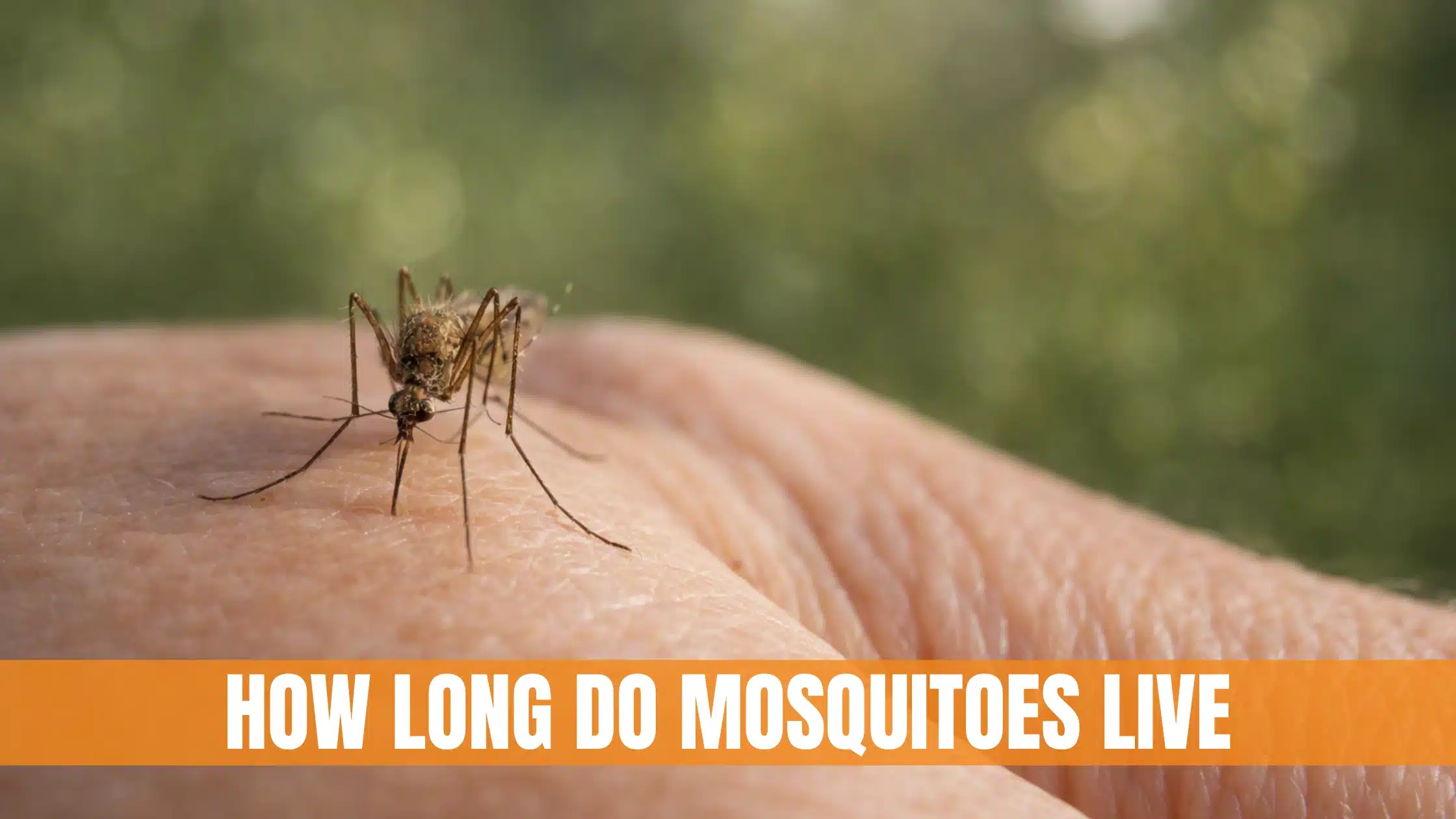
Mosquitoes are small flying insects that are well known for their itchy bites and their ability to spread harmful diseases to humans and pets. Although they are tiny, mosquitoes can become a major nuisance, especially during Sydney’s warmer months when their numbers increase rapidly. Understanding how long do mosquitoes live can help homeowners take the right steps to prevent infestations and reduce health risks.
So, how long do mosquitoes live for? The lifespan of a mosquito depends on its species, gender, and environmental conditions. Male mosquitoes generally live for one to two weeks, feeding mainly on plant nectar. Female mosquitoes, which bite humans and animals for blood to produce eggs, usually survive two to four weeks and can sometimes live for over a month in ideal conditions. During their lifetime, a single female can lay hundreds of eggs, allowing mosquito populations to grow quickly.
As older mosquitoes die, new generations continue to hatch, making infestations difficult to control without effective prevention measures. Eliminating standing water, maintaining clean outdoor spaces, and using professional mosquito pest control services are the most effective ways to reduce mosquito populations. In this article, we’ll explain how long do mosquitoes live for, the factors that affect their lifespan, and the best ways to keep them under control.
The Life Cycle Of The Mosquito
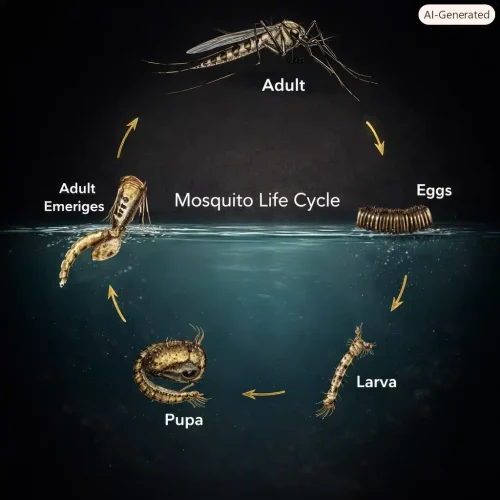
Mosquitoes begin their life cycle as eggs laid by female mosquitoes in standing or stagnant water, even in small puddles after rainfall. Once the eggs hatch, the larvae live in water, feeding and growing while breathing near the surface. They then develop into pupae, a non-feeding stage where they prepare for adulthood. Finally, adult mosquitoes emerge, rest on the water until their wings dry, and fly away. Female mosquitoes seek blood meals to produce eggs, while males feed on nectar. This continuous life cycle allows mosquito populations to grow rapidly, making mosquito control essential for long-term prevention.
Egg Stage: Female mosquitoes lay their eggs in standing or stagnant water, where they develop under suitable environmental conditions. Most species lay eggs in floating clusters, known as rafts, on the water’s surface. However, species such as Aedes aegypti lay their eggs individually in damp areas near water, where the eggs can remain dormant until rising water levels trigger hatching. Depending on the temperature and humidity, mosquito eggs typically hatch into larvae within a few days.
Larva Stage: The mosquito larval stage typically lasts 4 to 14 days, depending on temperature and water conditions. Newly hatched larvae, often called wrigglers, begin feeding on organic matter, algae, and microorganisms found in standing water. As they grow, they pass through four developmental stages (instars) before transforming into pupae. Common mosquito species, including Culex pipiens and Aedes albopictus, follow this life cycle.
Pupa Stage: The mosquito pupal stage lasts approximately 1 to 4 days. During this period, mosquitoes do not feed but remain active and responsive to movement. Commonly known as tumblers, pupae float near the water’s surface and quickly dive when disturbed. This is the final stage of the mosquito life cycle before adult mosquitoes emerge. As soon as their wings dry, they begin flying, making early mosquito control essential to prevent new infestations.
Adult Stage: After emerging from the pupal stage, adult mosquitoes rest on the water’s surface until their wings are fully dry and ready for flight. Male mosquitoes feed mainly on nectar, while females require a blood meal to produce eggs. Some species, including Anopheles and Culex pipiens, can survive colder months by overwintering in sheltered locations.
Factors That Affect The Mosquito Lifespan
The lifespan of a mosquito depends on several environmental and biological factors. Understanding these influences can help homeowners reduce mosquito populations and improve the effectiveness of mosquito infestation measures.
Temperature and Humidity: Warm, humid weather creates ideal conditions for mosquitoes to develop, breed, and survive longer. Higher temperatures speed up their life cycle, while excessive heat or cold can reduce their lifespan.
Food Availability: Male mosquitoes feed on nectar and other plant sugars for energy. Female mosquitoes also consume nectar but require blood meals from humans or animals to produce eggs. A reliable food source allows mosquitoes to reproduce and survive for longer periods.
Natural Predators: Mosquitoes are an important food source for many animals, including fish, frogs, dragonflies, birds, and bats. These natural predators help keep mosquito populations under control by feeding on their eggs, larvae, pupae, and adults.
Pesticides and Environmental Conditions: Professional mosquito control treatments, insecticides, and habitat management significantly reduce mosquito numbers and shorten their lifespan. Removing standing water, maintaining clean surroundings, and eliminating breeding sites also prevent mosquitoes from completing their life cycle.
By understanding these factors, property owners can take proactive steps to minimise mosquito breeding, reduce infestations, and create a safer, healthier outdoor environment.
How Long Do Mosquitoes Live?
The mosquito lifespan varies depending on the species, climate, food availability, and environmental conditions. Generally, male mosquitoes live for only 1 to 2 weeks. Their primary purpose is to mate with females, after which they usually die. Unlike females, male mosquitoes feed exclusively on plant nectar and do not bite humans or animals.
Female mosquitoes have a longer lifespan, typically surviving for 2 to 4 weeks. Under ideal conditions, such as warm temperatures, high humidity, and easy access to food, some species can live for 6 to 8 weeks. During their lifetime, females require blood meals to produce eggs and may lay several batches, allowing mosquito populations to grow rapidly.
The longer lifespan of female mosquitoes is a significant public health concern because it gives them more opportunities to transmit diseases such as dengue, malaria, Ross River virus, and other mosquito-borne illnesses. Their ability to survive for several weeks also increases the chances of repeated breeding cycles.
Seasonal changes have a major impact on how long mosquitoes live. During colder months, lower temperatures and reduced food availability slow their development and shorten their lifespan. In contrast, warm and humid conditions encourage faster breeding and improve survival rates, making mosquito activity much higher during spring and summer. Understanding these factors helps explain why mosquito populations fluctuate throughout the year.
How To Reduce The Mosquito Lifespan
Reducing mosquito numbers starts with making your property less attractive for breeding and survival. By removing breeding sites and limiting access to shelter, you can significantly reduce mosquito activity around your home.
Eliminate Standing Water: Mosquitoes lay their eggs in stagnant water, so regularly empty or refresh water in birdbaths, pet bowls, flower pots, buckets, tyres, and clogged gutters. Even small amounts of standing water can become breeding grounds.
Use Mosquito Traps and Repellents: Install mosquito traps in outdoor areas to help reduce adult mosquito populations. When spending time outdoors, use insect repellents containing effective ingredients such as DEET or picaridin, and consider mosquito coils or outdoor sprays for added protection.
Maintain Your Garden: Keep your lawn mowed, trim overgrown shrubs, and remove dense vegetation where mosquitoes like to rest during the day. Proper landscaping improves airflow and reduces cool, shaded hiding spots.
Install Protective Barriers: Fit flyscreens on windows and doors, repair any damaged screens, and use mosquito nets where necessary to prevent mosquitoes from entering your home.
By following these simple prevention measures, you can create a less favourable environment for mosquitoes, minimise breeding opportunities, and enjoy a safer, more comfortable outdoor living space throughout the year.
Female vs Male Mosquito Lifespans
The lifespan of a mosquito varies significantly between males and females due to their different roles in reproduction and feeding habits. Understanding these differences can help explain why female mosquitoes are responsible for most mosquito-related problems.
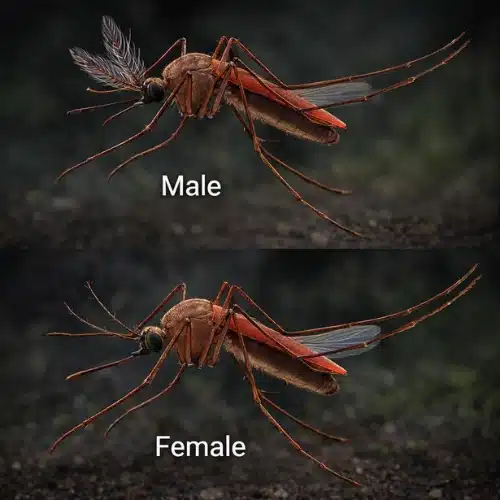
Male mosquitoes generally live for 1 to 2 weeks. They feed exclusively on nectar and plant sugars, which provide the energy needed for survival and mating. Their primary purpose is to fertilise female mosquitoes, and they usually die shortly after mating. Male mosquitoes do not bite humans or animals because they do not require blood to survive.
Female mosquitoes have a much longer lifespan, typically living 2 to 4 weeks. Under favourable conditions, such as warm temperatures and high humidity, some females can survive for up to a month or even longer. Unlike males, female mosquitoes need blood meals to obtain the nutrients required for egg production. During their lifetime, a single female can lay multiple batches of eggs, with each batch containing hundreds of eggs.
Because female mosquitoes live longer and reproduce several times, they have more opportunities to bite humans and animals and spread mosquito-borne diseases. This longer lifespan also allows mosquito populations to grow rapidly, especially during warm and humid seasons when breeding conditions are ideal.
Professional Mosquito Control vs. DIY Methods
| Feature | DIY Mosquito Control | Professional Mosquito Control |
|---|---|---|
| Effectiveness | Temporary relief from mosquitoes. | Long-lasting and more effective results. |
| Breeding Sites | Removes visible standing water only. | Finds and treats hidden breeding areas. |
| Treatment | Uses repellents, sprays, and home remedies. | Uses professional-grade treatments for adults and larvae. |
| Inspection | Limited self-checks. | Complete property inspection by experts. |
| Prevention | Basic maintenance and regular cleaning. | Tailored prevention advice for long-term protection. |
| Best For | Small or occasional mosquito problems. | Persistent or severe mosquito infestations. |
| Results | Needs frequent repetition. | Targets the root cause with longer-lasting protection. |
Mosquito Prevention Tips
Preventing mosquitoes starts with eliminating the conditions they need to breed and survive. Since mosquitoes lay their eggs in standing water, keeping your property clean and well-maintained is one of the most effective ways to reduce their population. Follow these simple mosquito prevention tips to protect your home and outdoor spaces:
- Remove standing water from buckets, flower pot saucers, tyres, tarps, and children’s paddling pools.
- Clean gutters regularly to ensure rainwater drains properly and doesn’t accumulate.
- Improve yard drainage by filling low-lying areas where water tends to collect after rainfall.
- Refresh birdbaths every 3–5 days to prevent mosquito eggs and larvae from developing.
- Keep your garden tidy by removing leaves, garden waste, and other debris that can trap water.
- Trim overgrown grass, hedges, and shrubs to reduce cool, shaded resting spots for adult mosquitoes.
- Repair leaking taps and outdoor pipes to eliminate unnecessary water sources.
- Install flyscreens on windows and doors to help prevent mosquitoes from entering your home.
While these preventive measures can significantly reduce mosquito breeding opportunities, they may not completely eliminate mosquitoes during peak breeding seasons. If mosquito activity persists despite your efforts, a professional inspection and targeted treatment can help identify hidden breeding areas and provide a more effective, long-term solution for keeping your property comfortable and mosquito-free.
Conclusion
Understanding how long mosquitoes live and their life cycle is essential for preventing infestations. Male mosquitoes typically live 1–2 weeks, while females can survive 2–4 weeks or longer under favourable conditions. Their life cycle includes four stages: egg, larva, pupa, and adult, with lifespan influenced by species, temperature, and environment. Although mosquitoes play a role in the ecosystem, they are also known for spreading harmful diseases. If you’re dealing with persistent mosquito problems, EMK Termite & Pest Control Sydney offers safe and effective mosquito control solutions. Contact our team today for professional, long-lasting protection and a mosquito-free property.
What Our Customers Had To Say
 Posted on Google
 Rami Anwer
Trustindex verifies that the original source of the review is Google.
We had such a great experience with the pest control service. From start to finish, everything was quick, easy and completely hassle-free. The team were professional, friendly and made the whole process so simple. We’re really happy with the results and the quality of the service we received from Eevil. I would definitely recommend EMK to anyone looking for a reliable pest control company!Posted on Google Rena NajimReally happy with the service today. Professional, friendly and did a great job. Would definitely recommend!Posted on Google
 David DavidEMK provided excellent pest control service. He was professional, punctual, and knowledgeable, explained the process clearly, and ensured it was safe for our family and pets. We saw great results straight away. Friendly, reliable, and highly recommended.Posted on Google
 Ann TranWe highly recommend EMK Termite and Pest Control Sydney. Great service, great prices, friendly and very accommodating. They are very thorough and take pride in their work. Cannot rate them high enough. 5 stars 🌟Posted on Google
 Charlton DurieI had these guys come and sort a termite issue. They got the job done. Thanks again!Posted on Google
 David MarshSuper happy with EMK for getting rid of such a horrible termite infestation! Professional and very friendly.Posted on Google
 Michael ZammitJust had EMK come out to do a rodent control treatment. The service and professionalism was superb!Verified by TrustindexTrustindex verified badge is the Universal Symbol of Trust. Only the greatest companies can get the verified badge who has a review score above 4.5, based on customer reviews over the past 12 months. Read more
Frequently Asked Questions (FAQ) About How Long Do Mosquitoes Live
How long do mosquitoes live?
Why do female mosquitoes live longer than males?
What is the life cycle of a mosquito?
Where do mosquitoes lay their eggs?
How long do mosquito eggs take to hatch?
What do mosquito larvae eat?
What factors affect the lifespan of mosquitoes?
Can mosquitoes survive during winter?
How can I reduce mosquito breeding around my home?
When should I call a professional mosquito control service?
About The Author

EMK Termite & Pest Control Team
EMK Termite & Pest Control Team is a licensed and experienced pest control service provider based in Sydney, Australia. Our team specialises in termite treatment, cockroach control, spider control, and general pest management for residential and commercial properties.
With years of hands-on experience, we follow Australian safety standards and use proven, eco-friendly pest control methods to deliver long-lasting results. All content published on this website is written and reviewed by trained pest control professionals to ensure accuracy, safety, and real-world expertise.