
Content Published : July 29, 2026
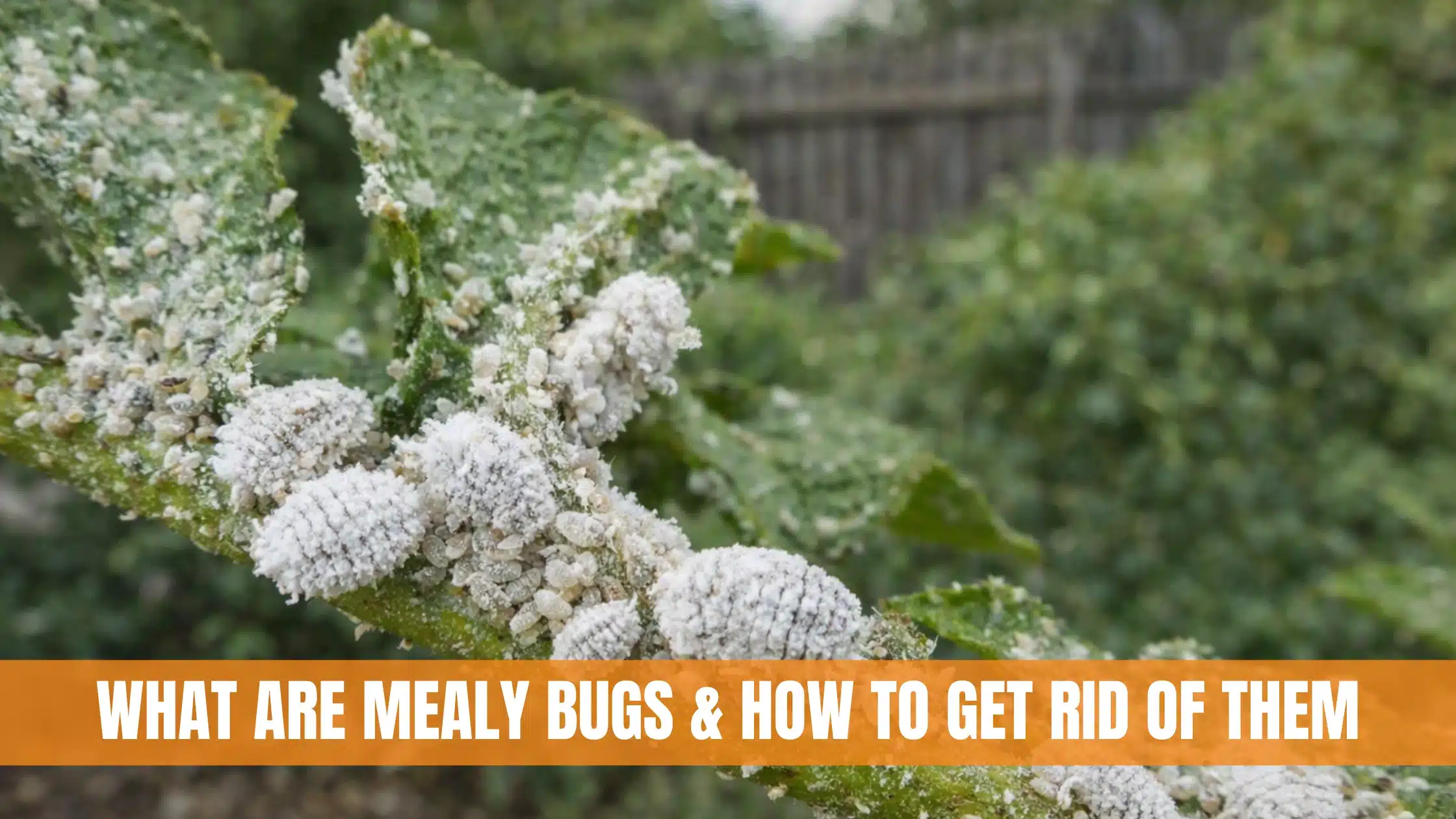
What Are Mealy Bugs & How to Get Rid of Them
Mealybugs (family Pseudococcidae) are small, soft-bodied, sap-sucking insects that are closely related to scale insects. These pests feed by extracting sap from plants, reducing their access to essential nutrients and weakening their overall health. If left untreated, mealybug infestations can stunt plant growth, damage foliage, and reduce flowering and fruit production.
Australia is home to more than 200 species of mealybugs, including both native and introduced varieties. However, the species most commonly found damaging home gardens and ornamental plants are generally introduced pests. Some of the most widespread species include the Citrus Mealybug (Planococcus citri), Citrophilous Mealybug (Pseudococcus calceolariae), Hibiscus Mealybug (Maconellicoccus hirsutus), Longtailed Mealybug (Pseudococcus longispinus), and Obscure Mealybug (Pseudococcus viburni). Among these, the Citrophilous Mealybug is native to Australia, while the others have been introduced.
Heavy mealybug infestations can cause serious plant damage, including yellowing leaves, wilting, distorted new growth, and premature leaf drop. These insects also produce a sticky substance known as honeydew, which encourages the growth of black sooty mould. This mould blocks sunlight from reaching leaves, reducing photosynthesis and further weakening the plant, making early detection and effective control essential.
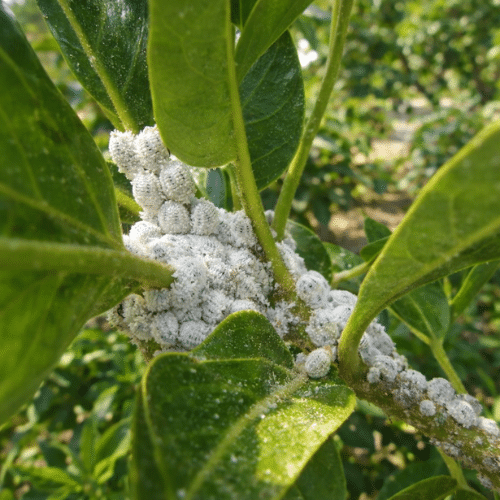
What Do Mealy Bugs Look Like?
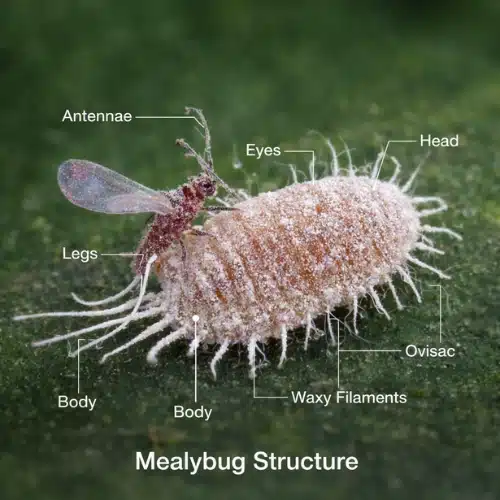
Mealybugs are small, soft-bodied insects that are easy to recognise by their white, cotton-like or powdery wax coating. This wax gives them a distinctive “mealy” appearance and helps protect them from predators and harsh environmental conditions. Most female mealybugs are oval-shaped, wingless, and measure less than 5 mm in length. Depending on the species, they may have short waxy filaments around the edges of their bodies, while some species feature long tail-like filaments extending from the rear.
Female mealybugs lay their eggs inside a white, fluffy mass of waxy threads called an egg sac. The eggs are usually pale yellow or orange and remain protected until they hatch.
Newly hatched nymphs, commonly known as crawlers, are tiny, yellowish-brown insects without the characteristic waxy coating. As they mature, female nymphs gradually develop the white wax covering during their second growth stage, making them resemble adult females.
Adult male mealybugs are rarely seen because they are small, winged insects measuring only about 1 mm in length. Unlike females, adult males do not feed and survive only long enough to mate. Recognising these different life stages can help identify a mealybug infestation early, allowing prompt treatment before significant damage occurs to your plants.
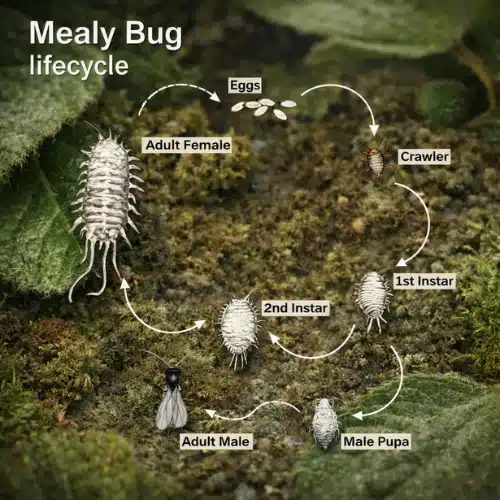
What's the Mealy Bugs Lifecycle?
Understanding the mealybug life cycle is essential for identifying infestations early and choosing the most effective control method. Mealybugs go through several life stages, and each stage plays a role in the rapid spread of these plant pests.
Egg Stage
- Female mealybugs lay hundreds of eggs inside a white, cotton-like egg sac made from waxy threads.
- Depending on the species, the eggs are pale yellow or orange.
- The protective egg sac shields the eggs until they hatch.
Nymph Stage (Crawlers)
- Newly hatched mealybugs are called crawlers.
- They are tiny, yellowish-brown, highly mobile, and do not yet have the white waxy coating.
- Crawlers move to new parts of the plant to feed on sap and are the primary stage responsible for spreading infestations.
- As female nymphs mature, they gradually develop the distinctive white, powdery wax covering.
Adult Stage
- Adult females are wingless, oval-shaped, and usually less than 5 mm long. Their bodies are covered with a white, waxy coating, and some species have long waxy filaments extending from the rear.
- Adult males are rarely seen. They are tiny, winged insects measuring about 1 mm in length and do not feed. Their sole purpose is to mate before completing their short life cycle.
Because mealybugs reproduce quickly and multiple generations can develop each year in warm conditions, regular plant inspections and early treatment are essential to prevent severe infestations and protect plant health.
What Plants are Impacted by Mealy Bugs
Mealybugs attack a wide variety of plants by feeding on their sap, weakening growth and reducing their ability to produce healthy leaves, flowers, and fruit. These tiny pests often gather on stems, leaves, roots, and leaf joints, where they remain hidden beneath their white, cotton-like wax. Heavy infestations can cause yellowing foliage, wilting, leaf drop, poor growth, and even plant death if left untreated.
Plants commonly affected by mealybugs include:
- Fruit trees: Citrus, fig trees, grapevines, avocado, and other fruit-bearing plants are frequent targets.
- Ornamental plants: Hibiscus, jasmine, gardenia, oleander, fuchsia, roses, and many flowering shrubs can suffer significant damage.
- Succulents and cacti: Their fleshy stems and leaves provide ideal feeding sites for mealybugs.
- Indoor houseplants: Orchids, ficus, palms, philodendrons, ferns, coleus, pothos, and peace lilies are particularly vulnerable.
- Greenhouse plants: Warm, humid conditions encourage rapid breeding, allowing infestations to spread quickly between closely placed plants.
Regularly inspect both indoor and outdoor plants, paying close attention to the undersides of leaves and hidden stem joints. Early detection, proper plant care, pruning heavily infested areas, and timely pest control treatments can prevent mealybugs from spreading and help keep your garden, greenhouse, and houseplants healthy throughout the year
How To Control Mealy Bug Infestation
Treating mealybugs early is the most effective way to protect your plants from serious damage. These sap-sucking pests often hide in leaf joints, under leaves, and along stems, making them difficult to spot until the infestation becomes severe. Regular inspections and prompt action can prevent mealybugs from multiplying and spreading to nearby plants.
Effective Ways to Treat Mealybugs
- Inspect plants regularly: Look for white, cotton-like clusters, sticky honeydew, yellowing leaves, or black sooty mould, especially when watering your plants.
- Remove small infestations: Wipe affected areas with a cotton bud dipped in rubbing alcohol or prune heavily infested stems and leaves.
- Isolate infected plants: Keep affected indoor or outdoor plants away from healthy ones to stop the pests from spreading.
- Check new plants: Always inspect newly purchased plants and cuttings before introducing them to your garden or home.
- Encourage natural predators: Ladybirds and lacewings feed on mealybugs and help keep their populations under control.
- Use suitable insecticides: For severe infestations, apply a horticultural oil, insecticidal soap, or a professional mealybug treatment, ensuring all plant surfaces, including the undersides of leaves, are thoroughly covered. Repeat the treatment as directed to eliminate newly hatched mealybugs.
Consistent monitoring, proper plant care, and early intervention are the best ways to control mealybugs and keep your indoor plants, garden, and greenhouse healthy year-round.
How To Get Rid Of Mealy Bugs
Getting rid of mealybugs requires a combination of regular monitoring, preventive care, and timely treatment. Because these pests reproduce quickly and hide in sheltered areas of plants, early detection is the key to preventing serious infestations. A consistent plant care routine can significantly reduce the risk of mealybug damage.
Monitor Your Plants
- Inspect leaves, stems, and leaf joints regularly, especially while watering.
- Watch for yellowing leaves, stunted growth, white cotton-like clusters, sticky honeydew, or black sooty mould, which are common signs of a mealybug infestation.
- Check both indoor and outdoor plants to catch problems before they spread.
Prevent Mealybug Infestations
- Inspect all new plants and cuttings before bringing them into your home or garden.
- Prune dense foliage to improve airflow and reduce hiding places.
- Remove and dispose of heavily infested leaves or branches immediately.
- Isolate infected plants until the infestation is under control.
- Keep plants healthy with regular watering, feeding, and proper sunlight, as vigorous plants are more resistant to pests.
- Control ants, as they protect mealybugs in exchange for honeydew and can increase infestation levels.
Encourage Natural Predators
Beneficial insects such as ladybirds, lacewings, and parasitic wasps naturally feed on mealybugs and help keep their populations under control. For severe infestations, use an appropriate insecticidal soap, horticultural oil, or seek professional pest control assistance to eliminate mealybugs effectively and protect your plants.

When Should You Call a Professional Pest Control Expert for Mealy Bugs?
While small mealybug infestations can often be managed with regular monitoring and home treatments, severe infestations usually require professional assistance. Mealybugs reproduce rapidly and hide in hard-to-reach areas such as leaf joints, roots, and dense foliage, making them difficult to eliminate completely. If left untreated, they can spread quickly to nearby plants and cause long-term damage.
Consider contacting a professional pest control expert if you notice:
- Large or recurring infestations that continue despite repeated DIY treatments.
- Multiple indoor or outdoor plants showing signs of mealybug activity.
- Heavy honeydew deposits and black sooty mould, indicating a well-established infestation.
- Yellowing leaves, wilting, stunted growth, or leaf drop affecting several plants.
- Root mealybugs attacking potted plants, where the infestation is hidden below the soil.
- Valuable ornamental plants, fruit trees, or greenhouse plants that require specialised care.
- Mealybugs repeatedly return after previous treatments.
A professional pest control specialist can accurately identify the mealybug species, assess the severity of the infestation, and recommend the most effective treatment plan. They use professional-grade products and proven techniques that target both visible insects and hidden colonies, helping prevent future outbreaks.
If your mealybug problem is spreading or becoming difficult to manage, don’t wait until your plants suffer permanent damage. EMK Termite & Pest Control Sydney provides safe, reliable, and effective pest management solutions to protect your garden, greenhouse, and indoor plants from persistent mealybug infestations.
What Our Customers Had To Say
 Posted on Google
 Rami Anwer
Trustindex verifies that the original source of the review is Google.
We had such a great experience with the pest control service. From start to finish, everything was quick, easy and completely hassle-free. The team were professional, friendly and made the whole process so simple. We’re really happy with the results and the quality of the service we received from Eevil. I would definitely recommend EMK to anyone looking for a reliable pest control company!Posted on Google Rena NajimReally happy with the service today. Professional, friendly and did a great job. Would definitely recommend!Posted on Google
 David DavidEMK provided excellent pest control service. He was professional, punctual, and knowledgeable, explained the process clearly, and ensured it was safe for our family and pets. We saw great results straight away. Friendly, reliable, and highly recommended.Posted on Google
 Ann TranWe highly recommend EMK Termite and Pest Control Sydney. Great service, great prices, friendly and very accommodating. They are very thorough and take pride in their work. Cannot rate them high enough. 5 stars 🌟Posted on Google
 Charlton DurieI had these guys come and sort a termite issue. They got the job done. Thanks again!Posted on Google
 David MarshSuper happy with EMK for getting rid of such a horrible termite infestation! Professional and very friendly.Posted on Google
 Michael ZammitJust had EMK come out to do a rodent control treatment. The service and professionalism was superb!Verified by TrustindexTrustindex verified badge is the Universal Symbol of Trust. Only the greatest companies can get the verified badge who has a review score above 4.5, based on customer reviews over the past 12 months. Read more
Frequently Asked Questions (FAQ) About Mealy Bugs
What are mealybugs?
How do I identify a mealybug infestation?
What plants do mealybugs attack?
Are mealybugs harmful to humans?
How do mealybugs spread?
What causes mealybug infestations?
Can I get rid of mealybugs naturally?
When should I call a professional pest control expert?
Do mealybugs come back after treatment?
What time of year are mealybugs most active?
How can EMK Termite & Pest Control Sydney help with mealybug infestations?
About The Author

EMK Termite & Pest Control Team
EMK Termite & Pest Control Team is a licensed and experienced pest control service provider based in Sydney, Australia. Our team specialises in termite treatment, cockroach control, spider control, and general pest management for residential and commercial properties.
With years of hands-on experience, we follow Australian safety standards and use proven, eco-friendly pest control methods to deliver long-lasting results. All content published on this website is written and reviewed by trained pest control professionals to ensure accuracy, safety, and real-world expertise.