
Content Published : August 6, 2026
What Is a Gopher And How to Identify?
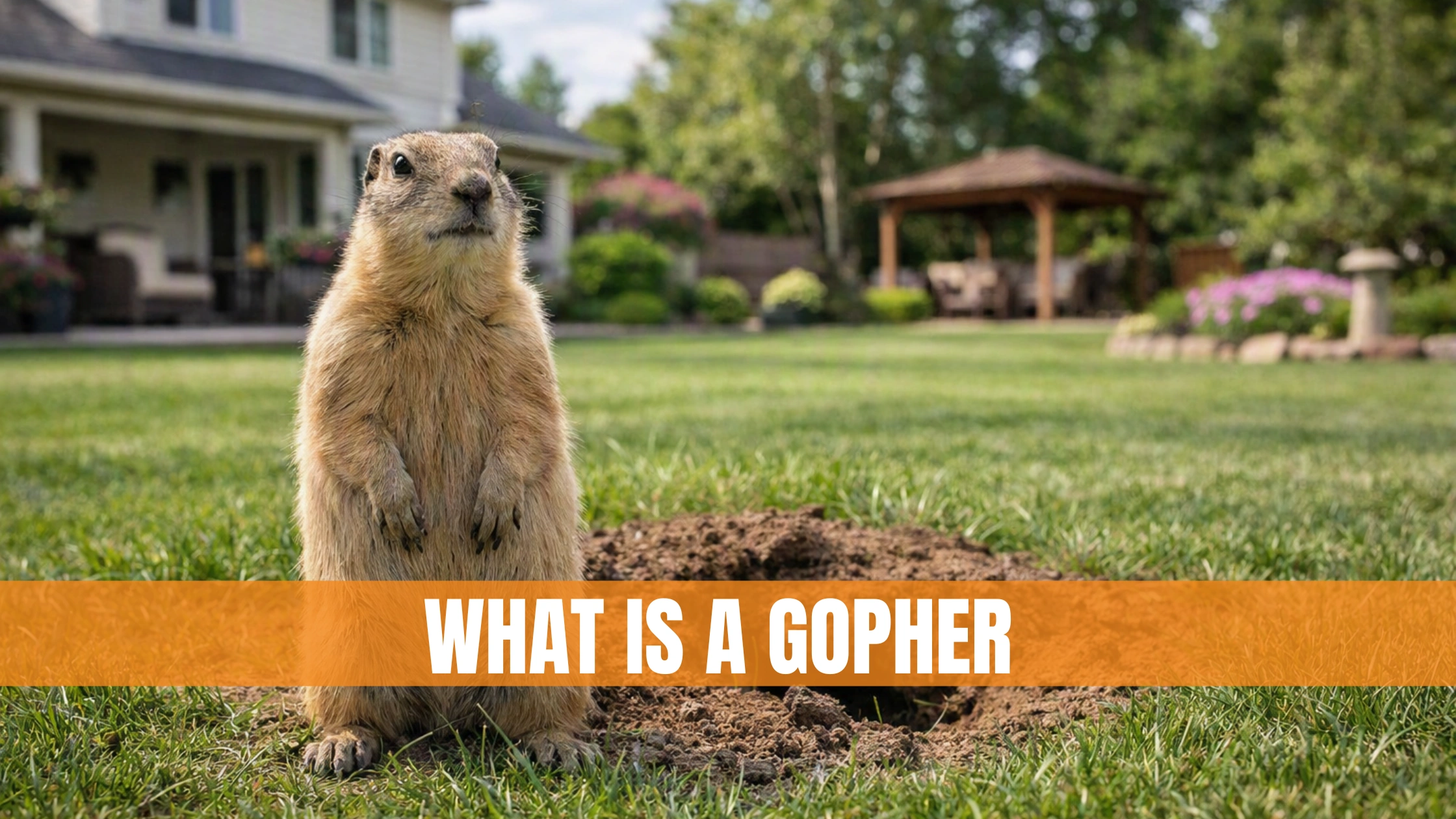
Gophers are small to medium-sized burrowing rodents that spend most of their lives underground. Commonly known as pocket gophers, they are named after the large, fur-lined cheek pouches they use to carry food, nesting materials, and vegetation through their tunnel systems. Although they rarely appear above ground, gophers can cause significant damage to lawns, gardens, farms, and landscaped areas by feeding on plant roots and digging extensive underground burrows.
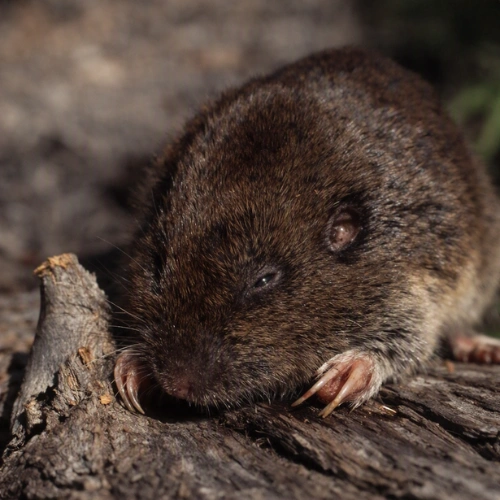
These rodents are specially adapted for life beneath the surface. They have strong forelimbs with sharp claws for digging, small eyes and ears to keep dirt out, and sensitive whiskers and tails that help them navigate in dark tunnels. Instead of relying on vision, gophers use their sense of touch to move through their underground networks.
A single gopher can create an impressive tunnel system that may extend 200 to 2,000 square feet, complete with multiple chambers for nesting, storing food, and raising young. As they dig, they push soil to the surface, creating the familiar crescent-shaped gopher mounds seen in gardens and fields. Learning how to identify gophers, recognise the signs of their activity, and understand their behaviour is the first step toward protecting your property and preventing costly landscape damage.
How to Identify a Gopher
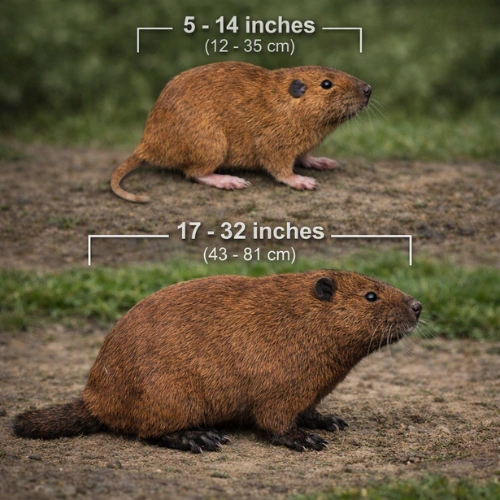
Identifying a gopher early can help prevent serious damage to your lawn, garden, or agricultural land. Also known as pocket gophers, these burrowing rodents have several distinctive physical features that make them different from other underground pests. One of their most noticeable characteristics is their large, fur-lined cheek pouches, which they use to carry food, roots, and nesting materials while travelling through their tunnel systems.
Here are the key features to look for:
- Colour: Gopher fur typically ranges from light brown and tan to dark brown or black, allowing them to blend naturally with the surrounding soil.
- Body Shape: They have a compact, cylindrical body with a short neck, making them well-suited for moving through narrow underground tunnels.
- Strong Claws: Large front claws are specially adapted for digging extensive burrow systems.
- Tail: Gophers have a short, nearly hairless tail that helps them navigate tunnels by sensing their surroundings.
- Small Eyes and Ears: Their tiny eyes and ears reduce the amount of soil entering while digging underground.
Gophers are often confused with moles and groundhogs, but there are clear differences. Gophers have visible incisor teeth and cheek pouches, while moles have broad, paddle-like feet and pointed snouts. Groundhogs are much larger, have bushy tails, and spend considerably more time above ground. Correct identification is essential for selecting the most effective gopher control method and preventing further property damage.
Signs of Gopher Activity In Your Yard
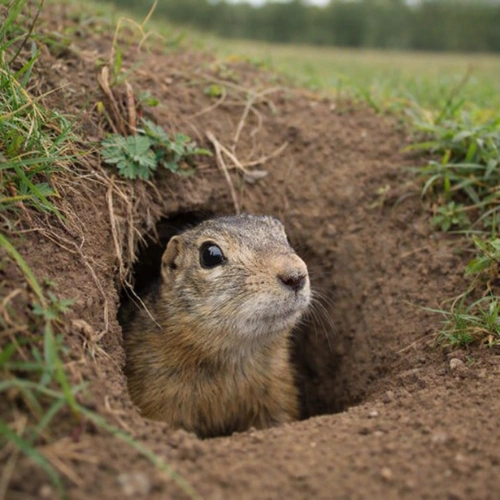
Recognising the signs of gopher activity early can help prevent costly damage to your lawn, garden, and landscaping. Because gophers spend most of their lives underground, they are rarely seen above the surface. Instead, homeowners usually notice the damage caused by their extensive burrow systems and feeding habits. Gophers primarily feed on roots, bulbs, and underground plant parts, making gardens, flower beds, and landscaped areas particularly vulnerable.
Here are the most common signs of a gopher infestation:
- Fan-Shaped Soil Mounds: Fresh, crescent- or fan-shaped piles of loose soil are the most obvious indicator of active gopher tunnels.
- Underground Tunnel Systems: Gopher burrows can spread across large sections of your yard, weakening the ground beneath the surface.
- Damaged Plants: Wilting flowers, dying shrubs, and disappearing vegetables may result from gophers feeding on roots below ground.
- Uneven Lawn Surface: Soft or sunken patches can develop as tunnels expand beneath the soil.
- Root Damage: Trees, ornamental plants, and newly planted vegetation may become unstable due to extensive root feeding.
Gophers are often mistaken for moles, but their burrow patterns differ. Gophers create larger, fan-shaped mounds with soil plugs covering tunnel entrances, while moles typically leave raised surface ridges and smaller, volcano-shaped mounds. Correctly identifying these signs allows for quicker intervention and more effective gopher control before significant landscape damage occurs.
The Average Lifespan of a Gopher
The average lifespan of a gopher is around two to three years in the wild, although this can vary depending on the species, habitat, food availability, and natural predators. Despite their relatively short lives, gophers reproduce quickly and can establish large populations if left unmanaged. In suitable environments, up to 60 gophers may occupy a single acre of land, making early detection and control essential for preventing extensive damage to gardens, lawns, and agricultural properties.
Here are some important facts about the gopher life cycle:
- Active All Year: Gophers do not hibernate and remain active throughout every season, although digging activity may slow during colder months.
- Breeding Season: Mating typically occurs in late winter or early spring when food becomes more abundant.
- Rapid Reproduction: Female gophers can produce one to three litters each year, with an average of five to six young per litter.
- Early Maturity: Young gophers usually become independent and reach breeding age within their first year.
- Territory Expansion: Once mature, they leave the nest to establish their own underground tunnel systems, increasing the risk of property damage.
Because gophers breed efficiently and remain active year-round, their populations can grow rapidly. Regular inspections and early gopher control measures are the most effective way to protect your landscape, crops, and outdoor spaces from long-term burrowing and feeding damage.
Types of Gophers Found In Australia
Despite the common search term “types of gophers found in Australia,” the truth is that true gophers do not exist in Australia. Gophers, also known as pocket gophers, are burrowing rodents native to North and Central America. They are not found in the wild anywhere in Australia. However, Australians often mistake other burrowing animals for gophers because they create similar tunnels and soil mounds.
Some animals commonly confused with gophers include:
- Wombats: Large native marsupials that dig extensive burrows but are much larger than gophers.
- Australian Water Rats: Semi-aquatic rodents found near rivers and waterways, not underground tunnel systems.
- Introduced Rats and Mice: These rodents may burrow around gardens, buildings, and farms but are not true gophers.
- Moles (Not Native): Australia has no true moles, although the native marsupial mole lives in desert regions and differs greatly from pocket gophers.
If you notice soil mounds, burrows, or underground tunnels on your property, the cause is more likely to be rodents, rabbits, wombats, or other native wildlife rather than gophers. Correctly identifying the animal is essential because each species requires a different management approach. If you are unsure what is causing damage to your property, a professional pest inspection can accurately identify the pest and recommend the most appropriate control solution.
Do Gophers Hibernate?
One of the most common questions people ask is, “Do gophers hibernate?” The answer is no. Gophers do not hibernate and remain active throughout the year, regardless of the season. Unlike some mammals that enter a period of dormancy during winter, gophers continue digging tunnels, searching for food, and expanding their underground burrow systems even in colder months. However, their activity may become less noticeable because they spend nearly all of their time below the surface.
Here are some important facts about gopher behaviour:
- Year-Round Activity: Gophers remain active during spring, summer, autumn, and winter.
- Underground Lifestyle: They spend most of their lives inside extensive tunnel systems that provide protection from weather and predators.
- Food Storage: Gophers collect roots, bulbs, and vegetation in underground chambers, allowing them to feed without frequently surfacing.
- Reduced Surface Activity: During colder weather, new soil mounds may appear less often, but gophers continue digging and feeding below ground.
- Continuous Property Damage: Since they never hibernate, gophers can damage lawns, gardens, crops, irrigation systems, and landscaping throughout the year.
Because gophers remain active in every season, regular property inspections are essential for early detection.
How to Get Rid of Gophers
Preventing and controlling gophers can be challenging because these burrowing rodents spend most of their lives underground. Once they establish an extensive tunnel system, they can quickly damage lawns, gardens, crops, and landscaped areas. Fortunately, combining preventive measures with effective control methods can significantly reduce gopher activity and protect your property from ongoing damage.
Here are some of the most effective ways to prevent and manage gophers:
- Install Underground Barriers: Wire mesh or specialised underground fencing can prevent gophers from entering gardens and vulnerable planting areas.
- Use Gopher Traps: Properly placed traps can reduce local gopher populations, especially when fresh tunnel systems are identified early.
- Apply Natural Repellents: Some homeowners use castor oil-based repellents or homemade solutions to discourage gophers from returning to active burrows.
- Maintain Your Landscape: Remove excess weeds, overgrown vegetation, and food sources that may attract gophers.
- Inspect Your Property Regularly: Look for fresh soil mounds, damaged plants, and new tunnel entrances to detect activity before it spreads.
- Seek Professional Assistance: Severe or recurring infestations are best handled by experienced pest control specialists who can identify active tunnels and recommend the most effective long-term solution.
Although DIY methods may help reduce gopher activity, they rarely eliminate the entire underground population. Early detection, ongoing monitoring, and professional gopher control remain the most reliable ways to prevent extensive property damage and maintain a healthy, well-protected landscape.
Conclusion
Although gophers are not native to Australia, understanding their behaviour, appearance, and the signs of their activity can help you correctly identify similar burrowing pests and protect your property from unnecessary damage. Learning to recognise soil mounds, underground tunnels, damaged plants, and other warning signs allows for early intervention before the problem becomes more serious. Regular property inspections and preventive measures are essential for maintaining healthy gardens and landscapes. If you notice persistent burrowing activity or extensive damage, consult a professional pest control expert for an accurate inspection and tailored treatment plan to keep your property safe and well protected.
What Our Customers Had To Say
 Posted on Google
 Rami Anwer
Trustindex verifies that the original source of the review is Google.
We had such a great experience with the pest control service. From start to finish, everything was quick, easy and completely hassle-free. The team were professional, friendly and made the whole process so simple. We’re really happy with the results and the quality of the service we received from Eevil. I would definitely recommend EMK to anyone looking for a reliable pest control company!Posted on Google Rena NajimReally happy with the service today. Professional, friendly and did a great job. Would definitely recommend!Posted on Google
 David DavidEMK provided excellent pest control service. He was professional, punctual, and knowledgeable, explained the process clearly, and ensured it was safe for our family and pets. We saw great results straight away. Friendly, reliable, and highly recommended.Posted on Google
 Ann TranWe highly recommend EMK Termite and Pest Control Sydney. Great service, great prices, friendly and very accommodating. They are very thorough and take pride in their work. Cannot rate them high enough. 5 stars 🌟Posted on Google
 Charlton DurieI had these guys come and sort a termite issue. They got the job done. Thanks again!Posted on Google
 David MarshSuper happy with EMK for getting rid of such a horrible termite infestation! Professional and very friendly.Posted on Google
 Michael ZammitJust had EMK come out to do a rodent control treatment. The service and professionalism was superb!Verified by TrustindexTrustindex verified badge is the Universal Symbol of Trust. Only the greatest companies can get the verified badge who has a review score above 4.5, based on customer reviews over the past 12 months. Read more
Frequently Asked Questions (FAQ) About Gophers
What is a gopher?
What do gophers look like?
How can I identify gopher activity?
Do gophers hibernate?
What do gophers eat?
Are gophers dangerous to humans?
What's the difference between a gopher and a mole?
How can I prevent gophers from entering my property?
When should I call a pest control professional?
About The Author

EMK Termite & Pest Control Team
EMK Termite & Pest Control Team is a licensed and experienced pest control service provider based in Sydney, Australia. Our team specialises in termite treatment, cockroach control, spider control, and general pest management for residential and commercial properties.
With years of hands-on experience, we follow Australian safety standards and use proven, eco-friendly pest control methods to deliver long-lasting results. All content published on this website is written and reviewed by trained pest control professionals to ensure accuracy, safety, and real-world expertise.