
Content Updated: May 13, 2026
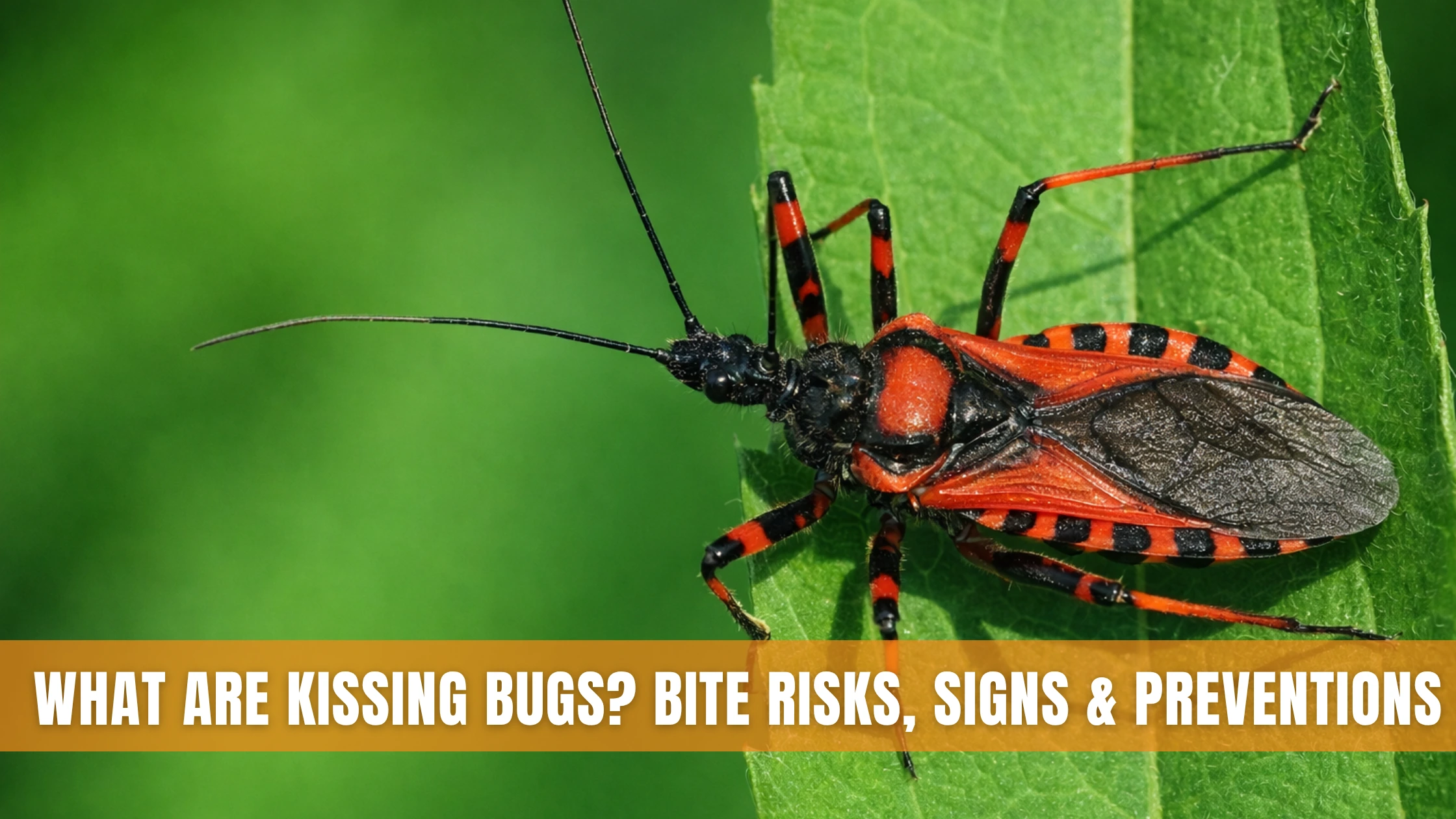
What Is A Kissing Bug?
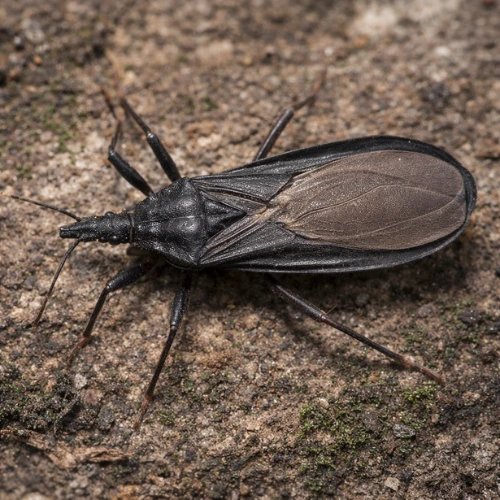
Kissing bug is an insect about 1.9 cm long, usually dark brown or black with red or orange markings along the edges of their bodies. They are often referred to as assassin bugs or cone-nosed bugs and are known for feeding on blood from animals and humans, similar to mosquitoes. In Australia, true kissing bugs that transmit Chagas disease are not commonly found, but some related species may look similar and can still bite if disturbed. These insects are mostly nocturnal, hiding during the day in cracks, wall gaps, or sheltered outdoor areas, and becoming active at night when they feed. They are called “kissing bug” because their bites are often found around the face or mouth while a person is sleeping. Although their bites can cause irritation, redness, and intense itching, the risk of disease transmission in Australia is extremely low. However, scratching the bite can lead to skin infections, and some individuals may experience allergic reactions that require medical attention. Kissing bugs are blood-feeding insects that can occasionally appear in Sydney homes and outdoor areas. Although true disease-carrying species are rare in Australia, their bites can still cause pain, swelling, and allergic reactions. In this guide, EMK Termite & Pest Control Sydney explains how to identify kissing bugs, understand the risks, and prevent infestations.
How to Identify a Kissing Bug
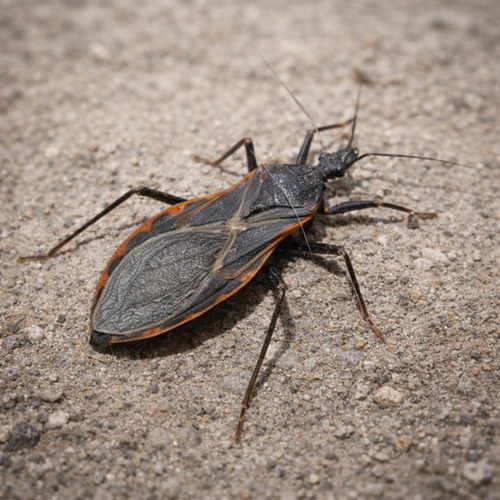
Kissing bugs are medium-sized insects that can grow between 1/2 inch to 1 inch in length, roughly the size of a small coin. They have a distinctive elongated body shape and straight, thin mouthparts that are tucked neatly under their body when not in use.
Here are some key features to help identify them:
- Body colour: Usually dark brown or black
- Distinct markings: A striped band along the edges of the body, often in red, orange, or yellow
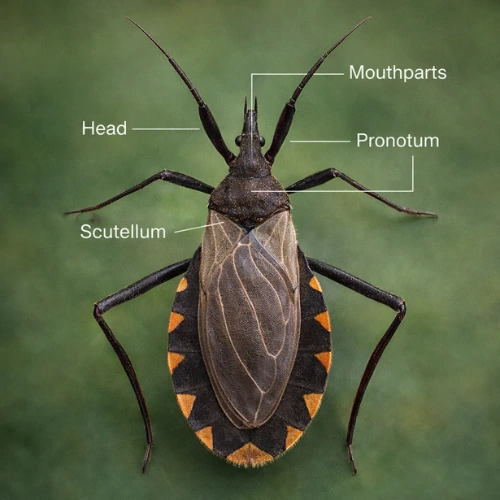
- Mouthparts: Long, straight, and designed for piercing and feeding
- Legs: Long, thin legs without bulky or thickened sections
- Shape: Slightly flattened body, giving them a narrow and elongated appearance
Their overall look can sometimes be confused with other similar insects, especially certain assassin bug species. However, their coloured edge markings and slim body structure are useful identification clues.
Kissing bugs are mostly active at night and tend to hide during the day in cracks, crevices, or sheltered areas. Spotting these physical characteristics early can help you identify them correctly and take appropriate action if needed
Where Are Kissing Bugs Commonly Found?
Kissing bugs are commonly found in hidden, sheltered areas both indoors and around the home. They tend to seek out dark cracks and crevices where they can remain undisturbed during the day and become active at night. Inside homes, they may hide in small gaps in walls, floors, furniture, or even bedding materials.
They are more likely to be found in locations such as areas where pets like dogs or cats spend time, as these spaces provide warmth and easy access to a food source. They may also appear in places where rodents or other small animals are present, since these environments attract insects that feed on blood.
In bedrooms, they can sometimes be located near sleeping areas, including under mattresses, around bed frames, or in nearby furniture. Outdoors, they may hide in garden debris, woodpiles, or cracks in structures close to the house.
Although true kissing bugs are not common in Australia, similar species can still appear in comparable environments. Keeping living spaces clean, sealing entry points, and reducing pest activity can help minimise the chances of encountering them.
Bugs That Look Like Kissing Bugs
Kissing bugs are often confused with other insects from the same family, known as reduviidae, which includes assassin bugs. While they may look similar, there are important differences in their behaviour, appearance, and risks ,especially in an Australian context where true kissing bugs are uncommon but related species may be present.
Here’s how they compare:
- Family similarity: Both belong to the reduviidae family, so they share a similar body shape and structure
- Feeding habits: Assassin bugs are predators that kill and eat other insects, while kissing bugs feed on blood
- Mouthparts: Assassin bugs have stronger, more robust mouthparts for hunting, whereas kissing bugs have thinner mouthparts designed for piercing skin
- Bite reaction: Assassin bug bites can be painful, but kissing bug bites are often less noticeable at first
- Health risks: Assassin bugs do not transmit diseases, while kissing bugs in some regions can carry parasites linked to Chagas disease
In Australia, most insects resembling kissing bugs are actually harmless assassin bugs that help control garden pests. Correct identification is important to avoid unnecessary concern and ensure proper pest management if needed.
Kissing Bug vs Assassin Bug: What’s the Difference?
Many homeowners confuse kissing bugs with assassin bugs because they belong to the same insect family and have similar body shapes. In fact, assassin bugs are often among the common bugs that look like kissing bugs. However, there are important differences between the two insects, especially when it comes to behavior and risks to humans.
Key Differences Between Kissing Bugs and Assassin Bugs:
- Feeding Habits:
Kissing bugs feed on the blood of humans and animals, while assassin bugs mainly prey on other insects and garden pests. - Human Interaction:
Kissing bugs are more likely to bite humans, especially at night. Assassin bugs usually bite only when threatened or handled. - Appearance:
Both insects have long bodies and narrow heads, but kissing bugs often have orange or red markings around their abdomen edges. - Habitat:
Kissing bugs are commonly found near sleeping areas, cracks, pet bedding, and outdoor lights. Assassin bugs are mostly found in gardens, plants, and outdoor environments. - Health Risks:
Kissing bug bites can cause swelling, irritation, and allergic reactions. Assassin bug bites are painful but are generally less harmful.
Because several bugs that look like kissing bugs can be mistaken for each other, professional pest inspections are recommended for proper identification and treatment.
| Feature | Kissing Bug | Assassin Bug |
|---|---|---|
| Feeding style | Blood feeding | Predatory |
| Risk to humans | Can bite humans | Painful bites possible |
| Habitat | Near sleeping areas | Gardens & outdoor areas |
| Disease association | Chagas disease overseas | Usually harmless predators |
Kissing Bug Bite - Signs & Symptoms
Kissing bugs, like mosquitoes and ticks, feed on blood. They mainly target animals such as dogs, but they may occasionally bite humans, especially if they enter indoor spaces. In Australia, true kissing bugs are rare, but similar insects may still cause comparable bites if disturbed.
These insects are usually active at night. If they get inside your home, they tend to hide during the day in cracks, bedding, or furniture, and come out while you sleep. Bites are often found on exposed areas like the face, particularly around the mouth, which is how they got their name.
Common signs of a kissing bug bite include:
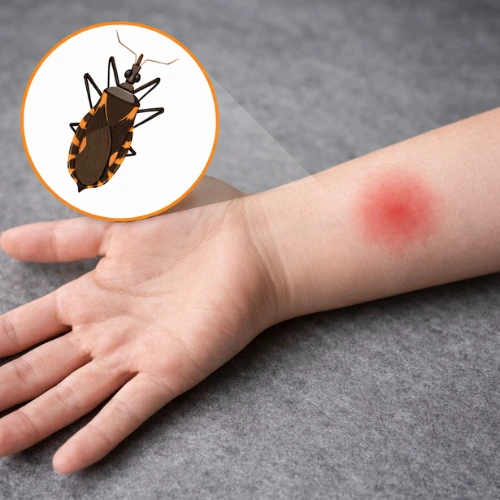
- Mild swelling around the bite area
- Itching or skin irritation
- Small clusters of bites on the face or neck
- Tiny blood spots on bedsheets or pillows
- Presence of an insect near bedding or sleeping areas
Most bites are painless at first and may go unnoticed until irritation develops later. In general, the bite marks heal on their own within a week. However, if symptoms worsen or signs of an allergic reaction appear, it is important to seek medical advice promptly.
Are Kissing Bugs Dangerous?
Kissing bugs are not usually dangerous to humans, but certain situations can increase the risk. In Australia, the chances of serious health issues from these insects are extremely low, although their bites can still cause discomfort.
Here’s what you need to know:
- General risk: Most bites are mild and do not cause serious harm
- Allergic reactions: Some people may be sensitive to the bug’s saliva and develop symptoms such as swelling, itching, or in rare cases, a severe reaction known as anaphylaxis
- Medical support: People with known allergies may be advised to carry an epinephrine auto-injector for emergency use
It’s important to note that an allergic reaction is not the same as infection. The parasite linked to Chagas disease is not transmitted through the bite itself but through contact with the insect’s waste entering the body.
- Chagas disease: This condition is extremely rare in Australia and is mainly associated with regions in Central and South America
- Risk level: The likelihood of contracting this disease locally is very low
Overall, while kissing bugs can be concerning, they are not considered a major health threat in Australia. Proper hygiene, awareness, and prevention can help reduce any risks associated with their presence.
What Is Chagas Disease?
Chagas disease is caused by the Trypanosoma cruzi parasite, which is found in the droppings of infected kissing bugs. It develops in two stages and is extremely rare in Australia, but understanding it helps raise awareness.
- Transmission: The parasite enters the body when contaminated bug droppings come into contact with broken skin or mucous membranes
- Two phases:
- Acute phase: Lasts from a few weeks to a few months
- Chronic phase: Only some people develop this stage, which can lead to serious heart or digestive issues
Common Symptoms
Many people may not realise they have been bitten, as symptoms can be mild or delayed. In some cases, the parasite can remain in the body for months before signs appear.
Early symptoms may include:
- Red, swollen, or painful bite area
- Fever and general discomfort
- Fatigue and weakness
- Body aches and headaches
- Skin rash
- Loss of appetite
- Nausea, vomiting, or diarrhoea
Because these symptoms are similar to common infections, Chagas disease can be difficult to detect early. Although the risk in Australia is extremely low, seeking medical advice is important if unusual or persistent symptoms occur.
Kissing Bug Bite Treatment
Most kissing bug bite treatment can be managed at home with simple care to reduce itching, swelling, and the risk of infection. In Australia, the risk of serious complications is very low, but proper kissing bug bite treatment is still important for comfort and safety.
If you experience a bite, you can try the following steps:
- Clean the area: Wash the bite gently with soap and water to reduce the risk of infection
- Relieve itching: Apply calamine lotion or an anti-itch cream to soothe irritation
- Reduce swelling: Use a cold compress or ice pack wrapped in a cloth for 10–15 minutes
- Avoid scratching: Scratching can break the skin and increase the chance of infection
Most bites heal on their own within a few days to a week. However, extra care may be needed in certain situations.
- Seek medical advice if:
- Symptoms worsen or do not improve
- There are signs of infection such as increased redness or pus
- You experience an allergic reaction like swelling or difficulty breathing
If you are travelling or have been in regions where Chagas disease is present, it is advisable to consult a doctor for further evaluation.
Kissing Bug Bite Prevention
In Australia, true kissing bugs are uncommon, but similar insects may still appear in certain environments. Understanding where these bugs hide and taking preventive steps is essential for effective Kissing Bug Bite Prevention.
These insects typically prefer dark, sheltered areas and may hide in:
- Cracks in walls, floors, or outdoor structures
- Garden debris, woodpiles, or dense vegetation
- Animal shelters or areas where pets rest
If you are travelling to regions where kissing bugs are more common, such as parts of Central or South America, extra precautions are important:
- Use insecticide-treated bed nets while sleeping
- Apply insect repellent on exposed skin
- Spray indoor areas with appropriate insecticides
- Avoid sleeping in poorly sealed or rustic structures
For homes in Australia, focus on prevention:
- Seal cracks and gaps using silicone-based caulk
- Repair damaged window screens and doors
- Remove leaves, debris, and clutter around your property
- Keep indoor and outdoor areas clean
If you suspect the presence of such insects, avoid direct contact. Use a container or gloves to safely capture them.
For persistent issues, professional pest control services can help identify and manage the problem effectively, ensuring your home remains safe and protected.
How To Get Rid Of Kissing Bugs
Understanding how to get rid of kissing bugs is important because these insects can hide in very small cracks and crevices throughout your home. They are often found in mattresses, bed frames, box springs, and wall gaps, where they can lay eggs and multiply unnoticed. This makes them difficult to eliminate without a thorough approach.
To manage and prevent them effectively, follow these steps:
- Seal entry points: Close gaps around windows, doors, walls, and damaged screens to prevent them from entering
- Inspect sleeping areas: Regularly check mattresses, bed frames, and nearby furniture for signs of activity
- Maintain cleanliness: Keep rooms free of clutter to reduce hiding spots
- Manage pets carefully: Allow pets indoors but keep their sleeping areas clean and separate from bedrooms
- Remove outdoor shelters: Clear piles of wood, rocks, and garden debris near your home
Because they can spread quickly and remain hidden, professional pest control service may be necessary for complete removal. Experts use targeted treatments to eliminate infestations at the source. Acting early and maintaining proper home hygiene are key to long-term prevention.
Noticing biting insects around your Sydney home? Contact EMK Termite & Pest Control Sydney for fast and effective insect inspections.
Frequently Asked Questions (FAQ's)
1.Are kissing bugs dangerous?
Kissing bugs can be dangerous because their bites may cause pain, swelling, allergic reactions, and skin irritation. In some countries, certain species are known to spread Chagas disease. Although the disease risk is extremely low in Australia, kissing bug bites can still be uncomfortable and should not be ignored.
2.Can kissing bugs bite humans?
Yes, kissing bugs can bite humans. They are blood-feeding insects that are usually active at night and may bite exposed skin while people are sleeping. Their bites are commonly found around the face, lips, neck, or arms and may cause redness, itching, or swelling.
3.Do kissing bugs spread disease in Australia?
Currently, kissing bugs in Australia are not widely known to spread Chagas disease like some species found in South America. However, their bites can still trigger allergic reactions, irritation, and discomfort. If you notice suspicious biting insects around your property, professional pest inspection is recommended.
4.What attracts kissing bugs?
Kissing bugs are attracted to lights, warmth, carbon dioxide, and areas where humans or animals sleep. They may also be drawn to cluttered spaces, pet bedding, cracks in walls, wood piles, and areas with other insects or rodents nearby.
5.How do you identify a kissing bug?
Kissing bugs usually have a long oval-shaped body, narrow head, long legs, and dark brown or black coloring with orange or reddish markings along the edges of the abdomen. They are often confused with assassin bugs because of their similar appearance.
6.How do professionals remove kissing bugs?
Professional pest control experts remove kissing bugs through detailed inspections, targeted insecticide treatments, exclusion methods, and habitat reduction. They also identify hiding spots, seal entry points, and reduce insect activity around the property to help prevent future infestations.
About The Author

EMK Termite & Pest Control Team
EMK Termite & Pest Control Team is a licensed and experienced pest control service provider based in Sydney, Australia. Our team specialises in termite treatment, cockroach control, spider control, and general pest management for residential and commercial properties.
With years of hands-on experience, we follow Australian safety standards and use proven, eco-friendly pest control methods to deliver long-lasting results. All content published on this website is written and reviewed by trained pest control professionals to ensure accuracy, safety, and real-world expertise.