
Content Updated: July 06, 2026
How to Get Rid of Silverfish: Complete Guide for Sydney Homes
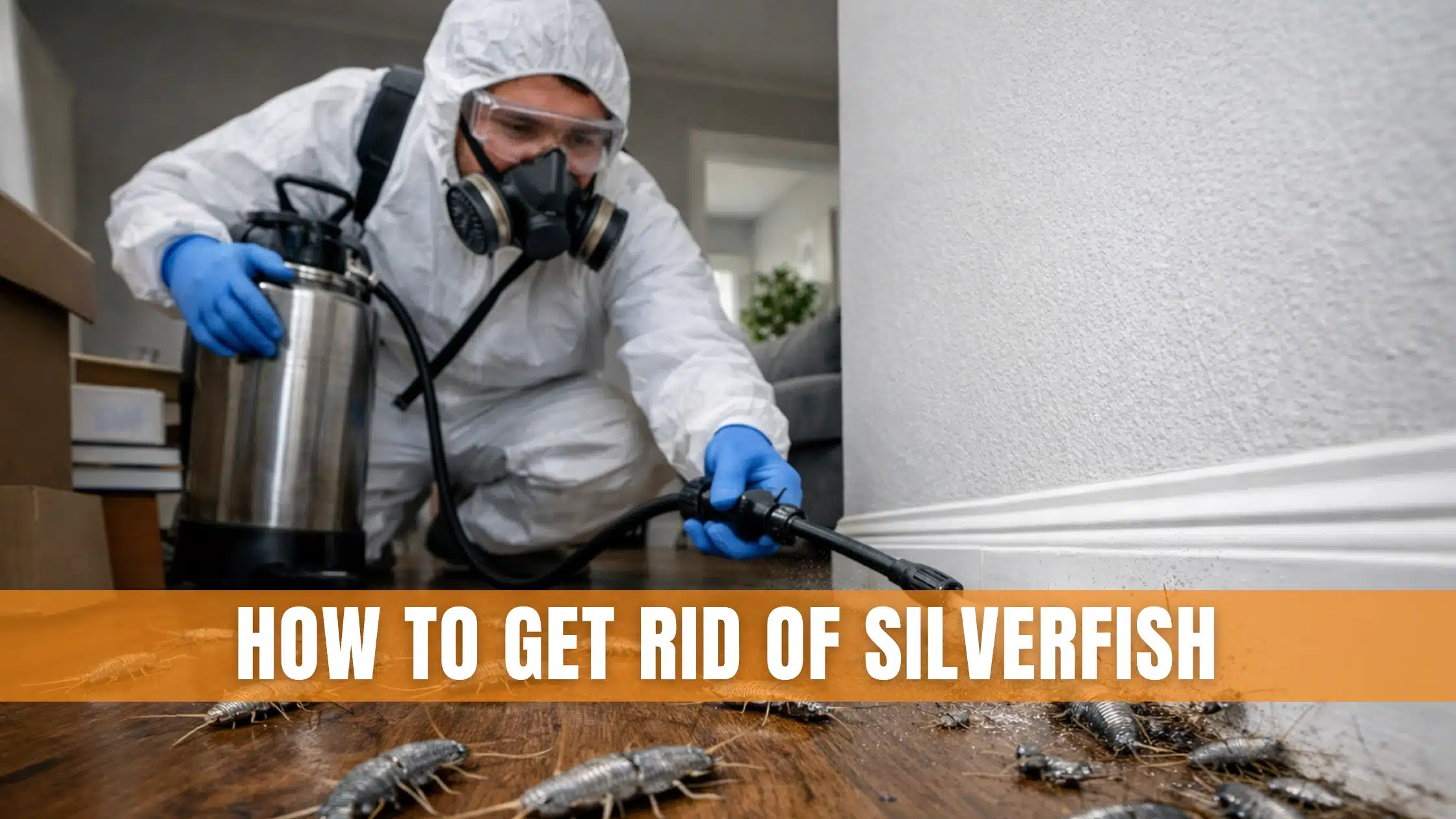
Silverfish are ancient household pests that thrive in dark, damp, and humid areas such as bathrooms, kitchens, roof voids, basements, and storage rooms. Although they don’t bite or transmit diseases, they can damage books, paper, wallpaper, clothing, carpets, and other items containing starch or cellulose. They also leave behind shed skins and droppings that may trigger allergies in sensitive individuals. The best way to get rid of silverfish is to reduce moisture, improve ventilation, seal cracks and entry points, remove food sources, and keep your home clean. For persistent infestations, professional silverfish pest control provides safe, effective, and long-lasting protection for your home or business.
Best Treatment for Silverfish
Because silverfish are highly mobile, treating only one area of your home is rarely effective. They can quickly move to nearby rooms, allowing the infestation to continue. For long-term silverfish control, it’s important to treat the entire property and combine treatment with good prevention practices. After the initial treatment, inspect your home again within a few weeks and continue monitoring for signs of silverfish activity.
Follow these effective silverfish control tips:
- Treat the whole home: Focus on common hiding places such as bathrooms, kitchens, laundries, cupboards, wardrobes, roof voids, basements, and storage areas.
- Seal entry points: Close cracks, crevices, gaps around doors, windows, pipes, and skirting boards to reduce hiding places and prevent re-entry.
- Protect valuable belongings: Carefully inspect books, photographs, important documents, and stored fabrics. Clean affected items and store them in airtight containers in a dry location.
- Wash fabric items: Clean clothing, curtains, bedding, and other washable fabrics regularly using warm or hot water where suitable, then dry them thoroughly before storage.
- Vacuum and steam clean: Regularly vacuum carpets, rugs, upholstered furniture, wardrobes, and storage areas to remove silverfish, eggs, shed skins, and food sources.
- Maintain good hygiene: Reduce dust, paper clutter, cardboard boxes, and food debris that can attract silverfish. Keep your home clean, dry, and well-ventilated to make it less appealing to these pests.
- Control moisture: Repair leaking pipes, improve ventilation, and reduce humidity levels, as silverfish thrive in damp environments.
If silverfish continue to appear, professional treatment is the most effective solution. A Residential Pest Control Service helps eliminate infestations from homes, apartments, and rental properties while preventing future outbreaks. For businesses, a Commercial Pest Control Service protects offices, warehouses, hotels, libraries, schools, and retail premises from silverfish damage.
What are Silverfish and How to Get Rid of them
Description of Silverfish
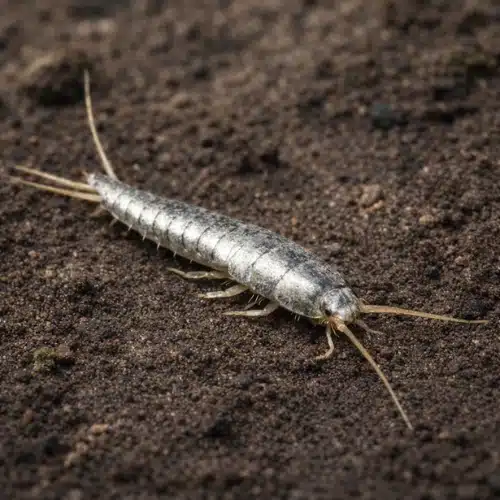
Silverfish are small, wingless insects with flattened, elongated bodies covered in shiny, fish-like scales, giving them their distinctive metallic appearance. Adult silverfish typically measure 2–18 mm in length and can be silver, grey, bronze, gold, or brown, depending on the species and age. Their bodies taper from a broad head to a pointed abdomen and are covered with fine hairs.
Key identifying features include:
- Long, thread-like antennae extending more than half the body length.
- Three pairs of legs located on the thorax for quick movement.
- Chewing mouthparts used to feed on paper, starch, glue, fabrics, and other organic materials.
- Three tail-like appendages at the end of the abdomen, with one extending straight back and two projecting outward.
- Wingless body with small compound eyes, although some species are eyeless.
These distinctive characteristics make silverfish easy to identify and differentiate from other common household pests.
Behaviour
Silverfish are fast-moving, nocturnal pests that thrive in dark, damp environments. When disturbed, they either remain motionless or quickly scurry away using their rapid, fish-like movements. Although they cannot fly, they can hop short distances and are known for their unique and complex mating behaviour, which supports long-term infestations.
Silverfish Life Cycle
The silverfish life cycle begins when adult females lay clusters of 7–12 eggs, producing up to 100 eggs during their lifetime. Under ideal conditions, the eggs hatch within 20 days, although cooler or drier environments can delay hatching for up to 40 days. Young silverfish, known as nymphs, resemble smaller, lighter-colored adults and grow through 6–7 moulting stages, shedding their skin as they develop. Depending on environmental conditions, they reach maturity in 3 months to 3 years. Adult silverfish can live for up to six years and continue moulting throughout their lives, allowing infestations to persist if left untreated.
Silverfish Habitat
Silverfish thrive in dark, warm, humid, and undisturbed environments where they have easy access to food and moisture. They are nocturnal pests, hiding during the day and becoming active at night. Silverfish feed on materials containing starch, sugar, protein, cellulose, and glue, but they can also survive for several months without food.
Common hiding places include:
- Bathrooms, kitchens, laundries, and basements
- Roof voids, crawl spaces, cupboards, and linen closets
- Bookcases, storage boxes, and wardrobes
- Behind skirting boards, window and door frames
- Under carpets, furniture, and near plumbing
Common food sources include:
- Books, paper, cardboard, wallpaper, and photographs
- Clothing made from wool, silk, cotton, or blended fabrics
- Flour, cereals, pasta, pet food, dried foods, and grains
- Dust, dead insects, mould, fungi, and organic debris
- Timber, plasterboard, and other building materials
Symptoms of Silverfish damage
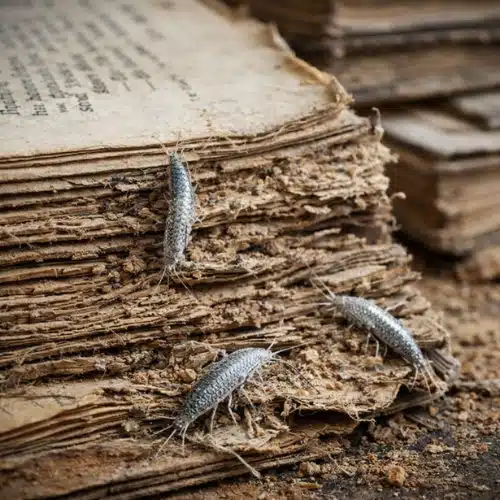
One of the first signs of a silverfish infestation is visible damage to household items. Silverfish leave irregular holes, scraped surfaces, and feeding trails on books, paper, wallpaper, cardboard, photographs, clothing, and other fabric materials. This type of damage can easily be mistaken for that caused by carpet beetles or clothes moths.
Other common signs of silverfish include:
- Live or dead silverfish found in dark, warm, and humid areas such as bathrooms, cupboards, roof voids, and storage spaces.
- Small black, pepper-like droppings near food sources or hiding places.
- Cream-coloured oval eggs hidden in cracks, crevices, seams, and fabric folds.
- Shed skins (cast exoskeletons) left behind as silverfish grow and moult.
How to Prevent Silverfish Appearing
Preventing a silverfish infestation is easier than dealing with one. By eliminating moisture, reducing food sources, and sealing entry points, you can keep your home or business protected.
Prevent Silverfish from Entering
- Inspect books, cardboard boxes, furniture, clothing, and second-hand items before bringing them indoors.
- Check building materials for silverfish or eggs before use.
- Seal cracks, gaps, and crevices around walls, windows, doors, pipes, and skirting boards.
- Install door seals, maintain flyscreens, and cover vents with fine mesh where possible.
Reduce Conditions That Attract Silverfish
- Lower indoor humidity by using dehumidifiers, air conditioners, exhaust fans, or proper ventilation.
- Place moisture absorbers in cupboards, wardrobes, and storage areas.
- Keep rooms well-lit by opening blinds and curtains during the day.
Maintain Good Hygiene
- Vacuum carpets, rugs, bookcases, cupboards, and upholstered furniture regularly.
- Remove dust, food crumbs, dead insects, paper clutter, and organic debris.
- Store books, important documents, clothing, and fabrics in sealed plastic containers or vacuum storage bags.
- Keep pantry items and pet food in airtight containers to eliminate food sources.
Regular inspections and preventative maintenance are the best ways to reduce the risk of silverfish and protect your belongings from damage.
Final Thoughts
Silverfish may be small, but they can cause costly damage to books, clothing, documents, wallpaper, and other household items if left untreated. The best way to prevent an infestation is to reduce moisture, maintain a clean and clutter-free home, seal entry points, and regularly inspect high-risk areas. While natural and DIY methods can help manage minor infestations, persistent silverfish problems often require professional treatment for long-lasting results.If you’re looking for reliable Silverfish Pest Control or trusted Sydney Pest Control, EMK Termite & Pest Control Sydney is here to help.
Contact EMK Termite & Pest Control Sydney today to book a professional inspection and keep your property silverfish-free all year round.
What Our Customers Had To Say
 Posted on Google
 Rami Anwer
Trustindex verifies that the original source of the review is Google.
We had such a great experience with the pest control service. From start to finish, everything was quick, easy and completely hassle-free. The team were professional, friendly and made the whole process so simple. We’re really happy with the results and the quality of the service we received from Eevil. I would definitely recommend EMK to anyone looking for a reliable pest control company!Posted on Google Rena NajimReally happy with the service today. Professional, friendly and did a great job. Would definitely recommend!Posted on Google
 David DavidEMK provided excellent pest control service. He was professional, punctual, and knowledgeable, explained the process clearly, and ensured it was safe for our family and pets. We saw great results straight away. Friendly, reliable, and highly recommended.Posted on Google
 Ann TranWe highly recommend EMK Termite and Pest Control Sydney. Great service, great prices, friendly and very accommodating. They are very thorough and take pride in their work. Cannot rate them high enough. 5 stars 🌟Posted on Google
 Charlton DurieI had these guys come and sort a termite issue. They got the job done. Thanks again!Posted on Google
 David MarshSuper happy with EMK for getting rid of such a horrible termite infestation! Professional and very friendly.Posted on Google
 Michael ZammitJust had EMK come out to do a rodent control treatment. The service and professionalism was superb!Verified by TrustindexTrustindex verified badge is the Universal Symbol of Trust. Only the greatest companies can get the verified badge who has a review score above 4.5, based on customer reviews over the past 12 months. Read more
Frequently Asked Questions About How To Get Rid Of Silverfish
What are silverfish?
What causes a silverfish infestation?
Are silverfish harmful to humans?
What is the fastest way to get rid of silverfish?
How can I prevent silverfish from coming back?
Can silverfish damage books and clothing?
Are DIY silverfish treatments effective?
Do silverfish only live indoors?
Why choose EMK Termite & Pest Control Sydney for Silverfish Pest Control?
About The Author

EMK Termite & Pest Control Team
EMK Termite & Pest Control Team is a licensed and experienced pest control service provider based in Sydney, Australia. Our team specialises in termite treatment, cockroach control, spider control, and general pest management for residential and commercial properties.
With years of hands-on experience, we follow Australian safety standards and use proven, eco-friendly pest control methods to deliver long-lasting results. All content published on this website is written and reviewed by trained pest control professionals to ensure accuracy, safety, and real-world expertise.