mask logo

Full Licensed and Insured.

Call Us Now

(040) 234-3590

Lifespan For Flies

Content Published : July 9, 2026

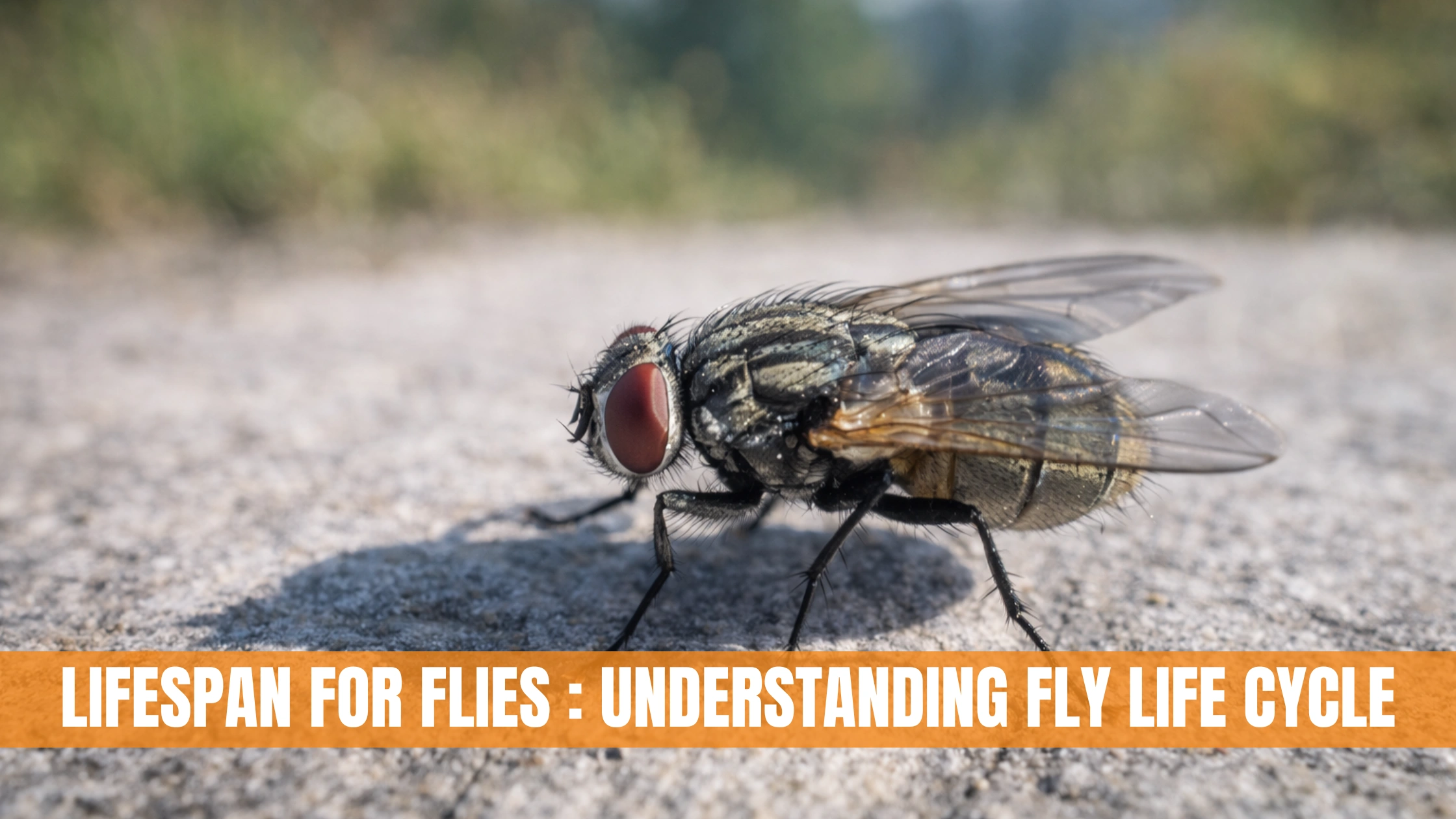
Lifespan For Flies: Understanding Fly Lifespan and Development

Although flies are known for their short lifespans, they reproduce at an incredibly fast rate, allowing infestations to develop rapidly if left unchecked. The fly lifespan varies depending on the species, environmental conditions, temperature, humidity, and the availability of food. Under ideal conditions, some common fly species can complete their entire life cycle ,from egg to larva, pupa, and adult , in as little as 7 to 10 days. Adult female flies can lay hundreds of eggs during their lifetime, leading to exponential population growth in a very short period.

Because flies breed in decaying organic matter, rubbish, drains, compost, and food waste, even a small number of flies can quickly turn into a significant infestation. Understanding the lifespan of a fly and each stage of its life cycle helps homeowners and business owners identify breeding sites early, eliminate conditions that attract flies, and implement effective prevention measures before the problem worsens. Maintaining good sanitation, disposing of waste properly, cleaning drains, and removing standing water are essential steps in reducing fly activity. If flies continue to multiply despite these efforts, professional Fly Pest Control can provide targeted treatments to eliminate breeding sites and prevent future infestations.

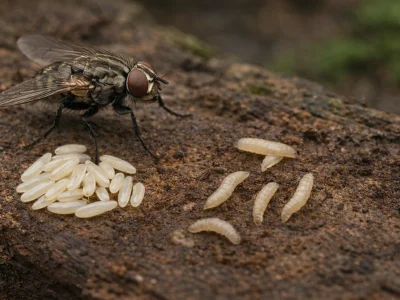
Fly Laying Eggs

How Long Do Flies Live?

A common myth suggests that flies live for only 24 hours, but this is far from the truth. The fly lifespan varies depending on the species, environmental conditions, temperature, humidity, and food availability. While most flies have relatively short lives, they reproduce rapidly, allowing infestations to grow quickly if left untreated.

Here’s the average lifespan of common fly species:

  • House Flies: Live for approximately 15–30 days. During this time, a single female can lay hundreds of eggs, leading to rapid population growth.
  • Fruit Flies:  Fruit Flies Typically survive for 10–14 days, but their fast breeding cycle allows infestations to develop within a short period.
  • Gnats: Most species like gnats live between 7 and 30 days, depending on environmental conditions.
  • Cluster Flies: These flies can survive for several months, particularly when they overwinter inside homes, roof voids, or wall cavities.


Several factors influence the lifespan of a fly, including temperature, moisture, food sources, and predators. Warm weather accelerates development and reproduction, while cooler temperatures slow the life cycle and may extend the larval and pupal stages. Interestingly, flies also process visual information much faster than humans, allowing them to detect movement quickly and making them notoriously difficult to catch. 

The Fly Life Cycle

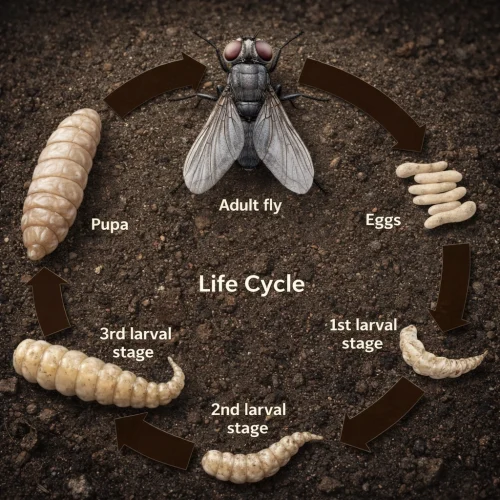
Understanding the fly life cycle is essential for preventing and controlling fly infestations. Like all true flies, house flies undergo complete metamorphosis, progressing through four distinct stages: egg, larva (maggot), pupa, and adult. Depending on the species, temperature, humidity, and food availability, the entire fly life cycle can be completed in as little as 7 days or take up to 50 days under less favourable conditions.

The four stages of the fly life cycle include:

  • Egg Stage: Female flies lay clusters of tiny white eggs on decaying organic matter, rubbish, animal waste, or food waste. Under warm conditions, the eggs usually hatch within 8–24 hours.
  • Larva (Maggot) Stage: After hatching, the larvae feed continuously on organic material for several days, growing rapidly before entering the next stage.
  • Pupa Stage: The mature larvae form a protective casing called a pupa, where they undergo metamorphosis and develop into adult flies.
  • Adult Stage: Once fully developed, adult flies emerge ready to feed, mate, and reproduce. Female flies can lay hundreds of eggs during their lifetime, allowing populations to increase rapidly.

Knowing each stage of the fly life cycle helps homeowners identify breeding sites early, eliminate infestations effectively, and implement proper Fly Pest Control measures before flies multiply throughout the property.

Stage 1: Fly Eggs

The egg stage is the first phase of the fly life cycle and plays a crucial role in the rapid growth of fly populations. Female flies choose moist, decaying organic material to lay their eggs, ensuring that newly hatched larvae have an immediate food source. During their lifetime, a single female fly can lay five to six batches of eggs, with each batch containing 75 to 150 eggs. This high reproductive rate allows fly infestations to develop quickly if breeding sites are not removed.

Key Facts About Fly Eggs

  • Appearance: Fly eggs are tiny, oval-shaped, creamy white, and measure approximately 1–2 mm in length. Due to their small size, they are often difficult to see without close inspection.
  • Where They’re Found: Female flies typically lay their eggs on rotting food, rubbish bins, compost, animal waste, decaying organic matter, drains, and other moist breeding sites where larvae can feed immediately after hatching.
  • Hatching Time: Under warm and humid conditions, fly eggs hatch rapidly,usually within 8 to 24 hours,making early detection essential for effective Fly Pest Control.
  • Why It Matters: Removing breeding sites and maintaining good sanitation can interrupt the fly life cycle, preventing eggs from developing into larvae and helping reduce the risk of a widespread fly infestation.
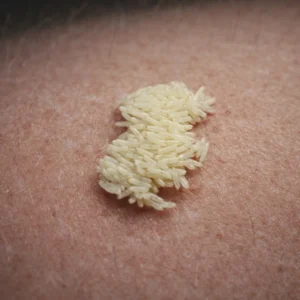
Eggs of Fly

Stage 2: Larvae (Maggots)

After the eggs hatch, flies enter the larval stage, commonly known as maggots. This is the most active feeding stage of the fly life cycle, where larvae consume large amounts of decaying organic matter to fuel rapid growth before transforming into pupae.

Key Facts About Fly Larvae

  • Appearance: Maggots are small, soft-bodied, legless worms that are creamy white or pale yellow in colour. They have no wings or clearly defined body parts.
  • Behaviour: Their primary purpose is to feed and grow. Maggots burrow deep into rotting food, compost, rubbish, animal waste, and other decaying organic material to stay protected from predators and harsh environmental conditions.
  • Duration: The larval stage includes three moulting phases and may last 3 days to 8 weeks, depending on temperature and moisture levels. Warm weather speeds up development, while cooler conditions slow the process.


Eliminating breeding sites during this stage is crucial for effective Fly Pest Control, as it prevents maggots from maturing into adult flies and helps stop infestations before they spread.
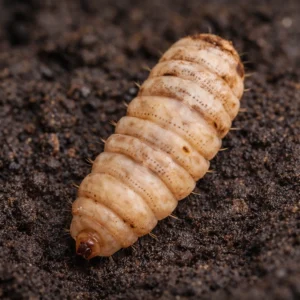
Fly Larvae

Stage 3: Pupae

The pupal stage is the transformation phase of the fly life cycle, where maggots develop into fully formed adult flies. During this stage, the larvae remain protected inside a hard outer casing while undergoing complete metamorphosis.

Key Facts About Fly Pupae

  • Appearance: Fly pupae are small, oval-shaped, and reddish-brown to dark brown. Their protective casing hardens as the developing fly matures inside.
  • Behaviour: This is a non-feeding and inactive stage. Although the pupa appears motionless, major changes occur internally as wings, legs, eyes, and other adult body parts develop.
  • Duration: Under warm conditions, the pupal stage usually lasts 4 to 6 days. Cooler temperatures can slow development, extending this stage for several weeks.
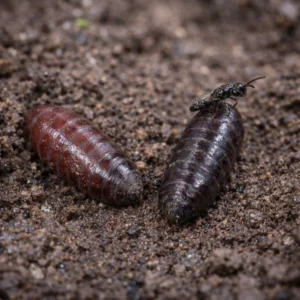
Fly pupae

Stage 4: Adult Flies

The adult stage is the final phase of the fly life cycle. Once they emerge from their pupal cases, adult flies are fully developed and become capable of mating and reproducing within 24 to 48 hours, allowing infestations to spread rapidly if left unmanaged.

Key Facts About Adult Flies

  • Appearance: Adult house flies are grey with distinctive red compound eyes, transparent wings, and fine bristly hairs covering their bodies. They measure approximately 6–7 mm in length.
  • Behaviour: Their main objectives are to find food, mate, and lay eggs. Adult flies are highly active and are attracted to rubbish, decaying organic matter, food waste, drains, and other moist environments suitable for breeding.
  • Lifespan: Most adult house flies live between 15 and 30 days, during which a single female can lay hundreds of eggs, leading to rapid population growth.

Since flies can complete their entire fly life cycle in as little as 7 to 10 days, early detection and proper Fly Pest Control are essential. Eliminating breeding sites and maintaining good sanitation can prevent adult flies from reproducing and help keep your home or business fly-free.
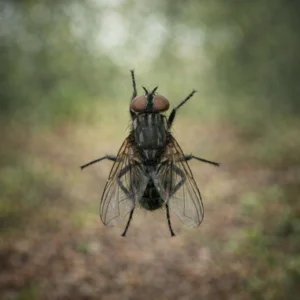
 Adult Flies

What The Fly Life Cycle Means For You

Because flies reproduce quickly and can complete their fly life cycle in just a few days, even a small number of flies can develop into a major infestation if left untreated. Preventing fly problems starts with eliminating breeding sites, disposing of food waste properly, cleaning drains, keeping rubbish bins sealed, and maintaining good hygiene around your home or business. Using fly traps, sealing entry points, and reducing moisture can also help minimise fly activity. Regular inspections allow you to identify breeding areas before populations increase. If flies continue to return despite your efforts, professional Fly Pest Control provides targeted treatments to eliminate breeding sources and prevent future infestations. By taking proactive steps and maintaining a clean environment, you can effectively control flies, protect your property, and enjoy a healthier, pest-free living or working space throughout the year. 

The Fly Life Cycle

Conclusion

House flies progress through four life stages: egg, larva (maggot), pupa, and adult. The average fly lifespan ranges from 15 to 30 days, depending on temperature, humidity, and food availability. In warm environments, flies develop faster and reproduce more frequently, allowing infestations to grow rapidly. House flies are more than just a nuisance—they can carry and spread harmful bacteria and pathogens by contaminating food and surfaces. Maintaining proper sanitation and eliminating breeding sites are essential for preventing infestations. If flies continue to invade your property, EMK Termite & Pest Control Sydney offers professional Fly Pest Control solutions to eliminate infestations and provide long-lasting protection. Contact our expert team today for a thorough inspection and keep your home or business fly-free year-round. 

What Our Customers Had To Say

Frequently Asked Questions (FAQ) About Lifespan For Flies

How long do flies live?

The average fly lifespan depends on the species. House flies typically live 15 to 30 days, while fruit flies live around 10 to 14 days. Environmental factors such as temperature, humidity, and food availability can affect how long flies survive.

Do flies really live for only 24 hours?

No. The belief that flies live for only 24 hours is a common myth. Most common fly species live for several weeks, and some, such as cluster flies, can survive for several months under the right conditions.

How long does the fly life cycle take?

Depending on the species and environmental conditions, the complete fly life cycle can take anywhere from 7 to 50 days. Warm temperatures generally speed up development.

Where do flies lay their eggs?

Flies usually lay their eggs on moist, decaying organic matter such as rubbish, compost, animal waste, drains, spoiled food, and other materials that provide food for developing larvae.

How can I stop flies from breeding?

Remove breeding sites by disposing of rubbish regularly, cleaning drains, covering food, sealing bins, eliminating standing water, and maintaining good hygiene around your property.

Does warm weather affect the fly lifespan?

Yes. Warm temperatures accelerate the fly life cycle, allowing eggs to hatch faster and adult flies to reproduce more quickly. Cooler temperatures generally slow development.

What is the best way to prevent a fly infestation?

The best prevention methods include maintaining cleanliness, removing food waste, cleaning drains, keeping rubbish bins sealed, installing fly screens, and eliminating moisture around the property.

How can EMK Termite & Pest Control Sydney help with fly infestations?

EMK Termite & Pest Control Sydney provides professional Fly Pest Control services, including inspections, breeding site identification, targeted treatments, and long-term fly prevention for residential and commercial properties throughout Sydney.

About The Author

Leave a Reply

Your email address will not be published. Required fields are marked *