
Content Published : July 7, 2026
What Is a Weevil and How To Get Rid of Them?
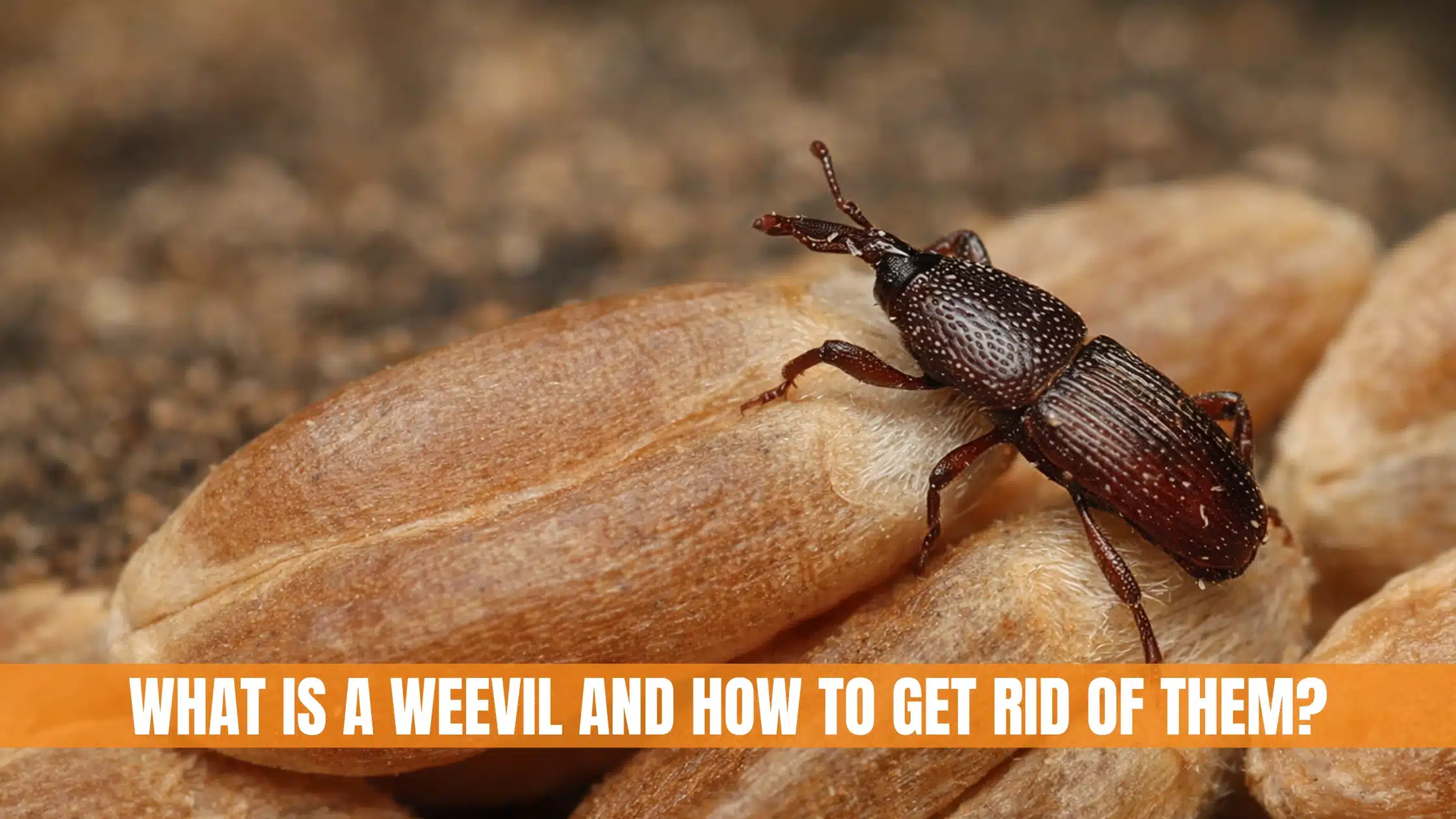
Weevils are small beetles belonging to the Curculionidae family, easily recognized by their distinctive long, narrow snouts. Thousands of weevil species exist worldwide, and many are considered serious agricultural and household pests. They commonly infest crops, gardens, and stored food products such as rice, flour, wheat, cereals, pasta, nuts, seeds, and other grains.
In Sydney and across Australia, weevils often enter homes and commercial properties in search of food and shelter, particularly during hot, dry weather. They can slip through tiny cracks, gaps, and openings to reach pantries and storage areas. While weevils do not bite, spread diseases, or contaminate food with toxins, they can rapidly infest stored grains and pantry products, making them unsuitable for consumption. Early identification, proper food storage, and prompt weevil pest control are essential to prevent infestations from spreading and protect your pantry from costly food waste.
What Do Weevils Look Like?
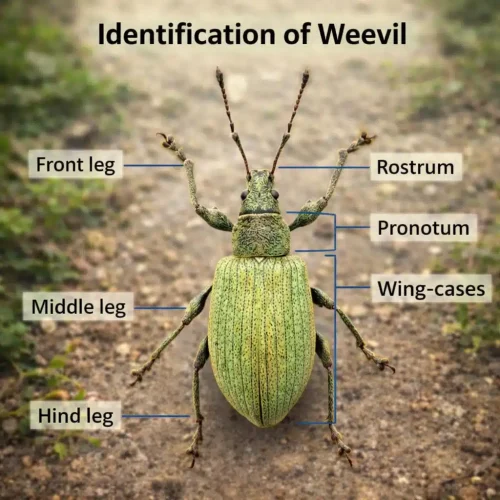
Weevils are small beetles that typically measure 3–6 mm (0.125–0.25 inches) in length. They have a distinctive pear-shaped or oval body with a long, narrow snout (rostrum), making them easy to identify. Weevils also have six legs, elbowed antennae, and a hard outer shell that ranges in colour from reddish-brown to black. Some species have wings and can fly, while others are wingless.
Their wing covers often feature tiny grooves or pits, giving them a textured appearance. Weevils are commonly found in gardens, agricultural fields, and household pantries, where they infest stored grains, cereals, rice, flour, and other dry food products.
Because of their small size and dark colour, weevils are sometimes mistaken for carpet beetles. However, carpet beetles are generally rounder, often display mottled white, brown, and black patterns, and primarily feed on natural fibres such as wool, carpets, upholstery, and clothing rather than stored food.
What do weevils eat?
Weevils primarily feed on grains, seeds, crops, and plant materials, making them one of the most destructive agricultural and pantry pests. In homes, they commonly infest stored food products such as rice, wheat, corn, oats, barley, rye, flour, cereals, pasta, and other grain-based foods. They also feed on beans, peas, lentils, nuts, seeds, dried fruits, spices, and pet food when these items are stored improperly.
Outdoors, weevils attack the roots, leaves, stems, and fruits of many plants and crops, including cotton, grapes, apples, pears, and various vegetables. Female weevils often lay their eggs inside grains or seeds, allowing larvae to develop and feed from within. Proper food storage, regular pantry inspections, and timely weevil pest control are essential to prevent infestations and protect both household food supplies and agricultural crops.
A weevil’s life cycle
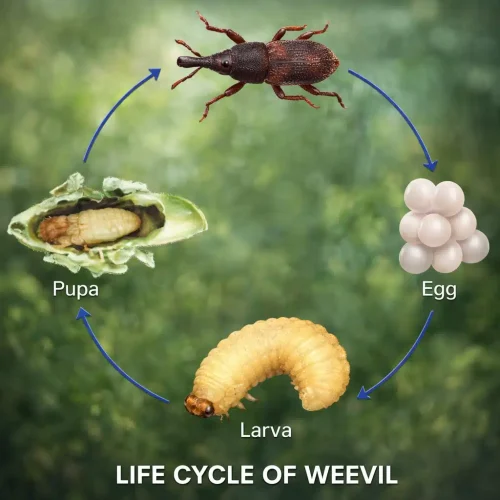
A weevil’s life cycle consists of four distinct stages: egg, larva, pupa, and adult. Understanding their life cycle helps with early detection and effective weevil pest control.
- Egg Stage: Female weevils lay tiny white eggs inside grain kernels, seeds, or on plants, where they remain protected until hatching.
- Larval Stage: The larvae hatch and feed inside the grain, appearing as small, creamy-white, worm-like insects.
- Pupal Stage: Once fully grown, the larva forms a cocoon inside the grain and transforms into a pupa.
- Adult Stage: Adult weevils emerge with a hard exoskeleton and begin mating, restarting the cycle.
Depending on temperature, humidity, and food availability, adult weevils can live for several months to around one year, allowing infestations to grow rapidly if left untreated.
Types of Weevils and How to Identify Them
There are thousands of weevil species worldwide, but only a few are commonly found in homes, gardens, farms, and food storage facilities. Identifying the type of weevil is essential for choosing the most effective pest control method.
Rice Weevils
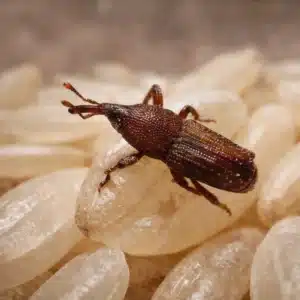
Rice weevils are among the most common pantry pests, infesting stored grains such as rice, wheat, maize, oats, barley, and pasta. They are reddish-brown with four light-coloured spots on their wing covers and can fly, making them capable of spreading quickly. Female rice weevils lay 300–400 eggs, depositing a single egg inside each grain kernel where the larvae develop unnoticed.
Maize Weevils
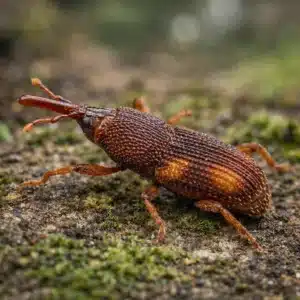
Maize weevils closely resemble rice weevils but are slightly larger. They primarily infest corn (maize) but also feed on wheat, rice, and other cereal grains. Like rice weevils, they can fly and reproduce rapidly under warm storage conditions.
Granary Weevils
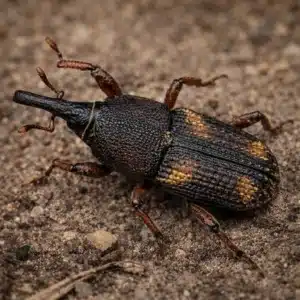
Granary weevils are serious pests of stored grain products. They are dark reddish-brown to black and lack the distinctive spots found on rice weevils. Unlike rice and maize weevils, granary weevils cannot fly. Female granary weevils lay between 50 and 200 eggs inside grain kernels, where larvae feed until adulthood.
Root Weevils
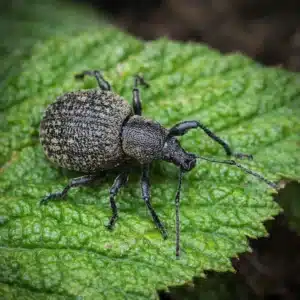
Root weevils are primarily outdoor pests that attack ornamental plants, vegetables, and shrubs. Adult root weevils feed on leaves, creating characteristic U-shaped notches along the edges, while the larvae feed on plant roots, weakening or killing the host plant. Common species include the black vine weevil, strawberry root weevil, and lilac root weevil.
Flour Beetles vs. Weevils
Small insects found in flour are often mistaken for weevils but are usually flour beetles. Unlike true weevils, flour beetles infest finely milled products such as flour, cake mixes, and meal. Although both pests contaminate stored food, correct identification is important for selecting the appropriate treatment and preventing future infestations.
Boll Weevils
Boll weevils are destructive agricultural pests that attack cotton crops. Female boll weevils lay their eggs inside flower buds and cotton bolls, where the developing larvae feed on the plant tissue. Their feeding causes significant crop damage and reduces cotton production, making them one of the most economically important weevil species in agriculture.
Where Do Weevils Come From?
Weevils are found throughout Australia and many other parts of the world. They are commonly seen in gardens, agricultural fields, warehouses, and grain storage facilities, where they feed on crops and stored food products. In homes, weevils most often arrive inside infested pantry items such as rice, flour, wheat, cereals, pasta, beans, nuts, seeds, and pet food that already contain eggs or larvae.
Adult weevils can also enter your home through small cracks, gaps around doors and windows, vents, or foundation openings while searching for food and shelter, especially during hot, dry weather. Once indoors, they thrive in warm, dark areas such as pantries, kitchen cupboards, and food storage spaces.
Because pantry pests are often confused, homeowners sometimes mistake weevils for pantry moths. However, pantry moths are flying insects whose larvae spin webbing inside food packages, whereas weevils are beetles that develop inside whole grains and seeds.
Signs of Weevil Infestation
A weevil infestation is usually easy to identify once you know what to look for. Because both adult weevils and their larvae feed on stored grains, they can quickly reduce the quality and quantity of your food products.
Common signs of a weevil infestation include:
- Live adult weevils crawling inside food packages or pantry shelves.
- Small round holes in rice, wheat, corn, beans, and other grains where adult weevils have emerged.
- Fine, white powder or sawdust-like residue caused by feeding activity and droppings.
- Damaged or hollow grain kernels.
- Clumped or contaminated pantry products with an unpleasant odour.
- Increased insect activity inside cupboards and food storage areas.
If you notice any of these warning signs, inspect all stored dry foods immediately and discard heavily infested products. Proper food storage, prompt pantry cleaning, and regular pest control can prevent the infestation from spreading to other pantry items.
Why Do You Get Weevils?
Weevils are attracted to warm, humid environments where food is readily available. In Australia, they become more active during the warmer months, particularly in late spring and summer, when higher temperatures create ideal breeding conditions. The most common cause of a household infestation is bringing home infested pantry products such as rice, flour, cereals, pasta, beans, grains, nuts, or pet food that already contain weevil eggs or larvae.
Once inside your home, weevils quickly multiply if food is stored improperly. Warm temperatures and moisture accelerate their life cycle, allowing eggs to hatch and infest additional pantry items in a short time. Poor food storage, open packaging, and infrequent pantry cleaning can also encourage infestations.
To reduce the risk of weevils, store dry foods in airtight containers, inspect newly purchased groceries before storing them, keep pantry shelves clean and dry, and dispose of heavily infested products immediately.
Are Weevils Harmful?
Weevils are generally not harmful to humans or pets. They do not bite, sting, spread diseases, or damage your home’s structure, furniture, or clothing. However, they are considered serious pantry pests because they contaminate and destroy stored food products such as rice, flour, cereals, pasta, grains, beans, nuts, and pet food. Once an infestation develops, affected food should be discarded as it may contain eggs, larvae, and insect waste.
Outdoors, certain weevil species can become significant agricultural pests by feeding on crops, plant roots, leaves, and fruits, leading to reduced crop yields and plant damage. While household weevils are mainly a nuisance, they can multiply quickly if left untreated.
How to Get Rid of Weevils
Getting rid of weevils requires a combination of proper pantry hygiene, food storage, and early intervention. Acting quickly can prevent the infestation from spreading to other food items.
Effective Ways to Eliminate Weevils
- Inspect and discard infested food: Check rice, flour, cereals, pasta, beans, grains, nuts, seeds, and pet food. Dispose of heavily infested products in sealed bags to prevent further spread.
- Clean your pantry thoroughly: Empty cupboards and vacuum shelves, corners, cracks, and crevices to remove adult weevils, larvae, eggs, and food debris. Wipe all surfaces with warm, soapy water before restocking.
- Store food in airtight containers: Transfer dry foods into sealed glass or plastic containers to prevent weevils from accessing or contaminating your pantry supplies.
- Inspect new groceries: Examine packaged grains and cereals before storing them, as weevils often enter homes inside already infested food products.
- Reduce moisture and maintain cleanliness: Keep pantry areas clean, dry, and free from food spills to make them less attractive to weevils.
- Consider professional weevil pest control: If infestations continue despite cleaning and proper storage, professional pest control can identify the source and provide effective, long-term treatment for residential and commercial properties.
Conclusion
Weevils may be small, but they can quickly contaminate pantry foods and cause significant food waste if left untreated. Regularly inspecting stored grains, maintaining a clean and dry pantry, storing food in airtight containers, and acting quickly at the first sign of an infestation are the best ways to prevent weevil problems. While minor infestations can often be managed with proper hygiene and food storage, larger or recurring infestations require professional attention. EMK Termite & Pest Control Sydney provides safe, effective, and long-lasting pest control solutions for homes and businesses across Sydney. Contact EMK Termite & Pest Control Sydney today for a thorough inspection and reliable pest control services to keep your pantry and property weevil-free.
What Our Customers Had To Say
 Posted on Google
 Rami Anwer
Trustindex verifies that the original source of the review is Google.
We had such a great experience with the pest control service. From start to finish, everything was quick, easy and completely hassle-free. The team were professional, friendly and made the whole process so simple. We’re really happy with the results and the quality of the service we received from Eevil. I would definitely recommend EMK to anyone looking for a reliable pest control company!Posted on Google Rena NajimReally happy with the service today. Professional, friendly and did a great job. Would definitely recommend!Posted on Google
 David DavidEMK provided excellent pest control service. He was professional, punctual, and knowledgeable, explained the process clearly, and ensured it was safe for our family and pets. We saw great results straight away. Friendly, reliable, and highly recommended.Posted on Google
 Ann TranWe highly recommend EMK Termite and Pest Control Sydney. Great service, great prices, friendly and very accommodating. They are very thorough and take pride in their work. Cannot rate them high enough. 5 stars 🌟Posted on Google
 Charlton DurieI had these guys come and sort a termite issue. They got the job done. Thanks again!Posted on Google
 David MarshSuper happy with EMK for getting rid of such a horrible termite infestation! Professional and very friendly.Posted on Google
 Michael ZammitJust had EMK come out to do a rodent control treatment. The service and professionalism was superb!Verified by TrustindexTrustindex verified badge is the Universal Symbol of Trust. Only the greatest companies can get the verified badge who has a review score above 4.5, based on customer reviews over the past 12 months. Read more
Frequently Asked Questions (FAQ) About Weevil
What are weevils?
How do weevils get into your home?
What are the signs of a weevil infestation?
Are weevils harmful to humans?
Can weevils spread to other pantry foods?
Do weevils damage homes or furniture?
Why choose EMK Termite & Pest Control Sydney for weevil pest control?
About The Author

EMK Termite & Pest Control Team
EMK Termite & Pest Control Team is a licensed and experienced pest control service provider based in Sydney, Australia. Our team specialises in termite treatment, cockroach control, spider control, and general pest management for residential and commercial properties.
With years of hands-on experience, we follow Australian safety standards and use proven, eco-friendly pest control methods to deliver long-lasting results. All content published on this website is written and reviewed by trained pest control professionals to ensure accuracy, safety, and real-world expertise.