
Content Published : August 4, 2026
What Do White Ants Look Like?
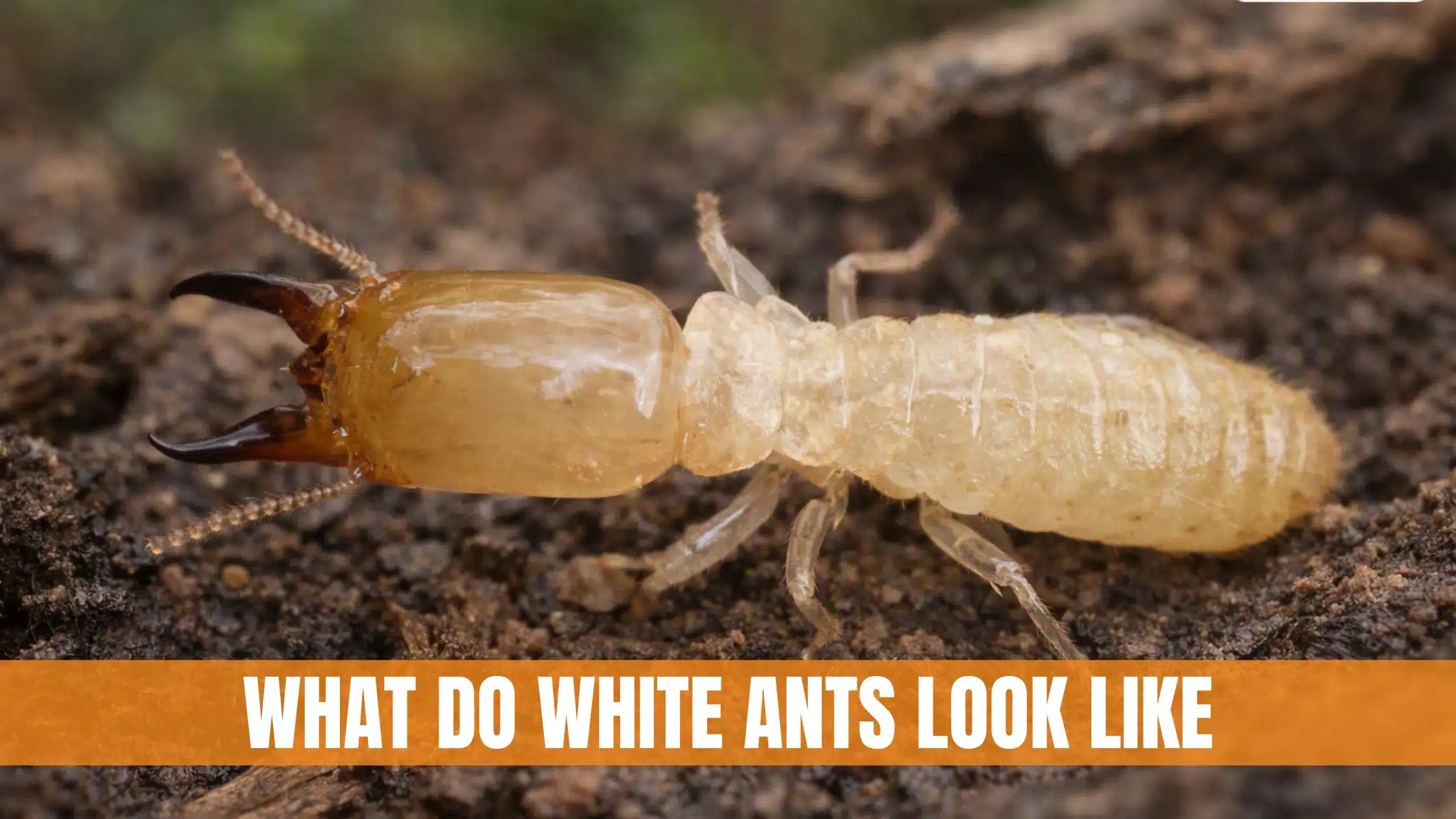
Understanding what white ants look like is one of the most effective ways to detect a termite infestation before it causes costly structural damage. Despite their common name, white ants are not actually ants ,they are termites that feed on timber and other cellulose-based materials, making them a serious threat to homes and businesses across Sydney.
White ants typically have soft, pale cream to white bodies, straight antennae, and a broad waist without the narrow pinch seen in ants. Depending on their role in the colony, they may appear as small worker termites, larger soldier termites with distinctive jaws, or winged reproductive termites known as swarmers. Spotting these insects early, along with signs such as mud tubes, damaged timber, or discarded wings, can help prevent extensive property damage.
Because white ants often remain hidden inside walls, flooring, and timber structures, infestations can go unnoticed for months. Regular inspections by experienced professionals are the best way to protect your property.
At EMK Termite & Pest Control Sydney, we provide comprehensive termite inspections, accurate identification, and effective termite treatment solutions. If you suspect white ants on your property, our expert team can quickly assess the situation and deliver reliable, long-term protection to keep your home or business safe from costly termite damage.
Physical Characteristics of White Ants
Recognising the physical characteristics of white ants is essential for identifying a termite infestation before it causes significant damage to your property. If you’re wondering what white ants look like in Australia, understanding their appearance can help you spot them early and seek professional termite treatment when needed.
Colour
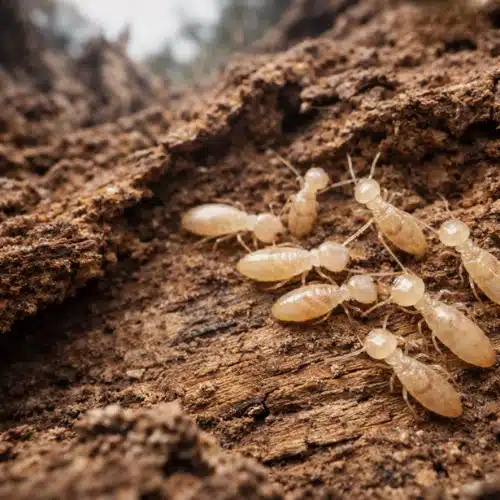
White ants are typically creamy white to light brown in colour. Their soft bodies often appear pale or even slightly translucent, especially in worker termites that spend most of their lives hidden inside timber or underground.
Size
The size of white ants varies depending on their role within the colony. Worker termites are generally 3–4 mm long, while soldier termites and reproductive termites (alates) can grow to 5–6 mm. Although small, large colonies can contain thousands of termites working together.
Head Shape
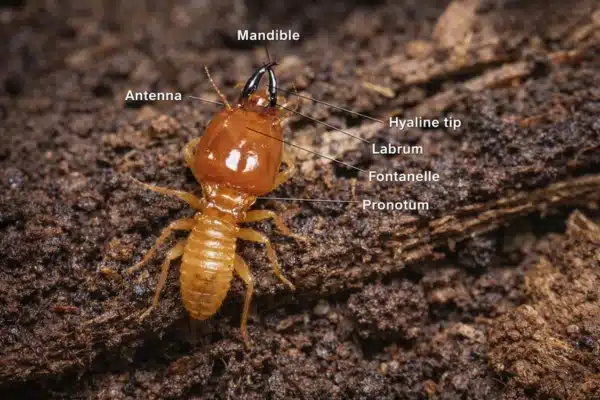
Different termite castes have unique head shapes. Soldier termites have large, rectangular heads equipped with powerful mandibles used to defend the colony. Worker termites, on the other hand, have smaller, rounded heads designed for feeding, tunnelling, and caring for the colony.
Wings
Winged reproductive termites, commonly called alates or swarmers, have two pairs of equal-length wings that extend beyond their bodies. After swarming to establish new colonies, they shed their wings, leaving small piles of discarded wings near windows, doors, or light sources, a common sign of termite activity.
Antennae
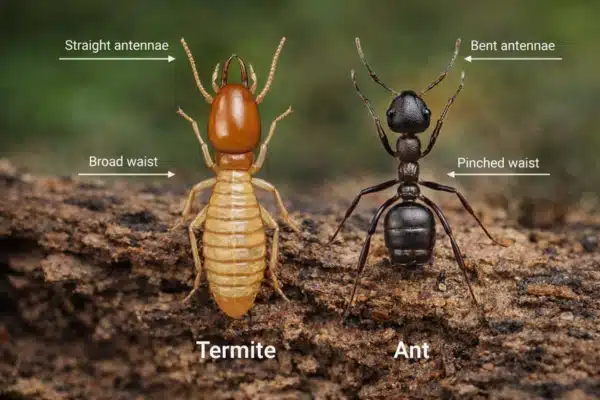
One of the easiest ways to distinguish white ants from ants is by their antennae. White ants have straight, bead-like antennae, whereas ants have bent or elbow-shaped antennae. They also have a broad waist, unlike the narrow, pinched waist found on ants.
By learning these physical characteristics, homeowners can better recognise termite activity and take action before serious structural damage occurs.
Where to Find White Ants
Knowing where to find white ants is essential for detecting termite activity early and preventing expensive structural damage. White ants are attracted to dark, damp, and hidden areas where they can feed on cellulose-rich materials without being disturbed. Regular inspections of these high-risk locations can help you identify an infestation before it becomes severe.
Wooden Structures
White ants primarily feed on timber and wood-based materials, making wooden structures one of their favourite hiding places. Check roof timbers, wall frames, flooring, decking, fences, door frames, window frames, and wooden furniture for signs such as hollow-sounding wood, blistered paint, or damaged timber.
Soil Around Your Property
Subterranean termites, the most common type of white ant in Australia, build their colonies underground. They create distinctive mud tubes to travel safely between the soil and above-ground timber while protecting themselves from predators and dehydration. Inspect your home’s foundations, retaining walls, and garden beds for these mud tunnels.
Damp and Moist Areas
White ants thrive in environments with excess moisture. Areas affected by leaking pipes, poor drainage, water-damaged timber, bathrooms, laundries, basements, crawl spaces, and subfloors provide ideal conditions for termite activity. Reducing moisture around your property can significantly lower the risk of infestation.
Tree Stumps and Garden Timber
Old tree stumps, fallen logs, untreated timber, firewood piles, mulch, and decaying wood around your garden can attract white ants and serve as breeding sites. Once established, termites can spread from these outdoor sources to nearby buildings and timber structures.
Regular termite inspections are the best way to detect white ants before they cause extensive damage.
Signs of a White Ant Infestation
Recognising the signs of a white ant infestation early can save you thousands of dollars in repair costs. White ants often remain hidden inside timber, walls, and underground, making it difficult to detect an infestation until significant damage has already occurred. Regular inspections and knowing the warning signs can help protect your home or business from costly termite damage.
Mud Tubes
One of the most common indicators of termite activity is the presence of mud tubes. Subterranean termites build these narrow, mud-covered tunnels along walls, foundations, concrete slabs, brickwork, and piers to travel safely between their underground colony and food sources while maintaining moisture.
Hollow or Damaged Timber
White ants consume wood from the inside out, leaving only a thin outer layer intact. Tap wooden beams, floors, doors, or furniture—if they sound hollow or produce a papery noise, termites may have already caused internal damage. Timber may also appear blistered, cracked, or weakened.
Discarded Wings
Winged reproductive termites, known as alates, shed their wings after swarming to establish new colonies. Finding piles of discarded wings near windows, doors, light fittings, or entry points is a strong indication that termites are active nearby.
Termite Droppings (Frass)
Drywood termites leave behind tiny, pellet-shaped droppings called frass. These small, wood-coloured pellets often accumulate near infested timber or beneath kick-out holes, indicating an active colony inside wooden structures.
Sticking Doors and Windows
As termites tunnel through timber, moisture levels can increase, causing wooden doors and window frames to warp. If your doors or windows suddenly become difficult to open or close without any obvious reason, termite activity could be the underlying cause.
Are White Ants and Termites the Same?
Yes, white ants and termites are the same insect. Although many Australians commonly refer to termites as “white ants,” the name is actually incorrect. The confusion comes from their pale, creamy-white appearance, which makes them resemble ants at first glance. However, termites belong to an entirely different insect order and have unique behaviours, physical characteristics, and feeding habits that distinguish them from true ants.
Unlike ants, termites have straight, bead-like antennae, a broad waist, and, in the case of reproductive termites, two pairs of wings that are equal in length. Ants, on the other hand, have elbowed antennae, a narrow waist, and uneven wing sizes. These differences make termite identification easier during a professional inspection.
The biggest concern is that termites are far more destructive than ants. White ants feed on cellulose found in timber, paper, and other plant-based materials, allowing them to silently damage the structural framework of homes and commercial buildings. Because they usually work from the inside out, infestations often remain undetected until significant damage has already occurred.
How do White Ants & Regular Ants Differ?
Many people mistake white ants for regular ants because of their name, but they are completely different insects. The table below highlights the key differences to help you identify them accurately and detect a potential termite infestation early.
| Feature | Regular Ants | White Ants (Termites) |
|---|---|---|
| Appearance | Long, slender bodies with distinct body segments. Usually black, brown, or red. | Short, soft, creamy white to amber or sandy-coloured bodies with no obvious body segments. |
| Body Shape | Narrow waist with clearly separated body parts. | Broad, straight waist with a uniform body shape. |
| Antennae | Long, thin, elbow-shaped antennae. | Straight, thick, bead-like antennae. |
| Eyes | Well-developed eyes. | Workers have no functional eyes or very poorly developed eyes. |
| Wings | Front wings are longer than the hind wings. | Two pairs of wings that are equal in size. |
| Diet | Feed on sugary foods, crumbs, leftovers, insects, and household waste. | Feed on cellulose found in timber, paper, cardboard, and other wood-based materials. |
| Habitat | Build nests in soil, gardens, roof spaces, or wall cavities near food sources. | Live inside timber, underground colonies, wall cavities, tree stumps, and wooden structures. |
| Visibility | Commonly seen during the day searching for food indoors and outdoors. | Rarely seen because they remain hidden inside wood or underground. |
| Activity | Travel in visible trails between the nest and food source. | Move through concealed mud tubes or inside timber. |
| Damage Caused | Mainly contaminate food and become a nuisance. | Can cause severe structural damage by eating timber from the inside out. |
| Nest Location | Build nests in existing cracks, soil, trees, or wall voids. | Create colonies inside timber, underground, or within wall structures. |
| Signs of Infestation | Visible ant trails, nests, and food gathering activity. | Mud tubes, hollow timber, discarded wings, termite droppings (frass), and damaged wood. |
| Attracted To | Food crumbs, sugary foods, grease, pet food, and rubbish bins. | Moist timber, damp areas, untreated wood, and cellulose-rich materials. |
| Risk Level | Low risk to property; mainly a household nuisance. | High risk to homes and businesses due to costly structural damage. |
| Treatment | Ant baits, sprays, and nest removal are usually effective. | Professional termite inspection and specialised termite treatment are recommended. |
What Do Baby White Ants Look Like?
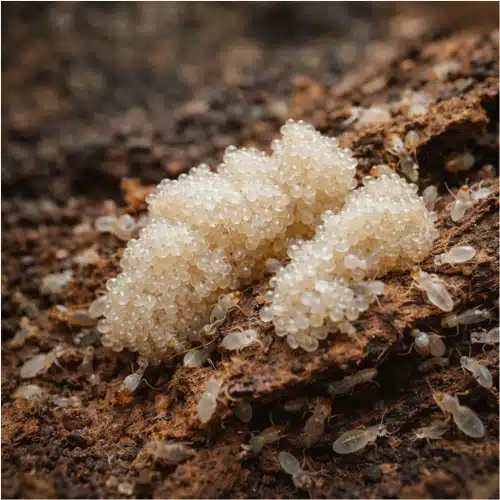
If you’re wondering what baby white ants look like, they are simply the immature stage of termites, known as termite nymphs. These young termites closely resemble adult worker termites but are much smaller and still developing. Although tiny, they play a crucial role in the growth and survival of the termite colony.
Baby white ants are typically creamy white, pale yellow, or slightly translucent in colour. They have soft bodies that usually measure less than 2 mm in length, making them difficult to spot with the naked eye. Unlike winged reproductive termites, nymphs do not have fully developed wings, and they also lack the large mandibles found on soldier termites. As they mature, termite nymphs develop into workers, soldiers, or reproductive termites based on the colony’s needs.
Because they spend their entire early life hidden inside timber, underground tunnels, or wall cavities, homeowners rarely see baby white ants. Their presence often indicates that an established termite colony is already active nearby. Instead of seeing the insects themselves, you’re more likely to notice signs such as mud tubes, hollow-sounding timber, discarded wings, or damaged wood.
What Do Baby White Ants Look Like When Infesting?
Knowing what baby white ants look like during an infestation is important for identifying termite activity before it causes serious structural damage. Baby white ants, also known as termite nymphs, are the immature stage of termites and play a vital role in the growth of the colony. Although they are rarely seen, spotting them can indicate that an active termite infestation is already present.
Here are the key characteristics of baby white ants:
- Colour: Creamy white, pale yellow, or slightly translucent.
- Size: Usually less than 2 mm in length.
- Body: Soft-bodied with no fully developed wings or large mandibles.
- Location: Found deep inside timber, wall cavities, underground nests, or mud tubes.
- Development: Grow into worker termites, soldier termites, or winged reproductive termites depending on the colony’s needs.
Because termite nymphs avoid light, they are generally hidden near the centre of the colony and are only visible when infested timber is broken open or during a professional termite inspection. If you notice clusters of these tiny insects, it is a strong indication of an established termite colony.
Other common signs of a termite infestation include mud tubes, hollow-sounding timber, discarded wings, blistered wood, and termite droppings (frass). Early detection and regular termite inspections are essential for preventing extensive property damage and ensuring prompt termite treatment before the infestation spreads.
Conclusion
Understanding what white ants look like is the first step in protecting your property from costly termite damage. Learning to identify their physical characteristics, recognise the early signs of an infestation, and understand how they differ from regular ants can help you detect termite activity before it becomes a major problem. Since termites often remain hidden inside timber and underground, regular inspections are essential for early detection and long-term protection.
If you suspect white ants or notice any warning signs, don’t wait until the damage becomes severe. Contact EMK Termite & Pest Control Sydney today for a professional termite inspection and effective termite treatment. Our experienced team provides safe, reliable, and long-lasting termite control solutions to keep your home or business protected all year round.
What Our Customers Had To Say
 Posted on Google
 Rami Anwer
Trustindex verifies that the original source of the review is Google.
We had such a great experience with the pest control service. From start to finish, everything was quick, easy and completely hassle-free. The team were professional, friendly and made the whole process so simple. We’re really happy with the results and the quality of the service we received from Eevil. I would definitely recommend EMK to anyone looking for a reliable pest control company!Posted on Google Rena NajimReally happy with the service today. Professional, friendly and did a great job. Would definitely recommend!Posted on Google
 David DavidEMK provided excellent pest control service. He was professional, punctual, and knowledgeable, explained the process clearly, and ensured it was safe for our family and pets. We saw great results straight away. Friendly, reliable, and highly recommended.Posted on Google
 Ann TranWe highly recommend EMK Termite and Pest Control Sydney. Great service, great prices, friendly and very accommodating. They are very thorough and take pride in their work. Cannot rate them high enough. 5 stars 🌟Posted on Google
 Charlton DurieI had these guys come and sort a termite issue. They got the job done. Thanks again!Posted on Google
 David MarshSuper happy with EMK for getting rid of such a horrible termite infestation! Professional and very friendly.Posted on Google
 Michael ZammitJust had EMK come out to do a rodent control treatment. The service and professionalism was superb!Verified by TrustindexTrustindex verified badge is the Universal Symbol of Trust. Only the greatest companies can get the verified badge who has a review score above 4.5, based on customer reviews over the past 12 months. Read more
Frequently Asked Questions (FAQ) About What Do White Ants Look Like?
What do white ants look like?
Are white ants and termites the same?
How can I tell the difference between white ants and regular ants?
What colour are white ants?
What do baby white ants look like?
Where are white ants commonly found?
Why are white ants dangerous to homes?
What should I do if I find white ants?
Can white ants come back after treatment?
About The Author

EMK Termite & Pest Control Team
EMK Termite & Pest Control Team is a licensed and experienced pest control service provider based in Sydney, Australia. Our team specialises in termite treatment, cockroach control, spider control, and general pest management for residential and commercial properties.
With years of hands-on experience, we follow Australian safety standards and use proven, eco-friendly pest control methods to deliver long-lasting results. All content published on this website is written and reviewed by trained pest control professionals to ensure accuracy, safety, and real-world expertise.