
Content Published : September 22, 2026
Spider Eggs : How to Identify and Get Rid of Them
Finding a small, papery egg sac in your home can be surprising, especially when you realise it may contain spider eggs. These sacs are often tucked away in quiet, sheltered places where they are less likely to be disturbed. You might find them in garages, sheds, under outdoor furniture, around porch railings, in roof spaces, or in dark corners indoors.
Knowing how to identify spider eggs is an important first step in managing spider activity around your property. Spider egg sacs can vary in colour, shape, size, and texture depending on the species. Some look like small white or cream-coloured balls, while others may appear brown, grey, or covered with silk.
If you discover a spider egg sac, avoid handling it with bare hands. Carefully removing visible webs and sacs while wearing gloves can help reduce spider activity. However, simply removing one sac may not address the reason spiders are nesting nearby.
This guide explains what spider egg sacs look like, where spiders commonly lay their eggs, and practical ways to remove them. If you notice repeated egg sacs or significant spider activity, professional spider pest control can help identify the problem and recommend suitable treatment.
What Are Spider Eggs?
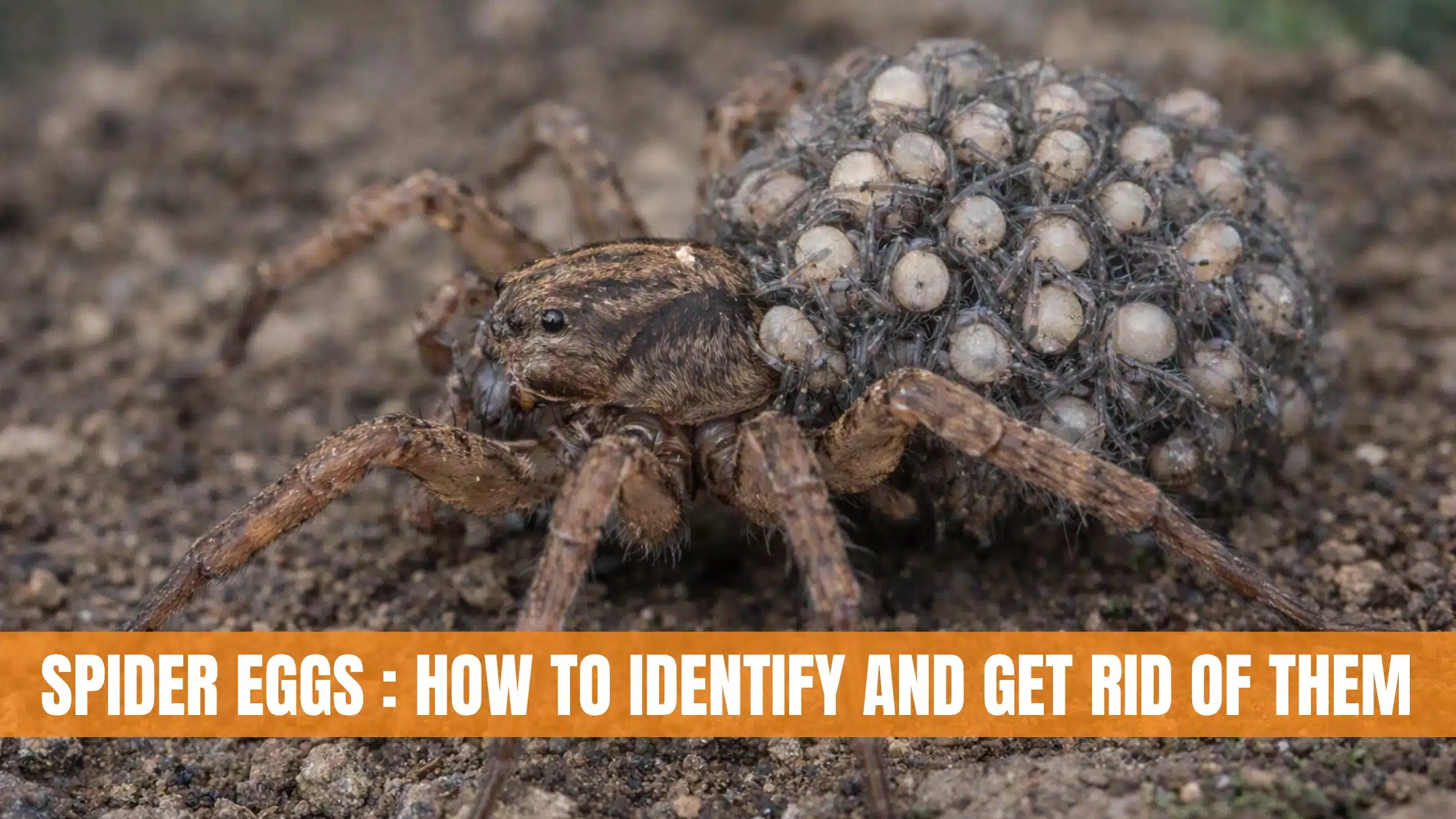
Spider eggs are tiny reproductive cells produced by female spiders after mating. Instead of leaving their eggs exposed, most female spiders protect them inside a silk structure known as an egg sac. The size, shape, colour, and texture of a spider egg sac can vary considerably depending on the spider species.
A single egg sac may contain anywhere from a small number of eggs to hundreds, with some species producing much larger numbers. The silk casing provides protection from environmental conditions, predators, and physical disturbance while the eggs develop.
Unlike the eggs of some insects, spider eggs are rarely found individually around a home. They are generally grouped together inside the protective sac, which can make them easier to identify once you know what to look for.
Spider egg sacs may appear white, cream, yellowish, grey, or brown and can be round, oval, flattened, or irregular in shape. Spiders often place them in sheltered locations such as corners, cracks, garages, sheds, roof spaces, under furniture, or among vegetation.
What Do Spider Eggs Look Like?
Identifying a spider egg sac correctly can help you understand whether you are dealing with spider activity or another type of insect. Spider egg sacs can vary significantly in appearance depending on the species, so there is no single shape or colour to look for.
Colour and Texture
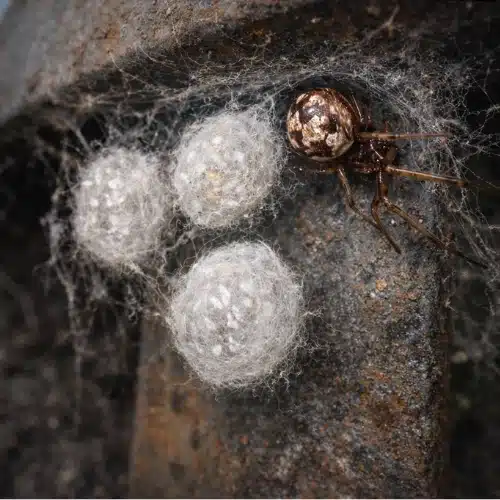
Spider egg sacs may appear white, cream, beige, yellowish, grey, or light brown. Their texture can range from smooth and papery to soft, fuzzy, or covered with fine silk. Some sacs may look like small cottony balls, while others have a more flattened appearance.
Shape and Size
Most spider egg sacs are round, oval, or irregularly shaped. Their size can range from very small sacs to structures several centimetres across. Some spiders carry their egg sacs with them, while others attach them to walls, ceilings, furniture, plants, or other surfaces.
Common Places to Find Spider Egg Sacs
Spiders often choose quiet, sheltered areas where their eggs are less likely to be disturbed, including:
- Corners where walls and ceilings meet
- Behind or underneath furniture
- Garages, sheds, and storage areas
- Window frames and door areas
- Roof spaces and other dark locations
- Woodpiles, garden sheds, and sheltered outdoor areas
How to Tell Spider Eggs Apart from Other Insect Eggs
| Feature | Spider Eggs | Other Insect Eggs |
|---|---|---|
| Casing Material | Usually enclosed in a soft, woven, papery, or fuzzy silk egg sac. | Often protected by a harder casing, depending on the insect species. |
| Webbing | Fine strands of spider silk may be visible around or near the egg sac. | Usually no spider-like silk webbing is present. |
| Egg Arrangement | Typically grouped together inside one cohesive egg sac. | May be laid individually, in rows, or in loose clusters. |
| Common Locations | Quiet, sheltered areas such as corners, garages, sheds, plants, and window frames. | Locations vary by species and may include food storage areas, cracks, furniture, and plants. |
| Appearance | May appear white, cream, beige, grey, or brown and can be round, oval, or irregular. | Colour, shape, and size vary considerably between insect species. |
| Identification Tip | Look for a silk-covered sac and nearby spider webbing. | Check the egg structure and surrounding signs to identify the insect species. |
Egg Sacs of Common Australian Spiders
Australian spiders produce egg sacs in different shapes, sizes, and textures, making them useful clues when identifying spider activity.
Redback Spiders (Latrodectus hasselti)
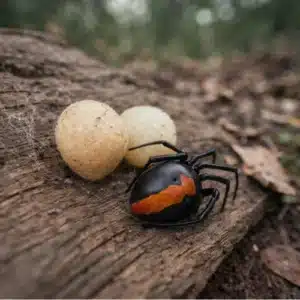
Redback Spiders typically produce several smooth, round egg sacs that are white to yellowish and are attached within their webs. Each sac can contain many eggs, making the web an important place to check when identifying redback activity.
Cupboard Spiders (Steatoda grossa)
Cupboard spiders create rounded egg sacs with a noticeably fuzzy silk covering. The sacs are usually found within or close to their webs in sheltered areas such as cupboards, garages, and quiet corners.
Daddy-Long-Legs (Pholcus phalangioides)
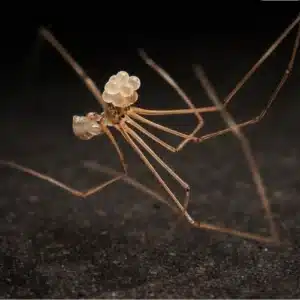
Daddy-long-legs spiders carry their eggs in a delicate silk bundle held beneath their body. The small cluster can have a pinkish or whitish appearance and is easily recognised by its fragile structure.
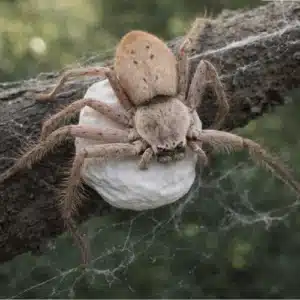
Huntsman Spiders (Family Sparassidae)
Huntsman spiders produce a distinctive, flat, oval egg sac made from white papery silk. Females may remain close to the sac and protect it until the spiderlings emerge.
White-Tailed and Wolf Spiders
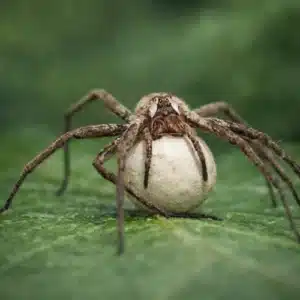
White-tailed spiders create silk retreats containing oval egg sacs, while wolf spiders carry their pale egg sacs attached to their spinnerets. These differences can help with spider egg identification and appropriate spider pest control.
How Long Does It Take Before Spider Eggs Hatch?
The time required for spider eggs to hatch can vary considerably depending on the spider species and the conditions surrounding the egg sac. While some spider eggs may hatch within two to three weeks, others can take considerably longer. Temperature, humidity, shelter, and seasonal conditions can all influence the development of spider eggs.
Warm, stable conditions generally support faster development. When temperatures are suitable and the egg sac remains protected from excessive moisture or disturbance, spiderlings may emerge within a few weeks. In cooler conditions, however, development can slow down significantly, and some species may remain inside the egg sac for several months.
The structure of the egg sac also provides protection during this period. Many Australian spiders create silk sacs that help shield developing eggs from environmental changes and potential predators.
If you discover spider egg sacs around your home, avoid disturbing them with bare hands. Identifying the spider species can help determine what type of egg sac you have found and whether further action is necessary. Repeated egg sacs, webs, or increasing spider activity may indicate an established population.
How to Get Rid of Spider Eggs
Once you’ve identified spider eggs in or around your home, it’s time to remove them safely and effectively. Here are the most reliable methods.
1. Vacuum the Egg Sac
For most household situations, a vacuum cleaner with a hose attachment is the simplest and safest tool. Carefully vacuum the sac directly, making sure to also capture any surrounding webbing. Afterward, empty the vacuum canister or bag into a sealed plastic bag and dispose of it outside immediately, this prevents any surviving eggs from hatching indoors.
2. Remove and Dispose of the Sac Manually
If vacuuming isn’t practical, you can carefully remove the sac using gloves and a tissue or paper towel. Gently pluck the sac from its attachment point, seal it in a bag, and dispose of it outdoors, far from your home’s entry points. Avoid crushing the sac indoors, as this can release loose eggs into your space.
3. Use a Pesticide Spray
Commercial pesticide sprays labeled for spider control can be effective at killing spider eggs on contact. Look for products specifically formulated to penetrate egg sacs, since the silk casing can sometimes protect eggs from surface-level treatments. Always follow label instructions and ventilate the area afterward.
4. Apply Diatomaceous Earth
For a more natural approach, food-grade diatomaceous earth can be sprinkled around areas where spider eggs are commonly found. While it won’t destroy an existing sac directly, it creates an inhospitable environment for hatching spiderlings and adult spiders alike, helping prevent future egg-laying in treated areas.
5. Seal Entry Points
Once you’ve removed visible spider eggs, take preventive steps to stop new sacs from appearing. Seal cracks around windows, doors, and foundations where spiders commonly enter. This reduces the likelihood of spiders finding their way indoors to lay eggs in the first place.
6. Call a Pest Control Professional
If you’re dealing with a large number of egg sacs, recurring infestations, or a species you suspect may be venomous, it’s worth calling a licensed pest control service. Professionals have access to treatments that address both visible sacs and hidden ones you may have missed, offering a more thorough long-term solution.
How to Prevent Spider Eggs Around Your Home
Removing existing spider eggs is only half the battle, preventing new ones from appearing is just as important for long-term control.
1. Keep Your Home Clutter-Free
Spiders prefer quiet, undisturbed areas to lay their eggs. Regularly decluttering storage areas, garages, and basements removes the hiding spots spiders need to feel safe depositing egg sacs.
2. Reduce Outdoor Attractants
Outdoor lighting attracts insects, which in turn attracts spiders looking for food. Switching to yellow or motion-activated lighting near entry points can reduce the number of spiders and therefore spider eggs, near your home.
3. Regular Cleaning and Vacuuming
Routine vacuuming of corners, baseboards, and window frames helps catch spider eggs before they have a chance to hatch. Make this a regular part of your cleaning schedule, especially in rooms that don’t get much foot traffic.
4. Trim Vegetation Near Your Home
Bushes, ivy, and overgrown plants touching your home’s exterior act as a bridge for spiders to enter. Keeping vegetation trimmed back creates a buffer zone that discourages spiders from settling near doors and windows.
Final Thoughts
Spider eggs are easier to manage when you know how to identify egg sacs and recognise early signs of spider activity. Regularly checking quiet, sheltered areas such as garages, corners, sheds, windows, and storage spaces can help you spot egg sacs before the problem grows. Keeping your home clean, reducing clutter, sealing gaps, and limiting outdoor hiding spots can also discourage spiders from returning. If you notice repeated egg sacs, heavy webbing, or increasing spider activity, professional help may be the right option. EMK Termite & Pest Control Sydney provides professional spider pest control services to help identify and manage spider activity. Contact us today for reliable pest control solutions.
What Our Customers Had To Say
 Posted on Google
 Rami Anwer
Trustindex verifies that the original source of the review is Google.
We had such a great experience with the pest control service. From start to finish, everything was quick, easy and completely hassle-free. The team were professional, friendly and made the whole process so simple. We’re really happy with the results and the quality of the service we received from Eevil. I would definitely recommend EMK to anyone looking for a reliable pest control company!Posted on Google Rena NajimReally happy with the service today. Professional, friendly and did a great job. Would definitely recommend!Posted on Google
 David DavidEMK provided excellent pest control service. He was professional, punctual, and knowledgeable, explained the process clearly, and ensured it was safe for our family and pets. We saw great results straight away. Friendly, reliable, and highly recommended.Posted on Google
 Ann TranWe highly recommend EMK Termite and Pest Control Sydney. Great service, great prices, friendly and very accommodating. They are very thorough and take pride in their work. Cannot rate them high enough. 5 stars 🌟Posted on Google
 Charlton DurieI had these guys come and sort a termite issue. They got the job done. Thanks again!Posted on Google
 David MarshSuper happy with EMK for getting rid of such a horrible termite infestation! Professional and very friendly.Posted on Google
 Michael ZammitJust had EMK come out to do a rodent control treatment. The service and professionalism was superb!Verified by TrustindexTrustindex verified badge is the Universal Symbol of Trust. Only the greatest companies can get the verified badge who has a review score above 4.5, based on customer reviews over the past 12 months. Read more
Frequently Asked Questions About Spider Eggs
What do spider egg sacs look like?
Where do spiders usually lay their eggs?
How many eggs can a spider egg sac contain?
Can spider eggs hatch inside a house?
How can I remove spider egg sacs safely?
Do spider egg sacs mean I have a spider infestation?
Can cleaning help prevent spider egg sacs?
Do all spider species make egg sacs?
Should I remove spider egg sacs myself?
When should I contact a professional pest control service?
About The Author

EMK Termite & Pest Control Team
EMK Termite & Pest Control Team is a licensed and experienced pest control service provider based in Sydney, Australia. Our team specialises in termite treatment, cockroach control, spider control, and general pest management for residential and commercial properties.
With years of hands-on experience, we follow Australian safety standards and use proven, eco-friendly pest control methods to deliver long-lasting results. All content published on this website is written and reviewed by trained pest control professionals to ensure accuracy, safety, and real-world expertise.