
Content Published : November 23, 2026
What Do Bed Bugs Look Like? How to Identify Bed Bugs in Sydney Homes
Finding tiny insects around your mattress or waking up with unexplained itchy bites can be unsettling. Bed bugs are persistent household pests that hide in small gaps, mattress seams and furniture joints, making them difficult to detect during the early stages of an infestation. Knowing what do bed bugs look like can help Sydney homeowners identify these unwanted pests before the problem becomes more widespread.
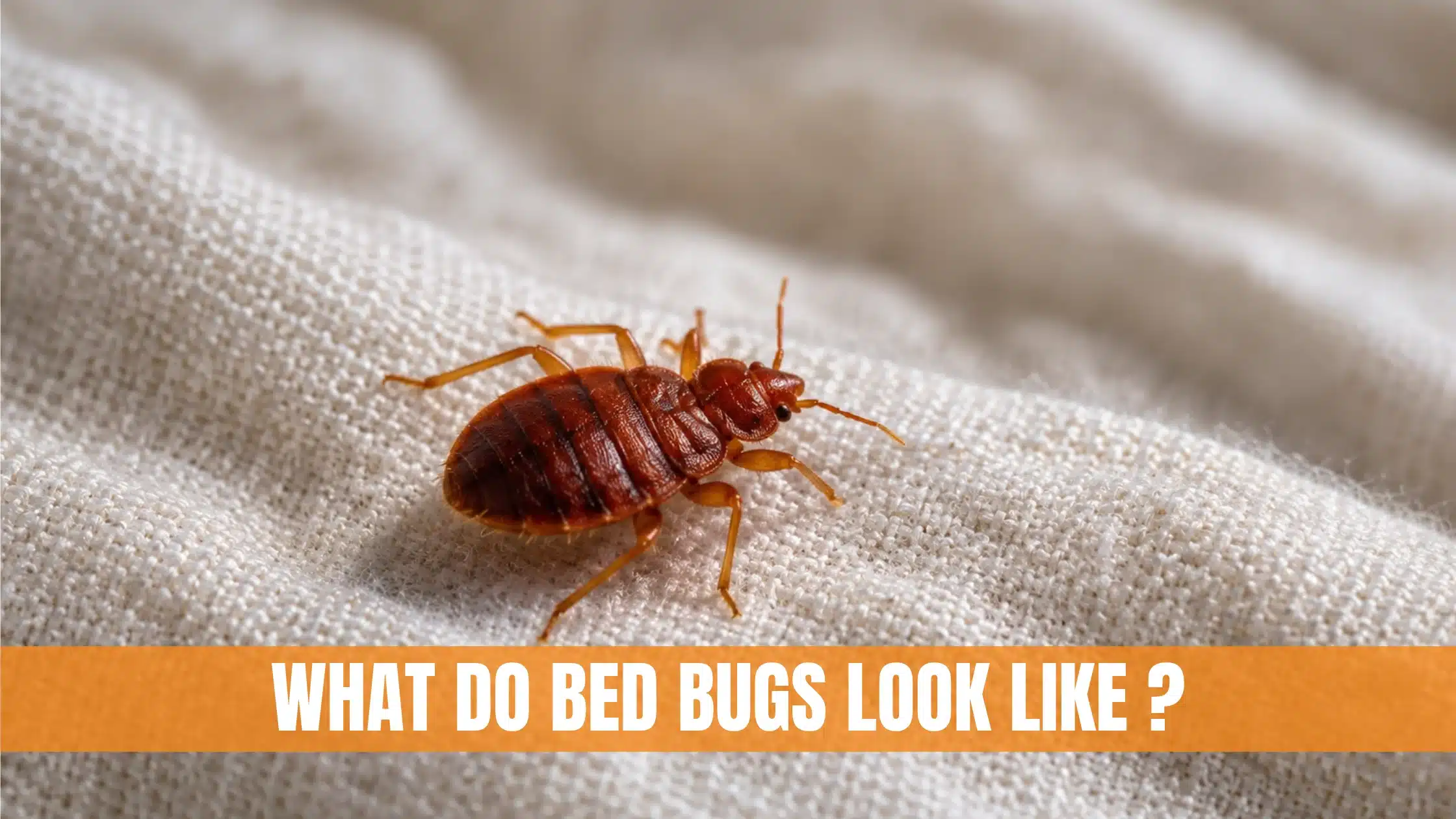
Adult bed bugs are generally small, oval-shaped and reddish-brown, while younger ones appear pale or almost transparent. Their eggs are tiny, creamy white, and often found in protected hiding spots. You may also notice dark spots, shed skins or small blood stains on your bedding, which can indicate bed bug activity.
If you suspect an infestation, checking your mattress, bed frame and nearby furniture is a sensible first step. Avoid relying only on bite marks, as other insects can cause similar skin reactions. Early identification makes it easier to plan effective bed bug control and reduce the chances of the infestation spreading to other areas of your property. For Sydney residents, arranging a professional inspection can help identify the problem and determine the most suitable treatment approach.
What Do Bed Bugs Look Like to the Naked Eye?
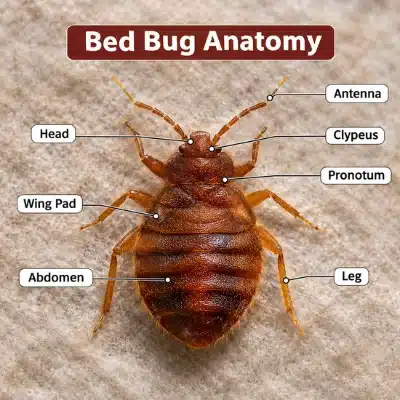
Bed bugs are small, flat, oval-shaped insects that feed on human blood. Adult bed bugs are generally around 4–6 mm long, approximately the size of an apple seed. They usually have a reddish-brown appearance, although their colour can become darker and their bodies more swollen after feeding.
Unlike fleas, bed bugs do not jump. They also cannot fly because they do not have functional wings. Instead, they crawl across surfaces and hide in narrow cracks, mattress seams and furniture joints.
Their flattened bodies allow them to squeeze into surprisingly small spaces, making them difficult to locate during an ordinary bedroom cleaning routine.
How To Identify Bed Bugs By Their Life Cycle Stage?
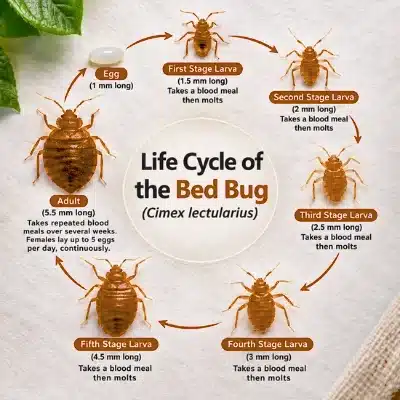
Recognising bed bugs at different stages of development can make identification easier. These insects pass through several growth stages before becoming adults.
1. Adult Bed Bugs
Adult bed bugs have oval, flattened bodies and are usually reddish-brown. After feeding, their abdomens become more rounded and darker because of the blood they have consumed. They are large enough to be seen without magnification, particularly against light-coloured bedding.
2. Young Bed Bugs (Nymphs)
Young bed bugs are called nymphs. They are much smaller than adults and usually appear pale, translucent or cream-coloured before feeding. After consuming blood, their bodies may develop a reddish appearance.
Because of their small size and lighter colour, nymphs can easily go unnoticed around mattress stitching and other concealed areas.
3. Bed Bug Eggs
Bed bug eggs are tiny, approximately 1 mm long, and usually creamy white. They are difficult to spot without careful inspection because they are often attached to hidden surfaces in cracks and crevices.
Female bed bugs lay eggs in protected areas close to their feeding locations. Finding eggs or empty eggshells can indicate that an infestation is developing.
Where Do Bed Bugs Hide in Sydney Homes?
Bed bugs usually stay close to sleeping areas, hiding in dark, narrow spaces during the day and coming out at night to feed. In Sydney homes and apartments, they can settle in several places, making early detection difficult.
Common hiding spots include:
- Mattress seams and folds: Small gaps provide ideal shelter.
- Bed frames and headboards: Check joints, cracks and corners carefully.
- Bedside tables and furniture: Inspect drawers, joints and hidden gaps.
- Carpet edges and skirting boards: Bed bugs can hide in narrow spaces along the floor.
- Wall coverings and picture frames: Loose wallpaper and spaces behind frames may also provide shelter.
In Sydney’s multi-unit buildings, shared walls and concealed spaces can make inspections more challenging. Remember, bed bugs are not necessarily a sign of poor hygiene. They can even enter clean homes through luggage, clothing, second-hand furniture and other belongings.
Common Signs of a Bed Bug Infestation
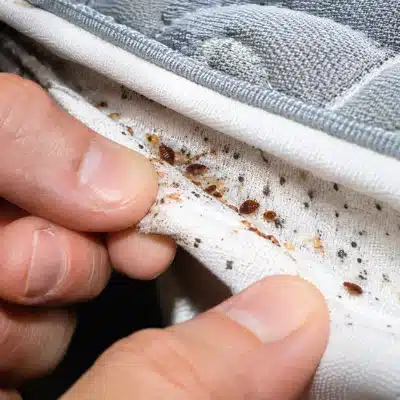
Sometimes, you may notice evidence of bed bugs before seeing a live insect. Knowing these warning signs can help you investigate a possible infestation.
Small Blood Stains on Bedding
Tiny reddish or rust-coloured stains on pillowcases, sheets and mattresses may appear when bed bugs are accidentally crushed after feeding.
Dark Spots on Mattresses
Small black or brown marks around mattress seams and bed frames may be bed bug droppings. These spots are often found close to their hiding places.
Shed Skins and Eggshells
Bed bugs shed their outer skins as they grow. Finding pale, empty insect skins or tiny eggshells around furniture joints and mattress folds may indicate their presence.
Unexplained Bites
Some people notice itchy red marks after sleeping. These may appear on exposed areas such as the arms, shoulders, neck and legs. However, bite reactions vary, and some people do not develop noticeable symptoms.
What Do Bed Bug Bites Look Like?
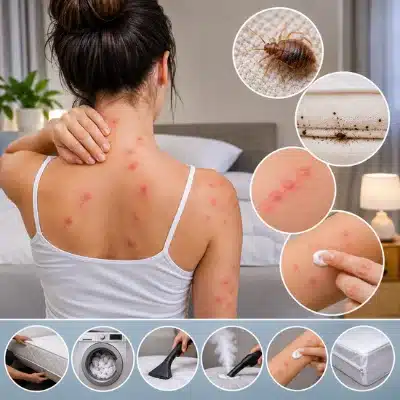
Bed bug bites commonly appear as small, red, itchy bumps. They may occur individually, in clusters or in a line on exposed skin. However, their appearance can vary considerably between individuals.
Some people experience swelling and irritation, while others may have little or no visible reaction. It is also important to remember that mosquito bites, flea bites and certain skin conditions can look similar.
Therefore, identifying an infestation based only on bite marks is not reliable. Check your mattress, bed frame and surrounding furniture for physical evidence. If the skin reaction becomes severe, painful or infected, seek medical advice.
Why Are Bed Bugs a Concern for Sydney Properties?
Bed bugs are a growing concern for many types of properties across Sydney, including apartments, rental homes, hotels, hostels and short-stay accommodation. With people frequently travelling and moving between locations, these pests can easily spread through personal belongings and furniture.
Common ways bed bugs enter properties include:
- Travel luggage: They can hide in suitcases and backpacks after hotel stays or holidays.
- Second-hand furniture: Used mattresses, beds and other furniture may carry hidden bed bugs.
- Clothing and belongings: They can travel on personal items and household possessions.
- Shared accommodation: Frequent movement between rooms and neighbouring units can make infestations harder to manage.
Bed bugs are not necessarily linked to poor hygiene, so even clean and well-maintained properties can be affected. Although they are not known to transmit infectious diseases, their bites may cause itching, skin irritation and disturbed sleep. A persistent infestation can also create stress and inconvenience for residents, making early identification and appropriate treatment important.
How To Check For Bed Bugs In Sydney Homes
Finding bed bugs in your home can be challenging because these pests prefer dark, hidden spaces and usually come out at night to feed. If you notice unexplained bites or suspicious marks on your bedding, knowing how to inspect for bed bugs can help you identify an infestation before it spreads.
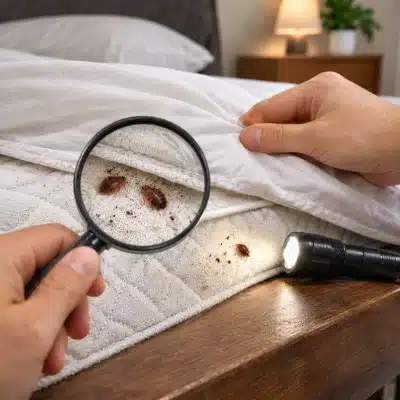
Start by gathering a few useful tools, such as a flashlight, gloves, a magnifying glass and a flat-edged tool for checking narrow gaps. Follow these steps during your inspection:
- Examine your bedding: Carefully check mattress seams, folds, labels, pillows and sheets for live insects, eggs or dark spots.
- Inspect the bed frame: Look closely at headboards, joints, cracks and corners where bed bugs can remain hidden.
- Check nearby furniture: Examine upholstered chairs, bedside tables, drawers and clutter around sleeping areas.
- Look for infestation signs: Watch for rust-coloured stains, tiny dark droppings, shed skins and small creamy-white eggs.
Pay particular attention to areas close to your bed, as bed bugs often hide near their feeding locations. If you discover suspicious signs, avoid moving potentially infested items into other rooms.
What Bugs Look Like Bed Bugs?
Several household pests can be mistaken for bed bugs because of their similar size, appearance or feeding habits. Fleas, ticks, itch mites and German cockroach nymphs are some common examples. However, understanding their physical differences can help you identify the pest correctly and choose the right treatment.
Bed Bugs vs. Itch Mites
Both pests can cause skin irritation, but they are quite different. Bed bugs are visible insects that feed on human blood, while scabies is caused by microscopic mites that burrow into the skin. Bed bug bites often appear on exposed areas, whereas scabies causes an itchy rash around areas where mites burrow.
Bed Bugs vs. Fleas
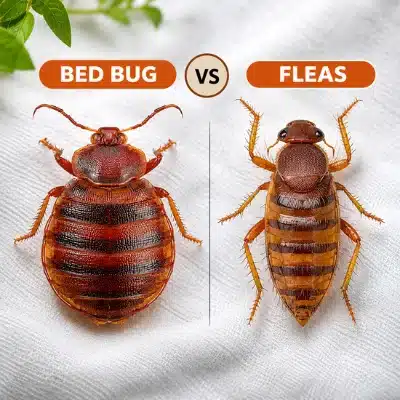
Both feed on blood and can cause itchy bites. However, bed bugs have broad, flattened bodies and cannot jump. Fleas have narrower bodies and powerful hind legs that allow them to jump quickly between hosts.
Bed Bugs vs. Ticks
Ticks and bed bugs are both blood-feeding pests, but ticks are arachnids with rounded bodies and eight legs. Bed bugs are insects with six legs and flat, oval-shaped bodies. Ticks are commonly encountered outdoors, while bed bugs usually hide indoors.
Bed Bugs vs. German Cockroach Nymphs
Young German cockroaches can resemble bed bugs because of their similar size and colour. However, cockroach nymphs have longer, narrower bodies and long, moving antennae. Bed bugs have broader oval bodies and shorter antennae. Correct identification is important when choosing suitable pest control treatment.
How to Get Rid of Bed Bugs in Sydney
Getting rid of bed bugs can be difficult because these pests hide in tiny cracks, mattress seams and furniture joints. Their eggs can also survive treatments that eliminate exposed insects, making it important to follow a thorough approach. If you notice signs of an infestation, taking early action can help prevent the problem from spreading.
Here are some steps that can help manage bed bug activity:
- Wash bedding thoroughly: Wash affected sheets, pillowcases and washable fabrics using an appropriate hot-water setting, following their care instructions.
- Use a suitable dryer cycle: Heat-dry washable items where the fabric allows, as appropriate heat can help eliminate bed bugs.
- Vacuum affected areas: Carefully vacuum mattress edges, bed frames, carpets and nearby furniture. Dispose of the vacuum contents safely.
- Reduce clutter: Keep sleeping areas organised to limit potential hiding places and make inspections easier.
- Avoid random insecticide use: Never apply household chemicals to mattresses or sleeping surfaces unless the product label specifically permits it.
Although these steps may reduce bed bug numbers, they might not eliminate an established infestation. Professional pest control Sydney involves inspecting affected areas, identifying hiding spots and selecting suitable treatments.

When Should You Contact a Professional Bed Bug Control Service?
Bed bugs can multiply quickly and hide in places that are difficult to reach. While basic cleaning may help reduce their numbers, a persistent infestation often requires professional attention. Knowing when to contact a bed bug control service can help prevent the problem from spreading throughout your Sydney property.
Consider arranging a professional inspection if you notice any of these warning signs:
- Live bed bugs: You repeatedly find small, reddish-brown insects on mattresses, bed frames or nearby furniture.
- Bed bug eggs: Tiny, creamy-white eggs appear in mattress seams, cracks or furniture joints.
- Shed skins: Pale insect skins around sleeping areas may indicate active bed bug development.
- Dark spots or stains: Small black droppings or rust-coloured marks on bedding can suggest bed bug activity.
- Recurring bites: Unexplained itchy marks, particularly when accompanied by other physical evidence, may indicate an infestation.
A trained pest management professional can identify the insects, inspect potential hiding places and recommend suitable treatment based on the severity of the problem.
EMK Termite & Pest Control Sydney provides pest management services for residential and commercial properties. If you suspect bed bugs in your home or workplace, arranging a professional inspection can help determine the extent of the infestation and the appropriate treatment approach.
Conclusion
Understanding what do bed bugs look like is essential for recognising the early signs of an infestation in your Sydney property. Their reddish-brown bodies, pale young stages, tiny eggs and dark spots around mattresses can help you identify their presence. Since bed bugs hide in small cracks and furniture joints, delaying treatment may allow the infestation to spread and become more difficult to manage. Regularly inspect your bedding, bed frames and nearby furniture, and seek professional help if you notice signs of bed bug activity.
Don’t let bed bugs disturb your comfort or peace of mind! Contact EMK Termite & Pest Control Sydney for professional bed bug inspection and suitable pest management solutions. Get in touch with our team today to discuss your pest control needs and take the first step towards a cleaner, more comfortable living environment.
What Our Customers Had To Say


 Trustindex verifies that the original source of the review is Google.
 Trustindex verifies that the original source of the review is Google.
 Trustindex verifies that the original source of the review is Google.
 Trustindex verifies that the original source of the review is Google.
 Trustindex verifies that the original source of the review is Google.
 Trustindex verifies that the original source of the review is Google.
 Trustindex verifies that the original source of the review is Google.
Frequently Asked Questions About What Bed Bugs Look Like
1. What do bed bugs look like to the human eye?
2. What colour are bed bugs?
3. What do bed bug eggs look like?
4. Can bed bugs be mistaken for other insects?
5. Where do bed bugs hide during the day?
6. What do bed bug bites look like?
7. Can bed bugs live in clean Sydney homes?
8. How can I tell if my mattress has bed bugs?
9. How do I get rid of bed bugs in Sydney?
When should I contact a professional bed bug control service?
About The Author

EMK Termite & Pest Control Team
EMK Termite & Pest Control Team is a licensed and experienced pest control service provider based in Sydney, Australia. Our team specialises in termite treatment, cockroach control, spider control, and general pest management for residential and commercial properties.
With years of hands-on experience, we follow Australian safety standards and use proven, eco-friendly pest control methods to deliver long-lasting results. All content published on this website is written and reviewed by trained pest control professionals to ensure accuracy, safety, and real-world expertise.