mask logo

Full Licensed and Insured.

Call Us Now

(040) 234-3590

Bee Sting Symptoms, Treatment & Prevention

Content Updated: April 15, 2026

What Is A Bee Sting?

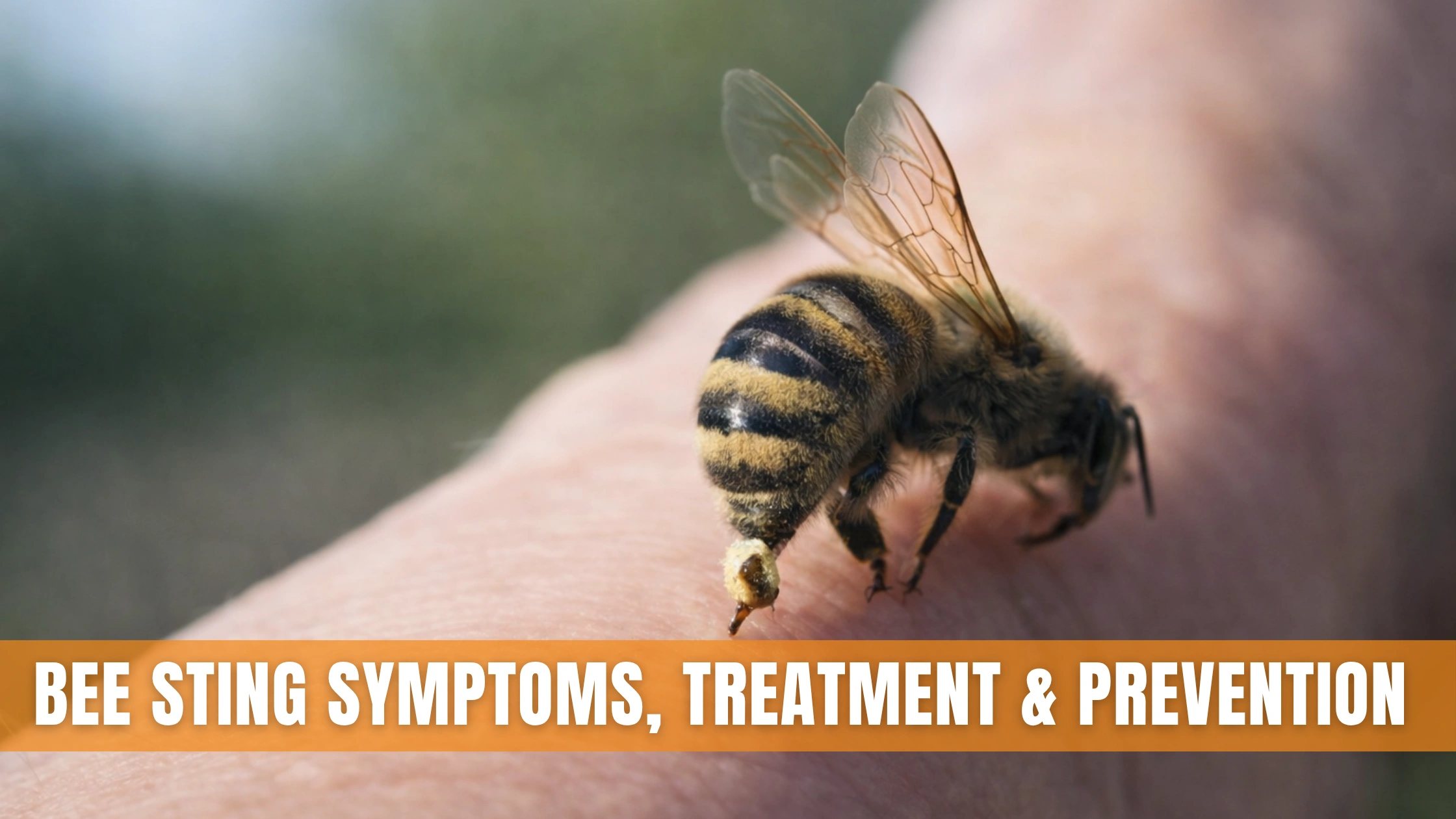
A bee sting is an injury caused when a bee uses its stinger to defend itself or its hive. Bees are winged insects with a three-part body head, thorax, and abdomen,and a sharp, thorn-like stinger located at the end of the abdomen. This stinger contains venom, which is injected into the skin when the bee stings. In most cases, the stinger becomes lodged in the skin and continues to release venom, leading to immediate symptoms such as pain, redness, and swelling.

Here are key points to understand about bee stings:

  • Cause: Bees sting mainly when they feel threatened or disturbed
  • Venom effect: The venom triggers pain, irritation, and inflammation
  • Stinger reaction: The embedded stinger can continue releasing venom if not removed quickly


While most stings are mild, some individuals may be allergic to bee venom. In such cases, a sting can trigger a severe allergic reaction that requires urgent medical attention and can be life-threatening if untreated.

Despite this, bees play an essential role as pollinators, supporting ecosystems and agriculture. Although being stung is unpleasant, it usually happens as a defensive response. Understanding how bee stings work can help you respond quickly and manage symptoms effectively while reducing discomfort.

What Is A Bee Sting?

Understanding Bee Sting in Australia

Australia is home to more than 1,700 species of bees, including the European honey bee (Apis mellifera), native stingless bees, and a wide range of solitary bee species. Most of these bees are non-aggressive and will only sting when they feel threatened or their hive is disturbed. However, a bee sting can still cause discomfort, and in some cases, serious health concerns.

When a bee stings, it injects venom into the skin using a sharp stinger, which is often left embedded at the sting site. This venom causes an immediate reaction, leading to symptoms such as pain, redness, and swelling around the affected area.

Here are some key effects of a bee sting:

  • Local reaction: Pain, swelling, and irritation at the sting site
  • Inflammation: The body reacts to venom, causing redness and tenderness
  • Allergic response: Some individuals may experience more intense swelling or discomfort


In rare cases, a bee sting can trigger a severe allergic reaction known as anaphylaxis. This is a medical emergency that requires immediate attention, as symptoms may include difficulty breathing, dizziness, or swelling of the throat.

Although bee stings can be painful, understanding their effects helps you respond quickly and safely.

Identifying a Bee Sting – What Does It Look Like?

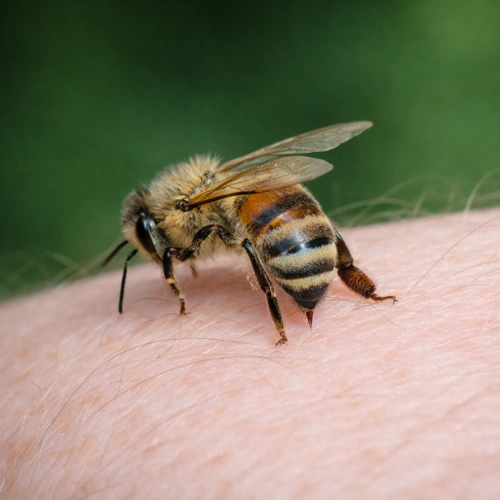
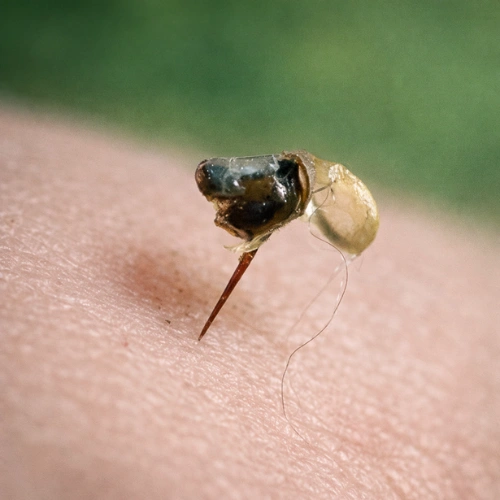
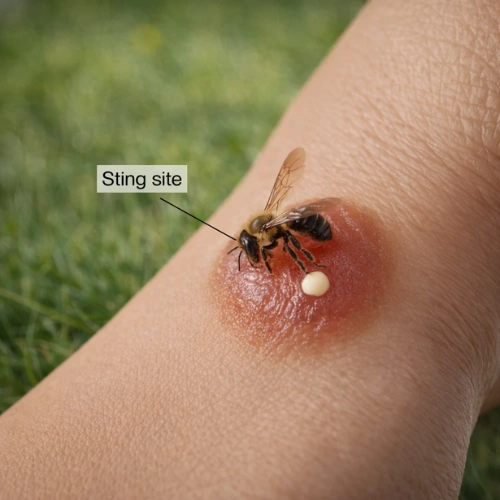
A bee sting typically appears as a small puncture mark on the skin, often surrounded by redness, pain, and mild swelling. One of the key features that helps identify a bee sting is the presence of the stinger, which may remain embedded in the skin. This is a major difference between bees and wasps ,bees usually leave their stinger behind and die after stinging, while wasps can sting multiple times without losing theirs.

Here are the most common signs of a bee sting:

  • Sharp, immediate pain at the sting site
  • Redness and warmth around the affected area
  • Visible puncture mark, sometimes with the stinger still present
  • Localized swelling that may increase over a few hours
  • Itching or irritation as the skin reacts to the venom


In most cases, these symptoms remain mild and settle within a short time. However, the reaction can vary depending on the individual and the location of the sting. Areas such as the face or neck may swell more noticeably.

Recognizing these signs early can help you take quick action, such as removing the stinger and managing symptoms effectively to reduce discomfort and prevent complications.

Identification of Bee Sting

What Is The Difference Between Bee Sting And Wasp Sting?

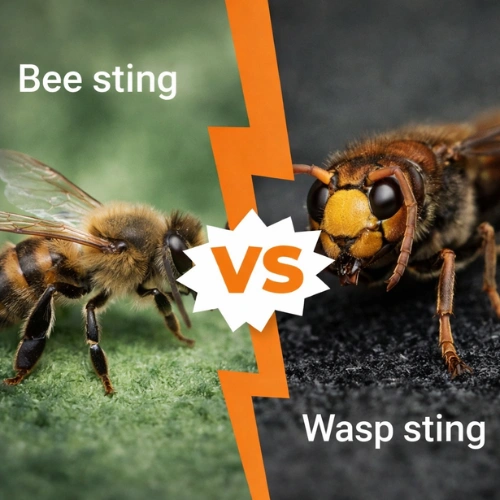
Both bees and wasps are common stinging insects, but their behaviour and the way they sting are quite different. Understanding these differences can help you respond appropriately and reduce risks, especially if you’re sensitive to stings.

Here are the key differences between bee and wasp stings:

  • Bee stings: When a bee stings, it leaves its stinger and venom sac in the skin. This continues to release venom, and the bee dies shortly after, meaning it can only sting once
  • Wasp stings: Wasps do not leave their stinger behind and can sting multiple times, making them more dangerous in repeated encounters
  • Aggression level: European wasps are generally more aggressive and may attack if their nest is disturbed, while bees usually sting only in self-defence
  • Location of stings: Most bee and wasp stings occur outdoors, often around gardens, roofs, or near homes
  • Allergic reactions: Honeybee stings are a common cause of allergic reactions, but native Australian bees can also trigger similar responses
  • Venom differences: Bees and wasps have different venom compositions, so being allergic to one does not always mean you’ll react to the other


Knowing these differences helps you stay cautious and prepared when dealing with stinging insects.

Difference Between Bee Sting And Wasp Sting

What Are The Symptoms of a Bee Sting?

A bee sting can cause a range of symptoms, from mild irritation to more serious reactions depending on individual sensitivity. Most people experience localised effects that are uncomfortable but manageable.

Common symptoms of a bee sting include:

  • Sharp, burning pain immediately after the sting
  • Redness or skin discoloration around the affected area
  • Swelling, which may increase over a few hours
  • Itching or irritation as the skin reacts to the venom


These symptoms usually remain mild and subside within a short period. However, in some cases, a bee sting can trigger a severe allergic reaction known as anaphylaxis, which requires urgent medical attention.

Signs of a severe allergic reaction include:

  • Hives or widespread rash on the body
  • Difficulty breathing or shortness of breath
  • Swelling of the tongue, lips, or throat
  • Lightheadedness or dizziness
  • Stomach cramps, nausea, or diarrhea
  • Rapid or weak pulse


Anaphylaxis can develop quickly and become life-threatening if not treated immediately. If any of these severe symptoms occur, emergency medical help should be sought without delay. Recognizing these signs early can help ensure timely treatment and prevent complications.

Symptoms of Bee Sting

Bee Sting Treatment

Getting stung by a bee can be both painful and alarming. The venom released during a sting can trigger reactions ranging from mild irritation to more serious allergic responses. However, understanding how to respond quickly and correctly can make a big difference. Prompt treatment helps ease pain, minimise swelling, and reduce the risk of complications. By taking the right steps immediately after a sting, you can manage symptoms effectively and support faster healing. Whether caring for yourself or someone else, proper first aid ensures the situation stays under control and prevents it from becoming more severe.

Remove the Stinger

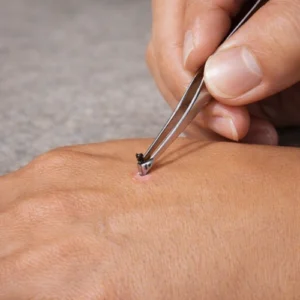
When dealing with a bee or wasp sting, it’s important to remove the stinger as quickly as possible to reduce the amount of venom entering the body. The longer the stinger stays embedded in the skin, the more venom it releases, increasing pain, swelling, and the risk of an allergic reaction. Acting fast can help minimize discomfort and prevent symptoms from worsening.

To remove the stinger safely, stay calm and avoid squeezing it, as this can push more venom into the skin. Instead, gently scrape it away using a fingernail, credit card, or another blunt object. Use a sideways motion to lift the stinger out rather than pulling or pinching it.

Quick removal plays a key role in reducing the severity of the reaction. The venom left in the skin can intensify irritation, leading to redness, itching, and swelling. By taking immediate action and removing the stinger properly, you can limit these effects and make the recovery process more comfortable and manageable.
Remove the Stinger

Wash the Area With Soap and Water

Washing the sting site with soap and water is a crucial step when dealing with insect bites or stings. This simple action helps remove venom residue and significantly reduces the risk of infection.

When an insect stings, venom is injected into the skin, causing reactions that can range from mild irritation to more serious symptoms. Cleaning the area promptly helps wash away any venom left on the surface, limiting its effect on the body. Soap and running water work together to remove contaminants and reduce further irritation.

Proper cleaning also plays an important role in preventing infection. A sting creates a small opening in the skin, making it easier for bacteria and germs to enter. Washing the area helps eliminate these harmful elements, lowering the chances of infection developing.

In addition, cleaning the sting site can help reduce discomfort. Residual venom and irritants on the skin can increase itching, redness, and pain. By gently washing the area, you can soothe the skin and prevent symptoms from worsening.

For these reasons, it’s important not to skip this step. Taking a moment to clean the sting properly can help remove venom, protect against infection, and ease discomfort effectively.
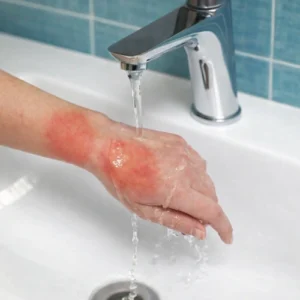
Washing Hand With Soap And Water

Apply an Ice Pack

To effectively manage pain using an ice pack, follow these simple steps. Start by gathering the necessary items: an ice pack, a clean cloth or towel, and access to a freezer.

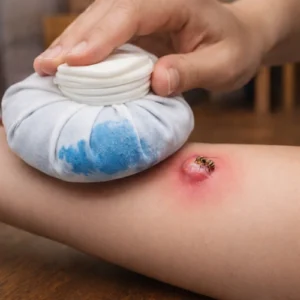
First, wrap the ice pack in the towel. This creates a protective barrier between the cold surface and your skin, helping to prevent irritation or ice burns.

Next, gently place the wrapped ice pack on the affected area. Apply light pressure to ensure good contact. Keep it in place for about 10 to 15 minutes, allowing the cold temperature to numb the pain and reduce swelling or inflammation.

Once the time is up, remove the ice pack and give your skin a break. If discomfort continues, you can repeat the process at intervals of 10 to 15 minutes as needed.

For ongoing relief, you can alternate between two ice packs ,keeping one in the freezer while using the other. This ensures a consistent cooling effect.

Keep in mind that ice therapy is best for short-term relief. If pain persists or becomes worse, it’s important to seek advice from a healthcare professional.


Elevate the Area

Elevating the affected area above heart level is a simple and effective way to reduce swelling after a sting or injury. By raising the area higher than the heart, gravity helps limit blood flow and fluid buildup, which can minimise inflammation and discomfort.

To elevate the area correctly, follow these steps:

  • Find a comfortable position: Sit or lie down in a relaxed posture where the affected area can be easily supported
  • Use pillows or cushions: Gather enough pillows to create a stable and comfortable support
  • Position the area properly: Place the pillows under the injured part so it is elevated above heart level—for example, raise your leg if your foot has been stung
  • Adjust as needed: Use additional support to maintain the correct height and comfort

If elevating the area is not possible due to the location of the sting, you can try alternative methods:

  • Apply gentle pressure: Use your hand or a clean cloth to reduce blood flow to the area
  • Use a compression bandage: Wrap the area carefully to help control swelling

If swelling continues, worsens, or is accompanied by symptoms like dizziness or breathing difficulty, seek medical attention immediately.


Elevate the Area

If Pain Persists, Go to the Hospital

If you experience a bee sting, it’s normal to have some pain, swelling, and discomfort. In most cases, these symptoms improve within a short time. However, there are situations where the reaction may become more serious, and medical attention is required.

One important factor to watch is the duration and intensity of pain. Typically, pain should gradually decrease. If it continues to worsen or remains intense for an extended period, it could indicate a more severe reaction or possible infection, and you should seek medical advice.

Swelling is also common after a sting, but it should remain localised and begin to reduce over time. If the swelling increases significantly, spreads to other areas, or does not improve after a day or two, it may be a sign of an allergic response or complication that needs attention.

You should also be alert to additional symptoms such as difficulty breathing, dizziness, nausea, or a rapid heartbeat. These may indicate a serious allergic reaction and require immediate medical care.

If symptoms persist, worsen, or new symptoms appear, it’s important to seek professional medical help promptly to ensure proper treatment and avoid complications.

Effective Bee Treatments with EMK Termite & Pest Control Sydney

EMK Termite & Pest Control Sydney offers effective and responsible solutions to manage and control bee populations. While bees are essential pollinators and play a crucial role in the ecosystem, they can become a risk when nesting near homes or high-traffic areas due to their stings. The goal is to balance safety while protecting these beneficial insects.

There are several approaches used for bee control. In many cases, relocation is the preferred method, where bees are safely captured and moved to a more suitable environment away from human activity. This helps preserve their role in nature while reducing risk.

However, if a hive poses a serious threat or is located in a high-risk area, more direct action may be required. This can include safe hive removal, carried out carefully to minimise harm to both people and bees.

Non-chemical, eco-friendly methods are prioritised wherever possible to maintain environmental balance and reduce impact on surrounding areas.

To minimise future encounters, using protective clothing and avoiding active nesting areas can help. For safe and professional bee control solutions, trust EMK Termite & Pest Control Sydney to protect your property effectively.

About The Author

Leave a Reply

Your email address will not be published. Required fields are marked *