
Content Updated: April 30, 2026
What are Christmas Beetles?
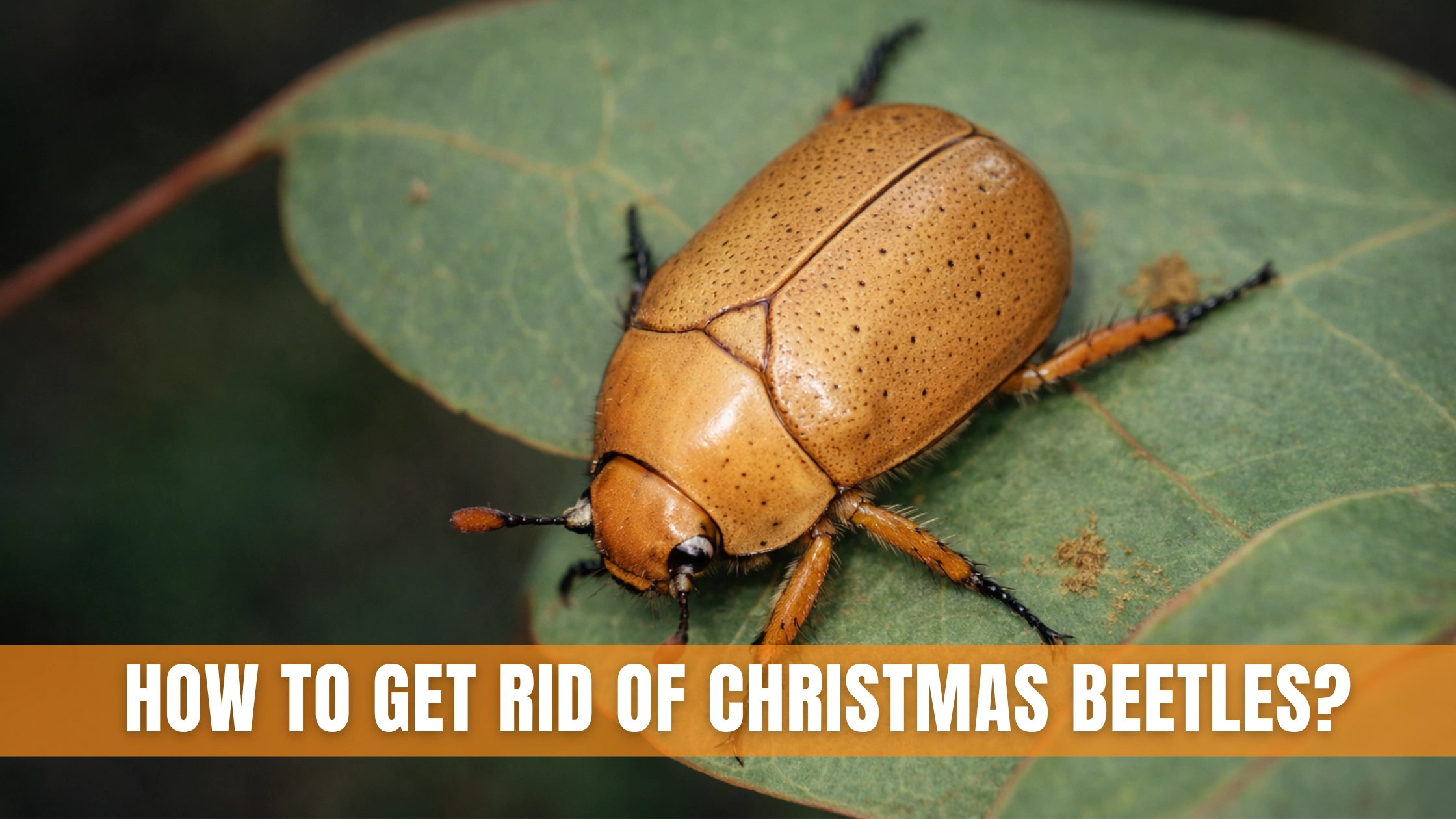
Christmas beetles are a unique and eye-catching group of insects that have long intrigued both scientists and nature lovers. Belonging to the genus Anoplognathus, these beetles are native to Australia and are especially well known for appearing in large numbers around the Christmas period, which is how they got their name. Their shiny, metallic colors ,ranging from greens and golds to bronzes ,make them stand out in the natural world.
Often seen flying somewhat awkwardly, Christmas beetles in Sydney are a familiar part of the Australian summer experience. They are commonly attracted to lights at night and can frequently be found around homes and gardens during the festive season. While their clumsy flight and sudden appearances may surprise some people, they play an important role in the ecosystem, particularly in pollination and as part of the food chain.
Beyond their festive association, Christmas beetles are also an important indicator of environmental health. Changes in their population can reflect shifts in climate and habitat conditions. This makes them not only interesting to observe but also valuable for understanding broader ecological patterns in Australia. Christmas beetles are common seasonal pests in Sydney that can damage trees, plants, and gardens during the warmer months. While they are a well-known part of Australian summers, large numbers of Christmas beetles can become a nuisance around homes and outdoor lights. In this guide, EMK Termite & Pest Control Sydney explains how to identify and safely remove Christmas beetles.

Understanding the Life Cycle of Christmas Beetle
To effectively manage Christmas beetles, understanding the life cycle of christmas beetle is essential. These insects go through complete metamorphosis, which includes four key stages: egg, larva, pupa, and adult. Each stage plays a role in how they impact your garden, so knowing when and how they develop can help you apply the right control methods at the right time.
Here’s a simple breakdown:
- Egg Stage: Female beetles lay eggs in the soil, usually during warmer months.
• Larval Stage: Once hatched, larvae (grubs) live underground and feed on plant roots, which can weaken lawns and garden plants.
• Pupal Stage: After feeding, larvae transform into pupae in the soil, preparing to become adults.
• Adult Stage: Adult beetles emerge and feed on leaves, often causing visible damage to trees and shrubs.
Understanding this cycle allows you to take targeted action. For example, treating the soil during the larval stage can prevent root damage, while managing adults can reduce leaf destruction and future egg-laying.
By focusing on each stage at the right time, you can significantly reduce the impact of Christmas beetles and protect the health of your plants, lawn, and garden environment more effectively.

How to Identify Christmas Beetles
Identifying Christmas beetles is an important step in effective pest control, especially when trying to distinguish them from other common pests like Carpet Beetles. Adult Christmas beetles are typically 20–35 mm long and have a rounded, robust body with long legs and noticeable antennae. One of their most distinctive features is their metallic sheen, which can appear in shades of green, gold, or bronze depending on the species. This shiny appearance makes them easier to recognise compared to smaller indoor pests such as Carpet Beetles, which are usually much smaller and less vibrant.
Christmas beetles are generally poor flyers, often appearing clumsy as they move through the air. They are most active during the evening and night, especially when outdoor lights are on, as they are strongly attracted to illumination. This behaviour can make them a nuisance for people enjoying outdoor activities during warm summer nights.
Unlike Carpet Beetles, which are more commonly found indoors and feed on fabrics, Christmas beetles are primarily outdoor pests that feed on leaves and vegetation. Correct identification helps ensure the right treatment approach is used, preventing unnecessary damage to your home, garden, and surrounding environment.
Common Habitats Of Christmas Beetles
Christmas beetles are commonly found in natural habitats such as woodlands and forests, where conditions are ideal for their survival and growth. These environments provide everything the beetles need, including food, shelter, and suitable moisture levels. The abundance of trees and plants in these areas creates a rich food source, as Christmas beetles mainly feed on leaves, nectar, and sap. The thick canopy offers plenty of foliage, while flowering plants provide additional nourishment, helping sustain large beetle populations.
In addition to food, forests and woodland areas offer excellent shelter. Dense vegetation, tree bark, and leaf litter protect beetles from predators and harsh weather conditions. During the day, they often hide under leaves, rest on tree trunks, or burrow into the soil to stay safe and conserve energy. This natural cover plays a crucial role in their survival.
Moisture is another key factor for Christmas beetles. They thrive in humid environments that support their reproduction and development. Unlike arid or desert regions, forests maintain consistent moisture levels in the soil and air, making them highly suitable habitats. Overall, these environments provide the perfect balance of resources, allowing Christmas beetles to live, reproduce, and flourish successfully.
Are Christmas Beetles Dangerous?
Christmas beetles are generally harmless insects and pose very little risk to humans. These brightly coloured beetles are commonly seen in Australia during the festive season and are more of a seasonal curiosity than a threat. Unlike stinging insects such as bees or wasps, Christmas beetles do not have venom and cannot sting or bite, making them safe to be around.
They are also not known to spread diseases or harmful parasites. Christmas beetles are herbivores, meaning they feed mainly on leaves ,especially eucalyptus rather than blood or waste that could carry pathogens. This makes their interaction with humans largely risk-free and non-threatening.
However, while they are not dangerous, they can sometimes become a nuisance. During summer evenings, they are strongly attracted to lights, which can lead to large numbers gathering around homes, outdoor areas, or events. Their clumsy flying patterns and tendency to bump into people can cause discomfort or surprise, especially for those who are uneasy around insects.
In some cases, their presence in large numbers may be irritating, but it is important to remember they are a natural part of the ecosystem. Overall, Christmas beetles are harmless creatures that may be annoying at times but do not pose any real danger to human health.

Common Problems Caused by Christmas Beetles
Christmas beetles can become a concern for gardeners and homeowners, especially when their numbers increase during the summer season. While they are not dangerous to humans, their feeding habits can negatively impact plants, trees, and overall garden health. Understanding the problems they cause helps in taking timely action.
Here are some common issues associated with Christmas beetles:
- Defoliation: Adult beetles feed on leaves, often stripping foliage from trees and plants. This reduces photosynthesis, leading to slower growth and weakened plant health—particularly in young or already stressed plants.
- Damage to Fruit and Flowers: These beetles may chew on fruits and flowers, leaving visible marks and affecting both the appearance and quality of produce. This can reduce yield and make plants less visually appealing.
- Weakening of Plants: Continuous feeding over time can stress plants, weakening their natural defenses. As a result, plants become more vulnerable to other pests, diseases, and environmental stress.
Although the damage may not always be severe, large infestations can significantly affect garden vitality. Monitoring beetle activity and applying appropriate control measures can help protect plants and maintain a healthy, thriving garden environment.

What Attracts Christmas Beetles?
Christmas beetles are commonly seen during the Australian summer and festive season, especially around homes, gardens, and outdoor lighting. These beetles are naturally attracted to warm temperatures, bright lights, and vegetation-rich environments. Understanding what attracts Christmas beetles can help homeowners reduce infestations and prevent them from gathering around the property.
Common Things That Attract Christmas Beetles:
- Bright Outdoor Lights:
Christmas beetles are strongly attracted to artificial lights at night, including porch lights, garden lights, and indoor lighting visible from outside. - Trees and Plants:
Adult Christmas beetles feed on eucalyptus leaves and other vegetation, making gardens and tree-filled areas highly attractive to them. - Warm Summer Weather:
Hot and humid conditions during late spring and summer increase Christmas beetle activity across Australia. - Moist Soil and Lawns:
Beetle larvae develop underground, so damp soil and healthy lawns can attract breeding activity. - Organic Matter and Mulch:
Decaying leaves, mulch, compost, and garden debris can create ideal environments for beetles to thrive. - Open Windows and Doors:
Beetles may accidentally enter homes while attracted to indoor lighting.
Reducing excessive lighting, maintaining gardens, and sealing entry points can help minimise Christmas beetle activity around homes and businesses. Professional pest control services may also be required for larger infestations.
Signs of a Christmas Beetle Infestation
Christmas beetles are common during the Australian summer, but large numbers around your property may indicate an infestation. These beetles are usually attracted to lights, gardens, and vegetation-rich areas. Identifying the early signs of a Christmas beetle infestation can help prevent damage to plants and reduce nuisance activity around homes.
Common Signs of Christmas Beetle Activity:- Large Numbers Around Lights:
Christmas beetles are highly attracted to bright outdoor and indoor lighting during the evening. - Beetles Inside the Home:
Frequent sightings near windows, doors, ceilings, or light fixtures may indicate increased beetle activity nearby. - Leaf Damage on Trees and Plants:
Adult Christmas beetles feed on eucalyptus leaves and garden vegetation, causing visible chewing damage. - Dead Beetles Around Property:
Finding multiple dead beetles near entry points, patios, or lighting areas is a common sign. - Increased Summer Activity:
A sudden rise in beetles during warm and humid weather may suggest a seasonal infestation.
If Christmas beetles become excessive around your home or business, professional pest control services can help manage and reduce infestations effectively.
Beetles That Look Like Christmas Beetles
Christmas beetles and scarab beetles are closely related insects, which is why many people confuse them. In fact, scarab beetles are among the most common beetles that look like Christmas beetles because both belong to the Scarabaeidae beetle family. However, there are several differences in appearance, behavior, and habitat.
Key Differences Between Christmas Beetles and Scarab Beetles:
- Appearance:
Christmas beetles often have a shiny metallic shell with golden, green, or brown colors, while scarab beetles usually appear darker and less glossy. - Seasonal Activity:
Christmas beetles are most active during the Australian summer and Christmas season. Scarab beetles can be active throughout different times of the year. - Feeding Habits:
Christmas beetles mainly feed on eucalyptus leaves and vegetation. Some scarab beetles feed on roots, grass, organic matter, or crops. - Habitat:
Christmas beetles are commonly found around gardens, trees, and outdoor lights, whereas scarab beetles are often seen in lawns, soil, and agricultural areas. - Damage Caused:
Christmas beetles mostly damage leaves, while some scarab beetle species can damage lawns and plant roots underground.
Because many beetles that look like Christmas beetles can be difficult to identify, professional pest inspections can help determine the exact beetle species and suitable treatment methods.
Christmas Beetles Vs Scarab Beetles
| Feature | Christmas Beetle | Scarab Beetle |
|---|---|---|
| Appearance | Metallic sheen | Broader body |
| Activity | Summer/Christmas | Year-round |
| Damage | Leaves & trees | Roots & turf |
| Habitat | Gardens & trees | Soil & lawns |
How To Get Rid of Christmas Beetles?
Getting rid of Christmas beetles requires a balanced and strategic approach. Instead of relying on a single method, combining multiple control techniques can deliver better and long-lasting results while protecting your garden ecosystem.
Here are effective ways to get rid of Christmas beetles:
- Biological Control: Encourage natural predators like birds, bats, and beneficial insects that feed on beetles. Promoting biodiversity in your garden helps maintain a natural balance and reduces beetle populations without harmful chemicals.
- Cultural Control: Modify your garden environment to make it less attractive to beetles. This includes removing plant debris, improving soil health, and ensuring plants are well-watered and fertilised. Healthy plants are more resistant to damage.
- Mechanical Control: Physically remove beetles by hand, especially during the evening when they are most active. You can also use protective nets, barriers, or light traps to reduce their access and population.
- Chemical Control: Use insecticides only when infestations are severe. Opt for eco-friendly or targeted treatments and always follow instructions carefully to avoid harming beneficial organisms.
- Integrated Pest Management (IPM): Combine all the above methods with regular monitoring. This approach targets different life stages of beetles, offering a sustainable and effective way to minimise damage while maintaining environmental balance.
Professional Christmas Beetle Pest Control Services
For severe infestations or when DIY methods are no longer effective, seeking professional help is the smartest solution. Their trained technicians have the expertise to assess the extent of the problem and apply customized solutions that address the issue at its source. With professional intervention, you can ensure a more thorough and long-lasting result, protecting both your property and garden.
Christmas beetles may be a nuisance for homeowners and gardeners, but they can be managed successfully with the right approach. Understanding their life cycle, correctly identifying them, and applying preventive strategies are key steps in minimising their impact. Regular garden maintenance, monitoring beetle activity, and using suitable control methods can significantly reduce damage to plants.
However, when infestations become severe, professional services play a crucial role. They provides expert solutions that combine advanced techniques with environmentally responsible practices. By combining proactive prevention with professional pest control when needed, you can effectively protect your plants, maintain a healthy garden, and prevent future infestations.
Seeing large numbers of Christmas beetles around your Sydney property? Contact EMK Termite & Pest Control Sydney for fast and affordable pest solutions.
Frequently Asked Questions (FAQ's) About Christmas Beetles
1.Are Christmas beetles harmful?
Christmas beetles are generally not harmful to humans because they do not bite or sting. However, large numbers of Christmas beetles can become a nuisance around homes, gardens, and outdoor lighting. In some cases, they may damage tree leaves and garden plants by feeding on vegetation.
2.Why are Christmas beetles attracted to lights?
Christmas beetles are strongly attracted to bright lights at night, especially during the summer and Christmas season. Outdoor lighting, porch lights, garden lights, and indoor lights visible from outside can attract large numbers of beetles to homes and businesses.
3.Do Christmas beetles damage plants?
Yes, Christmas beetles can damage plants and trees by feeding on leaves, particularly eucalyptus trees and garden vegetation. Small numbers are usually harmless, but larger infestations may lead to noticeable leaf damage and weakened plants.
4.How long do Christmas beetles live?
Adult Christmas beetles usually live for a few weeks to several months during the summer season. However, their larvae can remain underground for one to two years before developing into adult beetles.
5.How do professionals remove Christmas beetles?
Professional pest control experts manage Christmas beetles using targeted treatments, light management strategies, habitat reduction, and preventative pest control methods. They may also identify breeding areas and reduce conditions attracting beetles around the property.
6.Are Christmas beetles common in Sydney?
Yes, Christmas beetles are commonly seen in Sydney and many parts of Australia during the warmer months, especially around Christmas. They are often attracted to gardens, trees, and bright outdoor lighting in residential and commercial areas.
About The Author

EMK Termite & Pest Control Team
EMK Termite & Pest Control Team is a licensed and experienced pest control service provider based in Sydney, Australia. Our team specialises in termite treatment, cockroach control, spider control, and general pest management for residential and commercial properties.
With years of hands-on experience, we follow Australian safety standards and use proven, eco-friendly pest control methods to deliver long-lasting results. All content published on this website is written and reviewed by trained pest control professionals to ensure accuracy, safety, and real-world expertise.
