
Content Published : August 12, 2026
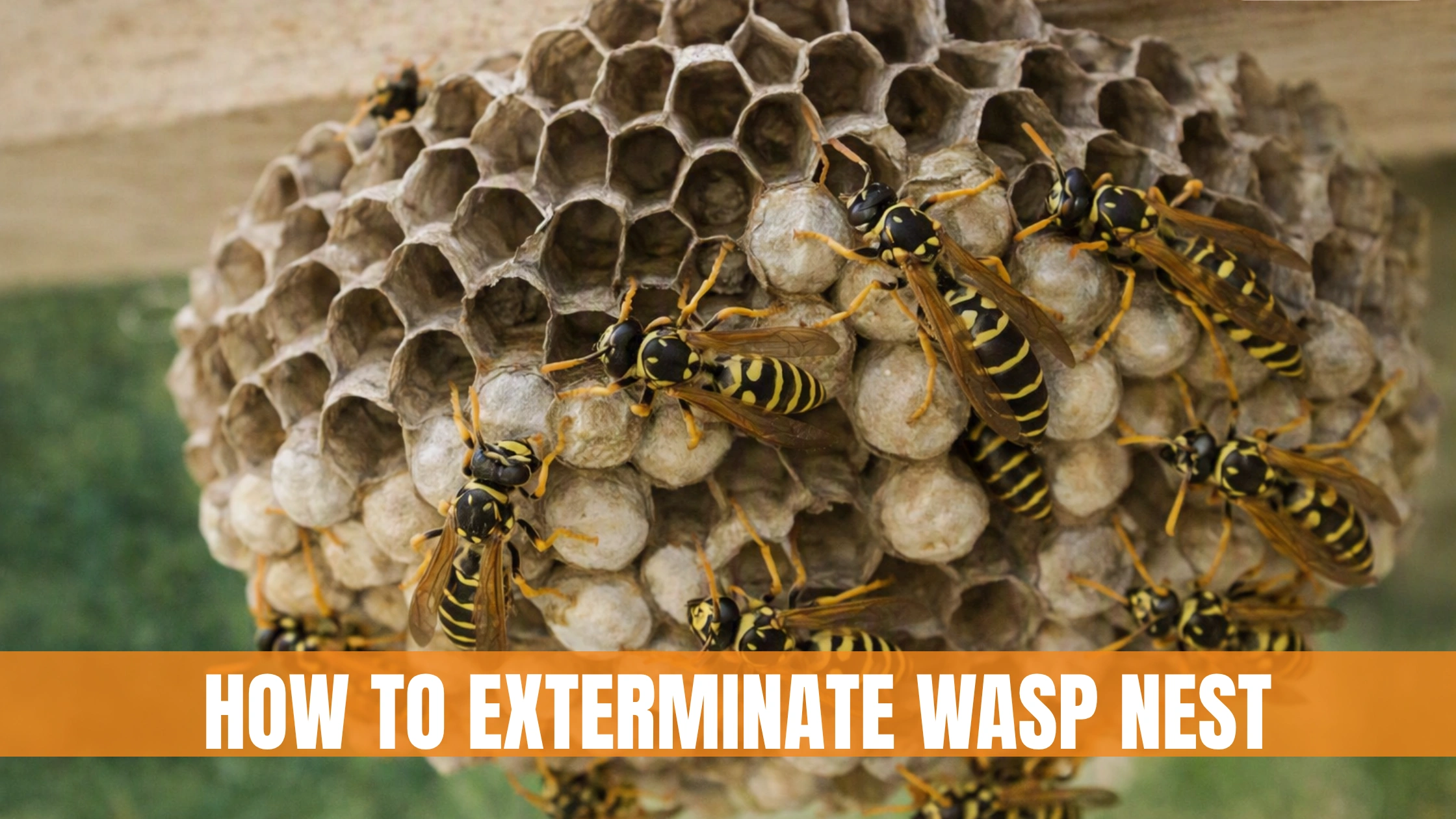
How To Exterminate Wasp Nest
Finding a wasp nest around your home or property can be concerning. If you are wondering how to exterminate wasp nest problems, avoid attempting DIY removal, as disturbing a nest can provoke aggressive behaviour and increase the risk of painful stings. This risk is particularly serious for people who are allergic to wasp venom.
Professional wasp control is a safer and more reliable option. Trained pest control technicians can identify the nest location, assess the level of activity, and use appropriate treatment methods to control the infestation while minimising risks to people and pets.
If you notice a wasp nest near doors, windows, balconies, gardens, roof spaces, or other frequently used areas, maintain a safe distance and avoid disturbing it. Do not attempt to knock down, burn, or physically remove the nest.
Professional wasp nest removal can help protect your family, employees, customers, pets, and property from unnecessary exposure. Early treatment can also help prevent wasp activity from becoming a larger infestation.
For safe and effective results, contact an experienced pest control professional. Understanding how to exterminate wasp nest infestations properly can help you avoid unnecessary risks and ensure the problem is addressed using suitable pest management practices.
Identifying the Wasp Species
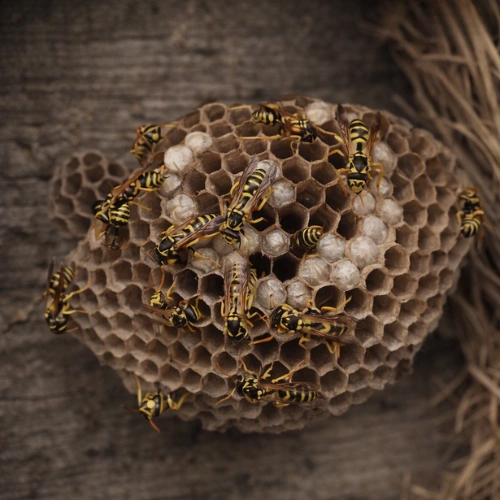
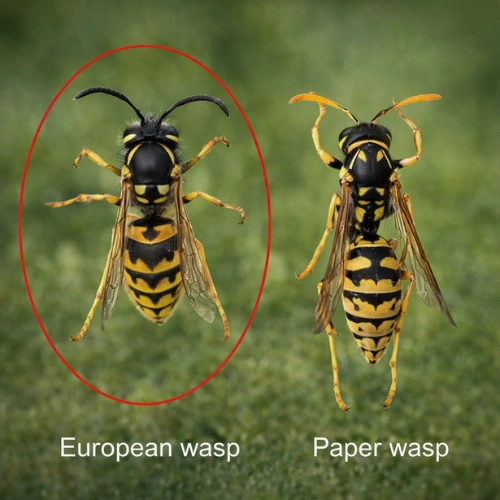
Before deciding how to exterminate wasp nest problems, it is important to identify the wasp species involved. Different wasps have different nesting habits and levels of aggression, which can influence the safest control approach.
- Paper Wasps: These wasps build distinctive umbrella-shaped nests, commonly beneath eaves, balconies, roof overhangs, and tree branches. They are generally less aggressive but may sting when their nest is disturbed.
- Yellow Jackets: Known for their territorial behaviour, yellow jackets may build nests underground, inside wall cavities, or around roof spaces. They can become aggressive when threatened and may swarm to defend their nest.
- European Wasps: Commonly encountered in Australia, European wasps can construct large nests in wall cavities, tree hollows, roof spaces, and underground locations. They are highly defensive and may attack in large numbers when their nest is disturbed.
Identifying the species can help determine the most appropriate pest management strategy. Because some wasps can become extremely aggressive when their nests are approached, attempting DIY removal may create unnecessary risks.
How NOT to Remove a Wasp Nest
Although many DIY methods for wasp nest removal are promoted online, attempting to eliminate an active nest yourself can be dangerous. Wasps can become highly defensive when their nest is disturbed, increasing the risk of multiple painful stings. For this reason, DIY wasp nest removal is generally not recommended.
1.Never Burn a Wasp Nest
Using fire to destroy a wasp nest is extremely dangerous and ineffective. Wasp nests are made from a paper-like material created by chewing wood fibres, making them highly flammable. Setting a nest on fire can quickly spread flames to nearby roofs, trees, walls, or other property.
Fire may also fail to eliminate every wasp. Surviving wasps can become aggressive and attack anyone nearby, creating a serious safety risk.
2.Avoid Flooding the Nest
Using water to flood a wasp nest is another ineffective DIY approach. Water may not reach all wasps inside the nest and can cause significant property damage.
For example, flooding a nest located in a roof cavity or attic could damage insulation, timber, ceilings, and electrical components. Surviving wasps may also become aggressive and attack when disturbed.
3.Do Not Hit the Nest
Trying to destroy a wasp nest with a baseball bat, racket, or similar object places you dangerously close to an active colony. The sudden disturbance can trigger an aggressive swarm and result in multiple stings.
This can be particularly dangerous for people with a wasp venom allergy, as stings may cause a severe allergic reaction, including anaphylaxis.
Instead of experimenting with dangerous DIY methods, keep your distance and contact a qualified pest control professional for safe and appropriate wasp nest removal.
Best Ways to Get Rid of a Wasp Nest
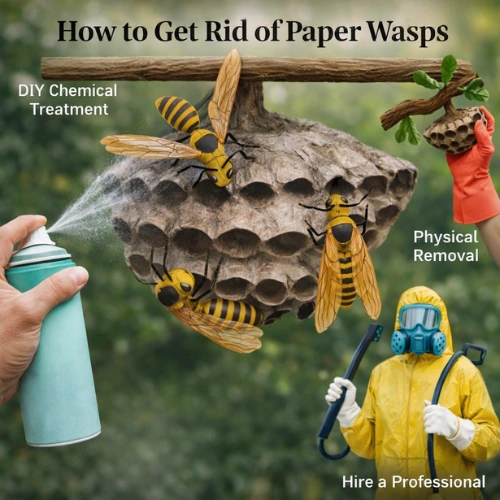
The safest and most effective way to get rid of a wasp nest is to contact a qualified pest control professional. Although removing a nest may appear simple, disturbing an active colony can trigger aggressive behaviour and increase the risk of multiple stings. Professional technicians have the training, equipment, and knowledge required for safe and effective wasp nest removal.
Professional Wasp Nest Removal
- Safety Equipment: Pest control technicians use appropriate personal protective equipment (PPE) and respiratory protective equipment (RPE) when required. This helps minimise exposure to wasp stings and pest control products during treatment.
- Access to Difficult Areas: Wasp nests may be located in roof cavities, attics, wall voids, trees, or other restricted spaces. Trained technicians understand how to work safely in challenging locations while reducing risks to people and property.
- Expert Knowledge: Professionals understand wasp behaviour, nesting patterns, and defensive instincts. They can identify the species, assess the level of activity, and select an appropriate treatment method.
- Professional Treatment Products: Licensed pest controllers have access to professional-use products and specialised application equipment. These treatments can target active nests more effectively than many household DIY products.
DIY Wasp Nest Removal
DIY wasp nest removal can be extremely risky because disturbing an active nest may cause wasps to become aggressive and attack. Professional wasp control is always the safer option. However, if you still decide to attempt removal yourself, take every possible precaution to reduce the risk of stings and injury.
- Have a clear plan: Know exactly what you intend to do and, most importantly, have an accessible exit route before approaching the nest.
- Consider the timing: Wasps are generally less active at night. However, this does not make nest removal safe, as disturbed wasps can still become aggressive.
- Wear protective clothing: Cover your arms, legs, hands, feet, neck, and face with suitable protective clothing to minimise exposed skin.
- Avoid bright lights: Torches and lanterns can attract attention and may disturb wasps. Ensure you can safely see your surroundings without approaching the nest unnecessarily.
- Keep others away: Children, pets, and other people should remain well away from the treatment area. If the nest is in your garden, keep children and pets indoors until the area is confirmed safe.
If the nest is large, difficult to access, or located inside a roof cavity or wall, do not attempt DIY removal. Contact a qualified pest control professional for safer and more effective wasp nest removal.
How to Remove a Wasp Nest Safely
Removing an active wasp nest can be dangerous because disturbing the colony may trigger aggressive behaviour and multiple stings. Professional wasp control is the safest option, particularly for nests in difficult or elevated locations.
If a nest is small, accessible, and you are considering DIY removal, take extreme precautions:
- Choose the right time: Wasps are generally less active at night, but they can still become aggressive when disturbed.
- Wear protective clothing: Cover your arms, legs, hands, feet, neck, and face to minimize exposed skin.
- Prepare an exit route: Ensure you have a clear path away from the nest before approaching it.
- Avoid disturbing the nest: Do not shake, hit, burn, or flood the nest.
- Use appropriate pest-control products: If using an insecticide, follow the product label carefully and never exceed the recommended application.
- Keep people and pets away: Children, pets, and bystanders should remain indoors or at a safe distance.
Do not attempt DIY wasp nest removal if the nest is located under gutters, inside roof cavities, high in a tree, near electrical equipment,
How to Prevent Wasp Nests
Preventing wasps from nesting around your home starts with simple, consistent property maintenance. Taking early precautions can reduce potential nesting sites and minimise wasp activity around your home and garden.
- Seal Entry Points: Regularly inspect walls, eaves, rooflines, vents, and other areas for cracks or gaps. Seal suitable openings to discourage wasps from entering or establishing nests.
- Install Fly Screens: Fit properly secured fly screens to windows, doors, and other openings. This can help prevent wasps from entering indoor spaces while allowing ventilation.
- Keep Outdoor Areas Clean: Remove food scraps, sugary drinks, rubbish, and other potential attractants from outdoor areas. Keep bins tightly closed to reduce wasp activity.
- Use Wasp Traps: Wasp traps can help reduce wasp numbers around gardens and outdoor entertaining areas. Commercial traps are available, or suitable traps can be prepared using an appropriate attractant. Always position traps away from areas regularly used by children and pets.
- Inspect Regularly: Check sheltered areas such as roof edges, sheds, balconies, trees, and garden structures for early signs of nest building.
Combining these preventive measures can make your property less attractive to wasps and reduce the likelihood of an established infestation. If you discover an active or difficult-to-access nest, consider contacting a professional pest controller for safe wasp nest removal.
Final Thoughts
DIY wasp nest removal may seem suitable for small, accessible nests, but it can involve serious safety risks. Disturbing an active nest may cause wasps to become aggressive and increase the risk of painful stings. Always prioritise safety, wear suitable protective clothing, maintain a clear escape route, and keep children and pets away from the area. If the nest is large, difficult to access, located in a roof cavity, or positioned high above the ground, professional removal is the safer choice. People with a known or suspected wasp allergy should never attempt DIY treatment. For safe and effective wasp nest removal, contact EMK Termite & Pest Control Sydney. Our experienced team can assess the situation and recommend an appropriate pest control solution. Contact EMK Termite & Pest Control Sydney today for reliable wasp control!
What Our Customers Had To Say
 Posted on Google
 Rami Anwer
Trustindex verifies that the original source of the review is Google.
We had such a great experience with the pest control service. From start to finish, everything was quick, easy and completely hassle-free. The team were professional, friendly and made the whole process so simple. We’re really happy with the results and the quality of the service we received from Eevil. I would definitely recommend EMK to anyone looking for a reliable pest control company!Posted on Google Rena NajimReally happy with the service today. Professional, friendly and did a great job. Would definitely recommend!Posted on Google
 David DavidEMK provided excellent pest control service. He was professional, punctual, and knowledgeable, explained the process clearly, and ensured it was safe for our family and pets. We saw great results straight away. Friendly, reliable, and highly recommended.Posted on Google
 Ann TranWe highly recommend EMK Termite and Pest Control Sydney. Great service, great prices, friendly and very accommodating. They are very thorough and take pride in their work. Cannot rate them high enough. 5 stars 🌟Posted on Google
 Charlton DurieI had these guys come and sort a termite issue. They got the job done. Thanks again!Posted on Google
 David MarshSuper happy with EMK for getting rid of such a horrible termite infestation! Professional and very friendly.Posted on Google
 Michael ZammitJust had EMK come out to do a rodent control treatment. The service and professionalism was superb!Verified by TrustindexTrustindex verified badge is the Universal Symbol of Trust. Only the greatest companies can get the verified badge who has a review score above 4.5, based on customer reviews over the past 12 months. Read more
Frequently Asked Questions About Wasp Nest Removal
What is the safest way to remove a wasp nest?
Can I remove a wasp nest myself?
Is it safe to remove a wasp nest at night?
What happens if I disturb a wasp nest?
Can I burn a wasp nest?
Can water remove a wasp nest?
How can I prevent wasps from building nests?
When should I call a professional for wasp control?
Who can I contact for wasp nest removal in Sydney?
About The Author

EMK Termite & Pest Control Team
EMK Termite & Pest Control Team is a licensed and experienced pest control service provider based in Sydney, Australia. Our team specialises in termite treatment, cockroach control, spider control, and general pest management for residential and commercial properties.
With years of hands-on experience, we follow Australian safety standards and use proven, eco-friendly pest control methods to deliver long-lasting results. All content published on this website is written and reviewed by trained pest control professionals to ensure accuracy, safety, and real-world expertise.
One Response