mask logo

Full Licensed and Insured.

Call Us Now

(040) 234-3590

What Do Spiders Eat?

Content Published : July 20, 2026

What Do Spiders Eat?

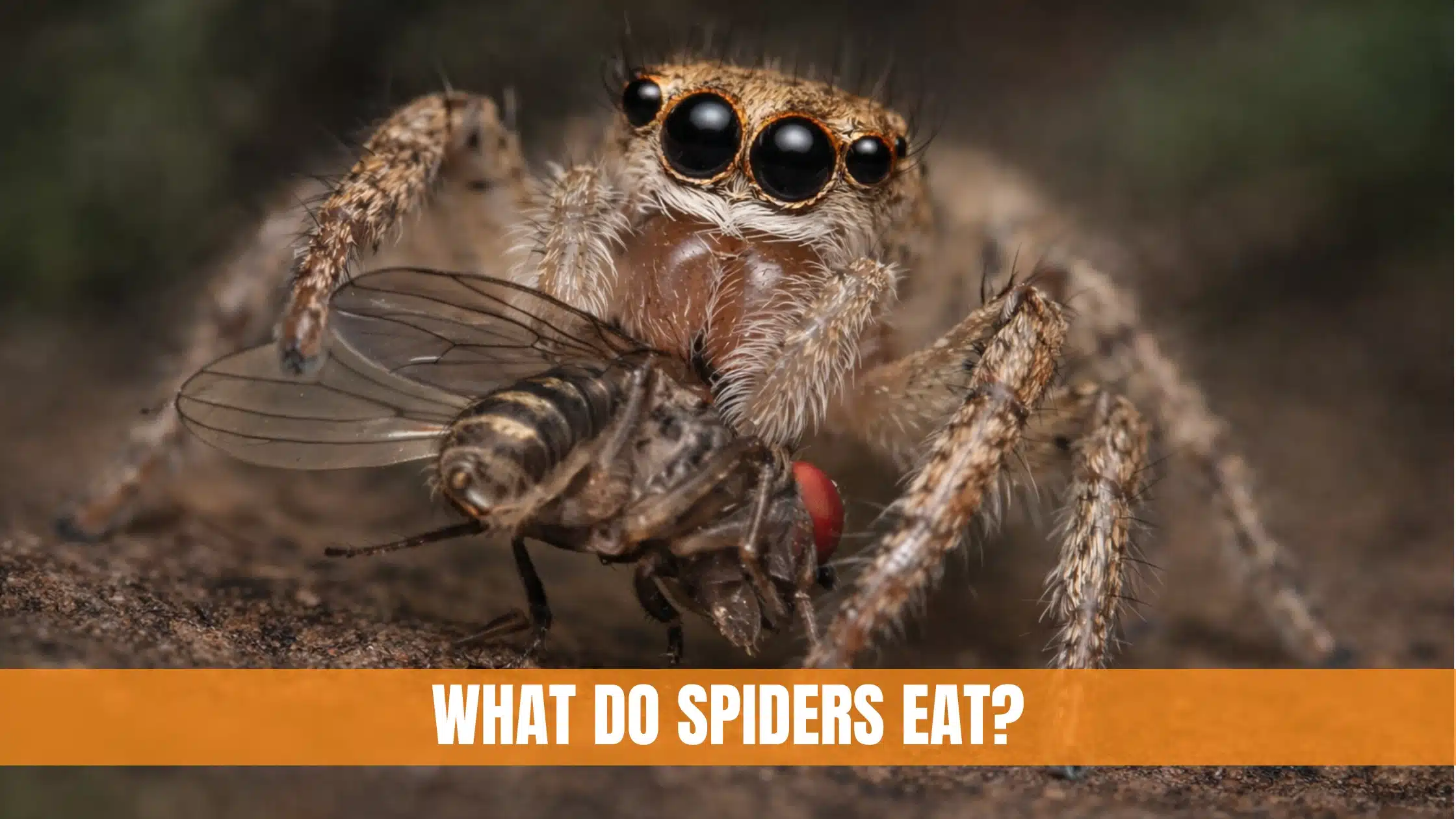
The diet of spiders varies depending on the species, but most spiders are carnivorous and feed primarily on insects and other small animals. Their natural hunting behaviour makes them valuable predators, helping to control pest populations in homes, gardens, and agricultural areas. Common prey includes ants, flies, mosquitoes, moths, beetles, cockroaches, crickets, and other crawling or flying insects. Larger spider species may occasionally consume small lizards, frogs, fish, or even other spiders when the opportunity arises.

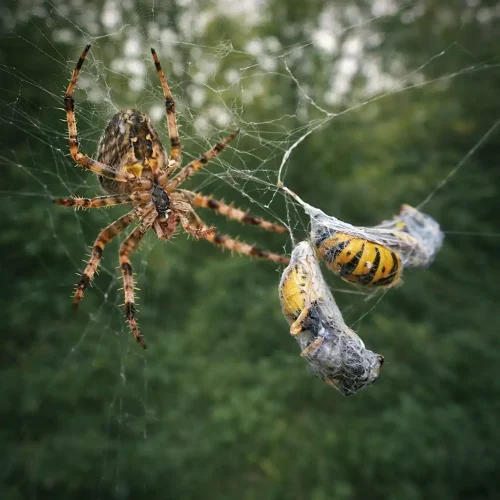
Spiders use different hunting techniques to capture their prey. While many species spin webs to trap insects, others actively hunt or ambush their victims without building webs. They inject venom to immobilise their prey before feeding on the liquefied tissues. Depending on the species, spiders can survive for extended periods without food, although most feed whenever prey is available.

By preying on insects, spiders play an essential role in maintaining ecological balance and reducing populations of common household and garden pests. Their feeding habits help protect crops from insect damage and minimise the need for chemical pesticides. Understanding what spiders eat highlights their importance in nature, while also helping homeowners recognise when professional spider pest control may be needed if spider populations become excessive.

How Often Do Spiders Eat?

How often spiders eat depends on their species, habitat, weather conditions, and the availability of prey. Most spiders feed regularly when insects are abundant, with some species eating once a day or even several times daily. However, spiders are remarkably resilient and can survive for weeks or even months without food by slowing their metabolism. This ability helps them endure periods when prey is scarce.

Seasonal changes also influence feeding habits. During Sydney’s warmer months, increased insect activity provides spiders with a plentiful food source, allowing them to feed more frequently. In contrast, cooler weather often reduces insect populations, causing many spiders to eat less often or enter a period of reduced activity similar to semi-hibernation. Indoor spiders may continue feeding throughout the year if insects remain available inside the home.

A spider’s feeding frequency also depends on its size and hunting method. Web-building spiders wait for insects to become trapped, while hunting spiders actively search for prey. Regardless of the species, spiders play an important role in controlling insect populations naturally. However, if you notice an increasing number of spiders around your property, it may indicate an underlying pest problem.

spider eating prey

How Do Spiders Catch Their Prey?

Spiders use different hunting techniques depending on their species. Many detect vibrations in their webs or on nearby surfaces to locate trapped insects. Others, such as Wolf Spiders, actively hunt by following scent trails and using their keen senses to track prey. Jumping spiders rely on their exceptional eyesight to spot, stalk, and capture insects with remarkable precision. After catching their prey, spiders inject venom to immobilise it before feeding. These effective hunting methods help control insect populations naturally. 

Web-Trapping Spiders

Many spider species rely on webs to capture insects instead of actively hunting. Different spiders build unique types of webs based on their hunting style and preferred habitat. 

Orb Web Builders

Orb-weaving spiders, such as garden orb weavers and barn spiders, create large, circular webs designed to trap flying insects. These webs are commonly found in:

  • Garden pathways
  • Around shrubs and trees
  • Near outdoor lights
  • Decks and fences

They mainly feed on mosquitoes, moths, flies, and other flying insects. If you notice several orb webs around your home, it often indicates a high level of insect activity nearby.
garden orb weavers

Tangle or Cobweb Weavers

Cobweb-building spiders create irregular, sticky webs in quiet, undisturbed areas. Common hiding places include:

  • Garages
  • Roof spaces
  • Behind furniture
  • Storage rooms
  • Corners of ceilings

These spiders capture crawling and flying insects such as cockroaches, flies, ants, and beetles. Numerous cobwebs indoors may suggest an underlying pest problem that is attracting spiders.
Tangle or Cobweb Weavers

Funnel-Web Builders

Funnel-web builders, including grass spiders, construct flat silk webs that lead into a funnel-shaped retreat where they wait for prey. These webs are often found in:

  • Basements
  • Garden edges
  • Wall corners
  • Dense vegetation

They rely on vibrations to detect insects like crickets, beetles, and other small prey. Reducing clutter, sealing entry points, and eliminating insect food sources can help discourage these spiders.
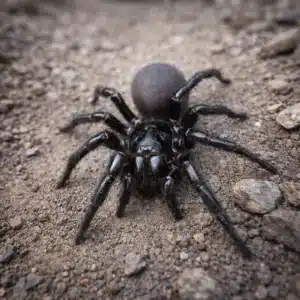
Funnel-Web spider

Active Hunting Spiders

Unlike web-building spiders, active hunting spiders do not rely on webs to catch their prey. Instead, they use speed, sharp senses, and excellent vision to locate and capture insects. Their presence often indicates a plentiful food source around your home, making insect control an important part of reducing spider activity.

Wandering Hunters

Species such as Wolf Spiders actively roam in search of food, especially at night. Rather than waiting for insects to become trapped in a web, they patrol floors, gardens, garages, and wall edges, using vibrations and their keen senses to detect prey.

These spiders commonly feed on:

  • Cockroaches
  • Crickets
  • Beetles
  • Ants
  • Other small insects

If you frequently notice wandering spiders indoors, it may indicate an existing insect infestation. Keeping your home clean, sealing cracks and gaps, and reducing insect populations can help discourage these predators.
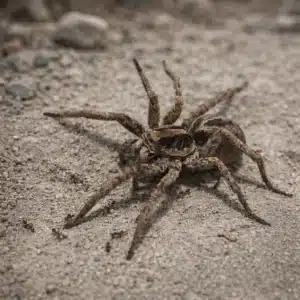
 Wolf Spiders

Jumping Spiders

Jumping spiders are well known for their exceptional eyesight and impressive hunting skills. Instead of spinning webs, they carefully stalk insects before leaping to capture them. They are often seen on walls, windowsills, fences, and garden plants where insects are active.

Their diet includes:

  • Flies
  • Mosquitoes
  • Moths
  • Small spiders
  • Flying insects

Although jumping spiders help control pests naturally, seeing large numbers around your property usually suggests abundant insect activity.
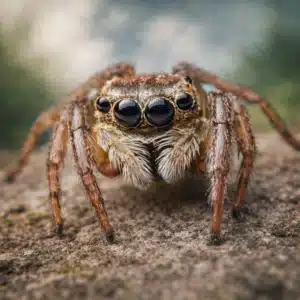
Jumping spiders


Why Controlling Spider Food Sources Matters

The best way to reduce spider activity around your home is to eliminate the insects they rely on for food. Spiders are natural predators, so when flies, cockroaches, mosquitoes, moths, and other pests become abundant, spider populations are likely to increase as well. Addressing the underlying insect problem is the key to long-term spider control and maintaining a healthier living environment.

Increased Spider Activity

A steady supply of insects encourages spiders to stay, breed, and build webs around your property. If you notice more spiders than usual, it often indicates an underlying pest infestation rather than a spider problem alone.

Health and Hygiene Risks

Many insects that attract spiders can also introduce bacteria and allergens into your home. Common pests include:

  • Cockroaches
  • Flies
  • Mosquitoes
  • Ants

Reducing these pests improves household hygiene and naturally discourages spiders.

Property Damage

Some insects, such as termites, silverfish, and wood-boring beetles, can damage timber, paper, fabrics, and stored belongings. As these pests increase, they attract more spiders looking for food, leading to additional webs and egg sacs around your home.

Peace of Mind

For many homeowners, spiders can cause anxiety and discomfort. Keeping insect populations under control helps reduce spider activity, creating a cleaner, safer, and more comfortable living space.

Lower Long-Term Costs

Early pest prevention is far more affordable than dealing with widespread infestations. Regular inspections, good housekeeping, and professional spider pest control can eliminate insects before they attract spiders, helping protect your home from costly pest treatments and property damage in the future.

Eliminating Spider Food Sources

The most effective way to reduce spider activity is to eliminate the insects they depend on for food. A long-term approach combines good housekeeping, home maintenance, and targeted pest management to make your property less attractive to both insects and spiders. By addressing the root cause of the problem, you can naturally reduce spider populations and minimise the need for frequent treatments.

Follow an Integrated Pest Management (IPM) Approach

Integrated Pest Management (IPM) focuses on preventing pests before they become a serious problem. Regularly inspect your home for insects such as:

  • Cockroaches
  • Flies
  • Crickets
  • Ants
  • Mosquitoes

Use sticky traps, targeted baits, or professional spider pest control services to manage insect populations safely and effectively.

Seal Entry Points and Maintain Cleanliness

Prevent insects from entering your home by:

  • Sealing cracks and gaps around doors and windows
  • Installing weather stripping
  • Storing food in airtight containers
  • Emptying rubbish bins regularly
  • Cleaning food spills promptly
  • Repairing leaking pipes and reducing excess moisture

A clean, dry home is far less attractive to insects and the spiders that feed on them.

Reduce Outdoor Lighting That Attracts Insects

Bright exterior lights attract flying insects, which in turn attract spiders. Consider using warm-coloured or yellow bug lights near entrances and keeping unnecessary outdoor lighting to a minimum.

By reducing insect activity around your property, you can significantly decrease spider populations and maintain a cleaner, safer, and more comfortable home.

Conclusion

Spiders play an important role in controlling insect populations, but they don’t belong inside your home. Reducing the insects they feed on, maintaining a clean environment, and sealing cracks around doors, windows, and foundations can help prevent both spiders and their prey from entering your property. If you’re noticing frequent spider sightings or suspect a dangerous species, professional help is the safest solution. EMK Termite & Pest Control Sydney provides reliable, safe, and effective spider pest control to keep your home protected year-round. Contact our expert team today for a free quote and enjoy a spider-free home with long-lasting results! 

What Our Customers Had To Say

Frequently Asked Questions (FAQ) About What Do Spiders Eat?

What do spiders eat?

Most spiders feed on insects such as flies, mosquitoes, cockroaches, ants, moths, beetles, and crickets. Larger spider species may also eat small lizards, frogs, fish, or even other spiders.

Do all spiders eat insects?

No. While insects make up the majority of a spider's diet, some larger species occasionally consume small vertebrates, including frogs, lizards, and tiny fish, depending on their size and habitat.

How often do spiders eat?

The feeding frequency varies by species and food availability. Some spiders eat daily when prey is abundant, while others can survive for several weeks or even months without food by slowing their metabolism.

How do spiders catch their prey?

Spiders use different hunting methods. Many build webs to trap insects, while hunting spiders actively chase or ambush their prey using excellent eyesight, vibrations, or scent cues.

What attracts spiders into a house?

Spiders are attracted to homes with plenty of insects, dark hiding places, clutter, moisture, and easy access through cracks, gaps, or open doors and windows.

How can I stop spiders from entering my home?

Seal cracks and gaps, reduce indoor clutter, keep your home clean, minimise outdoor lighting that attracts insects, and eliminate pest populations that serve as spider food.

Are spiders dangerous to humans?

Most spiders found in Sydney are harmless and prefer to avoid people. However, some species can deliver painful or medically significant bites, making professional identification and removal important.

Why choose EMK Termite & Pest Control Sydney for spider control?

EMK Termite & Pest Control Sydney provides safe, effective, and long-lasting spider pest control solutions for homes and businesses across Sydney. Their experienced technicians identify the source of spider activity, eliminate infestations, and implement preventative treatments to keep your property spider-free year-round.

About The Author

Leave a Reply

Your email address will not be published. Required fields are marked *