
Content Published : August 5, 2026
What Does a Termite Nest Look Like? Spot the Signs Before It’s Too Late
If you’re wondering what a termite nest looks like, you’re not alone. Many homeowners only discover a termite infestation after significant structural damage has already occurred. Learning how to identify a termite colony and recognising the early warning signs can help you protect your property and avoid expensive repairs. Depending on the species, termites may be hidden underground, inside timber, within wall cavities, or in large mud mounds found outdoors.
Termites are highly organised, wood-eating insects that live in large colonies and feed on cellulose, a natural component found in timber, paper, and other plant-based materials. Although they are commonly called white ants, termites are not ants. In fact, they are more closely related to cockroaches and have unique behaviours and colony structures.
Different termite species build different types of nests to provide food, moisture, and protection for the colony. Subterranean termites create underground nests connected to buildings through mud tubes, while drywood termites establish colonies directly inside wooden structures without needing contact with the soil. Some species also construct large above-ground termite mounds in natural environments.
Recognising signs such as mud tubes, hollow-sounding timber, discarded wings, blistered wood, can help detect an infestation early. Prompt termite inspections and professional termite treatment are essential to prevent long-term damage and protect your home or business from costly structural repairs.
What Is a Termite Nest?
A termite nest is a highly organised colony built by termites to protect and support their queen, workers, soldiers, and developing young. These nests provide the ideal environment for termites to reproduce, gather food, and survive while maintaining the moisture and temperature needed for the colony to thrive. Depending on the species, they can be found underground, inside timber, within wall cavities, roof voids, tree stumps, or beneath concrete slabs.
In Sydney, the most common species are subterranean termites, which build large underground colonies connected to homes through protective mud tubes. Because these nests are usually hidden beneath the soil or inside structural timber, homeowners often remain unaware of an infestation until noticeable damage has already occurred. Some termite species, such as drywood termites, establish their nests directly inside wooden furniture, beams, or other timber structures without needing contact with the ground.
A mature termite colony can contain thousands to millions of termites, all working together to feed on cellulose found in timber and other wood-based materials. Regular termite inspections are the most effective way to detect hidden nests before they cause costly structural damage.

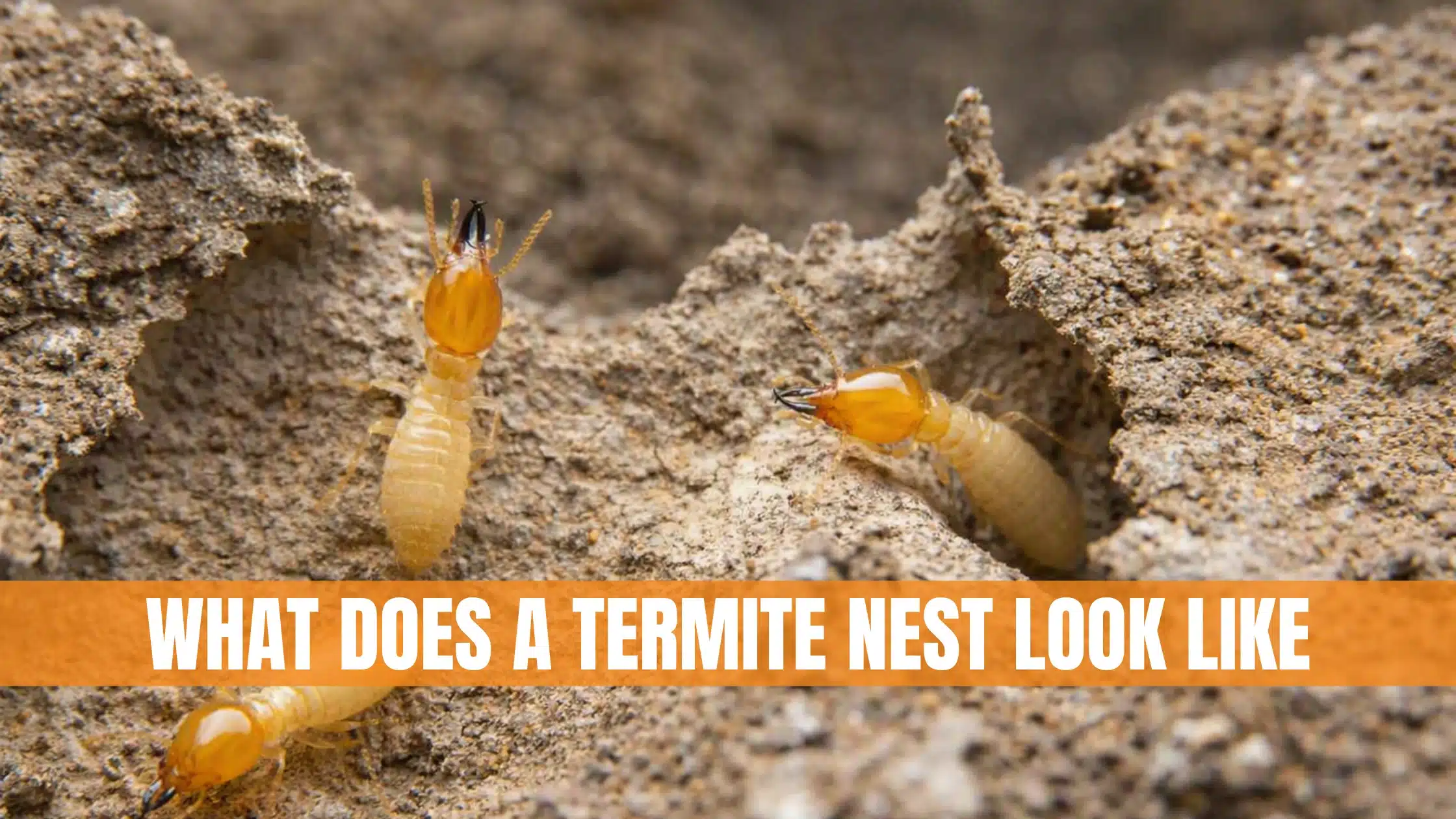
What Does a Termite Nest Look Like?
Knowing what a termite nest looks like can help you identify an infestation before it causes serious structural damage. Because most termite found hidden underground, inside timber, or within wall cavities, they are often difficult to detect during the early stages. However, there are several visible signs that may indicate a termite colony is nearby.
Some of the most common characteristics include:
- Mud-Like Appearance: Theses are commonly made from a mixture of chewed wood, soil, saliva, and termite droppings, giving them a dry, compact, mud or clay-like texture.
- Mud Tubes: Subterranean termites build narrow, tube-like tunnels along walls, foundations, piers, and brickwork. These mud tubes protect termites from predators while helping them travel between their underground nest and food sources.
- Large Hidden Colonies: Mature nests can grow into large colonies containing thousands or even millions of termites. While the nest itself is usually concealed, significant infestations may occasionally be found inside roof voids, wall cavities, tree stumps, or beneath flooring.
- Damaged Timber: Wood that sounds hollow when tapped, crumbles easily, or has visible tunnels may indicate termites are feeding inside.
- Blistered or Peeling Paint: Paint that bubbles, flakes, or resembles water damage can be a sign of termite activity hidden beneath the surface.
- Discarded Wings: Small piles of shed wings near windows, doors, or light fittings often indicate that winged termites have swarmed and established a new colony nearby.
What Does a Termite Nest Look Like For Different Species?
The appearance and location depend on the termite species. Some nests are hidden deep underground, while others are built inside timber, wall cavities, roof voids, or tree stumps. Because termite colonies usually remain concealed, homeowners often notice the signs of termites such as mud tubes, hollow timber, blistered paint, or termite droppings, long before they discover the nest itself. Understanding the different types of nests can help you detect an infestation early and protect your Sydney property from costly structural damage.
Subterranean Termites
Subterranean termites are the most common and destructive termite species in Sydney. They build large colonies underground where the soil provides the moisture and stable temperature they need to survive. These colonies are connected to food sources through narrow mud tubes, allowing termites to travel safely between the nest and nearby timber structures.
Key characteristics include:
- Located beneath the soil, often under gardens, concrete slabs, or building foundations.
- Connected to homes through protective mud tubes.
- Colonies can contain hundreds of thousands to millions of termites.
- Can establish secondary nests inside wall cavities or roof voids if moisture is available from leaking pipes or water damage.
- Cause significant structural damage by feeding on timber from the inside out.
Because these nests remain hidden, professional termite inspections are essential for early detection.

Drywood Termites
Unlike subterranean termites, drywood termites do not require contact with the soil. Instead, they create their nests directly inside dry timber, making wooden beams, flooring, furniture, doors, and window frames their preferred habitat.
Key characteristics include:
- Built entirely inside dry timber.
- No mud tubes are required.
- Smaller colonies than subterranean termites.
- Difficult to detect because they remain hidden inside wood.
- Often identified by hollow timber, blistering paint, and small piles of termite droppings (frass).
Although drywood termite colonies are generally smaller, they can still cause extensive damage if left untreated.

Dampwood Termites
Dampwood termites prefer timber with high moisture content and are usually found in decaying wood or areas affected by persistent water leaks. While they are less common in Sydney homes, properties with poor drainage or ongoing moisture problems are more susceptible to infestation.
Key characteristics include:
- Found in damp or decaying timber.
- Common near leaking pipes, roof leaks, or water-damaged structures.
- Prefer tree stumps, fallen logs, and untreated timber.
- Require constant moisture to survive.
- Often indicate underlying moisture or drainage issues.
Fixing water leaks and reducing moisture levels is an important part of preventing dampwood termite infestations.

Above-Ground Carton Nests
Some subterranean termite species can build above-ground carton nests when a reliable moisture source is available. These nests are constructed from a mixture of chewed wood, soil, saliva, and termite droppings, creating a lightweight, papery structure.
These nests are commonly found:
- Inside wall cavities
- Roof voids
- Ceiling spaces
- Behind bathrooms or laundry walls
- Near leaking plumbing or air-conditioning systems
Although hidden from view, carton nests allow termites to establish large colonies within buildings and continue feeding without returning to the main underground nest.

Why Early Detection Is Important
Regardless of the termite species, nests are rarely visible until an infestation has become well established. Instead of searching for the nest itself, homeowners should look for common warning signs such as:
- Mud tubes on walls or foundations
- Hollow-sounding timber
- Blistered or peeling paint
- Discarded termite wings
- Small piles of termite droppings (frass)
- Doors or windows becoming difficult to open
- Sagging floors or damaged wooden structures
Regular termite inspections are the most effective way to locate hidden termite colonies, identify infestations early, and prevent costly structural damage. Early treatment not only eliminates active colonies but also provides long-term protection for your Sydney home or business.
Termite Nest on House: A Serious Warning Sign
Finding a termite colony in your house is a major warning sign that should never be overlooked. It usually means an established termite colony is actively feeding on your property’s timber and may already be causing hidden structural damage. Since termites consume wood from the inside out, the visible damage is often only a small part of the problem. Acting quickly can help minimize repair costs and protect the structural integrity of your home.
If you suspect, look for these common warning signs:
- Visible Mud-Walls: Mud-like nests attached to walls, tree stumps, fences, roof voids, or nearby structures.
- Mud Tubes: Pencil-sized tunnels along walls, foundations, piers, or brickwork that termites use to travel safely.
- Hollow Timber: Wooden beams, floors, or furniture that sound hollow when tapped.
- Blistered or Peeling Paint: Paint that bubbles or flakes without any obvious water damage.
- Discarded Wings: Small piles of termite wings near windows, doors, or light fittings after a termite swarm.
- Damaged Wooden Structures: Sagging floors, weakened door frames, cracked skirting boards, or timber that crumbles easily.

How Do Professional Termite Inspectors Work?
Locating a termite nest can be challenging because most termite colonies remain hidden underground, inside timber, or within wall cavities. Unlike visible termite mounds, many nests are concealed, allowing termites to cause significant structural damage before homeowners notice any warning signs. This is why professional termite inspections are essential for detecting hidden infestations early.
During a comprehensive termite inspection, trained technicians carefully examine your property for signs of termite activity using specialised equipment and proven detection methods. They look for:
- Mud Tubes: Protective tunnels built by subterranean termites along walls, foundations, and piers.
- Damaged Timber: Hollow-sounding wood, blistered surfaces, or timber weakened by termite feeding.
- Discarded Wings: Evidence of termite swarms that may indicate a nearby colony.
- Tree Stumps and Trees: Dead or decaying trees, timber fences, and stumps that may harbour them.
- Roof Voids and Wall Cavities: Hidden areas where termites often establish secondary colonies.
- Moisture Sources: Leaking pipes, poor drainage, or damp timber that attract termite activity.
Professional inspectors may also use moisture meters, thermal imaging cameras, sounding tools, and other advanced termite detection equipment to identify concealed nests without causing unnecessary damage to your property.

How Do We Get Rid of Termite Nests?
Eliminating a termite colony requires professional expertise, as most termite colonies are hidden underground, inside timber, or within wall cavities. The treatment method depends on the location of the nest, the termite species, and the severity of the infestation. Because termites often remain concealed, simply killing the visible insects is not enough—the entire colony must be eliminated to prevent reinfestation.
Professional termite treatment may include the following methods:
- Physical Nest Removal: If the nest is visible and easily accessible, technicians may physically remove or destroy the nest to stop termite activity.
- Targeted Insecticide Treatments: Professional-grade termiticides are injected directly into accessible nests, timber, or affected areas to eliminate active termites.
- Tree Inspection and Treatment: If a nearby tree or tree stump is suspected of housing a termite colony, technicians inspect it for signs of termite activity. When necessary, specialised treatments or targeted injections are used to eliminate the colony.
- Termite Baiting Systems: When the main nest cannot be located, termite bait stations are installed around the property. Worker termites carry the bait back to the colony, gradually eliminating the entire nest.
- Protective Termite Barriers: Chemical or physical termite barriers can be installed around buildings to help prevent future termite infestations.
Since many termite nests remain hidden, homeowners may never see the colony itself. Instead, they often notice warning signs such as mud tubes, hollow timber, blistered paint, discarded wings, or damaged wooden structures. For this reason, annual professional termite inspections are highly recommended.

Conclusion
Understanding where termites build their colonies can help you detect an infestation before it causes serious structural damage. Whether the nest is hidden underground, inside timber, or within wall cavities, recognising early warning signs such as mud tubes, hollow wood, discarded wings, and damaged timber is essential for protecting your property. Since termite nests are often concealed, regular professional inspections are the most effective way to identify and eliminate colonies before costly repairs are needed.
If you suspect termite activity, don’t wait until the damage becomes severe. Contact EMK Termite & Pest Control Sydney today to book a comprehensive termite inspection and receive effective termite treatment solutions. Our experienced team is committed to protecting your home or business with safe, reliable, and long-lasting termite control services.
What Our Customers Had To Say
 Posted on Google
 Rami Anwer
Trustindex verifies that the original source of the review is Google.
We had such a great experience with the pest control service. From start to finish, everything was quick, easy and completely hassle-free. The team were professional, friendly and made the whole process so simple. We’re really happy with the results and the quality of the service we received from Eevil. I would definitely recommend EMK to anyone looking for a reliable pest control company!Posted on Google Rena NajimReally happy with the service today. Professional, friendly and did a great job. Would definitely recommend!Posted on Google
 David DavidEMK provided excellent pest control service. He was professional, punctual, and knowledgeable, explained the process clearly, and ensured it was safe for our family and pets. We saw great results straight away. Friendly, reliable, and highly recommended.Posted on Google
 Ann TranWe highly recommend EMK Termite and Pest Control Sydney. Great service, great prices, friendly and very accommodating. They are very thorough and take pride in their work. Cannot rate them high enough. 5 stars 🌟Posted on Google
 Charlton DurieI had these guys come and sort a termite issue. They got the job done. Thanks again!Posted on Google
 David MarshSuper happy with EMK for getting rid of such a horrible termite infestation! Professional and very friendly.Posted on Google
 Michael ZammitJust had EMK come out to do a rodent control treatment. The service and professionalism was superb!Verified by TrustindexTrustindex verified badge is the Universal Symbol of Trust. Only the greatest companies can get the verified badge who has a review score above 4.5, based on customer reviews over the past 12 months. Read more
Frequently Asked Questions (FAQ) About Termite Nests
What is a termite nest?
What does a termite nest look like?
Where do termites build their nests?
Can termites build nests inside a house?
Do all termite species build the same type of nest?
How large can a termite nest become?
Can I remove a termite nest myself?
Can termites return after the nest is removed?
What's the difference between a termite nest and mud tubes?
About The Author

EMK Termite & Pest Control Team
EMK Termite & Pest Control Team is a licensed and experienced pest control service provider based in Sydney, Australia. Our team specialises in termite treatment, cockroach control, spider control, and general pest management for residential and commercial properties.
With years of hands-on experience, we follow Australian safety standards and use proven, eco-friendly pest control methods to deliver long-lasting results. All content published on this website is written and reviewed by trained pest control professionals to ensure accuracy, safety, and real-world expertise.